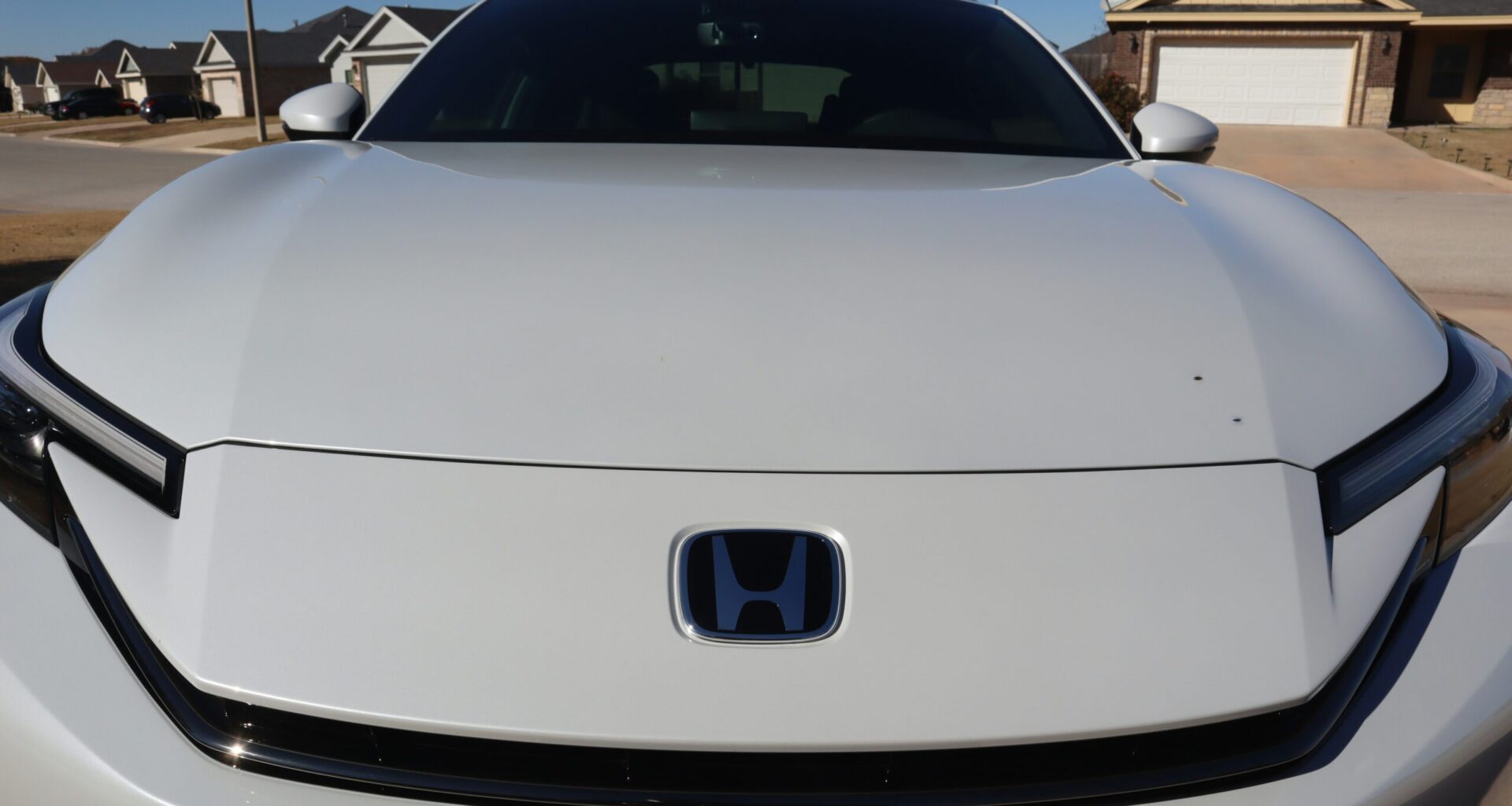
 admin
adminMost midsize trucks ask you to accept a rougher ride as part of the deal. The Honda Ridgeline doesn’t.
That difference is why it keeps standing out. It blends pickup usefulness with the comfort, space, and calm road manners people usually expect from an SUV. For many buyers, that’s a better match for real life than a more old-school truck.
This Honda Ridgeline review takes the practical route. Here’s how it rides, how the V6 performs, what kind of mpg you can expect, how much it can tow, and where it fits, or doesn’t, in the midsize truck crowd.
What makes the Honda Ridgeline stand out right away
The Ridgeline has always taken a different path, and the 2026 model stays with that formula. It uses a unibody design instead of the body-on-frame setup found in most rivals. That may sound like a small engineering note, but you feel it every day.
Because of that structure, the truck feels tighter and smoother on the road. Honda also keeps things simple with one powertrain, a 3.5-liter V6, a 9-speed automatic, and standard all-wheel drive. You don’t have to sort through a long menu of engines, cabs, beds, or drivetrain choices.
Here are the core numbers that shape the Ridgeline’s character:
| Spec | 2026 Honda Ridgeline |
|---|---|
| Engine | 3.5-liter V6 |
| Horsepower | 280 hp |
| Torque | 262 lb-ft |
| Transmission | 9-speed automatic |
| Drivetrain | Standard AWD |
| Max towing | 5,000 pounds |
| EPA fuel economy | 18 city / 24 highway / 21 combined |
That setup tells the story. This is a truck built more for commuting, family duty, weekend projects, and road trips than heavy worksite use.
It drives more like an SUV than a traditional truck
This is still the Ridgeline’s biggest selling point. Around town, it feels calm and easy. The steering is light, the cabin stays composed over rough pavement, and broken roads don’t bounce the truck around the way some midsize pickups do.
That matters more than spec-sheet bragging rights. If you spend most of your time in traffic, on highways, or taking kids to school, the Ridgeline is simply easier to live with. It doesn’t feel like you’re dragging a work truck through your daily routine.
The Auto Channel’s TrailSport review made a similar point, focusing on the truck’s unusually comfortable ride for this class.
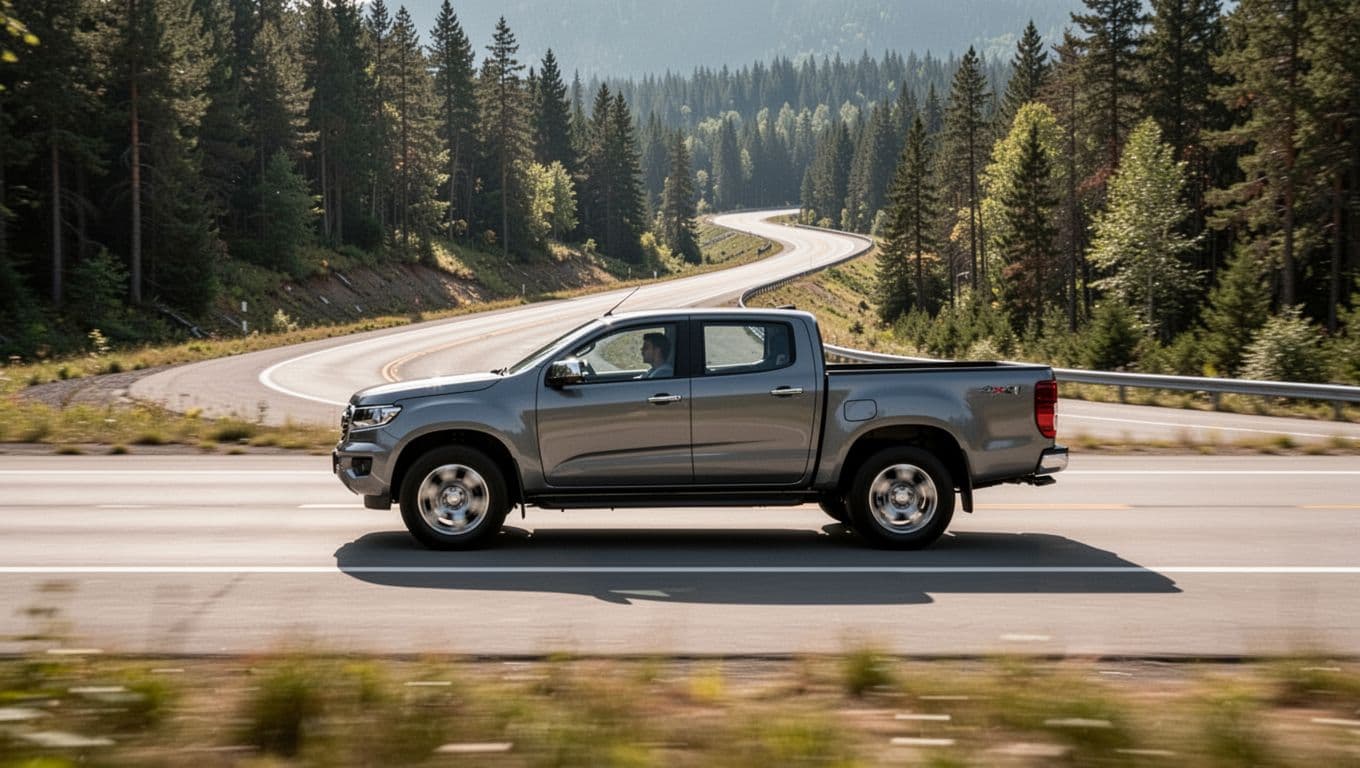
If your truck spends far more time on pavement than on job sites, the Ridgeline’s smoother nature is hard to ignore.
The smart bed and tailgate features are still a huge win
Honda didn’t stop at ride comfort. The Ridgeline also has some of the smartest cargo tricks in the segment.
The dual-action tailgate can swing down like a normal one, or open sideways. That makes it easier to reach into the bed without climbing in. Then there’s the lockable in-bed trunk, which remains one of the truck’s best ideas. It’s a hidden storage bin under the bed floor, and it’s handy for tools, muddy gear, groceries, or tailgate supplies.
For everyday use, these features feel less like gimmicks and more like common sense. A road trip is easier when valuables stay locked out of sight. Home projects are easier when smaller items don’t slide around the bed. Even loading coolers or sports gear feels less awkward.
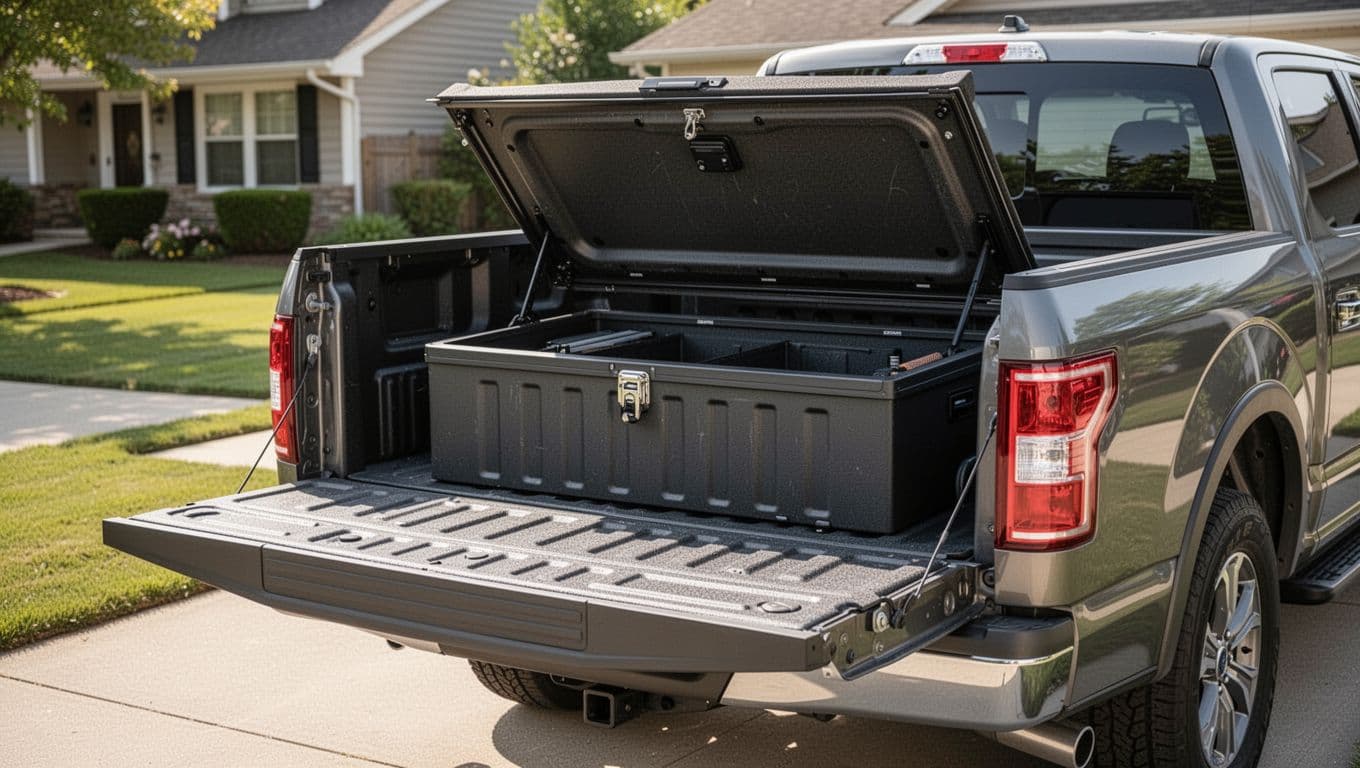
In other words, the Ridgeline doesn’t only carry stuff. It helps you organize it better.
How the Honda Ridgeline performs in real-world driving
The 3.5-liter V6 makes about 280 horsepower and 262 lb-ft of torque, and that still feels like a good fit for this truck. It isn’t trying to be a desert racer, and it doesn’t need to be.
Power comes on smoothly, and there’s enough muscle for merging, passing, and climbing highway grades without stress. The V6 also sounds more natural than some small turbo engines in rival trucks. It feels relaxed, which matches the rest of the vehicle.
The 9-speed automatic is a mixed bag, though. At cruising speed, it does its job well. Around town, it can feel a bit slow to react when you ask for a quick downshift. That’s not a deal-breaker, but you’ll notice it now and then in stop-and-go driving.
Acceleration, comfort, and handling are better than many rivals
The Ridgeline is quick enough for most drivers, and that’s the right way to frame it. It won’t pin you to the seat, but it never feels weak.
Car and Driver’s 2026 Ridgeline review cites a roughly 6.0-second run to 60 mph, which is plenty strong for a midsize truck aimed at daily use. More important, it stays composed in corners and doesn’t feel top-heavy when the road starts to twist.
That composure sets it apart. Traditional pickups can feel like hiking boots on a city sidewalk, sturdy but clumsy. The Ridgeline feels more like a good pair of sneakers. It still works, but it doesn’t fight you.
Potholes, expansion joints, and rough patches also hit with less drama. So while some trucks win the spec war, the Ridgeline often wins the drive home.
Fuel economy is fair, but not a class leader
EPA ratings for the 2026 Ridgeline sit at 18 mpg city, 24 mpg highway, and 21 mpg combined. That’s decent, and it fits the truck’s V6 power and standard AWD. Still, it doesn’t lead the class.
In real life, mileage can swing a lot. Cold weather, short trips, heavy traffic, and hauling cargo can drag those numbers down fast. TrailSport versions may also return a bit less in everyday driving because of their more rugged setup and tires.
So the Ridgeline isn’t the thrift champ. It’s more middle-of-the-pack, which feels fair given its strong V6 and comfort-first tune.
Inside the cabin, the Ridgeline gets the basics very right
Step inside, and the Ridgeline makes its case without drama. The design isn’t flashy, and some of the layout feels older than the newest rivals. Still, Honda nails the stuff owners notice every day.
The crew cab is roomy, seating for five is realistic, and visibility is good. Seats are supportive, and the cabin feels easy to use instead of overdesigned. Buttons, bins, cupholders, and controls all seem placed by people who have carried coffee, backpacks, and phone chargers before.
That’s part of the Ridgeline’s charm. It isn’t chasing a bold truck image inside. It’s trying to make weekday life easier, and mostly, it succeeds.
Passenger space and storage are major strengths
The rear seat is one of the best reasons to buy this truck. Adults can sit back there without feeling cramped, and families get enough space for child seats, backpacks, and the random gear that tends to live in a vehicle.
The rear cushions also flip up, opening a large floor area for bulky items. That gives you extra flexibility when something shouldn’t ride in the bed, or when weather makes the cabin the safer place to stash it.
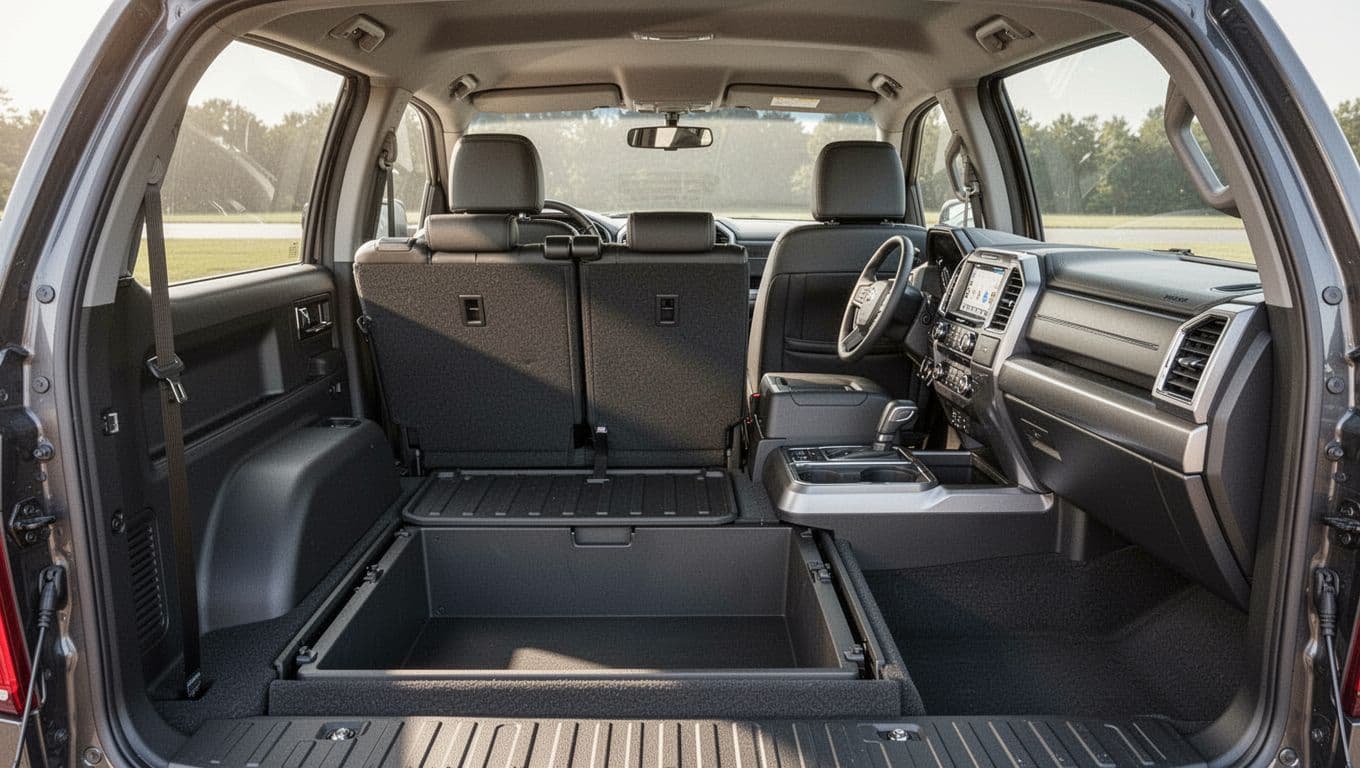
Edmunds’ 2026 Ridgeline page also points to that roomy interior and comfortable ride as key strengths. That’s easy to understand once you sit in the back seat yourself. In this class, space like that can feel like finding an extra drawer in a small kitchen.
Tech and trim choices are good, even if the design feels older
The Ridgeline’s tech story is solid, not dazzling. You get the modern basics buyers expect, including smartphone connectivity and a straightforward infotainment setup. The learning curve is low, which many owners will like.
Trim choices also make sense. Most versions focus on comfort and convenience, while the TrailSport adds a tougher look and light off-road upgrades. It’s the trim for buyers who want dirt-road confidence and a little extra attitude.
Still, it’s not a serious rock crawler. The Ridgeline’s strength is controlled versatility, not extreme trail work. Think campsite access and muddy back roads, not boulder fields.
Towing, payload, and off-road ability, know the limits before you buy
This is where the Ridgeline gives back some ground. Max towing is 5,000 pounds, which is enough for many owners, but not impressive beside some rivals. Payload tops out around the mid-1,500-pound range, depending on trim.
That means it can easily handle a small boat, utility trailer, motorcycles, or a weekend home-improvement run. For many households, that’s all the truck they’ll ever need. Yet if you tow often, haul heavy loads, or want to push your truck hard, you may outgrow it.
Heavy cargo can also make the ride feel less settled than when the truck is empty. That’s not unusual, but it’s worth remembering because the Ridgeline’s smooth road manners are a big part of its appeal.
This is enough truck for many people, but not for every job
The Ridgeline makes the most sense for buyers who want one vehicle to do almost everything pretty well. It commutes well, parks easily for a truck, carries people in comfort, and handles light towing without complaint.
Consumer Reports’ road test report also reflects that same balance. The Ridgeline shines as a daily driver first, and a work tool second.
If you need more than that, look elsewhere. Shoppers who tow near the limit often, carry heavy payloads, or want more bed and cab choices should probably consider a Ranger, Colorado, Tacoma, or Canyon instead.
The Honda Ridgeline still fills a rare spot in the truck market. It offers a smooth ride, smart storage, a roomy back seat, and road manners that feel far more SUV-like than truck-like.
Its weak points are clear too. Styling and cabin design feel a bit dated, fuel economy is only average, towing is modest, and you only get one body style. Still, for buyers who want a practical pickup for normal life, this truck makes a strong case.
If your idea of truck ownership includes commuting, family duty, road trips, and occasional hauling, the Ridgeline is one of the easiest trucks to recommend. If your week revolves around heavy towing or hard work, you’ll want something tougher.

 admin
admin