 admin
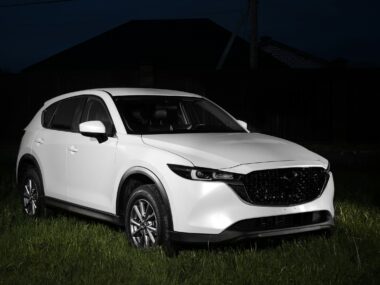
adminA hybrid SUV doesn’t have to feel like a penalty box. The Mazda CX-50 Hybrid proves that with 38 mpg combined, more than 550 miles of range on a tank, and styling that looks richer than most compact crossovers.
This Mazda CX-50 Hybrid review is for shoppers who want better fuel economy without giving up style or a more polished cabin. The big story is simple: Mazda paired its design and chassis tuning with a Toyota-based hybrid system that already has a strong reputation. That mix works more often than it misses.
What the Mazda CX-50 Hybrid gets right from day one
The quick take is easy. This 2026 model is available now in the US, and it lands in a sweet spot for buyers who think the RAV4 Hybrid is too plain, the CR-V Hybrid is too safe, or the Forester Hybrid may feel too utilitarian.
You get the fuel savings people expect from a hybrid, but you also get a cabin and exterior that feel more upscale. Better yet, it still drives like a Mazda most of the time, which isn’t something every hybrid SUV can claim.
If your top priority is saving gas without settling for a bland crossover, the CX-50 Hybrid makes a strong first impression.
Fuel economy that makes everyday driving cheaper and easier
The headline number is 39 mpg city, 37 mpg highway, and 38 mpg combined. That’s the kind of rating that changes your routine in a real way, because it cuts fuel stops and softens the pain of long commutes.
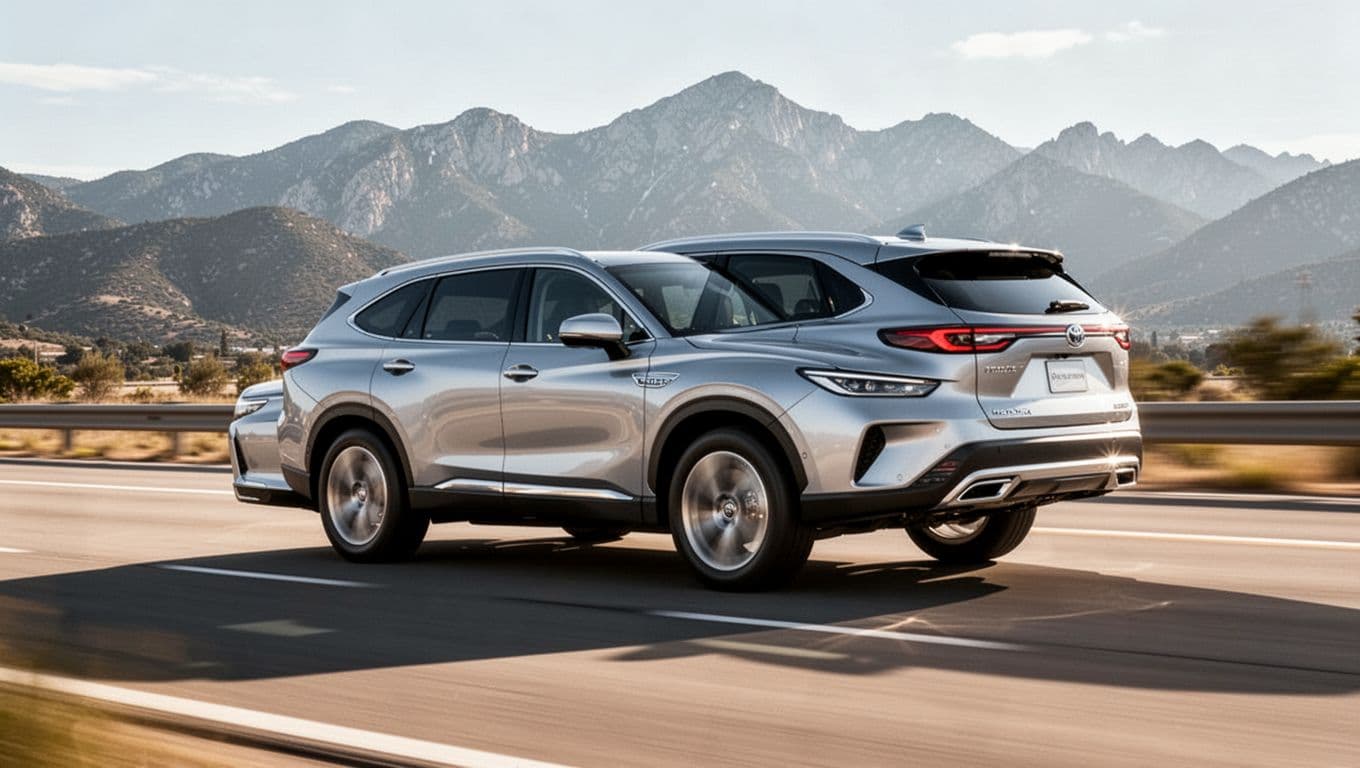
On paper, those figures are excellent. In real highway driving, results drop some. Independent testing at 75 mph has shown about 34 mpg, which is still solid for a compact SUV shaped more like a hiking boot than a slipper. Around town, where hybrids usually shine, the CX-50 Hybrid should make an even stronger case.
The long range matters almost as much as the mpg figure. Over 550 miles on a tank means fewer stops on road trips and less time thinking about fuel during the workweek. If you want current market pricing and trim info, Edmunds keeps a useful CX-50 pricing and review page.
A hybrid powertrain with a familiar, proven foundation
Mazda didn’t build this system from scratch. The CX-50 Hybrid uses a 2.5-liter engine and electric motor setup related to the Toyota RAV4 Hybrid, and that’s a plus, not a compromise.
Why does that matter? Because buyers know this kind of system. It has a long track record for efficiency and daily ease. In the CX-50 Hybrid, total output is 219 horsepower, which gives it enough punch for normal passing and city merging.
It also helps buyer trust. Mazda gets to keep its design identity, while the hybrid bits come from a setup people already see as dependable. That makes the CX-50 Hybrid feel less like a first try and more like a smart partnership. For a deeper owner-focused drive report, this Premium Plus AWD road test gives useful context.
How the Mazda CX-50 Hybrid feels on the road
This is where the CX-50 Hybrid separates itself from many hybrid rivals. It doesn’t turn into a sports SUV, but it also doesn’t feel numb or sleepy.
Mazda has long been good at making ordinary vehicles feel a little more alive. The hybrid keeps enough of that character to matter.
Still more fun to drive than most hybrid compact SUVs
The steering is precise, and the chassis feels settled. Through curves, the CX-50 Hybrid stays flatter than many compact hybrids, so it gives the driver more confidence on a back road or a fast freeway ramp.
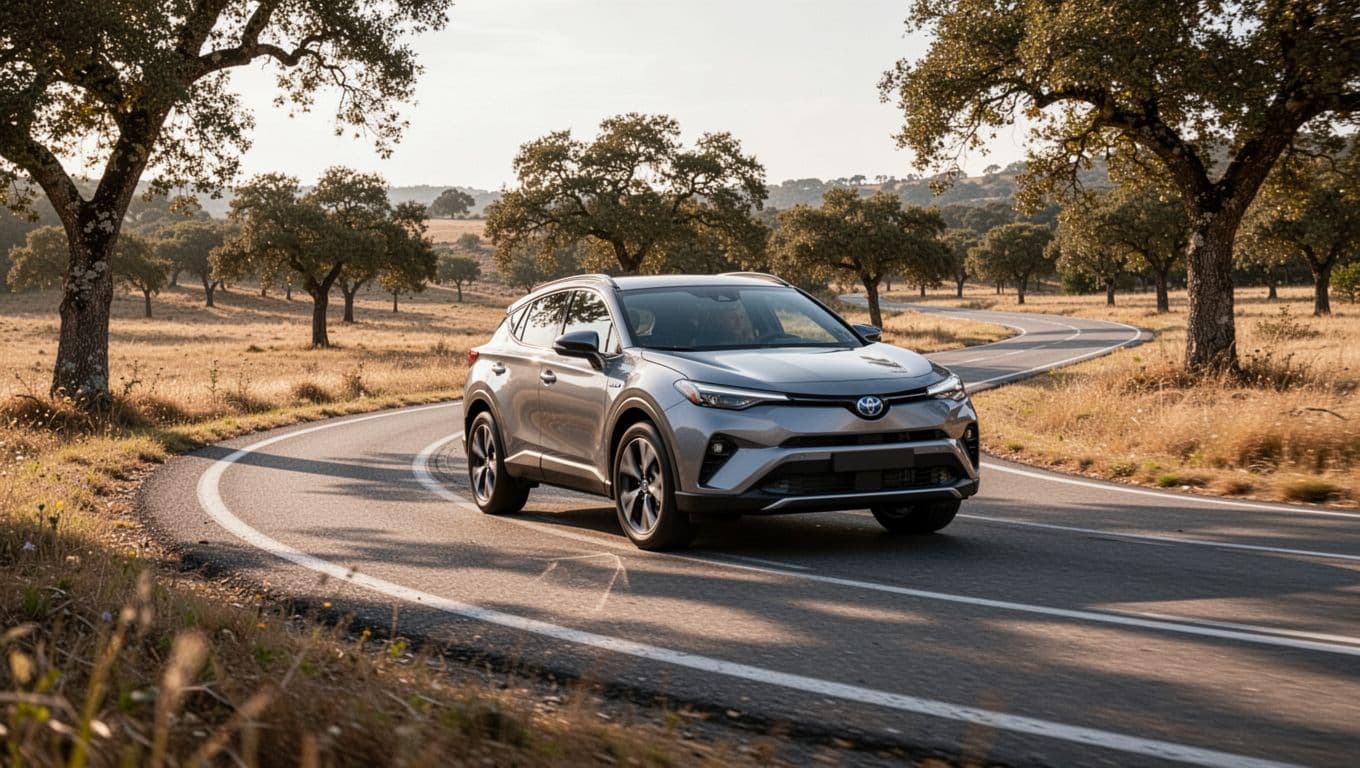
The suspension feels controlled rather than soft and floaty. That matters because many efficient SUVs chase comfort first, then leave the driver with vague steering and lazy body motions. Mazda goes the other way. The CX-50 Hybrid feels composed, tied down, and more eager to change direction than most of its classmates.
Still, there’s a limit. It’s not quite as sharp as the non-hybrid CX-50. Some of the playful edge gets rounded off by the extra hardware and the transmission behavior.
The trade-offs, extra weight and CVT noise under hard acceleration
The hybrid version carries about 200 extra pounds, and you can feel some of that. Turn-in isn’t as crisp as the gas-only model, and quick transitions don’t feel quite as light on their feet.
The bigger issue for some drivers will be the transmission sound. Like many hybrid SUVs with this type of setup, the CX-50 Hybrid can let the engine rev high under hard acceleration. When you merge fast or climb a steep hill, that can create a droning soundtrack that doesn’t match the otherwise premium vibe.
For calm drivers, this may not be a deal breaker. During normal commuting, the system is smooth and easy. At steady highway speeds, the cabin stays fairly quiet. But if you floor it often, the contrast is hard to ignore.
Inside the cabin, comfort, quality, and the features you will notice most
The cabin is one of the best reasons to pick this SUV. Mazda understands texture, shape, and color in a way many mainstream brands still don’t.
From the driver’s seat, the CX-50 Hybrid feels more expensive than it is. That impression lasts longer than the first test drive.
An upscale interior that feels better than many rivals
Soft-touch materials, supportive seats, and a clean layout give the CX-50 Hybrid a more polished feel than many compact hybrid SUVs. It doesn’t scream luxury, but it does feel well considered.
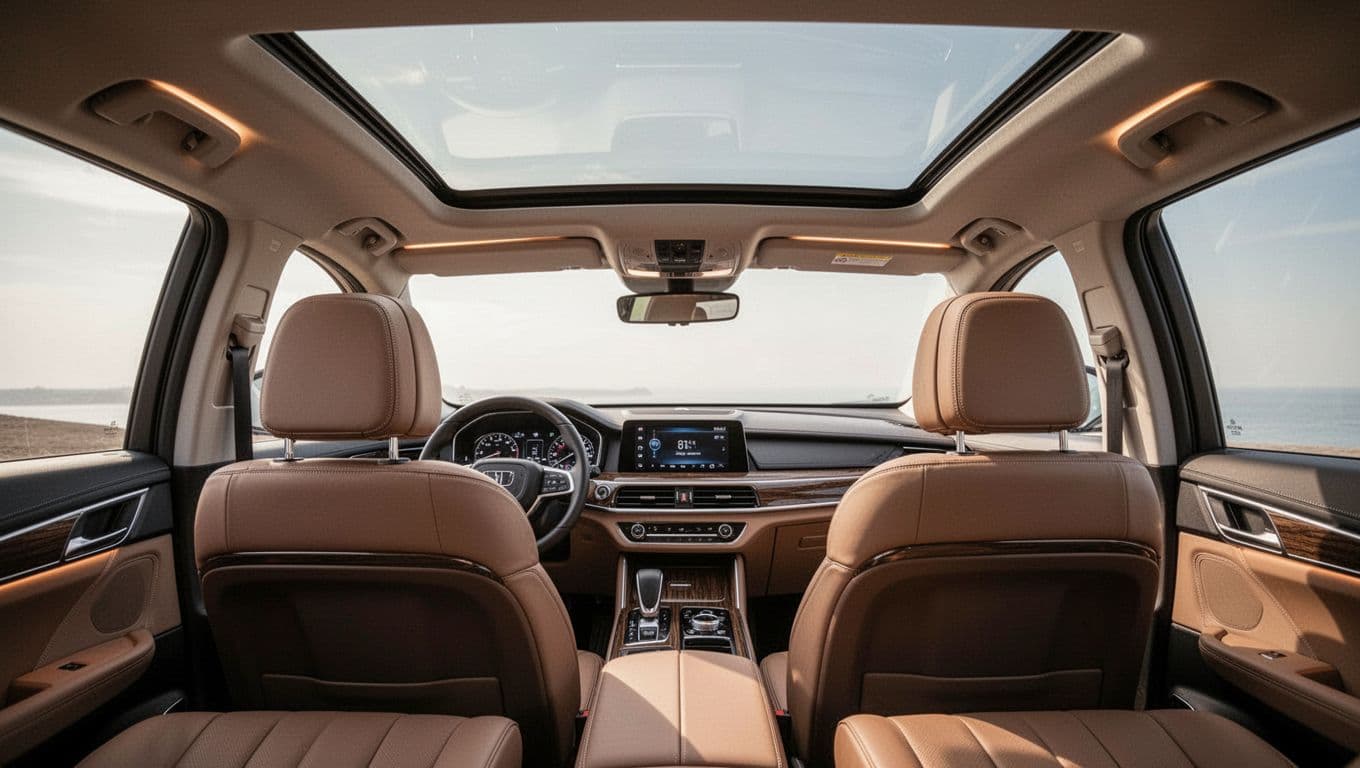
The front seats are especially good on long drives. They have enough support without feeling stiff, and the driving position is low enough to feel connected but still SUV-like. The panoramic moonroof also helps. It adds light and makes the cabin feel more open, which suits the CX-50’s slightly narrow, cockpit-like shape.
Road noise is reasonably well controlled, too. That helps the hybrid feel like a step up from the average commuter box. If comfort and cabin quality matter as much as mpg, the Mazda makes a strong case.
Rear seat and cargo space are good, but not class leaders
The back seat is fine for adults, though taller passengers may notice the lower roofline more than they would in a boxier rival. Legroom is decent, but this isn’t the roomiest option in the segment.
Cargo space tells a similar story. It’s usable, practical, and enough for many households. Yet it doesn’t lead the class, and some rivals make family duty easier because they offer a taller load area or a more generous rear compartment.

If you mostly carry groceries, sports bags, or weekend luggage, you may never care. If you regularly haul strollers, big dog crates, or bulky home-store runs, you probably will.
Infotainment is the weak spot for modern buyers
The biggest cabin disappointment is the infotainment setup. Mazda still avoids a true touchscreen here, and that means there’s a learning curve if you’re used to tapping a big screen at stoplights or in parking lots.
Some drivers will like the simpler, button-heavy approach. Others will see it as dated. That second group may also care that some expected features, such as a 360-degree camera, aren’t part of the package in the way they may hope.
This is one area where the CX-50 Hybrid can feel older than it should. For buyers who want easy tech above all else, that matters. Consumer Reports also flags the model’s strengths and weak spots in its 2026 CX-50 Hybrid overview.
Is the Mazda CX-50 Hybrid worth buying over its rivals
It depends on what annoys you most in the segment. If bland styling and cheap-feeling cabins bother you, the Mazda stands out. If you want the biggest back seat or the easiest tech, another hybrid SUV may fit better.
Here’s the simplest way to frame the competition:
| SUV | Best for | Possible drawback |
|---|---|---|
| Mazda CX-50 Hybrid | Style, cabin feel, better driving manners | Dated infotainment, less cargo space |
| Toyota RAV4 Hybrid | Proven efficiency and broad familiarity | Plainer interior feel |
| Honda CR-V Hybrid | Roomy cabin and easy daily use | Less personality behind the wheel |
| Subaru Forester Hybrid | Practicality and outdoor-friendly image | May feel less upscale |
The table says a lot. The CX-50 Hybrid is the emotional pick in a class that often feels built by spreadsheet.
Who should buy it, and who may want another hybrid SUV
Buy the CX-50 Hybrid if you want great fuel economy, handsome styling, and a cabin that feels a step above the norm. It fits drivers who spend hours commuting but still want something with personality in the driveway.
Look elsewhere if cargo room and rear seat space matter most. The same goes for shoppers who want the most intuitive infotainment system or a more relaxed engine note during hard acceleration.
Final verdict on value, comfort, and daily livability
This SUV earns a recommendation, with a few clear warnings attached. It gets the big things right: mpg, looks, comfort, and a driving feel that beats many hybrid rivals.
Value depends on trim and local pricing, of course. Current listings place it roughly in the mid-$30,000 to low-$40,000 range, depending on equipment and market. If you want to compare versions, Cars.com has a helpful 2026 CX-50 Hybrid specs and pricing page.
The catch is that you have to live with the weak infotainment interface, the CVT drone when pushed, and cargo space that doesn’t lead the pack. For the right buyer, those are acceptable trade-offs.
The hook at the start still holds true. A hybrid SUV doesn’t have to feel like a compromise, and the CX-50 Hybrid proves that more often than not.
Its best qualities are easy to feel every day: excellent fuel economy, a cabin with real warmth, and road manners that are better than average for this class. If those matter more to you than flashy tech or maximum cargo room, this is one of the more appealing compact hybrids on sale right now.


 admin
admin