 admin
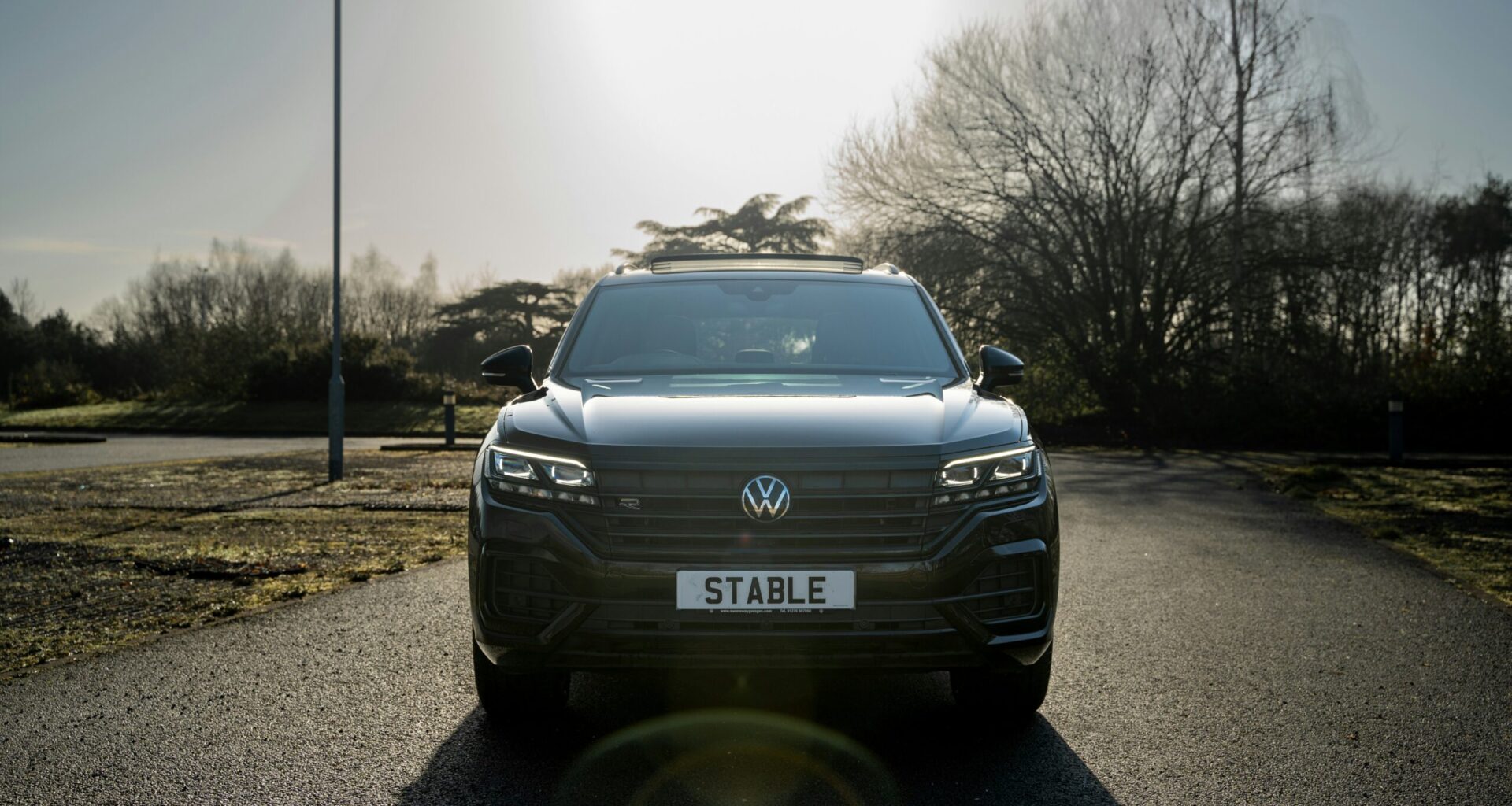
adminPicking a three-row SUV sounds simple until you sit in the third row of a few rivals. Some look great on paper, then feel cramped, busy, or oddly tiring in daily use. This volkswagen atlas review gets to the point: the Atlas stands out because it gives families real space, easy manners, and strong value without jumping to a full-size SUV.
For 2026, the formula stays straightforward. Every Atlas uses a 269-hp turbocharged four-cylinder, an eight-speed automatic, and a roomy seven-seat layout. Pricing starts at about $39,310. It isn’t perfect, though, because the infotainment still lacks sparkle and the cabin doesn’t have the wow factor of some competitors.
How the 2026 Volkswagen Atlas drives day to day
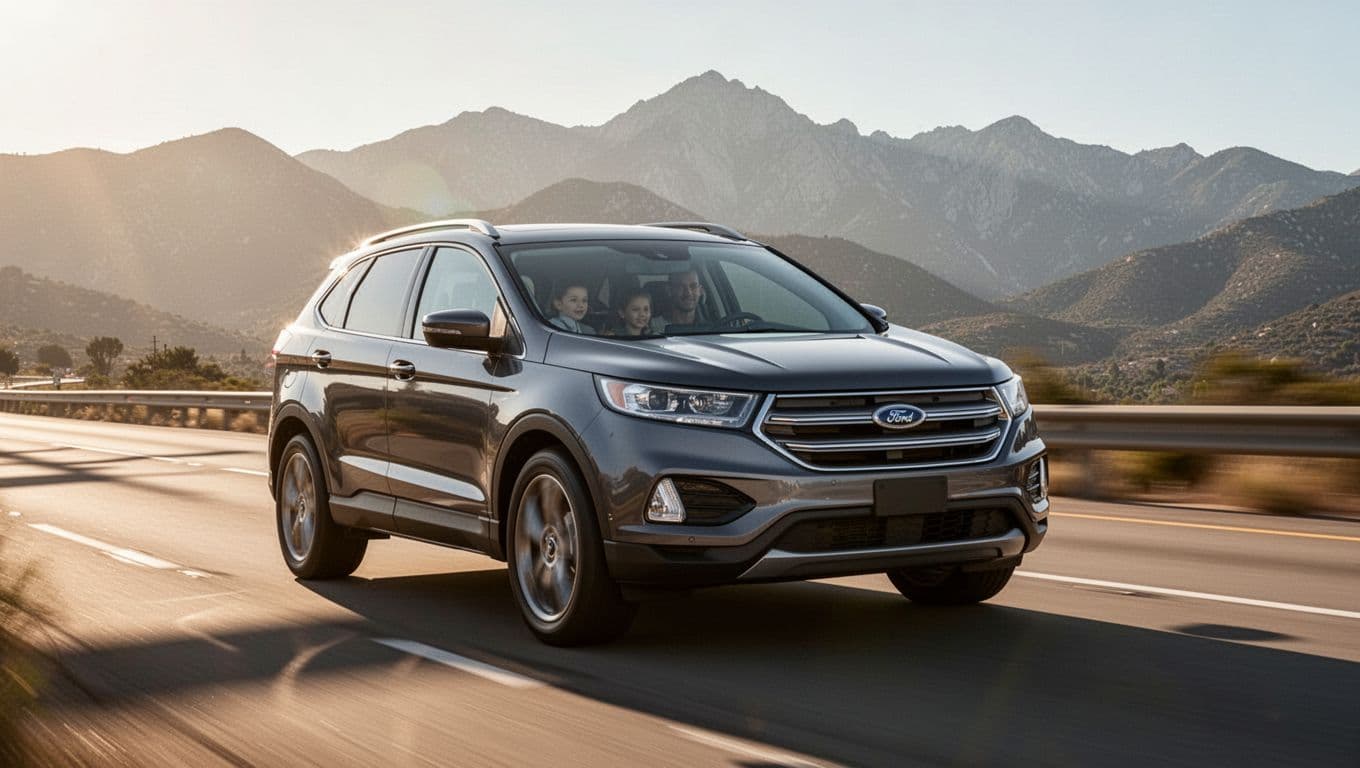
The Atlas feels built for normal life, not for bragging rights. That matters. In traffic, school pickup lines, and long interstate runs, it feels calm and easy to place. The 2.0-liter turbo four makes 269 horsepower and 273 lb-ft of torque, and it pairs well with the eight-speed automatic. As a result, the Atlas moves with more urgency than some shoppers may expect.
It also posts a respectable 0 to 60 time of about 7.3 seconds, which is plenty for a family SUV. According to Car and Driver’s Atlas specs and review, the current powertrain backs up that real-world impression with solid numbers, competitive towing, and a broad price spread.
The turbo four is better than it sounds
Some buyers still worry when they hear that the old V6 is gone. That’s understandable, because a big three-row SUV seems like it should have a six-cylinder. On the road, though, the Atlas rarely feels underpowered.
The reason is torque. Peak twist arrives low enough that the SUV steps away from lights with less strain than the old V6 often did. Passing on a two-lane road feels easier, and merging onto a fast highway takes less planning. Even with a full load of people and bags, the Atlas stays composed.
Fuel economy helps the case, too. Front-wheel-drive models are rated around 20 mpg city and 27 mpg highway, while AWD versions sit close behind. If you tow, properly equipped models can pull up to 5,000 pounds, which is a useful number for a small camper or boat.
Comfort matters more than sportiness in a family SUV
The Atlas doesn’t pretend to be athletic, and that’s fine. Its ride is smooth over broken pavement, the seats stay comfortable on long trips, and highway tracking feels relaxed instead of twitchy. Light steering makes parking simple, which matters more in a crowded lot than sharp cornering ever will.
The Atlas feels easiest when life gets messy, full seats, full cargo area, full day.
Handling is decent for its size, but this isn’t the fun pick in the segment. Push hard into curves and you feel the weight. Still, most families won’t care, because the Atlas does the basics well. It cruises quietly, absorbs rough roads well enough, and keeps the driver from working too hard.
Inside the Atlas, space is the biggest reason to buy one
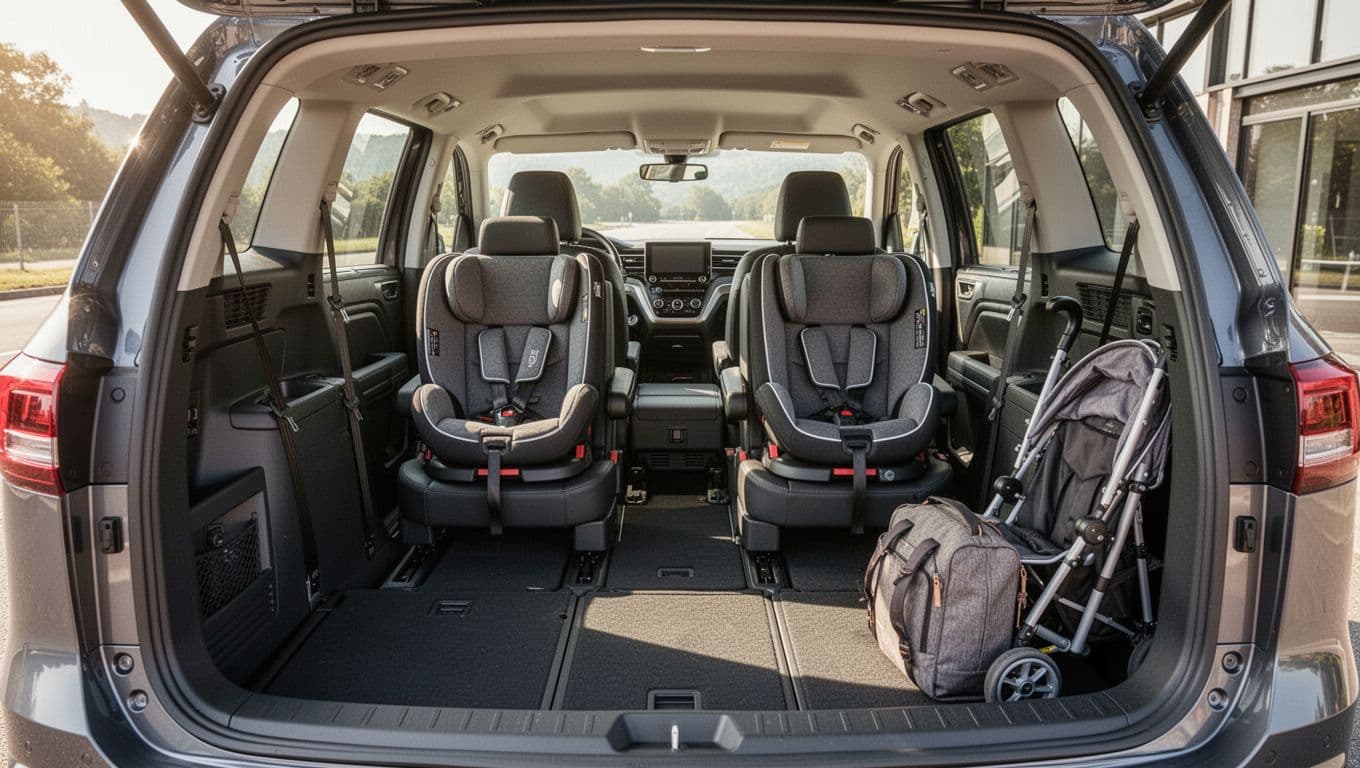
This is where the Atlas earns its place. The cabin is wide, open, and easy to use. Seating for seven comes standard, and unlike many midsize SUVs, the third row isn’t there only for emergencies. Adults can fit back there for short trips without feeling folded up like lawn chairs.
Volkswagen also gets the family details right. There are climate vents in every row, storage spaces where you want them, and easy access to the back. Heated and ventilated front seats are standard, which is a nice touch at this price. Cargo space is also strong, with 20.6 cubic feet behind the third row and up to 96.6 cubic feet with seats folded.
A third row adults can actually use
Many three-row SUVs promise seven- or eight-passenger seating. Fewer make the last row feel honest. The Atlas does. That’s one reason it keeps showing up on family shopping lists, and Driving.ca’s family-focused review reaches a similar conclusion.
Legroom in back is good enough that teens won’t complain right away, and adults can survive a dinner run or airport trip without misery. The second row slides and folds easily, so access isn’t a fight. If you regularly carry grandparents, friends, or bigger kids, that extra usability becomes a real advantage.
By contrast, some rivals feel tighter in row three, especially once the front seats are set for taller adults. The Atlas doesn’t feel luxurious back there, but it feels usable. That’s a big difference.
Cargo room that works for strollers, sports gear, and road trips
The Atlas is practical in the way a family SUV should be. With all seats up, there’s enough room for grocery bags, a folded stroller, or a few duffels. Drop the third row and the space grows quickly, which helps for Costco runs, soccer weekends, or a pair of large suitcases plus backpacks.
On a road trip, the cabin doesn’t force hard choices. You can bring a cooler, a few soft bags, and still keep everyone seated. Airport duty is easier, too. That’s not exciting copy, but it’s the sort of thing owners notice every week.
The Atlas also feels thoughtful when you’re loading real stuff, not just measuring cubic feet. The cargo floor is easy to use, and the boxy shape helps. Space isn’t wasted on swoopy styling.
Tech, safety, and trim levels, what you get for the money
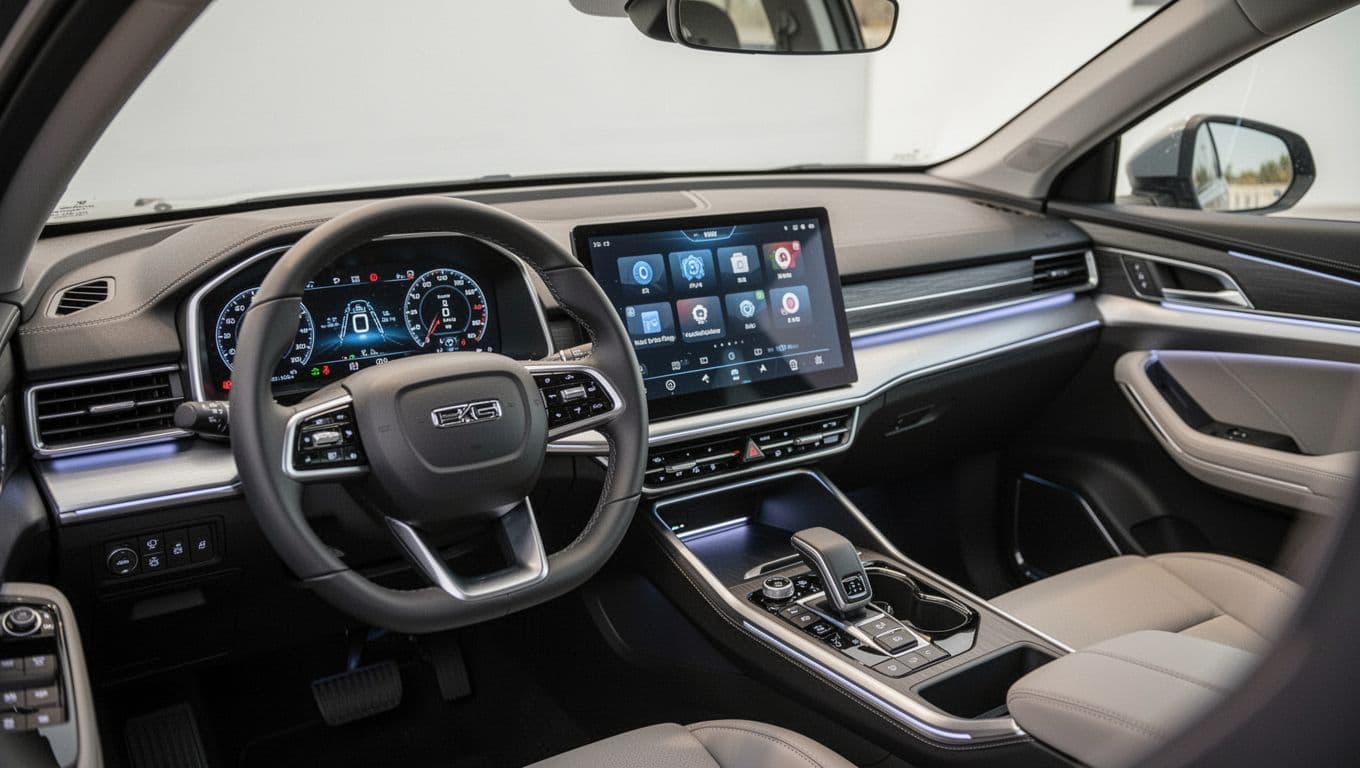
Volkswagen gives the Atlas a healthy feature list right from the start. Every model gets a 12-inch touchscreen, Digital Cockpit Pro, wireless Apple CarPlay, wireless Android Auto, wireless charging, and three-zone climate control. Standard driver aids include forward collision warning, automatic emergency braking, adaptive cruise control, lane assist, blind-spot monitoring, and auto high beams.
At the time of writing, full 2026 crash ratings from NHTSA and IIHS were not yet published. That doesn’t mean the Atlas lacks safety gear, only that the latest official scores weren’t available yet.
This quick trim view helps put the lineup in context:
| Trim | Starting MSRP | Best for |
|---|---|---|
| SE FWD | $39,310 | Budget-minded families who still want strong standard features |
| SE AWD | $41,210 | Buyers in snow states who want extra traction |
| SEL AWD | $49,620 | Shoppers who want more comfort and upscale touches |
| SEL Premium R-Line AWD | $54,630 | Buyers who like the top look and most equipment |
The range is broad enough to make sense, although the upper trims start brushing against stronger luxury-adjacent alternatives. For another snapshot of pricing and trim spread, CarGurus’ 2026 Atlas overview tracks the same rough range.
The best Atlas trim for most families
For most buyers, the sweet spot is the SE with Technology or the plain SE if price matters most. The reason is simple. The base Atlas already includes many of the features families care about every day, so you don’t need to climb the ladder just to avoid feeling shortchanged.
The middle of the lineup makes the most sense because it adds flexibility without turning the Atlas into a $55,000 purchase. If towing matters, pricing that trim first is smart, since the 5,000-pound maximum applies when properly equipped.
The main tech drawback to know about
The Atlas cabin is easy to understand, but the tech presentation still trails the class leaders. The screen is large, yet the graphics can feel dated. Some menus also ask for more attention than they should, which isn’t great when you’re driving kids around.
Climate controls are a common complaint. A recent Philadelphia Inquirer review of the 2026 Atlas called out the HVAC setup for being more frustrating than it should be. That’s not a deal-breaker, but it’s worth trying in person before you buy.
Is the Volkswagen Atlas worth it next to the Honda Pilot, Toyota Highlander, and Kia Telluride
The Atlas makes the strongest case if space is your first filter. It gives you a genuinely useful third row, lots of cargo room, solid power, and a relaxed driving feel. It also offers strong feature value, especially on lower trims, and its 5,000-pound tow rating adds more flexibility than some buyers expect.
The Honda Pilot feels more polished overall, with a more complete all-around personality. The Kia Telluride has richer styling and a cabin that feels more special at first glance. The Toyota Highlander still appeals to shoppers who place a high value on Toyota’s long-running reputation.
Who should buy the Atlas
The Atlas fits families who use all three rows often and don’t want to jump to a truck-like full-size SUV. It’s also a smart pick for buyers who need room for people and gear at the same time. If your weekends involve strollers, sports bags, and occasional towing, the Atlas makes everyday life easier.
Who may be happier with a rival
Style-first shoppers may lean toward the Telluride. Buyers who want the most polished all-around drive may prefer the Pilot. And if long-term brand trust matters above all else, the Highlander will still hold strong appeal.
This is the key split: choose the Atlas for usefulness, not flash. If that sounds like your priority, it makes a lot of sense.
The 2026 Atlas isn’t the most exciting three-row SUV on sale, but that’s not really the point. Its biggest strengths are the ones families live with every day: a roomy cabin, a truly usable third row, solid turbo power, and relaxed ride comfort.
Its weak spots are also clear. The infotainment presentation feels less polished than the best rivals, and the interior doesn’t have the same wow factor as a Telluride. Still, if your top priority is a useful midsize SUV that makes family duty easier, the Atlas deserves a spot near the top of your test-drive list.

 admin
admin