 admin
adminA lot of midsize SUVs feel like appliances on wheels. This Mazda CX-70 review starts from a different place, because the CX-70 is built for buyers who want something sharper, quieter, and more satisfying to drive.
It’s a two-row midsize SUV for people who need more space than a sedan gives them, but don’t want to move into a full three-row family hauler. It also shares much of its platform with the CX-90, and that matters if you’re comparing size, value, and everyday usefulness. As of April 2026, pricing starts around $42,250, and you can choose either a gas mild-hybrid six-cylinder or a plug-in hybrid.
The Mazda CX-70 stands out with sharp looks, strong engines, and standard AWD
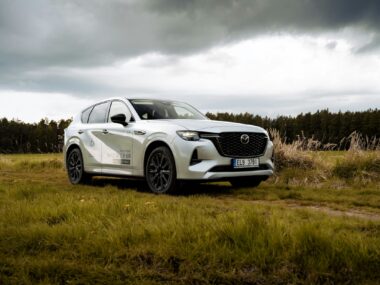
The CX-70 makes a strong first impression. It looks long, low, and more expensive than most mainstream rivals. Mazda’s styling works well here, because the body avoids the tall, boxy look that many midsize SUVs wear.
More importantly, the CX-70 backs up that style with substance. Every version comes with standard all-wheel drive, and the platform has a rear-biased feel that gives it better balance than many front-heavy competitors. The whole package leans upscale, almost like Mazda wants one foot in the luxury class without charging luxury-brand money. A recent CarNewsCafe review makes a similar point, noting how closely the CX-70 tracks with entry-luxury SUVs in character.
Gas and PHEV powertrains give buyers two very different ways to drive
The gas lineup uses a 3.3-liter turbocharged inline-six with a 48-volt mild-hybrid system. In standard form, it makes 280 horsepower. Step up to the Turbo S models, and output rises to 340 horsepower. Every gas CX-70 uses an eight-speed automatic.
That setup fits drivers who want easy highway passing power and a smoother, richer sound than a four-cylinder can provide. The inline-six also gives the CX-70 a more premium feel, because it doesn’t have to work as hard in normal driving.
The plug-in hybrid takes a different path. It pairs a 2.5-liter four-cylinder with an electric motor for a total of 323 horsepower. If your daily routine includes short commutes, errands, and home charging, the PHEV makes a lot of sense. If you spend most days on long highway runs, the gas six may feel simpler and more natural.
Performance is a real highlight, especially if you enjoy a more athletic SUV
This is one of the few midsize SUVs that feels eager instead of merely competent. Steering is precise, body motions stay controlled, and the chassis feels more tied down than what you’ll find in many rivals.
Reported 0 to 60 times land at about 7.3 seconds for the 280-hp version and about 6.5 seconds for the Turbo S. Those aren’t sports-car numbers, but they are quick enough to make merging and passing feel easy. A Consumer Reports road test report also points to the CX-70’s more polished road manners versus the average family crossover.
The tradeoff is ride feel. Mazda tunes this SUV to feel connected, so it can seem firmer than softer rivals. For many drivers, that’s a fair swap.
Inside the CX-70, the cabin feels more premium than most SUVs in this price range
If there’s one reason to put the CX-70 high on your list, it’s the cabin. Mazda doesn’t simply make it look upscale in photos. The interior feels thoughtfully assembled, and that matters every day.
The CX-70 seats five, and that’s the point. Instead of squeezing in a tiny third row, Mazda uses the space for passenger comfort and cargo flexibility. With the rear seats folded, cargo space reaches about 75 cubic feet, which gives it real usefulness for road trips, Costco runs, and bulky gear. For official specs and packaging details, Mazda’s product page is a useful reference.
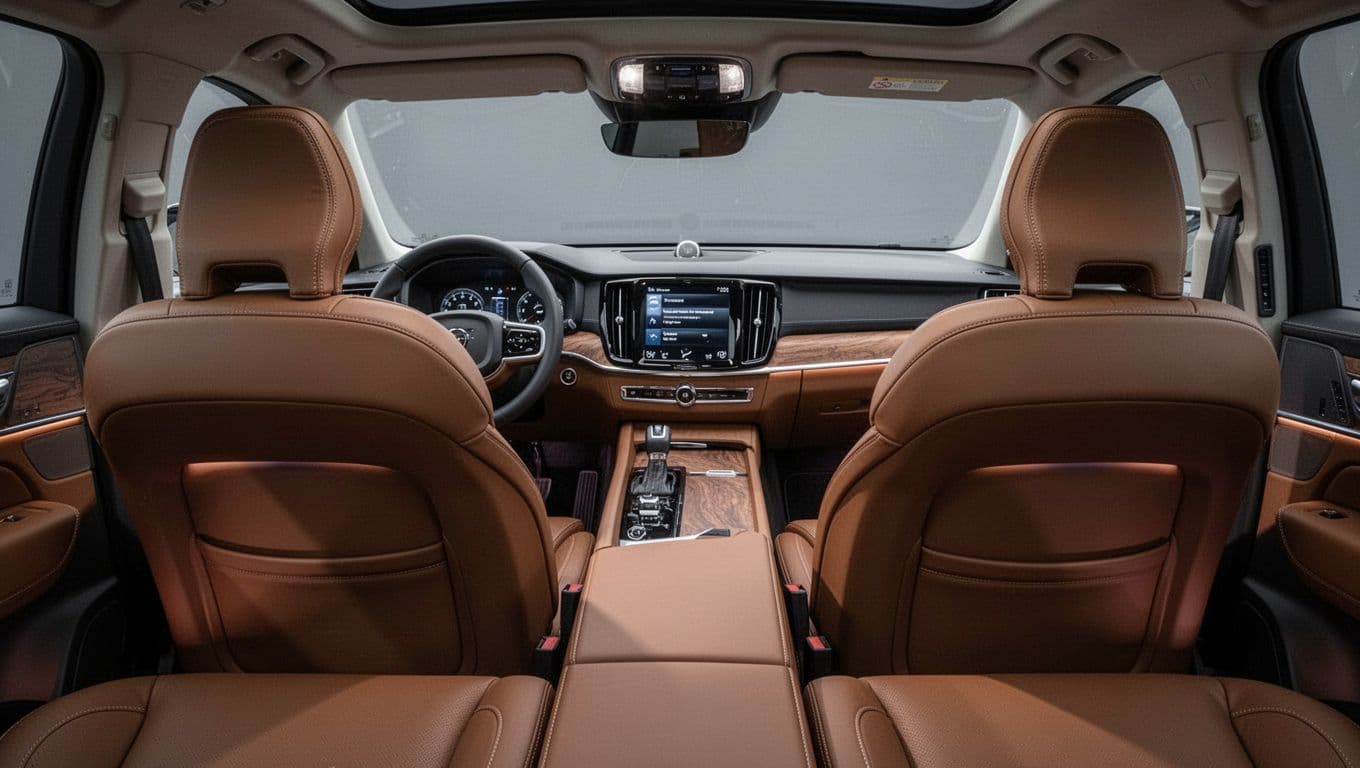
The front seats, materials, and quiet ride give the CX-70 an upscale feel
Even lower trims feel nicer than expected. As of 2026, heated and ventilated front seats and a heated steering wheel are standard across the lineup, which is a strong value move. Higher trims add Nappa leather, a panoramic moonroof, Bose audio, a head-up display, and digital gauges.
The dashboard design looks clean without feeling stripped down. Materials on major touch points feel rich, and road noise stays well controlled at highway speeds. In other words, the CX-70 feels closer to an Acura or Lexus gateway SUV than to the average family crossover.
There are a few small tradeoffs. Mazda’s infotainment approach still isn’t the simplest in the class, and some buyers may prefer larger touch-heavy screens. Still, the overall cabin quality is a win.
Cargo room is generous, but this Mazda gives up the third row some rivals offer
The CX-70’s two-row layout gives it a cleaner purpose. You get a large rear cargo area, a roomy second row, and no awkward extra seats folded into the floor. That’s great if you rarely carry more than four or five people.
Still, families with carpools or regular grandparent duty may want the extra flexibility of a three-row model. The CX-90, Honda Pilot, and Toyota Highlander make more sense if extra seating is part of your weekly routine. As The Drive’s review puts it, the key question is simple: do you need that third row or not?
If the answer is no, the CX-70 becomes much easier to like.
Pricing, trims, and fuel economy will shape which Mazda CX-70 makes the most sense
The CX-70 covers a pretty wide price range. That’s good for choice, but it also means shoppers should be selective. Every model gets AWD, which helps justify the entry price, though premium paint can add cost.
Here’s the basic 2026 trim picture:
| Trim | Starting price |
|---|---|
| 3.3 Turbo Preferred | $42,250 |
| 3.3 Turbo Premium | $46,280 |
| 3.3 Turbo Premium Plus | $49,570 |
| 3.3 Turbo S Premium | $53,240 |
| 3.3 Turbo S Premium Plus | $56,670 |
| PHEV SC | $44,250 |
| PHEV SC Plus | $47,250 |
The takeaway is pretty clear: the CX-70 starts reasonably, but higher trims push close to luxury-brand money.
Which trim is the sweet spot for features and value
For most buyers, a mid-level gas trim looks like the smart pick. The 3.3 Turbo Premium or Premium Plus gives you the strong six-cylinder, a richer feature set, and the premium cabin feel that makes this SUV special.
Go Turbo S if performance matters to you. The extra power is noticeable, and upper trims feel genuinely upscale. That said, once you climb into the mid-$50,000 range, you should cross-shop carefully.
Buyers on a budget should avoid chasing every shiny option. The CX-70 is appealing because even the lower trims don’t feel cheap.
Fuel economy is solid for gas models, while the PHEV is the efficiency play
Gas models are rated at about 23 mpg city, 28 mpg highway, and 25 mpg combined, which is respectable for a roomy AWD midsize SUV with a turbo inline-six.
The PHEV is the mileage-minded choice, with about 61 MPGe combined and roughly 30 miles of electric range, or low-30s depending on the source you read. A week-long Tom’s Guide review highlights the same benefit: it can cover short daily driving without burning much gas.
That advantage fades on longer trips, though. Once the battery is spent, it’s still carrying extra plug-in hardware. So the PHEV works best if your daily pattern fits the battery.
How the Mazda CX-70 compares with the CX-90 and other midsize SUV rivals
The biggest shopping question isn’t whether the CX-70 is good. It’s whether it’s the right kind of good for you.
Against the CX-90, the answer comes down to seats. The CX-90 gives you a third row, while the CX-70 gives you a cleaner two-row mission. Against the Toyota Highlander and Honda Pilot, the Mazda wins on cabin richness and driving feel, but loses some points on outright family flexibility.
Choose the CX-70 if you want two rows, better handling, and a near-luxury cabin
The CX-70 fits couples, empty nesters, small families, and anyone who cares about how an SUV feels from behind the wheel. It also works well for buyers who want cargo room without driving something that looks or feels oversized.
By contrast, the Highlander and Pilot are easier family tools. They prioritize seating, storage solutions, and broader kid-hauling duty. A quick CX-70 vs. Highlander comparison shows that split clearly.
If you want an SUV that feels polished every time you climb in, the Mazda has a strong case.
The biggest pros and cons are easy to spot once you know your priorities
The pros are straightforward. The CX-70 offers sharp handling, a premium interior, useful cargo space, standard AWD, and strong engine choices. It feels more special than many mainstream rivals, and that alone will matter to the right buyer.
The cons are just as clear. There’s no third row, upper trims get expensive fast, and the PHEV won’t pay off for everyone. Also, if you want the softest ride or the easiest infotainment setup, some competitors do those jobs better.
That makes the CX-70 less of an all-purpose answer and more of a targeted one. Happily, it’s very good at the job it chooses.
The best way to sum up this Mazda CX-70 review is simple: this SUV feels tailored for buyers who want more than basic transportation. It drives with more character than most midsize SUVs, and the cabin punches above its badge.
Skip it if you need three rows every week or if maximum value matters more than style and feel. Buy it if you want a two-row midsize SUV with strong power, upscale manners, and enough everyday usefulness to make the premium vibe feel earned.

 admin
admin