 admin
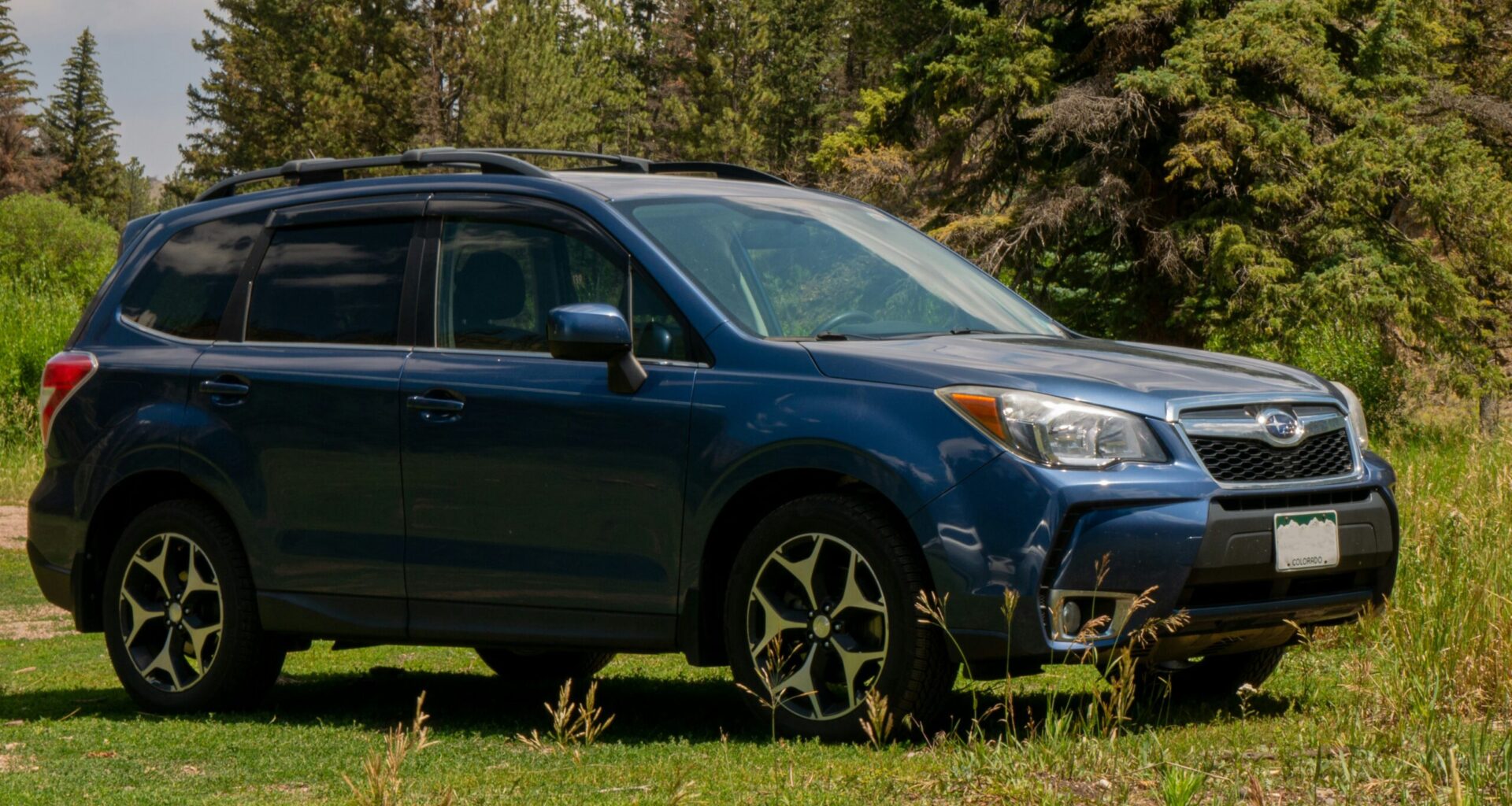
adminSome compact SUVs try to feel sporty. The 2026 Subaru Forester goes another way, and that’s why many buyers will like it. It gives you standard all-wheel drive, big windows, a roomy cabin, and a calm ride that makes daily driving easy.
That focus still defines this Subaru Forester review. The latest model adds a hybrid option, plus updates like a quieter cabin and a stiffer body structure. The result is a small SUV that feels a bit more polished, even if it still puts practicality far ahead of excitement.
What stands out most in the 2026 Subaru Forester
The fast answer is simple. The Forester does the basics better than most rivals. You get standard AWD, strong outward visibility, a roomy back seat, and cargo space that works well for real life. Fold the rear seats, and maximum cargo room reaches 69.1 cubic feet, which is strong for this class.
That matters because compact SUVs often make you trade comfort for style. The Forester doesn’t. It feels built for grocery runs, road trips, bad weather, and weekend gear.
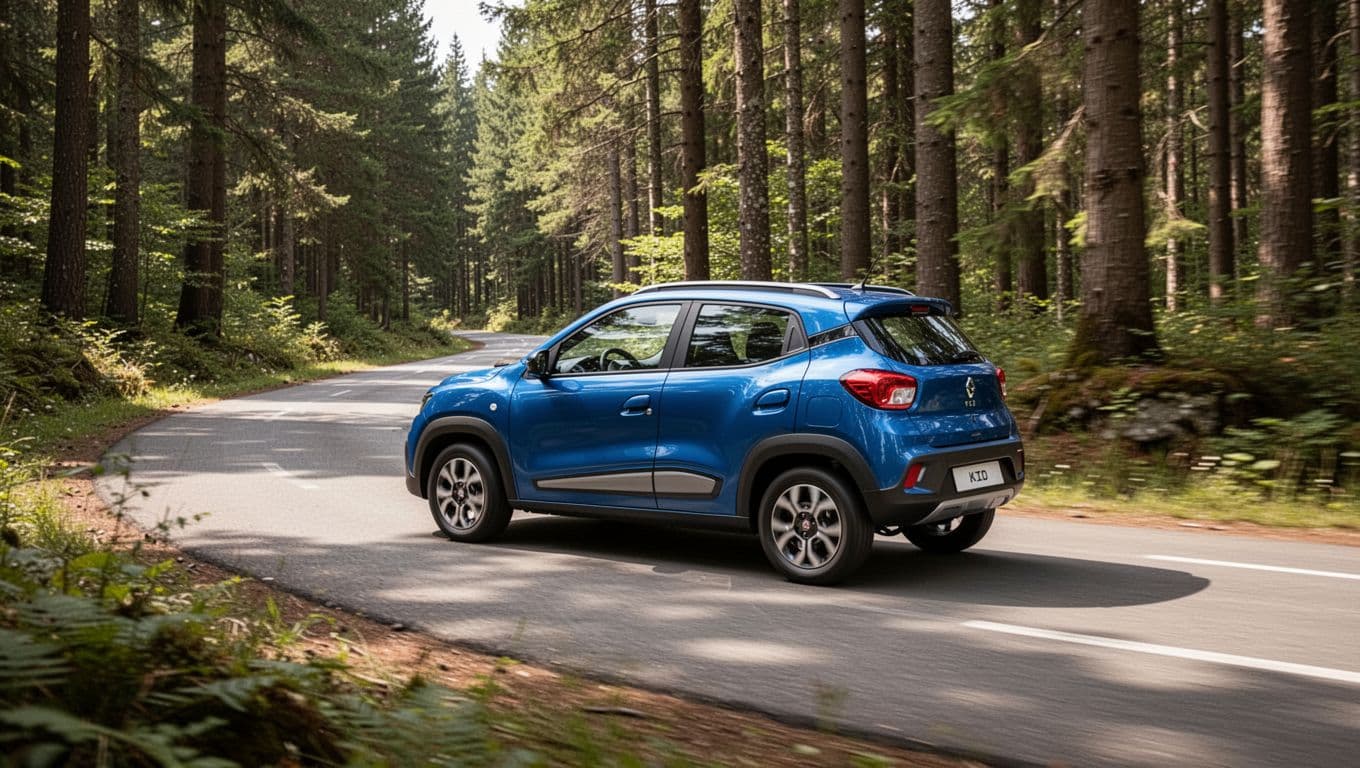
A comfortable, easy-to-drive SUV with real everyday appeal
From the driver’s seat, the Forester feels open and relaxed. The seating position is upright, the windows are large, and sightlines are excellent. In traffic, that makes lane changes and parking less stressful. On longer drives, it helps reduce fatigue.
Ride quality is another plus. Subaru tuned this SUV for comfort, so it absorbs rough pavement without feeling floaty. The 2026 model also benefits from extra body stiffness and better noise control, so the cabin feels calmer than before. Entry and exit are easy too, which sounds small until you do it every day.
For trim details and standard features, Subaru’s trim and specs page lays out the lineup clearly.
Standard all-wheel drive is still a big reason to buy one
Most compact SUV rivals charge extra for AWD. Subaru makes it standard across the lineup, and that still gives the Forester a clear edge for many buyers. In rain, snow, or on an unpaved road, that built-in confidence matters.
This isn’t a rock crawler in normal trims, and it doesn’t pretend to be one. Still, it handles light trail duty, muddy campsites, and winter roads with less drama than many front-wheel-drive competitors. If you want more off-road ability, the Wilderness trim is the one to target. It adds more rugged hardware and can tow up to 3,500 pounds when properly equipped.
The Forester’s appeal is simple: it makes ordinary driving feel easier.
How the Forester drives, gas engine vs hybrid
If you expect quick acceleration, the Forester may feel a bit sleepy. If you want smooth, predictable manners, it makes a stronger case. Subaru tunes this SUV for confidence, not speed. The steering is light, braking feels natural, and the ride stays composed on rough roads.
Gas models use a 2.5-liter flat-four with 180 horsepower and 178 lb-ft of torque, paired with a CVT. That setup is fine for commuting and highway cruising, but it won’t pin you back in the seat.
The gas Forester feels calm and capable, but not fast
In gas form, the Forester feels steady and easygoing. The engine does its job without much fuss, and the CVT behaves well enough in daily use. It doesn’t add any fun, but it usually stays out of the way. Around town, that’s enough.
Performance is adequate, not lively. Independent tests put 0 to 60 mph in the low 8-second range, which is acceptable for the class but nowhere near class-leading. Passing power is okay if you plan ahead.
Fuel economy is better than the relaxed pace might suggest. Many gas trims are rated at about 26 city, 33 highway, and 29 combined mpg. You can check the current EPA figures on FuelEconomy.gov’s 2026 Forester AWD page. For many drivers, that’s a fair return for standard AWD.
The new hybrid improves fuel economy more than performance
The hybrid is the more interesting new option for 2026, but it changes the Forester’s character less than you might think. It brings better efficiency and more driving range, yet most early impressions suggest it still feels polite rather than punchy.
That means the hybrid is best for shoppers who care more about lower fuel bills than faster launches. Reports point to around 35 mpg combined, with city mileage improving the most. Subaru also says the hybrid can stretch range to roughly 581 miles under the right conditions.
If that sounds like your kind of upgrade, this closer look at the 2026 Forester Hybrid gives useful context on price and range. In short, the hybrid makes more sense with your calculator than with your stopwatch.
Inside the cabin, space, tech, and family-friendly features
The Forester’s cabin won’t wow you with drama, and that’s part of its appeal. Everything is laid out in a clear, simple way. Controls are easy to spot, storage is useful, and visibility is among the best in the class.
Most trims now get a larger touchscreen, while the Base trim sticks with a smaller setup. Even so, the bigger story is space. This is one of the easiest compact SUVs to live with day after day.
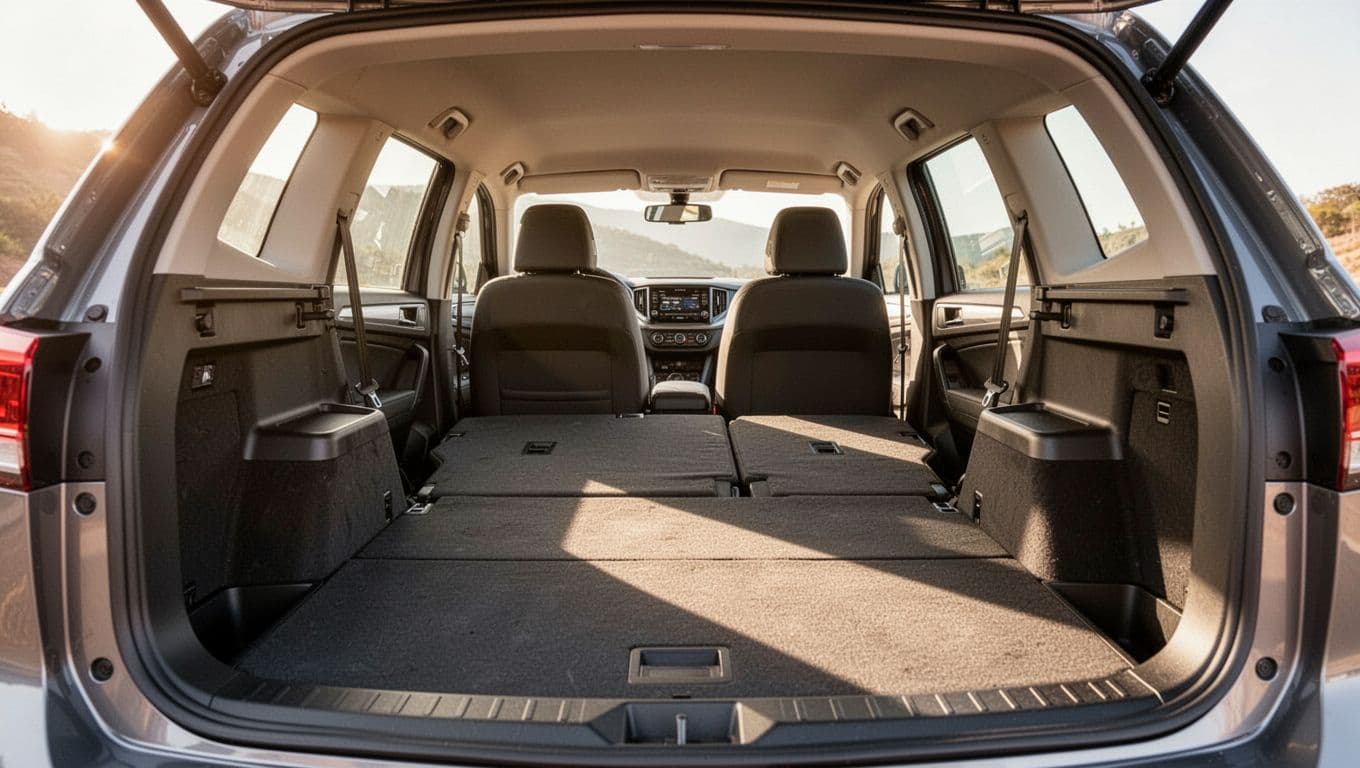
One of the roomiest and easiest compact SUVs for daily life
Families should like the rear seat. Legroom is generous, the bench is easy to access, and wide door openings help with child seats. That may not sound exciting, but it saves time and effort every single week.
Cargo space is just as practical. The load floor is usable, the opening is wide, and folded-seat space is excellent. Whether you’re loading sports gear, luggage, a stroller, or home store boxes, the Forester feels less cramped than many sleek-looking rivals.
Subaru clearly chose function over flashy design, and that was the right call here. Some SUVs look like fashion sneakers. The Forester feels more like a good pair of hiking boots.
Tech and safety features are strong, even if the design is simple
The cabin design is plain, but the useful stuff is there. Depending on trim, you can get blind-spot warning, rear cross-traffic alert, auto headlights, and a strong set of driver-assist features through Subaru’s EyeSight system. Higher trims add more comfort and convenience tech, while the basic driving position remains a safety feature on its own because visibility is so good.
As of April 2026, full 2026 crash-test ratings from NHTSA and IIHS may still be pending, so it’s smart not to assume final results yet. Still, Subaru’s reputation for safety-minded design remains part of the Forester’s value. Good sightlines, AWD, and solid driver aids make a strong daily-use package.
Price, trims, and whether the Subaru Forester is worth it
Pricing is one of the Forester’s main strengths. Gas models start at about $29,995 for the Base trim, then move through Premium, Sport, Limited, Wilderness, and Touring. Most of the lineup lands in the low-to-upper $30,000s, while top hybrid versions reach into the low $40,000s.
This quick table gives the general shape of the lineup.
| Trim | Rough starting price | Best for |
|---|---|---|
| Base | $29,995 | Budget-minded buyers who want AWD standard |
| Premium | $33,385 | Best balance of value and features |
| Sport | $36,105 | Buyers who want a sharper look |
| Wilderness | $38,385 | Light off-road use and higher towing |
| Touring | $41,595 | Comfort and upscale features |
The big takeaway is simple: the lineup is broad, but the middle trims make the most sense for most shoppers.
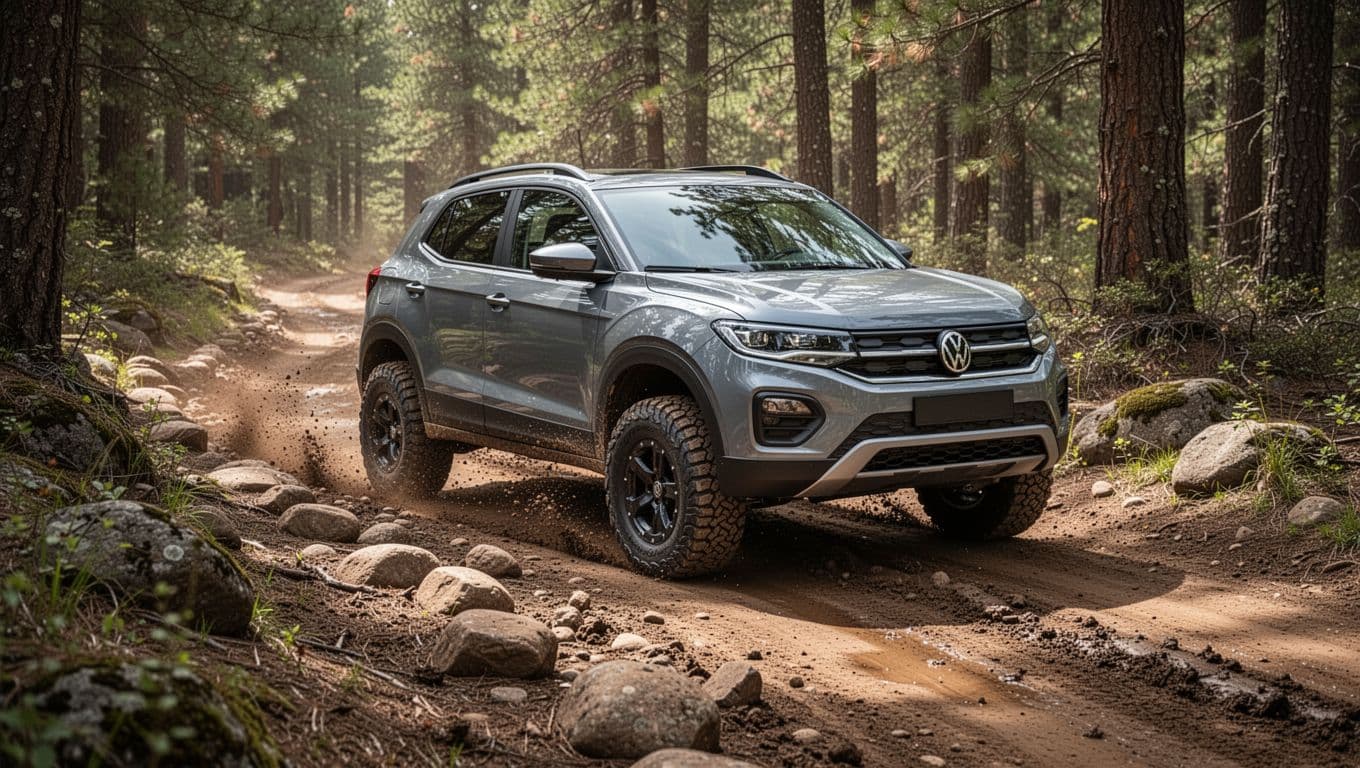
The best Forester trim for most buyers
For most people, Premium is the sweet spot. It keeps the Forester’s strong fuel economy, adds useful comfort and tech features, and doesn’t push the price too far. That’s the trim to start with unless you already know you want something more specialized.
Touring is the nicer choice if comfort matters most. It’s the version for buyers who want heated and ventilated front seats, more upscale trim, and extra convenience gear. On the other hand, Wilderness is for people who will use its tougher setup. If your weekends include dirt roads, campsites, or small trailers, it earns its price.
For exact gas-trim pricing and equipment, Subaru’s gas trim comparison is handy.
How it stacks up against the RAV4, CR-V, and Tucson
The Toyota RAV4 Hybrid still looks stronger if fuel economy is your top goal. The Honda CR-V remains one of the best all-around rivals, with a polished road feel and smart packaging. Meanwhile, the Hyundai Tucson often feels more modern inside and can come across as quicker in normal driving.
The Forester fights back in clear ways. It gives you standard AWD, excellent visibility, strong passenger space, and calm bad-weather confidence without making you climb to a pricey trim. That makes it easy to recommend to buyers in snowy states, active families, and anyone tired of small SUVs with tiny windows.
If you want one sentence from this Subaru Forester review, here it is: buy it for ease, comfort, and confidence, not for speed.
The 2026 Forester is a smart pick for people who want a compact SUV that does the daily stuff well. It’s roomy, easy to see out of, comfortable on rough roads, and reassuring when the weather turns bad. The new hybrid also makes the lineup more appealing for drivers who care about mpg.
Still, some rivals will suit other tastes better. If you want quick acceleration or the best fuel economy in the class, look elsewhere first. But for families, commuters in snowy climates, and outdoor-minded drivers, the Forester remains one of the most sensible choices in the segment.

 admin
admin