 admin
adminYou don’t search for a kia carnival review because you want a lecture on minivans. You search because you want to know if this thing is good enough to replace an SUV without feeling like a downgrade.
That’s the Carnival’s whole pitch. It gives you real three-row family space, sliding doors, and road-trip practicality, but it wraps all of that in sharper styling that looks closer to a big crossover. For many buyers, that’s the hook.
This review keeps it simple. Here’s how the 2026 Kia Carnival looks, feels, drives, and stacks up when comfort, tech, fuel costs, and value all matter at once.
If you want a quick look at the updated Carnival’s design, this walkaround helps, even though it shows an overseas version.
What the 2026 Kia Carnival gets right from the start
The Carnival makes sense almost right away. In the US, gas trims start just under $39,000, while hybrids start in the low $40,000s. Load one up, and the price can stretch past $55,000, with some versions brushing the high $50,000 range.
That sounds like a lot until you look at what you get. The Carnival offers room for seven or eight passengers, a polished cabin, solid standard tech, and styling that doesn’t scream “school pickup line.” As a result, it feels less like a penalty box and more like a smart tool for real life.
It also covers a wide range of shoppers. A base model works for families who want space and value. Higher trims lean upscale enough to make near-luxury crossovers look a bit silly on price. For a broader look at trims and MSRP, MotorTrend’s Carnival overview gives a useful snapshot.
SUV-inspired styling that feels more modern than a typical minivan
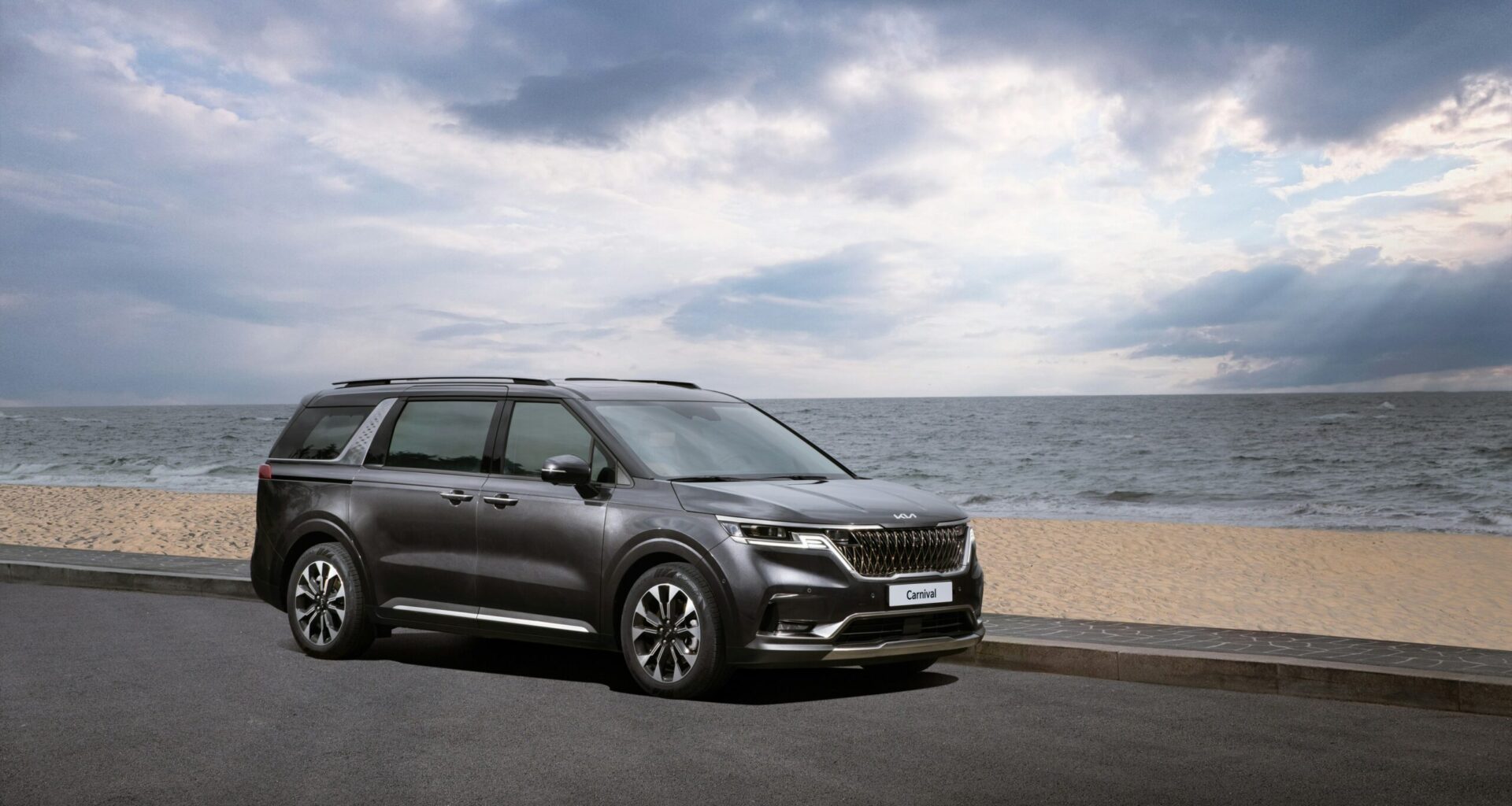
This is one of the Carnival’s biggest wins. The front end is upright and bold, the headlights look crisp, and the body sides have more structure than the rounded shapes many vans still wear.
That matters because a lot of buyers want van function without van vibes. The Carnival doesn’t pretend to be a truck, but it does avoid the soft, anonymous look that turns some families away from the segment. Park it next to older-school vans, and it stands out fast.
A trim lineup that gives buyers real choice
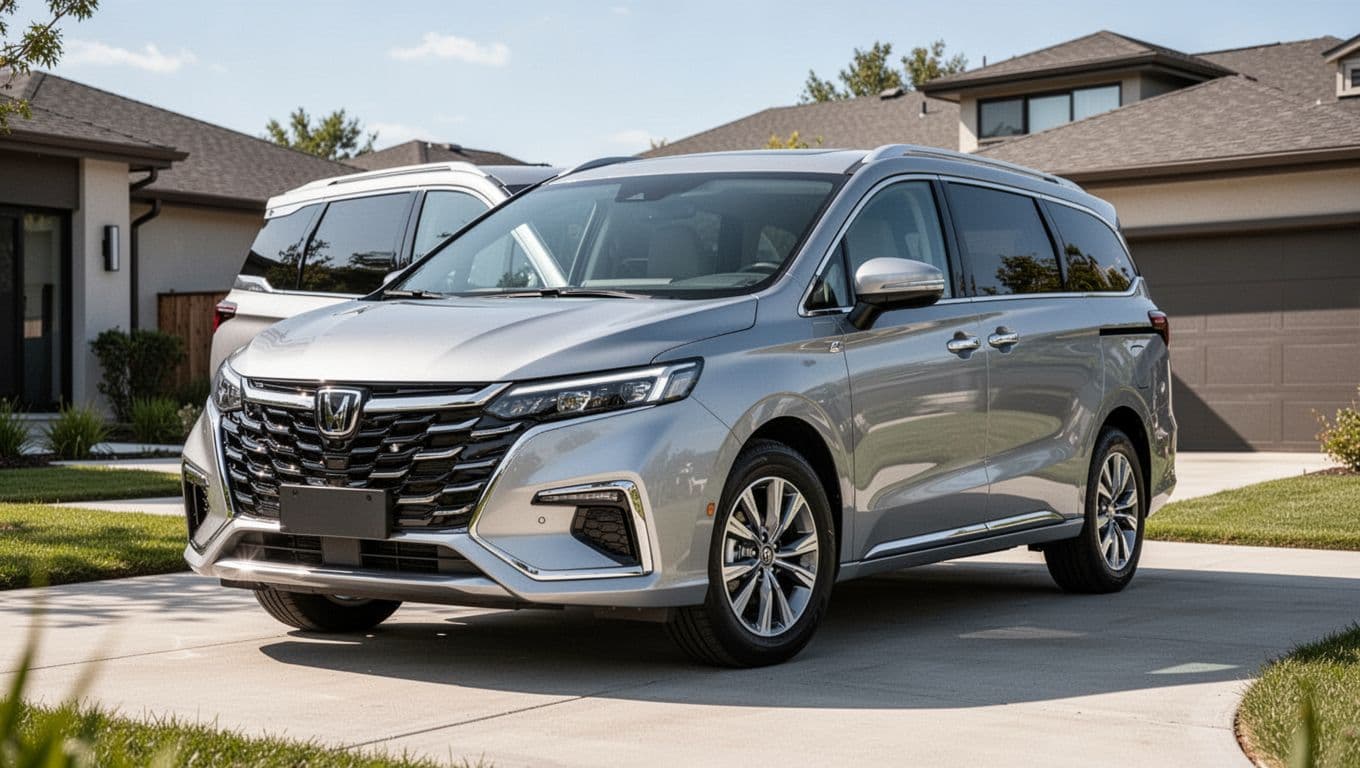
Kia keeps the menu familiar. You’ll see trims like LX, EX, SX, and SX Prestige, depending on powertrain and seating setup. That makes the range easy to understand.
The gas V6 lineup is still the easier entry point if budget matters most. Meanwhile, the hybrid gives shoppers a more efficient option without forcing them into a stripped model. That’s important because some family vehicles make you choose between thrift and comfort. The Carnival usually doesn’t.
Inside the Kia Carnival, comfort, space, and family-friendly features matter most
Cabin space is where the Carnival earns its keep. The seating is roomy, the step-in height is easy for kids and grandparents, and the interior feels thoughtfully laid out. Even before you notice the screens or trim pieces, the van gives off a calm, useful vibe.
Higher trims push that further. Materials improve, the dashboard looks more upscale, and the whole cabin feels closer to a large family SUV than a basic van. Still, the practical stuff matters more. The wide-opening sliding doors and easy third-row access make daily use less of a chore.
Room for kids, adults, and road trip gear
The first two rows are comfortable enough for long drives, and the third row is more usable than many three-row SUVs. Adults can fit back there without folding up like lawn chairs, which can’t be said for every rival outside the minivan class.
Cargo room is strong too, especially behind the third row. There’s enough space for groceries, strollers, sports bags, or airport luggage without instant Tetris. Still, some rivals offer a little more flexibility when you start folding and reconfiguring seats.
The optional second-row VIP lounge seats sound great on paper. They do add a premium feel. However, they also cut into the flexibility many families want from a van. If you haul people, pets, and bulky gear in constant rotation, the simpler seat layouts may fit your life better.

Tech features that make everyday driving easier
Kia has done a nice job here. Available dual 12.3-inch displays give the dash a modern look without feeling fussy. Wireless Apple CarPlay and Android Auto make short trips easier, and the center console storage is useful instead of decorative.
Family features help too. Quiet Mode can lower audio in the rear, which sounds small until you’re driving a sleeping child home. In addition, camera views, charging options, and clear controls make the Carnival feel easy to learn. SlashGear’s hybrid review makes a similar point about the Carnival’s polished day-to-day feel.
How the Kia Carnival drives, and whether the gas or hybrid model makes more sense
The Carnival drives better than many people expect. It doesn’t hide its size, but it also doesn’t lumber around like a bus. Ride quality is smooth, the cabin stays fairly quiet, and the van feels settled on the highway.
The real choice comes down to powertrain. The gas model gives you stronger straight-line power. The hybrid gives you better efficiency and a calmer ownership experience if you rack up miles.
This quick comparison shows the big difference:
| Version | Power | Drivetrain | Combined MPG |
|---|---|---|---|
| Gas 3.5-liter V6 | 287 hp | Front-wheel drive | 21 |
| Hybrid | 242 hp | Front-wheel drive | About 32 |
The takeaway is simple. The V6 feels stronger, but the hybrid changes the cost picture over time.
Gas V6 performance, smooth ride, and easy highway power
The 3.5-liter V6 makes 287 horsepower, and that strength shows up in everyday driving. Merging is easy, passing doesn’t require planning, and the Carnival feels more relaxed with a full load of people and bags.
That’s a real plus if you drive on fast interstates or take long summer trips. The suspension stays composed, and the cabin keeps road noise in check well enough that conversations don’t turn into shouting matches.
There are limits, of course. Front-wheel drive is your only choice, so buyers in snow-heavy states may still wish Kia offered AWD. The steering also isn’t especially sharp. It’s light and easy, which suits a family van, but some drivers may find it a bit loose.
If you want the strongest, easiest-driving Carnival for highway use, the V6 still makes a strong case.
Why the hybrid is the smarter pick for many families
On paper, the hybrid gives up horsepower. In normal driving, that matters less than you’d think. Around town, it feels smooth, quiet, and well-mannered. Unless you drive hard or carry a full load up steep grades all the time, it should satisfy most families.
Fuel economy is the real reason to buy it. The gas model sits around 21 mpg combined, while current US specs for the hybrid land in the low 30s combined. That gap adds up fast if you’re commuting, doing school runs, and piling on weekend miles.
The hybrid also fits the Carnival’s character. This van works best when it’s calm, quiet, and easy, and the hybrid leans into that. For more pricing and specs on that version, Car and Driver’s Carnival Hybrid page is a handy reference.

Safety, value, and the few downsides shoppers should know before buying
Kia gives the Carnival a strong list of driver aids, and that matters in a vehicle meant to carry families every day. Features such as automatic emergency braking, blind-spot tech, adaptive cruise, parking cameras, and Highway Driving Assist make the van feel easy to live with.
It’s also backed by one of the better warranty reputations in the class, including a 5-year, 60,000-mile basic warranty. That doesn’t erase every concern, but it does help the Carnival look like a safer bet over several years of ownership. One caveat, though, is that full 2026 crash-test scores were not yet broadly posted at the time of writing.
Strong safety tech and a warranty that adds peace of mind
In daily driving, the Carnival’s safety tech feels well judged. It doesn’t come across as jumpy or overbearing. That’s important because bad driver-assist tuning can make a family vehicle tiring fast.
The easy visibility and camera support also help in tight parking lots. For parents juggling kids, bags, and distracted pedestrians, those small things matter as much as big spec-sheet claims.
Where rivals like the Toyota Sienna and Honda Odyssey still have an edge
The Toyota Sienna still has a clear advantage in one area: efficiency. It comes standard as a hybrid, and it offers available AWD. For some buyers, that alone will settle the debate.
The Honda Odyssey remains a benchmark for family use, especially when you care about clever seating and cargo flexibility. It still feels built around the messy truth of family life. In that sense, the Carnival doesn’t dominate every category.
What it does offer is a stronger style pitch, fresher tech, and a lot of value for the money. That’s why reviews like Top Gear’s take on the Carnival keep circling back to the same idea: this van makes more emotional sense than most minivans.
The 2026 Carnival is easy to recommend if you want space and comfort without moving into a bulky SUV. It looks better than most vans, feels nicer inside than many buyers expect, and delivers the kind of daily ease families tend to appreciate more over time.
Choose the gas model if you want lower upfront cost and stronger highway power. Pick the hybrid if fuel savings matter and you drive a lot. Either way, the Kia Carnival remains one of the smartest family vehicles on sale, and one of the few that doesn’t feel like settling.


 admin
admin