 admin
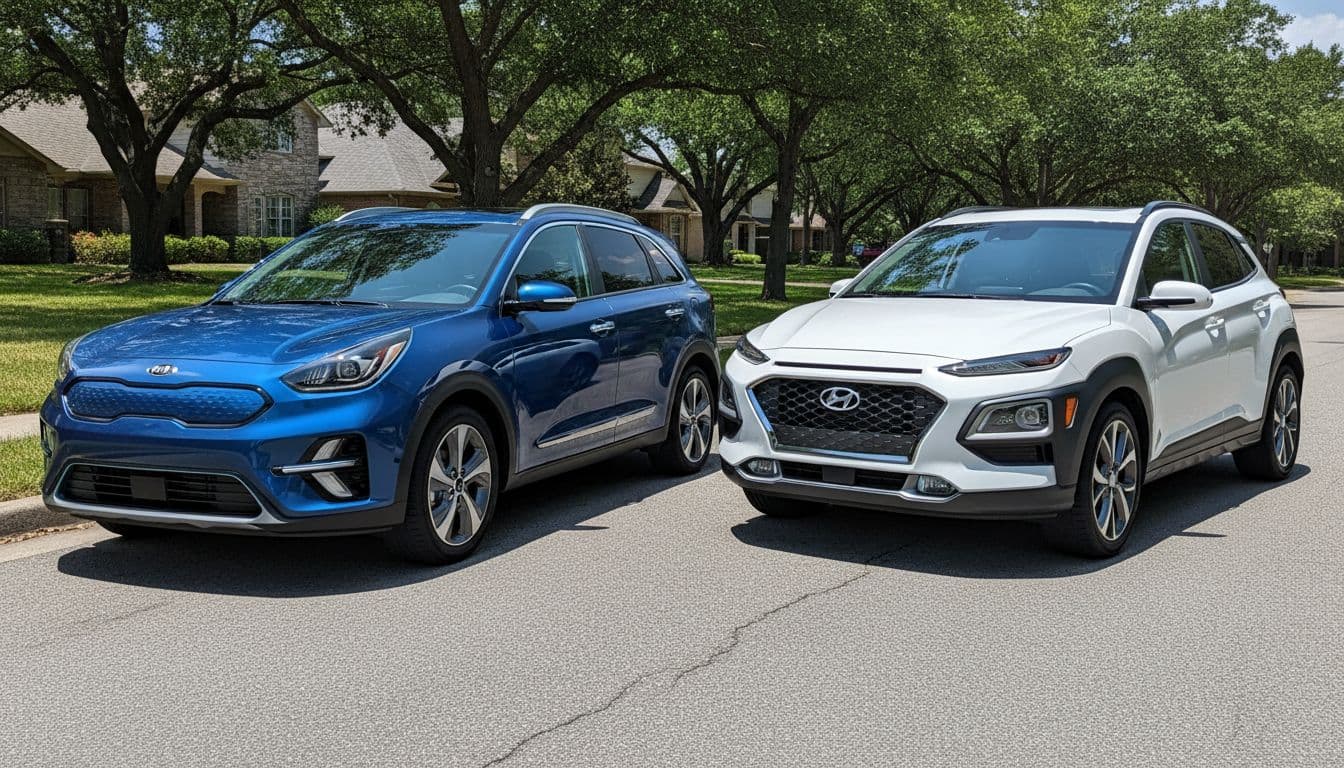
adminPicking between the Kia Niro vs Hyundai Kona gets tricky because both look smart on paper, but they serve different drivers. One is built to stretch every gallon. The other feels more like a classic small SUV, with stronger engine choices and available all-wheel drive.
For 2026, the Kia Niro makes the better case for commuters and high-mile drivers. Meanwhile, the Hyundai Kona stands out if you want more power, a lower starting price, and better foul-weather flexibility. Let’s make the choice simpler.
What really separates the Kia Niro and Hyundai Kona
The big split is this: the Niro is a hybrid-first crossover, while the Kona is a gas-powered subcompact SUV with a more familiar SUV feel. The Niro only comes with front-wheel drive and focuses on low running costs. The Kona gives you more engine choice, plus available AWD.
Starting price matters, too. The 2026 Kona opens at $25,350 before destination, while the 2026 Niro starts at $27,390 before destination. In real shopping terms, that usually means the Kona lands around the $27,000 mark, and the Niro sits closer to $28,000 plus.
Here’s the quick snapshot:
| Model | Starting MSRP | Power | EPA Combined MPG | Drivetrain |
|---|---|---|---|---|
| 2026 Kia Niro Hybrid | $27,390 | 139 hp | Up to 53 | FWD |
| 2026 Hyundai Kona | $25,350 | 147 hp to 190 hp | Up to 31 | FWD or AWD |
That table tells the whole story in miniature. The Kona is cheaper and stronger. The Niro is far thriftier. If you want another side-by-side look at trims and pricing, TrueCar’s comparison page is a handy reference.
The Kia Niro is built to save fuel every day
The 2026 Niro uses a 1.6-liter hybrid system that makes 139 horsepower and 195 lb-ft of torque. On paper, that may not sound exciting. In traffic, though, it feels well-matched to daily life.
Because the electric assist helps at low speeds, the Niro pulls away cleanly from stoplights and creeps through traffic with less fuss. It also gets up to 53 mpg combined, which is the kind of number that changes your routine. Fewer fill-ups means fewer interruptions.
With an 11.1-gallon tank, Kia says range can reach about 588 miles. That’s a strong fit for commuters, rideshare drivers, and anyone who hates watching the fuel gauge drop every few days.
The Hyundai Kona feels stronger and offers more traction options
The Kona takes a different path. Its base 2.0-liter engine makes 147 horsepower, and the optional 1.6-liter turbo bumps that to 190 horsepower. That extra muscle shows up when you merge, pass, or climb a long grade.
More importantly for many buyers, the Kona offers AWD on most trims. The Niro doesn’t. If you live where winters bring snow, slush, or heavy rain, that alone may settle the debate.
The Kona also feels more like a traditional small SUV from behind the wheel. It sits with a more planted, sturdy attitude, especially in AWD form. A Midwest-focused Kona vs Niro comparison makes a similar point for drivers who deal with mixed weather and city traffic.
Performance, fuel economy, and driving feel on the road
Specs only matter if they change how a car feels on a normal day. Here, the Kona and Niro split into two clear personalities.
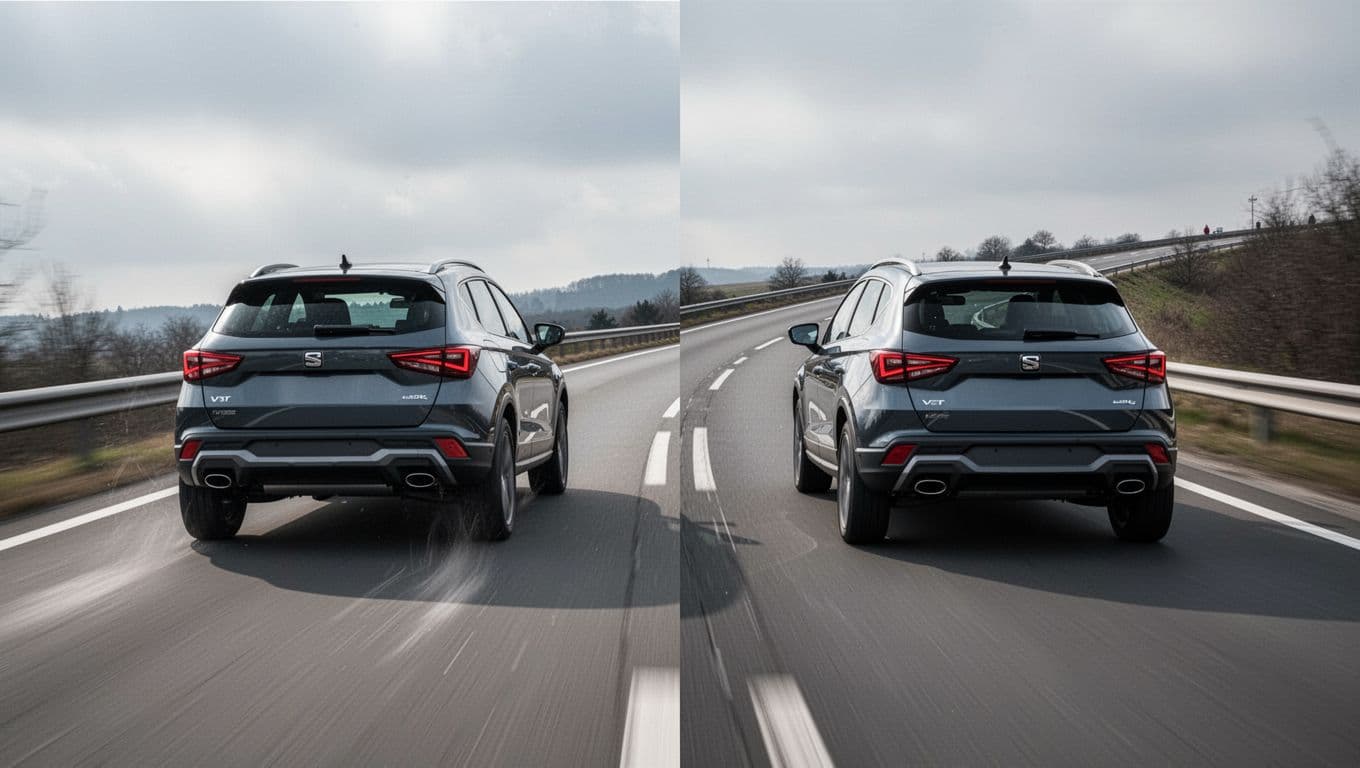
Kona is quicker, but Niro feels smoother in traffic
The Niro reaches 60 mph in about 8.9 seconds. That’s fine, but not fast. The Kona covers a wider range, from roughly the high-9-second area in slower trims to the low-8-second range with the turbo. So if you care about punch, the turbo Kona is the easy winner.
Still, raw speed isn’t the whole story. In stop-and-go traffic, the Niro often feels smoother and calmer. Its hybrid system helps it move off the line with less strain, and its mission is clear: make daily driving easy.
The Kona’s base engine is capable, but it can feel more ordinary. Meanwhile, the turbo version adds real urgency. Drivers who spend hours in city traffic may like the Niro’s relaxed nature. Drivers who want stronger highway passing power will likely prefer the Kona.
The Kia Niro wins big on MPG and driving range
Fuel economy is where this matchup swings hard. The Niro returns about 53 city, 54 highway, and 53 combined in most trims. The Kona, with its base front-wheel-drive engine, lands around 29 city, 35 highway, and 31 combined. AWD and turbo models fall lower.
That gap isn’t small. Over a year of commuting, it can mean hundreds of dollars saved, depending on gas prices and miles driven. The Niro also travels much farther on a tank, which matters if you drive for work or take frequent road trips.
If fuel cost is one of your top three concerns, the Niro makes a stronger financial case than the Kona.
The trade-off is simple. The Kona gives you better traction options and more power. The Niro gives you one of the best fuel-economy numbers in this class. For a broader ownership-value angle, iSeeCars’ Kona and Niro comparison adds useful data beyond basic specs.
Interior space, cargo room, and everyday comfort
Inside, both SUVs work well for daily life. The difference shows up in how they use space.
Niro gives rear passengers a little more room to stretch out
The Niro’s longer wheelbase helps in the back seat. Rear passengers get a bit more leg and hip room, and that matters more than brochure numbers suggest. Adults sit a little easier, knees feel less cramped, and longer drives are less tiring.
That extra room also helps with child seats. Parents often notice it during the least glamorous part of ownership, loading and unloading kids in a tight parking lot. A small gain in rear-seat space can make a big difference over time.
Up front, both are easy to get into and comfortable for commuting. Still, if you carry back-seat passengers often, the Niro has the friendlier layout.
Kona offers more cargo space behind the back seat
The Kona fights back with better cargo room behind the rear seats. It offers about 25.5 cubic feet, compared with roughly 22.8 cubic feet in the Niro. When you fold the seats, the gap tightens, so this is mostly about everyday storage.
That extra space is useful in real life. Think stroller, sports bag, airport luggage, or a Costco run that got a little out of hand. The Kona gives you more room before you need to drop the rear seat.
So the choice is easy to picture. The Niro is a bit better for people. The Kona is a bit better for stuff.
Features, safety, and which one is the smarter buy
Neither SUV feels stripped down. Both offer the basics shoppers expect in 2026, and both come from brands known for strong warranty coverage.
Both offer good tech, but the best value depends on how you drive
Both models offer modern infotainment, smartphone integration, and solid driver-assist tech. Apple CarPlay and Android Auto are available, which takes care of the feature many shoppers use most.
The Kona can move further upscale on higher trims, with options like a surround-view camera and a more premium feel. The Niro answers with hybrid-focused touches such as regenerative braking, which helps recharge the battery while slowing down.
Safety confidence is strong on both sides, but the Kona has published bragging rights right now. It carries an IIHS Top Safety Pick+ and a four-star overall NHTSA rating, while also offering standard features like automatic emergency braking, lane-keeping help, and blind-spot monitoring on many trims.
Value depends on your driving pattern. The Kona asks for less money upfront. The Niro may cost less to run month after month.
Choose the Niro for commuting, or the Kona for snow, speed, and versatility
If your life is mostly commuting, errands, and city driving, the Niro is the smarter buy. It sips fuel, feels smooth in traffic, and keeps gas costs low over time. For many drivers, that’s the point.
Pick the Kona if you want more flexibility. Available AWD makes it better for snow-belt states. The turbo engine gives it more life on the highway. You also get a little more cargo space behind the second row.
There’s no universal winner here. There are two good answers for two different needs. The better choice comes down to what annoys you more, high fuel bills or limited traction and power.
The short version is simple. The Kia Niro wins for fuel economy, commuting, and long-term gas savings. The Hyundai Kona wins for quicker performance, available AWD, and a more traditional small-SUV feel.
That means your decision should start with your habits, not the badge. If you rack up miles and want fewer gas stops, buy the Niro. If you deal with winter weather or want more punch every time you merge, the Kona makes better sense.


 admin
admin