 admin
adminNeed one vehicle that can handle commutes, road trips, bad weather, and the occasional muddy campsite? The 2025 Subaru Forester makes a strong case for itself.
This Subaru Forester 2025 rugged SUV review looks at what matters in real life, not only brochure specs. The 2025 refresh brings a cleaner design, a more modern cabin, standard all-wheel drive, and updated safety tech. It still fits buyers who want comfort and confidence without jumping to a larger SUV.
That mix is why the Forester stays easy to recommend, especially if your week includes both school runs and rough back roads.
What changed for the 2025 Subaru Forester, and why it matters
The big story is simple. Subaru updated the Forester without changing its whole personality. Most trims get fresher styling, a quieter and cleaner cabin, and improved tech. The gas model still uses a 2.5-liter boxer four with 180 horsepower, so this isn’t a power upgrade. It also adds a hybrid option for shoppers who care more about city mpg than quick acceleration.
Those changes matter because they improve the daily experience. The Forester feels more current inside, while keeping the traits people already liked. For a broader take on the redesign, Cars.com’s Forester review reaches a similar conclusion.
A tougher look outside, with the same practical Forester shape
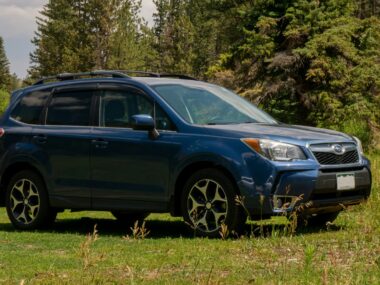
The new front end gives the Forester more presence. The grille looks wider, the LED lighting looks sharper, and the nose has a squarer, tougher face. Even so, Subaru didn’t turn it into a fashion piece. It still looks like a vehicle built to carry gear, not only impress a parking lot.
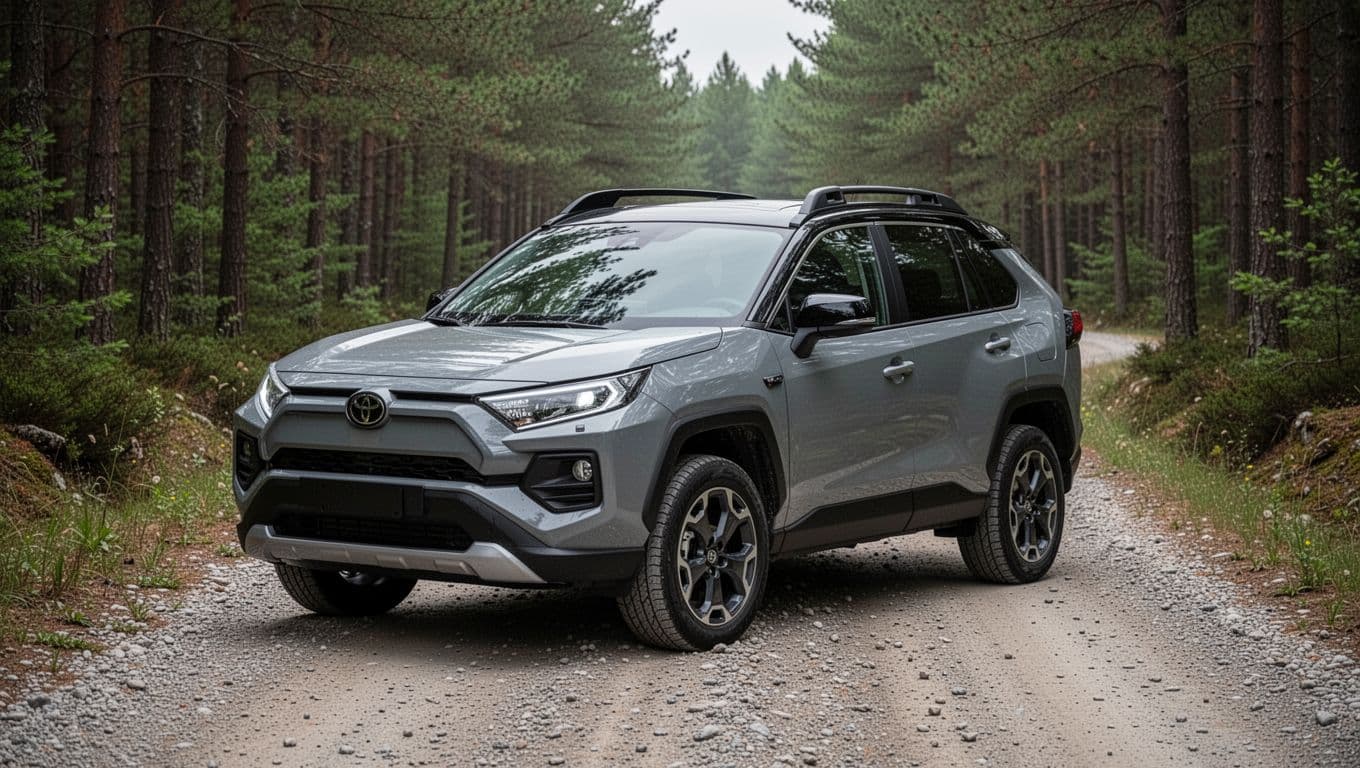
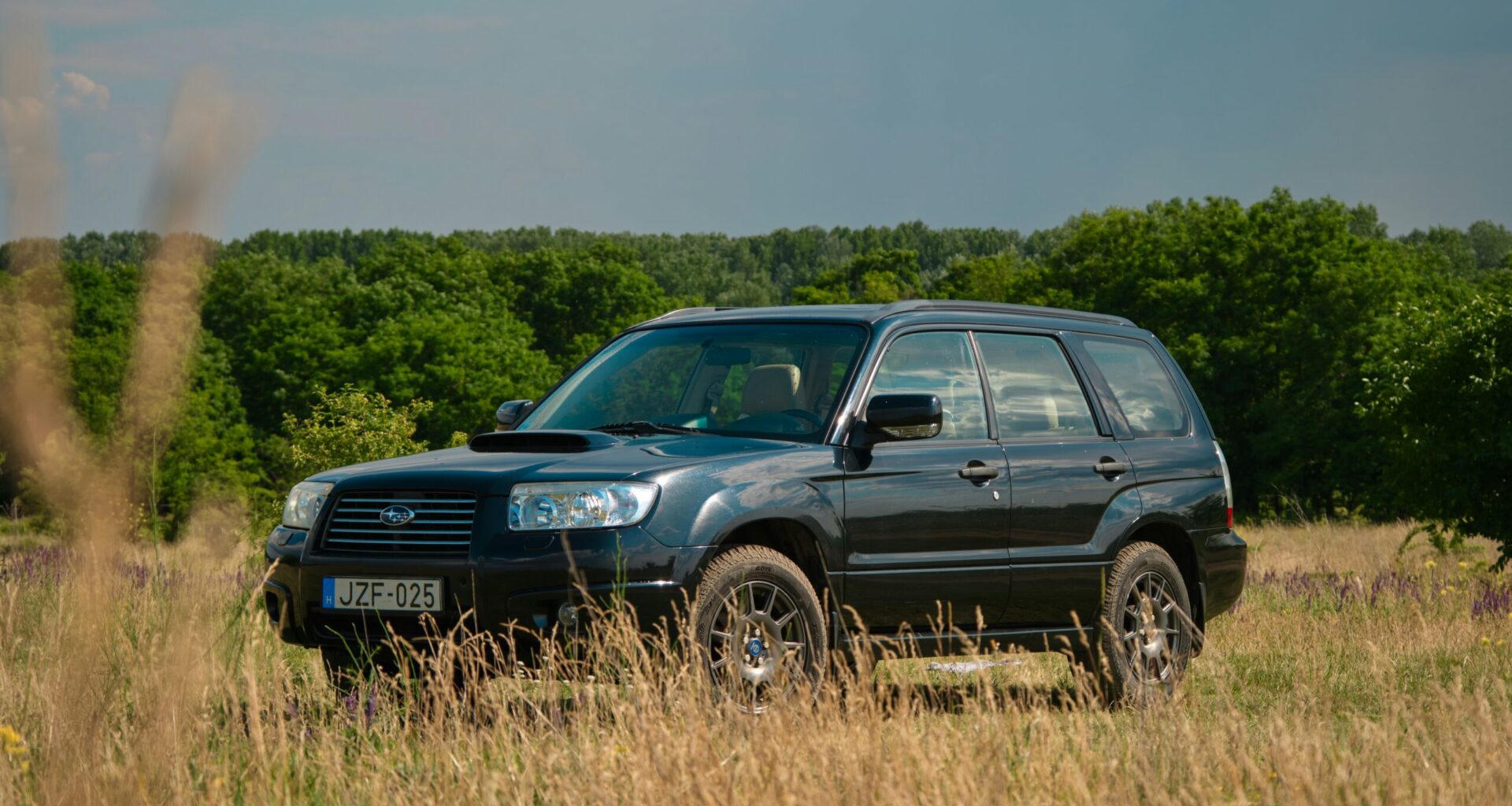
That practical shape still matters. The roofline feels long and upright, which helps cargo flexibility. Wheel choices range from simple to sportier-looking, and roof rails make it easy to carry bikes, kayaks, or a cargo box. In other words, the Forester still dresses like hiking boots, not dress shoes.
One detail worth knowing, the Wilderness version kept the older body style for this model year. That sounds odd on paper, but it doesn’t change the Forester’s basic appeal as a rugged, usable compact SUV.
A cleaner cabin with better tech and easier daily comfort
Inside, the 2025 Forester feels more polished than before. The dash has a layered look, and higher trims get Subaru’s available 11.6-inch touchscreen. Apple CarPlay and Android Auto are available, and wireless charging helps cut down on cable clutter.
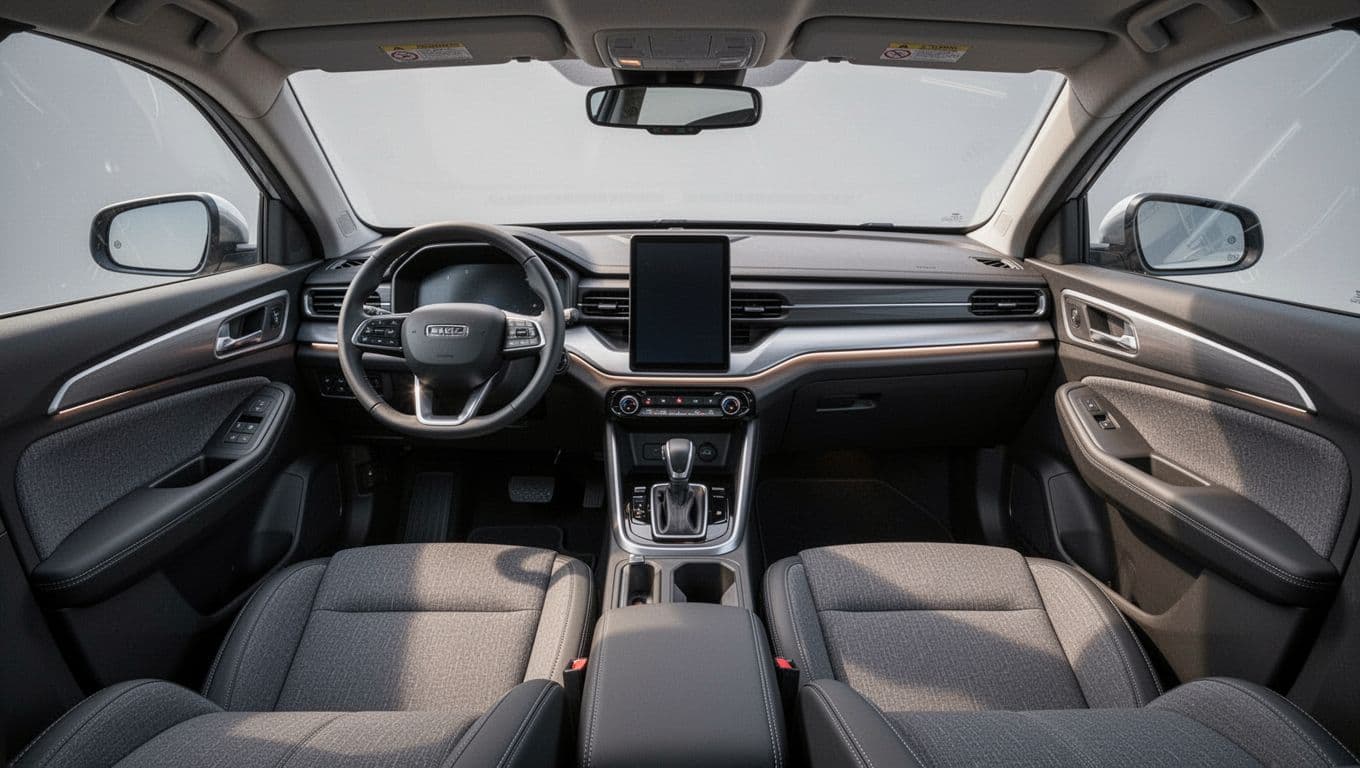
The good news is that Subaru didn’t trade comfort for screen size. There’s room for five, the rear seat stays adult-friendly, and visibility remains one of the best things about this SUV. You sit high, the windows are generous, and the cabin feels airy instead of cramped.
Cargo space is still a selling point. Base trim figures come in at 27.5 cubic feet behind the rear seats and up to 74.4 cubic feet with them folded. That makes the Forester easy to live with if you haul groceries, strollers, dogs, or camping gear on a regular basis. If you want trim-by-trim specs in one place, Edmunds’ 2025 Forester overview is a handy reference.
How rugged is the 2025 Forester in real driving conditions
The Forester isn’t a hardcore trail rig, and that’s fine. Its strength is how much confidence it gives normal drivers when roads turn ugly. Compared with many compact SUVs, it’s simply more ready for snow, rain, gravel, ruts, and rough trailheads.
Standard AWD gives the Forester an edge in bad weather and on loose surfaces
Subaru’s standard Symmetrical AWD is the Forester’s biggest advantage. Many rivals make AWD optional, or charge extra for it. Here, you get it from the start.
That matters in normal life. On a wet highway, the Forester feels planted. On a snowy morning, it gives you a better shot at getting moving without drama. On a dirt road to a cabin or campsite, it feels less nervous than many front-wheel-drive crossovers.
Ground clearance also helps. Most Forester trims offer 8.7 inches, which is a strong number for this class. X-MODE is available for slick surfaces, and hill descent control helps on steep, loose ground.
The Forester’s trick isn’t extreme off-roading. It’s giving regular drivers more margin when weather and road surfaces get messy.
That extra margin is a big reason reviewers keep praising its real-world confidence, as seen in Autoblog’s Forester review.
The Wilderness trim is the one to look at for serious adventure use
If you plan to leave pavement often, the Wilderness is the trim to watch. It adds the stuff that matters off-road, not fake adventure trim. You get a raised setup, all-terrain tires, underbody protection, dual-function X-MODE, and low-speed control that helps on rough terrain.
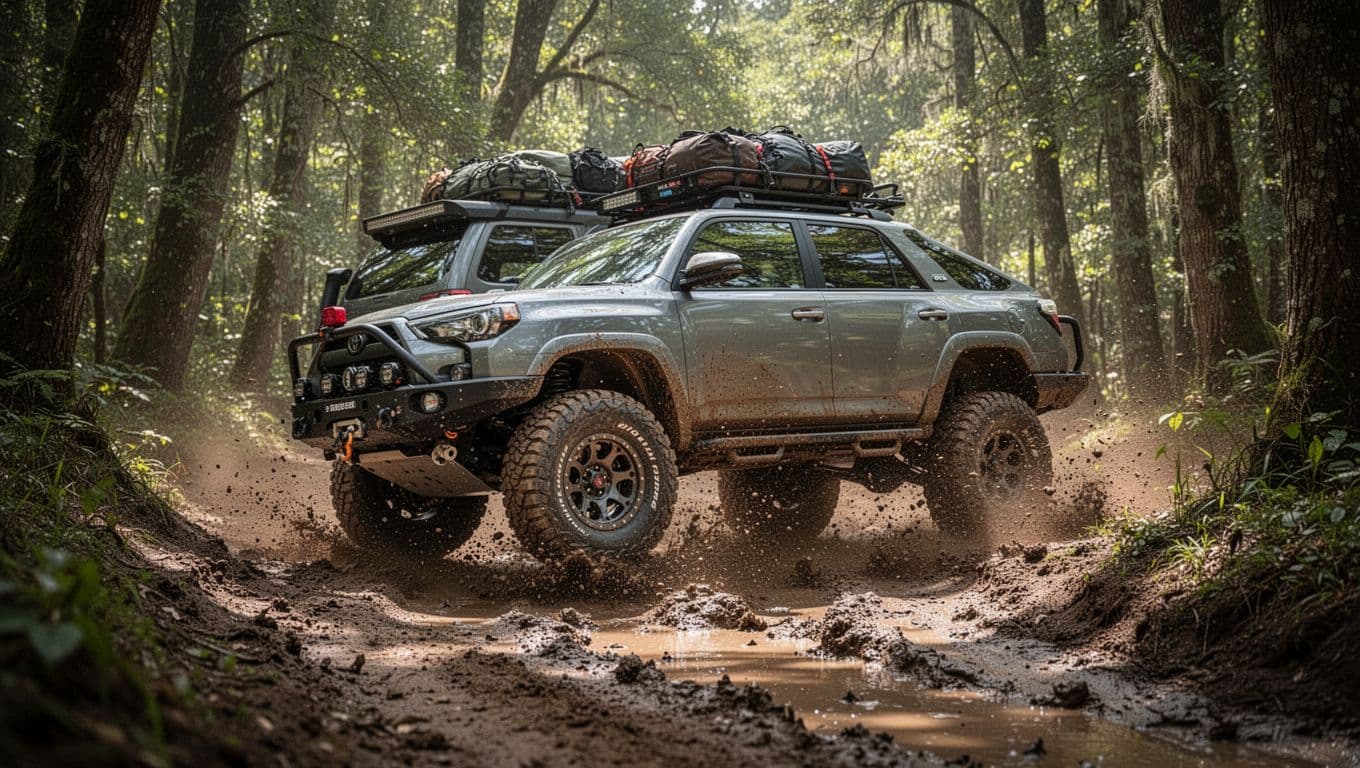
It also sits higher, with about 9.2 inches of ground clearance, and its roof rails are built for heavier adventure gear. In available data, the Wilderness gas engine is rated a touch higher at 182 horsepower. That’s not enough to make it fast, but it fits the trim’s job.
There is a tradeoff. Fuel economy drops to about 25 mpg city and 28 mpg highway, and the Wilderness does not get the hybrid powertrain. Still, if your weekends include deep snow, muddy access roads, or rougher trail approaches, this is the Forester that best matches that life. Autoweb’s road test also points out that Subaru kept the model’s practical strengths while sharpening its rugged identity.
What the Forester is like to drive, own, and live with every day
Most buyers won’t spend every weekend off pavement. They’ll commute, pick up kids, haul groceries, and sit in traffic. That’s where the Forester’s calm nature makes sense.
The ride is comfortable and confidence-inspiring, even if it isn’t quick
The standard 2.5-liter engine makes 180 horsepower, and it’s paired with a CVT. Around town, it feels smooth enough. On the highway, it does the job without much fuss. Still, this isn’t an SUV that eggs you on. Push hard, and you’ll notice the modest power.
For many people, that’s not a deal breaker. The Forester is tuned more for comfort, visibility, and easy control than speed. Steering is light, the ride is settled, and the cabin works well on long drives. It feels like a good pair of trail shoes, supportive and predictable.
Towing also helps its case. When equipped right, the Forester can tow up to 3,000 pounds, which is enough for a small trailer, lightweight camper, or a pair of personal watercraft. That’s useful utility, even if acceleration stays average.
Fuel economy, space, and visibility are big reasons people choose it
For gas models, expect about 26 mpg city and 33 mpg highway. Those are solid numbers for a standard-AWD compact SUV. If efficiency is a top goal, the hybrid improves that to around 35 mpg city and 34 mpg highway, and available data points to a driving range of up to about 581 miles.
That makes the hybrid appealing for commuters and road trippers. The gas model, though, may still be the easier pick for buyers who want lower complexity and proven Subaru simplicity.
The biggest daily-life win may be visibility. Many newer SUVs have thick roof pillars and a chopped-up view out. The Forester still gives you broad sightlines, which helps in traffic, parking lots, and tight trail approaches. Add roomy seats and clear controls, and it’s easy to see why owners stick with this nameplate.
Is the 2025 Subaru Forester worth buying over rivals
Yes, for the right buyer it is. The Forester doesn’t beat every rival in every category. A Honda CR-V feels more polished on road, and some shoppers may prefer the Ford Escape’s stronger available power. Yet the Forester blends everyday comfort with light-off-road skill better than many compact SUVs.
Its strongest points are clear: standard AWD, strong safety tech, great visibility, useful cargo room, and honest all-weather confidence. Its weaker points are clear too: modest power, lower Wilderness mpg, and a base screen setup that doesn’t feel as impressive as the larger available display.
Who will love the Forester most, and who may want something else
The Forester makes the most sense for families, dog owners, snowy-climate commuters, weekend travelers, and people who spend time on rough back roads. It’s also a smart fit if you want one vehicle to do almost everything well, without moving into mid-size SUV territory.
For most shoppers, the standard gas model is the sweet spot. It gives you the Forester’s best traits without the fuel penalty of the Wilderness. If your plans often include rough trailheads, muddy roads, or deeper snow, the Wilderness earns its place. If most of your driving is city traffic and fuel cost matters most, the hybrid deserves a hard look.
On the other hand, some buyers should shop around. If you want strong acceleration, a richer base-tech feel, or you rarely leave clean pavement, a rival may fit better. That’s why the Forester works best for people who will actually use its extra confidence, not only admire it on a spec sheet.
The 2025 Forester works because it stays true to itself. It isn’t flashy, and it isn’t fast, but it handles the messy parts of daily life better than many compact SUVs.
If your idea of value includes comfort, safety, cargo space, and real foul-weather grip, this rugged Subaru is easy to recommend. For most buyers, the standard gas model is the smart pick. If your weekends start where the pavement ends, the Wilderness is the one that makes the strongest case.

 admin
admin