 admin
adminShopping for a car often comes down to real life, not specs on a brochure. You want something that feels steady in rain, calm on the highway, and useful for school runs, road trips, or winter errands.
That’s where awd vs fwd gets interesting. One isn’t always better. The right pick depends on where you drive, how bad your weather gets, and how much you want to spend over time. In simple terms, FWD (front-wheel drive) sends power to the front wheels. AWD (all-wheel drive) can send power to all four wheels for extra grip.
AWD vs FWD, the core difference in how power reaches the road
Think of FWD as pulling the car forward by its front tires. AWD, by contrast, can also push from the rear when grip starts to fade. That basic difference shapes how the car feels on wet roads, snowy streets, and steep driveways.
Many drivers picture AWD as “always on” four-wheel power. Some systems do work that way. Still, many modern setups run mostly like FWD in normal driving, then send power rearward when the front tires slip. So, the extra traction is there when needed, not always working at full force.

How front-wheel drive works in simple terms
FWD is common in sedans, hatchbacks, and many small SUVs because it’s compact and efficient. The engine sits over the front axle, so the drive wheels carry more weight. That helps traction when roads are damp or lightly snowy.
It also uses fewer drivetrain parts than AWD. Because of that, FWD vehicles often weigh less, cost less, and leave more room inside for passengers or cargo.
For a simple outside view of how each setup behaves in winter, this winter drivetrain explainer lays out the basics clearly.
How all-wheel drive adds extra traction
AWD adds more hardware, such as a driveshaft and rear differential, so power can reach the back wheels too. That extra grip helps when roads are slick, loose, or uneven.
Brand names differ, and AWD systems aren’t all the same. Still, the main benefit stays the same: better traction when pavement gets slippery. It’s less about speed and more about keeping the car moving with less wheel spin.
The real pros and cons of AWD vs FWD for cost, fuel use, and daily driving
This is where the choice gets practical. Early 2026 market trends in the US show AWD gaining ground in crossovers and SUVs, especially where buyers want more confidence in bad weather. Even so, FWD still makes a lot of sense for people who care most about price and fuel use.
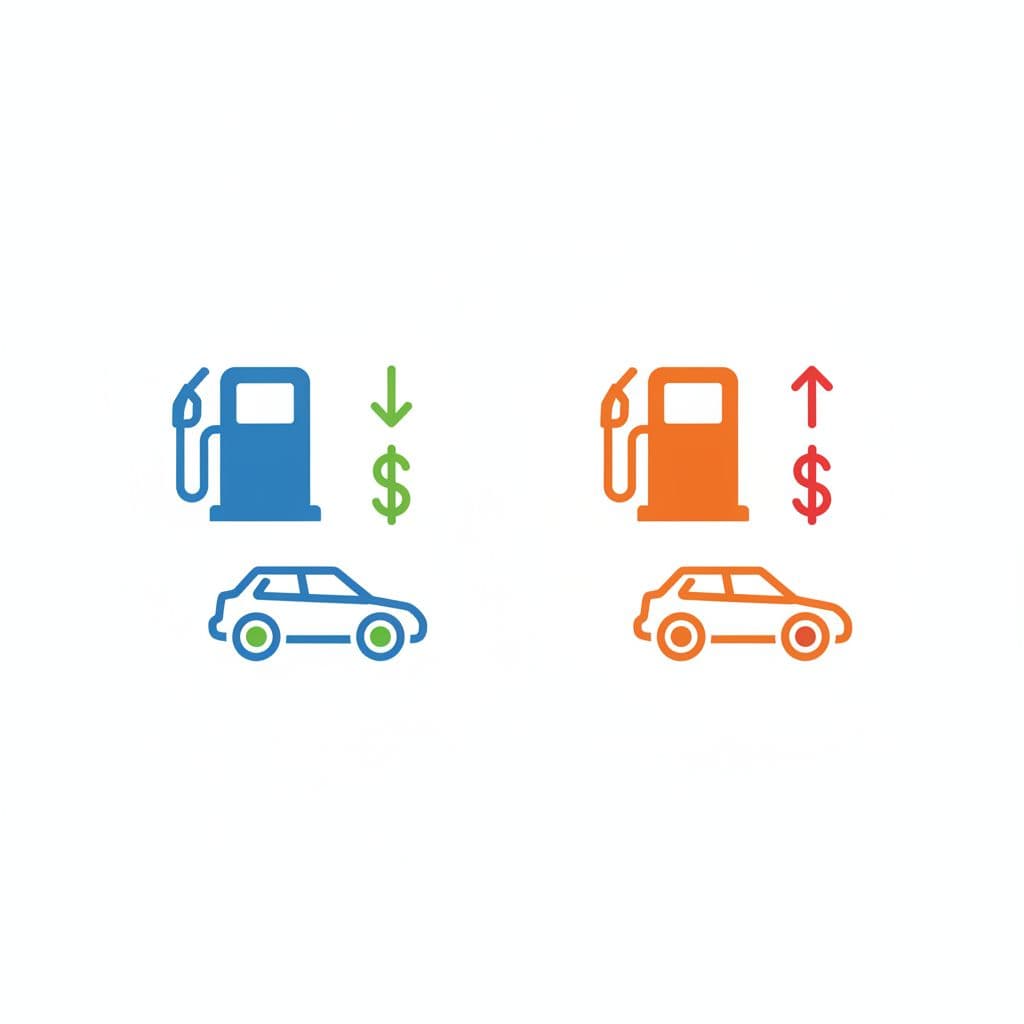
Because FWD is lighter and simpler, it usually returns better gas mileage. It also tends to cost less to buy. Over time, fewer drivetrain parts can also mean fewer repair bills.
Why FWD is often the smarter pick for commuting and tight budgets
If you drive mostly in town, on highways, or in mild weather, FWD is often the smart buy. It’s usually cheaper upfront, easier on fuel, and simpler to live with long-term.
That matters more than people think. A lighter car with fewer moving parts can feel easy to park, easy to service, and easy on your monthly budget. For commuters in flat or warm areas, FWD is often all they need.
Where AWD earns its higher price
AWD makes more sense when the road itself keeps asking for help. Snowy winters, steep hills, gravel driveways, rural routes, and heavy rain can all make AWD feel worth the added cost.
The tradeoff is simple. You’ll often pay more at purchase, and service can cost more later because the system is more complex. So, AWD isn’t the value pick, but it can be the comfort pick when your roads are tough often enough.
FWD vs AWD in snow, ice, and rain
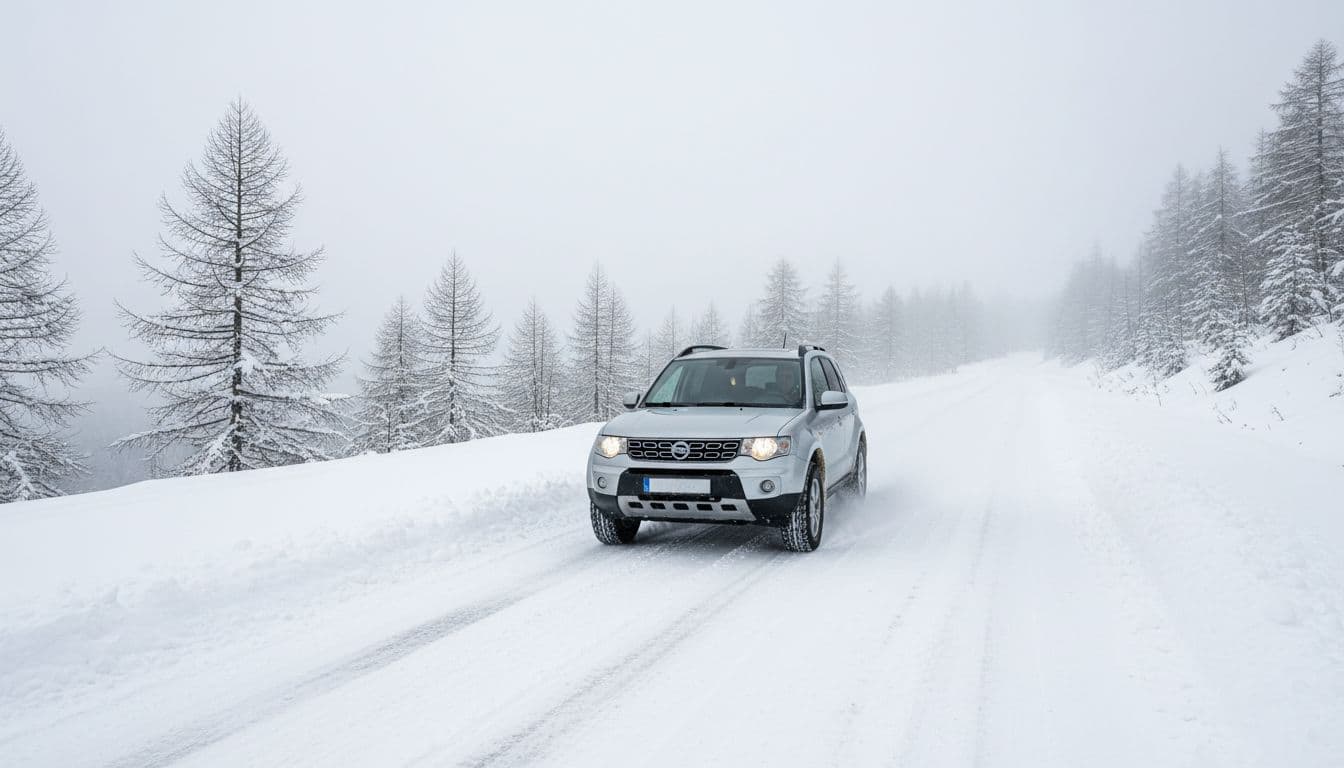
If winter driving is your main concern, AWD usually has the edge when starting from a stop or climbing a slick hill. It spreads power more broadly, so the car is less likely to sit and spin.
AWD helps you get moving, but it does not help you stop faster.
That point matters. On snow and ice, tires often matter as much as, or more than, drivetrain type. Tests and driver reports keep landing on the same lesson: winter tires versus drivetrain is a real debate, and good winter rubber can change everything.
Why AWD feels better when roads get slippery
AWD shines when you pull away from a snowy light, turn onto a wet side street, or climb a slushy hill. The car feels more planted because power can shift away from a slipping wheel.
That extra stability is why many drivers in snowy states prefer it. It reduces drama, especially in unplowed or uneven conditions.
Why a FWD car with good tires can still do well in winter
FWD is better in snow than many people assume. Since the engine sits over the front wheels, those tires get extra weight and grip. In city snow, that can be enough, especially when roads are plowed quickly.
Still, tires, speed, driver skill, and ground clearance all matter. A low sedan with worn tires can struggle, no matter what powers it. For a plain-English look at that side of the argument, see this guide on whether FWD is good in snow.
Which one should you buy, AWD or FWD
The best answer comes down to your weather, roads, and budget. Don’t buy for the worst day of the decade if you mostly drive clear, flat pavement. On the other hand, don’t ignore rough winters if you face them every year.
Choose FWD if you want the best value for normal roads
FWD fits commuters, warmer climates, flatter regions, and buyers who want lower ownership costs. If your roads are paved, maintained, and rarely messy, FWD is usually enough.
Choose AWD if you deal with winter weather or rougher roads often
AWD makes sense in snowy states, mountain towns, rural areas, and places with steep or unplowed roads. It also fits small SUV shoppers who want extra grip in rain, slush, or light dirt-road use.
In the end, awd vs fwd isn’t about picking a winner for everyone. FWD is usually cheaper and more fuel-friendly, while AWD gives better traction when weather turns ugly. Match the drivetrain to your roads, your climate, and your budget, then give the same attention to your tires.

 admin
admin