 admin
adminA compact car doesn’t need to feel cheap, and the Kia K4 proves that fast. In April 2026, it has fully taken over from the old Forte, and it now comes as either a sedan or a hatchback.
That matters because most shoppers ask the same things. Does it drive well, does it feel roomy, and do the features justify the price? This kia k4 review has a simple answer: the K4 stands out for space, tech, value, and available turbo power, but the best version depends on how you drive and what you want to spend.
What the Kia K4 gets right from the start
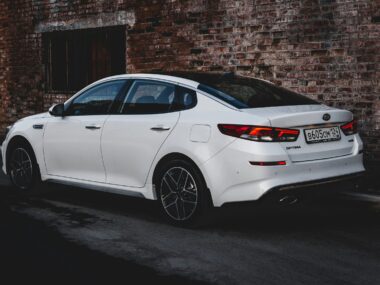
The K4 makes a strong first impression. It replaces the Forte, but it doesn’t feel like a small step forward. The styling is sharper, the stance looks lower and wider, and even the sedan has more curb appeal than many compact rivals.
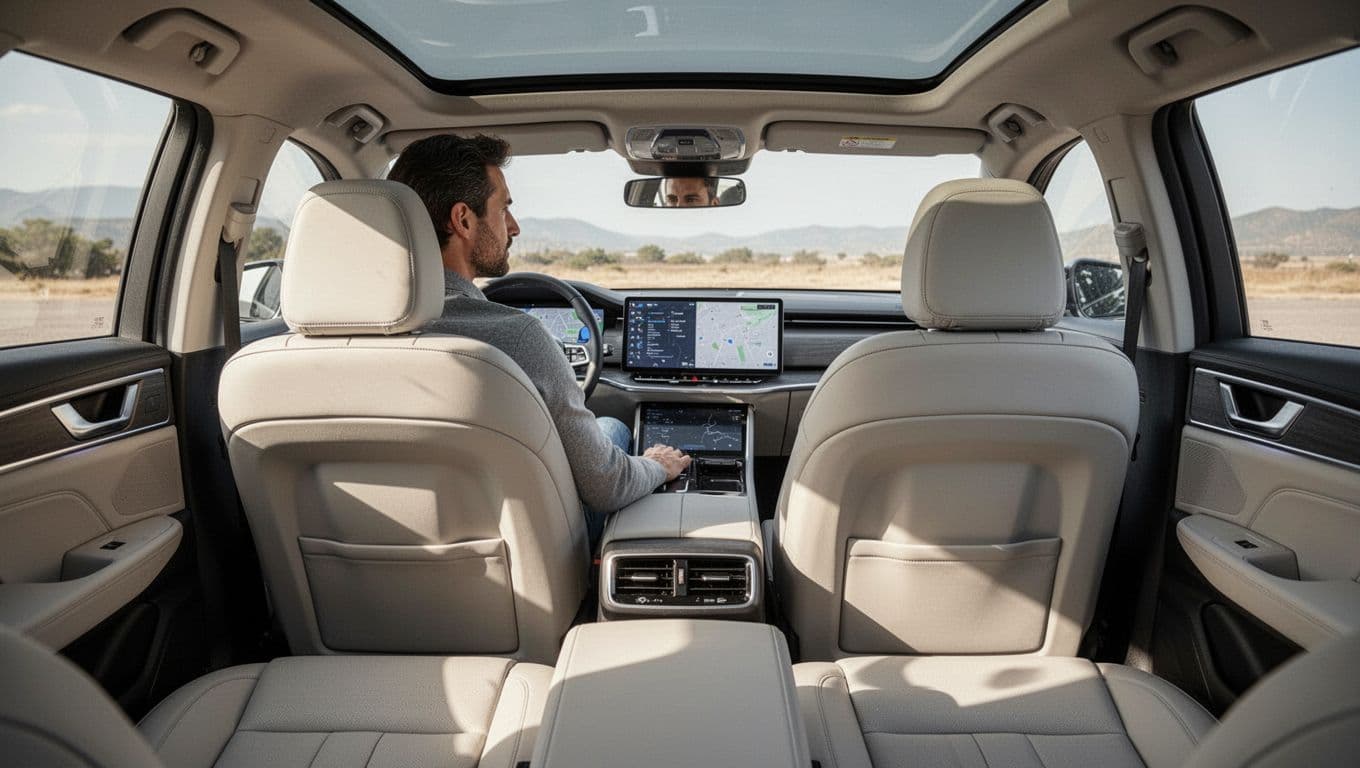
Inside, Kia avoided the usual budget-car look. The dash is clean, the screens are well-integrated, and upper trims offer available dual 12.3-inch displays that give the cabin a more upscale feel. It looks pricier than it is.
The practical stuff lands well too. Rear-seat room is excellent for this class, and the feature list is generous from the start. If you want a quick look at how equipment changes across the lineup, Kia’s K4 trim comparison page is useful.
The cabin feels modern, roomy, and easy to live with
The K4’s cabin is one of its best reasons to buy. Front seats are comfortable on long drives, and the back seat has enough legroom for adults to sit without feeling folded up. That’s rare in an affordable compact.
Controls are mostly easy to understand, which still matters. The screen setup looks modern, yet basic tasks don’t feel buried. Wireless Apple CarPlay and Android Auto help a lot, and nicer trims can add heated seats, ventilated seats, ambient lighting, and dual-zone climate control.
The hatchback may be the smarter buy for many people. It gives you better cargo flexibility, a wider opening, and a bit more rear headroom. For families, pet owners, or anyone hauling sports gear, that’s a real advantage.
How the Kia K4 drives, from the base engine to the turbo
On the road, the K4 feels tuned for normal life first. It’s easy to place in traffic, calm on the highway, and light in town. Every version is front-wheel drive, so the formula stays simple.
Ride quality is solid, and the car feels composed over broken pavement. It doesn’t pretend to be a hard-edged sport compact, which is probably the right call for this class.
The base engine is efficient, but not exciting
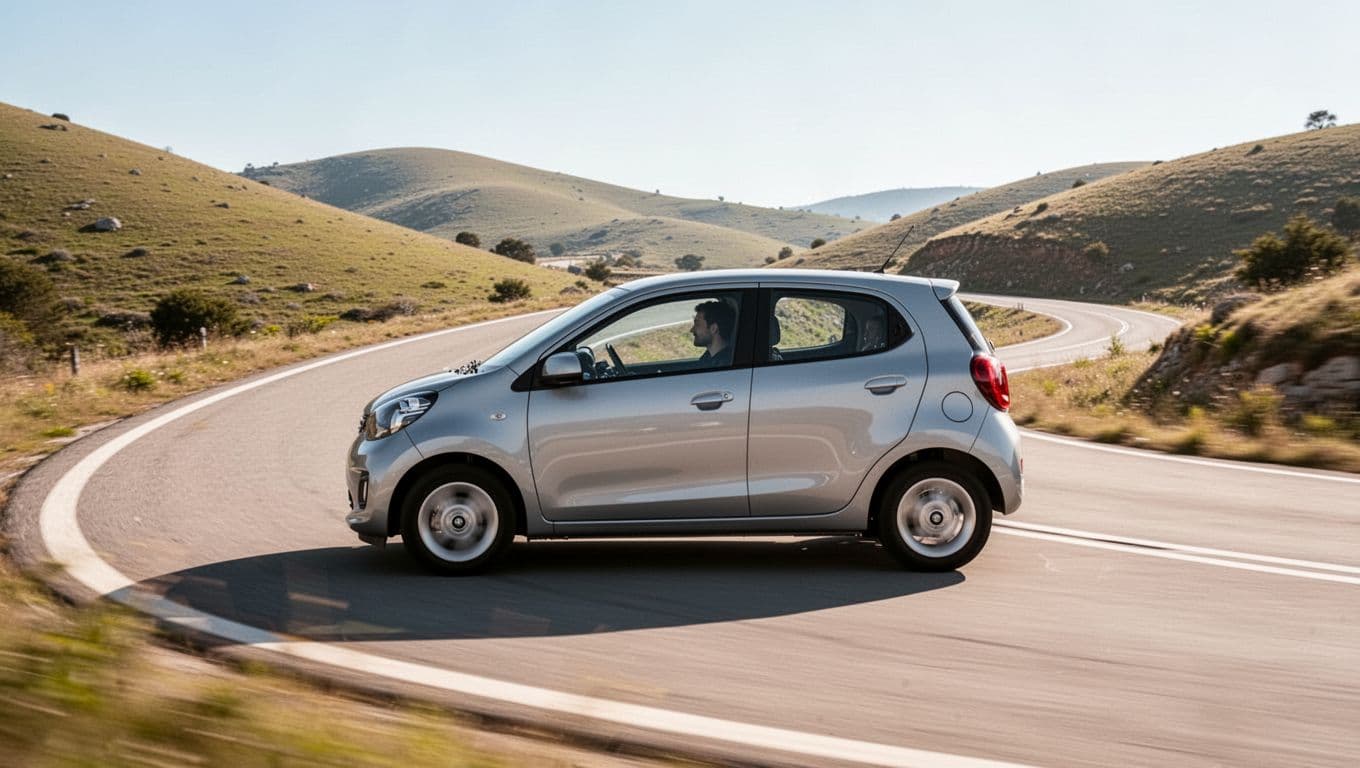
Most K4s use a 2.0-liter four-cylinder with 147 horsepower. Paired with a CVT, it’s fine for commuting, errands, and steady highway miles. If your daily drive is mostly stoplights and traffic, it does the job without complaint.
Fuel economy is a strong point. Real-world references and published specs land around 30 mpg city and 39 mpg highway, with some sources showing small trim-by-trim changes. A quick 2026 K4 specs breakdown shows how that efficiency fits the rest of the range.
The catch is simple: passing power is modest. Put your foot down, and the response is adequate, not eager.
The turbo model is the better choice for drivers who want more energy
The 1.6-liter turbo is the one to get if you care how a car feels. It makes 190 horsepower, uses a conventional 8-speed automatic, and responds faster when you merge or pass. That alone makes the K4 feel more settled and more expensive.
This isn’t a hot hatch or a mini sports sedan. Still, it has more life than the base car, and that matters every day. Some tested turbo hatchbacks have reached 60 mph in about 7.0 seconds, which is a solid result for a mainstream compact.
GT-Line and GT-Line Turbo trims also bring a sportier look and a more assertive setup. Even then, the K4 leans toward sporty daily driver, not track toy. That’s fine. Most buyers want confidence, not drama.
The biggest split in the K4 lineup is simple: the base engine saves fuel, the turbo adds personality.
Trims, pricing, and features, which Kia K4 offers the best value
Pricing can get a little messy because you’ll still see early launch figures quoted, while newer shopping pages often show higher totals once destination charges and updates are added. For example, Cars.com’s 2026 K4 research page may show higher numbers than early review guides.
These launch-era sedan prices are still a helpful way to understand the trim ladder:
| Trim | Rough starting price |
|---|---|
| LX | $22,290 |
| LXS | $23,390 |
| EX | $24,490 |
| GT-Line | $25,490 |
| GT-Line Turbo | $28,390 |
The hatchback starts higher, and nicely equipped versions can climb past $30,000. So, value depends on where you stop.
Best trim for most buyers
For most people, the EX is the sweet spot. It usually gives you the features that matter most in daily life without pushing the price into uncomfortable territory. You get the nicer cabin feel, strong tech, and comfort upgrades that make the K4 stand out in the first place.
The base LX works if the budget is tight, but it misses some of the polish that gives this car its appeal. On the other side, the turbo trims are better to drive, yet they move the price close to stronger competition.
If your goal is comfort-first value, the EX makes the most sense.
When it makes sense to step up to the hatchback or turbo
The hatchback is worth the extra money if you care about flexibility. It has the better shape for cargo, road trips, bikes, strollers, or just hauling awkward stuff without a fight. In other words, it’s the more practical K4.
The turbo is worth it if you hate sluggish acceleration. It makes the car feel quicker, smoother, and more enjoyable in everyday traffic. Still, options add up fast, so it’s smart to watch the final out-the-door number rather than focusing only on the starting trim.
Safety, fuel economy, and how the Kia K4 compares to rivals
The K4’s practical case is strong. Fuel economy is good, safety tech is generous, and the price stays competitive until you start piling on extras. As of April 2026, published reports point to strong crash-test performance, though buyers should still check the latest body-style and trim-specific ratings before signing.
Safety tech is a big selling point
Kia gives the K4 a strong list of driver aids, and that helps it feel like a smart buy. Depending on trim, you can get automatic emergency braking, blind-spot tools, cyclist and junction detection, highway driving assist, parking warnings, and even a 360-degree camera.
That’s a lot for a compact car in this price range. The sedan also has an IIHS Top Safety Pick+ rating, which adds confidence. Still, check the exact trim and body style you want, because headlight and equipment differences can affect ratings.
How the K4 stacks up against the Civic, Corolla, and Mazda3
The K4 has a clear angle in this class. It gives you more visual flair, a roomier back seat, and a richer feature set for the money than many rivals. That’s why it feels so competitive.
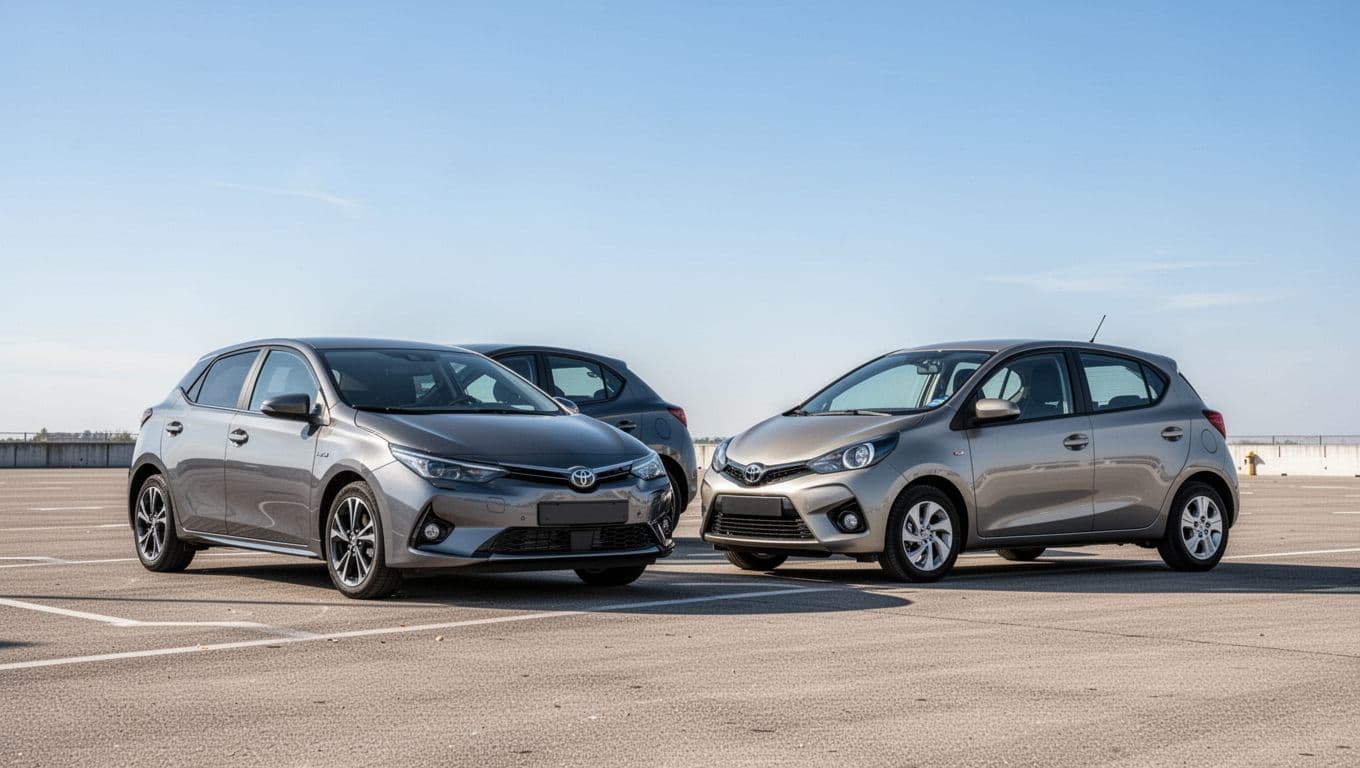
The Honda Civic still has the edge in overall polish. It feels a bit more refined and cohesive on the move. The Toyota Corolla keeps its strong reputation for long-term trust and low-stress ownership. The Mazda3 remains the driver’s choice because it feels sharper and more premium from behind the wheel.
Still, the Kia fights back with value. You can compare some hatchback differences in Autoblog’s K4 vs. Corolla Hatchback comparison. If your priorities are space, tech, and price, the K4 is easier to justify than ever.
The Kia K4 is easy to recommend because it feels like more car than its sticker suggests. It offers strong tech, useful space, and a cabin that doesn’t look or feel bargain-bin.
It’s not perfect. The base engine is only average, and upper trims can get expensive in a hurry. Still, the K4 fits a sweet spot for buyers who want a modern compact sedan or hatchback with solid comfort, good safety, and plenty of features, without moving into a pricier class.

 admin
admin