 admin
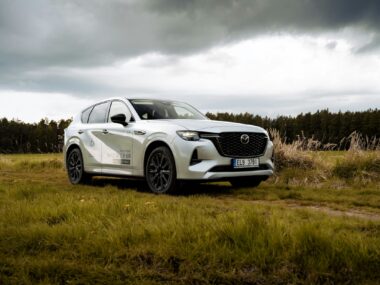
adminIf you want your first EV to feel familiar, the Honda Prologue makes a strong case. It fits families, commuters, and loyal Honda buyers who care more about comfort than cornering speed.
This Honda Prologue review comes down to one simple point: it’s easy to live with. You get solid range, a quiet cabin, and useful space, but you don’t get much excitement behind the wheel.
Honda Prologue review in one glance, what stands out most
The Prologue’s best trait is how normal it feels. That’s not a knock. It rides softly, stays quiet on most roads, and gives you the kind of roomy seating families notice right away.
Its strongest EPA figure reaches 308 miles, depending on trim and wheel size. That’s enough to make daily driving simple and longer trips less stressful. The cabin also feels open, and five adults can fit without complaints.
Here is the short version.
| What works well | What holds it back |
|---|---|
| Quiet ride and smooth power delivery | Steering feels bland |
| Spacious seating for five | Cargo room is only average for the class |
| Up to 308 miles of EPA range | Some GM-sourced details feel obvious |
| Good road trip comfort | Early owner feedback includes a few reliability concerns |
The big catch is personality. If you’re hoping for a sporty Honda feel, this isn’t it. Reviews from Car and Driver’s Prologue test also point to soft responses and obvious GM roots.
The biggest reasons buyers will like it
Most buyers will like the Prologue because it feels calm and well sorted in daily use. The seats are comfortable, the ride is relaxed, and the layout doesn’t overwhelm first-time EV owners.
It also works well as a family car. Rear-seat space is generous, and the cabin stays pleasant on long drives. In other words, the Prologue acts more like a good midsize SUV than a tech toy on wheels.
The main reasons some shoppers may skip it
Some shoppers will move on because the Prologue never feels sharp or lively. Rivals offer quicker launches, stronger handling, or more distinct cabins.
Software and driver-assist complaints also matter. A few owners report annoying alerts, odd charging hiccups, or early service visits. Those issues won’t hit every buyer, but they do keep this from being an easy slam dunk.
The Prologue feels like an EV built for calm commuting first, fun driving second.
How the Honda Prologue feels to drive every day
Honda offers two basic personalities here, though neither is wild. The single-motor front-wheel-drive version makes 220 horsepower. The dual-motor all-wheel-drive model raises that to 300 horsepower.
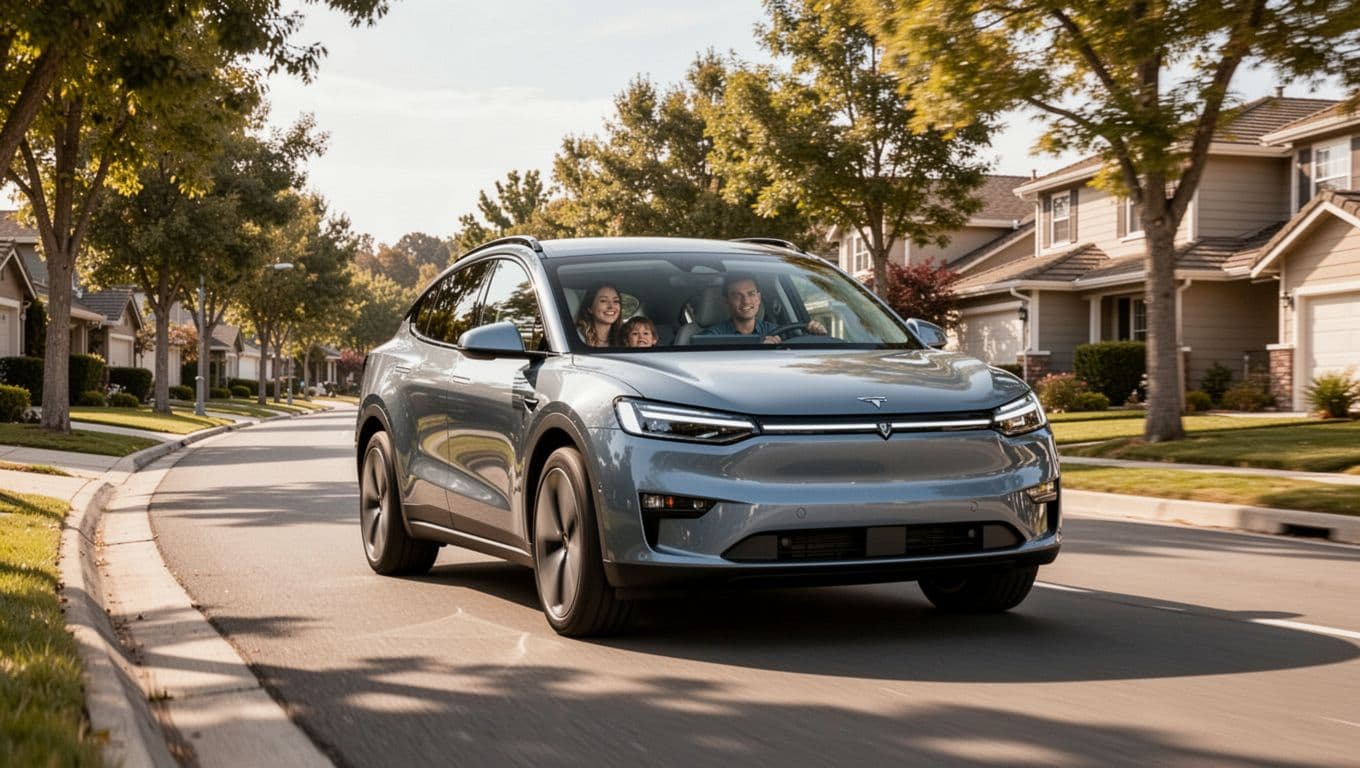
Around town, both feel smooth and easy. Power comes on cleanly, and the Prologue never feels clumsy. Still, it doesn’t pin you to the seat like a Tesla Model Y or some Hyundai EVs can.
You also get one-pedal driving and adjustable regenerative braking. That helps the Prologue feel more natural after a few days, especially in traffic. Drivers new to EVs should adapt quickly.
Power, acceleration, and whether AWD is worth it
The front-drive Prologue is fine for light commuting and mild weather. It has enough punch for merging and passing, but it won’t feel quick.
AWD makes more sense for many US buyers. You get extra power, better traction in rain or snow, and a more relaxed feel when the car is loaded with people or gear. Even then, the Prologue still isn’t one of the fastest electric SUVs in its price range.
If you want confidence more than speed, AWD is worth a look. If price matters most, the base setup should still satisfy.
Ride comfort, road noise, and highway manners
This is where the Prologue earns its keep. The suspension is soft without feeling sloppy, and the seats support you well on longer trips. Highway cruising is especially strong because the cabin feels settled and mature.
Some reviews do mention more road noise at speed than expected. That’s fair. The Prologue is quiet overall, but not vault-like on every surface. Even so, it’s still tuned for comfort, and that makes it a pleasant long-distance EV.
For broader expert ratings and safety context, U.S. News’ Prologue review gives a useful snapshot of where it sits in the segment.
Range, charging, and real-world EV use
Range matters most when daily life gets messy. School drop-offs, errands, traffic, cold weather, and highway miles can all chip away at the number on the window sticker.
Officially, the Prologue can deliver up to 308 miles. In real life, that number changes with trim, speed, temperature, and wheel choice. That’s normal for any EV, but it’s still worth saying out loud.
What the EPA range numbers mean in real life
The best-case rating looks good on paper, yet some road tests land closer to 273 miles in mixed or highway-heavy use. That’s still useful range, but it shows why EPA figures are only part of the story.
Cold weather can cut range. Bigger wheels can hurt efficiency too. Fast highway driving also drains the battery faster than city driving. So if you mostly cruise at 75 mph with climate control blasting, don’t expect the top number every week.
Data from Kelley Blue Book’s Prologue page is handy here because it shows the spread between trims, from the high-200s to just over 300 miles.
Charging speed, home charging, and road trip ease
The Prologue’s charging story is practical, not flashy. At home, a 240-volt setup should refill the battery overnight for most owners. That’s the part that matters most, because home charging turns an EV into a plug-in appliance instead of a gas station habit.
On the road, DC fast charging is quick enough to keep trips manageable. It won’t rewrite the class standard, but it should feel easy enough for family travel with planned stops. Most owners will find the Prologue low-stress to charge, which fits the rest of its personality.
Inside the Honda Prologue, space, comfort, and tech
Cabin space is one of the Prologue’s real strengths. Honda gives it 111.7 cubic feet of passenger space, and it shows. Adults fit well in both rows, and the SUV feels airy instead of squeezed.

The seats are comfy, the driving position is easy to dial in, and visibility is decent for a midsize EV. Upper trims add features like a panoramic roof, which helps the interior feel even larger. There are also useful bins and storage spots for the little things that pile up in family life.
The downside is character. Some switchgear and controls feel shared with GM products, and sharp-eyed buyers will notice. For some people that’s no big deal. For others, it chips away at the Honda identity.
Front seat comfort and back seat room for families
The front seats suit long drives well. Cushions are soft enough for commuting but still supportive after an hour or two. That’s harder to get right than it sounds.
The back seat is even more impressive. Adults have good legroom, kids have space to spread out, and installing child seats should be less of a fight than in tighter EV crossovers. Families moving from a CR-V will likely feel right at home, if not better.
Cargo space and where it falls short
Cargo room is usable, but it isn’t a class leader. With the rear seats folded, the Prologue offers up to 57.7 cubic feet of space.
That means groceries, carry-ons, a stroller, or sports bags fit fine. A bulky family road trip with larger luggage may take more planning than in some rivals. The Car Connection’s Prologue review also notes this mixed story, with solid general usefulness but no standout cargo advantage.
Price, trims, and whether the Honda Prologue is a good value
Value depends on which price you use. Many 2026 review pages list the Prologue at roughly $48,895 to about $59,395 or $59,850. At the same time, MotorTrend reported a 2026 price cut that could push some versions much lower. Either way, this isn’t a budget EV.
Federal tax credit support also ended in 2025 based on the available data, so buyers can’t assume that rebate will soften the deal.
Which trim makes the most sense for most buyers
For many people, the base trim is the smart pick. It gives you the Prologue’s best traits, comfort, space, and range, without stretching the budget too far.
AWD is the trim upgrade that makes the most real-world sense. It adds useful power and all-weather confidence. The Elite trim brings more style and comfort, but it’s harder to call a value unless you want the extra features badly.
Honda Prologue vs Model Y, Ioniq 5, and Equinox EV
Against the Tesla Model Y, the Prologue feels calmer and more traditional. The Tesla is quicker and often more efficient, but the Honda wins for ride softness and a less intense user experience.
Next to the Hyundai Ioniq 5, the Honda again leans toward comfort over flair. The Hyundai feels more special and often charges faster. Meanwhile, the Chevy Equinox EV can undercut both on price, though it doesn’t carry the same Honda badge appeal.
So where does the Prologue land? It sits in the middle as the relaxed, family-friendly choice. It won’t wow performance shoppers, but it may suit buyers who want an EV that feels easy from day one.
Owner feedback, common problems, and final verdict
Early owner feedback is mixed but not disastrous. Many people like the quiet ride, roomy seats, and low-effort daily driving. That lines up with what the Prologue does best.
Some complaints show up often enough to watch closely, though. Reports mention battery failures, axle popping or replacement, software bugs, charging issues, and safety alerts that feel too eager.
Before buying, test every driver-assist feature and ask whether all software updates and service work are complete.
Common complaints owners mention most often
The short list is pretty clear. Some owners report charging trouble, others mention front axle noise, and several dislike sensitive collision alerts or auto-braking behavior.
Cargo space also comes up more than expected. It’s not tiny, but some shoppers expect more from a midsize electric SUV.
Who should buy the Honda Prologue, and who should look elsewhere
Buy the Prologue if you want a roomy, comfortable, easygoing EV with Honda branding and solid range. It makes the most sense for families, commuters, and first-time EV buyers who care about comfort more than speed.
Look elsewhere if you want strong performance, class-leading cargo room, or the most polished software experience in the segment. Shoppers worried about first-year-type issues may also feel better with alternatives.
The best Honda Prologue review summary is simple: it’s a good electric SUV, not a great driver’s SUV. If your top priorities are comfort, space, and low-stress EV living, it does a lot right.
If you want your EV to feel exciting every time you press the pedal, this probably isn’t your match. If you want one that quietly fits into daily life, the Prologue deserves a serious test drive.

 admin
admin