 admin
adminIf you live with rain, snow, steep driveways, or rough back roads, AWD can feel like a warm coat in January. It adds confidence when the weather turns bad. Still, AWD doesn’t replace good tires or careful driving. On slick roads, tires and judgment matter just as much, if not more. For a helpful reminder, see this winter tire advice from Car and Driver.
In March 2026, shopping for the best AWD cars under 20k means accepting tradeoffs. Used AWD prices have stayed high, and many strong picks now sit between 80,000 and 120,000 miles. That doesn’t make them bad buys. It just means condition, maintenance history, and total ownership cost matter more than badges or flashy trim names.
This guide focuses on value, safety, reliability, and daily usefulness. In other words, these are the AWD vehicles that still make sense after the test drive ends.
How to shop smart when you want AWD for less than $20,000
The first rule is simple: buy the best-kept example, not just the newest one. In this price range, service records can matter more than a sunroof or giant screen. Most solid AWD choices under $20,000 now land in a pretty familiar zone for price and mileage.
Here’s the market snapshot for March 2026:
| Model | Typical Price | Typical Mileage |
|---|---|---|
| 2018 Subaru Outback | $16,000 to $19,500 | 90,000 to 110,000 |
| 2016 Toyota RAV4 AWD | $15,500 to $18,000 | 100,000 to 130,000 |
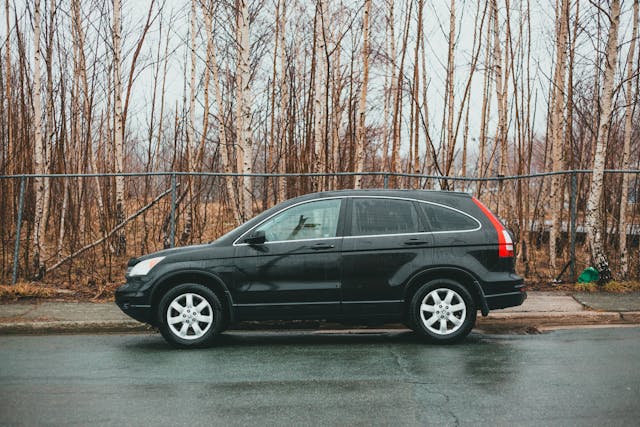
| 2016 Honda CR-V AWD | $16,000 to $19,000 | 95,000 to 125,000 |
| 2019 Subaru Impreza | $14,500 to $17,500 | 70,000 to 100,000 |
| 2021 Mazda3 AWD | About $19,000 if high-mile | 60,000 to 90,000 |
| 2019 Ford Fusion AWD | $15,000 to $18,500 | 80,000 to 110,000 |
That range shifts by region, trim, and season. Snow-belt states often ask more for AWD. A Limited or Touring trim can also push a model above budget fast. For a wider view of the market, Kelley Blue Book’s used AWD picks are useful for cross-checking value.
The used car checks that matter most before you buy
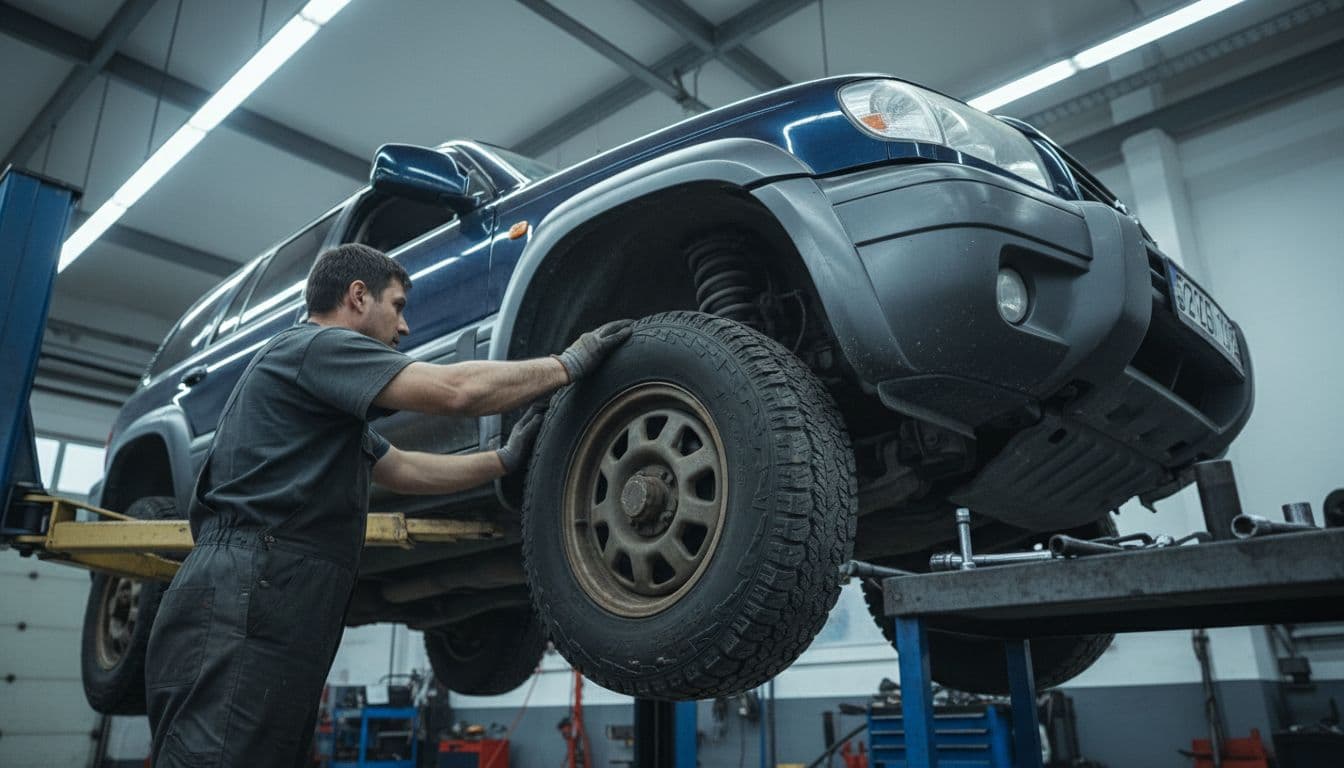
Think of your inspection like a stress test. A clean paint job means little if the mechanicals are tired.
- Accident history: A clean title and a consistent history report matter. Avoid cars with vague gaps.
- Maintenance records: Oil changes, transmission service, brakes, and fluid work should be easy to trace.
- Transmission behavior: During the drive, look for slipping, shuddering, hard shifts, or delayed response.
- Brakes and suspension: Listen for clunks, feel for vibration, and check whether it tracks straight.
- Rust underneath: Surface rust is common in snow states. Heavy rust around the frame or suspension is trouble.
- Matching tires: AWD systems like all four tires to be close in brand, tread depth, and size.
AWD works best when all four tires are in similar condition. One cheap replacement tire can create an expensive driveline problem.
When an AWD sedan makes more sense than an SUV
Not everyone needs a crossover. An AWD sedan or hatch often costs less to fuel, feels lighter on its feet, and is easier to park in tight city lots. You also get a more car-like ride, which many drivers still prefer on long commutes.
On the other hand, SUVs and wagons give you more cargo space, better rear-seat flexibility, and extra ride height for rough roads or deeper snow. If you carry kids, dogs, strollers, or weekend gear, that added space pays off every day. If you mainly drive solo or with one passenger, an AWD car may be the smarter and cheaper fit.
Best AWD SUVs and crossovers under $20K for space, comfort, and bad weather
This is where most shoppers start, and for good reason. AWD SUVs and crossovers hit the sweet spot for family use, winter traction, and everyday comfort. In 2026, the best buys under $20,000 usually aren’t low-mile cream puffs. They’re well-kept, higher-mile examples with solid service history.

2018 Subaru Outback, the best all around pick for value and winter confidence
The Outback is the easy answer for many buyers because it blends wagon manners with SUV usefulness. Subaru’s standard AWD gives it a strong edge in bad weather, and the cabin feels roomy without driving like a box. It also gets solid fuel economy for its size, so it won’t punish you at the pump.
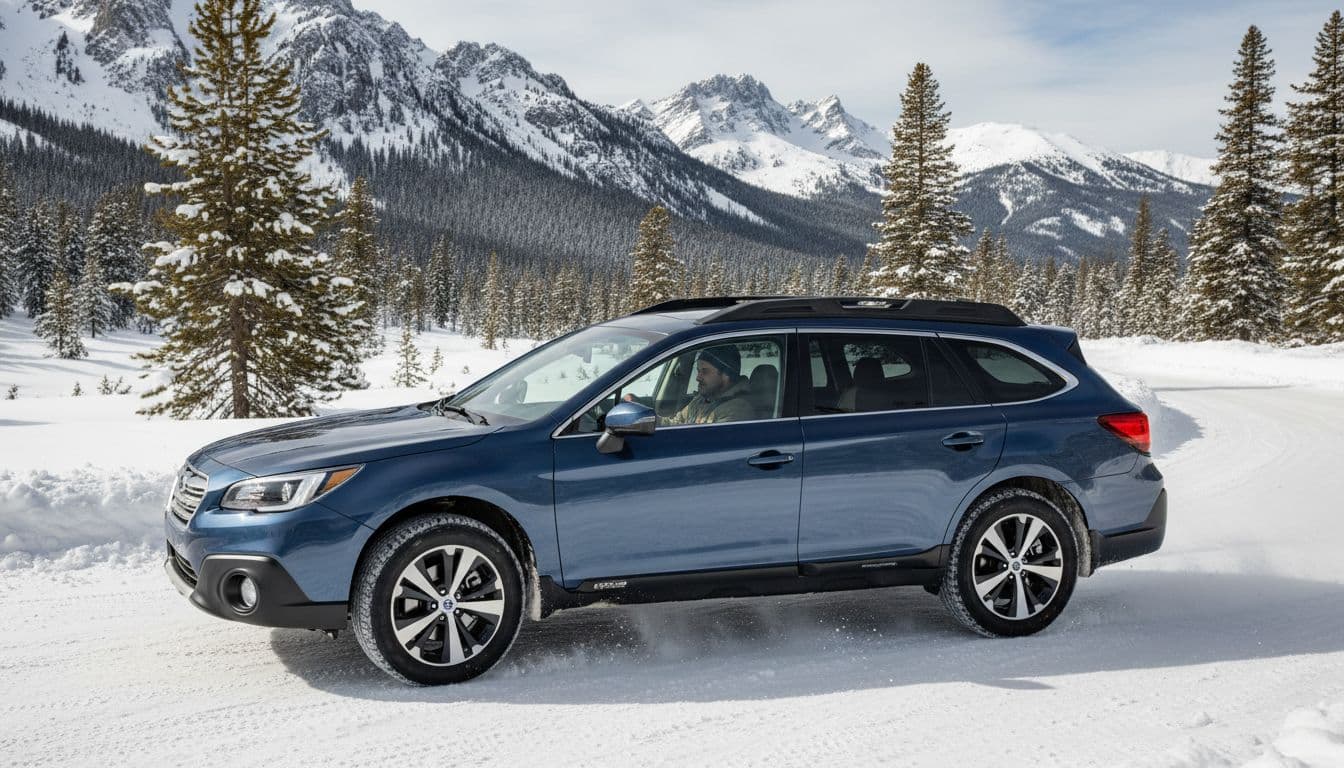
For March 2026, most under-$20K examples have around 90,000 to 110,000 miles. That’s fine if the car has been cared for. Pay close attention to CVT behavior, suspension noise, and full service records. Before buying, check an Outback reliability and recalls overview and compare it with the car in front of you. For drivers who want snow confidence without a bulky SUV feel, this is still the best all-around pick.
2016 Toyota RAV4 AWD, a smart buy for long term reliability
The RAV4 is not the one you’ll buy for excitement. It’s the one you buy because you want fewer surprises. That’s a pretty good reason. It has useful cargo room, a simple layout, a comfortable ride, and Toyota’s strong long-run reputation.
Most AWD listings under $20,000 now sit around 100,000 to 130,000 miles. Even so, clean examples still attract buyers fast because the ownership costs are often reasonable. Watch for brake wear, tire condition, and signs of skipped maintenance. If you want more detail, look over these common 2016 RAV4 trouble spots. It’s one of the safest bets here, even if it won’t make your heart race.
2016 Honda CR-V AWD, a balanced choice with comfort and strong resale value
The CR-V lands right in the middle of the Venn diagram. It’s roomy, easy to drive, efficient, and comfortable on rough pavement. The rear seat is generous, and the cargo area works well for family duty. It also tends to hold value, which is great when you own it, but less fun when you’re buying it.
That popularity means the best ones don’t sit long. If you find a clean CR-V AWD with reasonable miles and records, don’t wait a week to decide. Since the 2016 model uses Honda’s proven 2.4-liter engine, many shoppers like it as a simpler choice than later turbo versions. Check the A/C, listen for suspension noise, and make sure the ride feels tight, not floaty.
Best AWD cars under $20K if you want better gas mileage and a more car like drive
Not every shopper wants to sit higher. If fuel economy, parking ease, and sharper road feel matter more, this group deserves a close look. Also, in March 2026, AWD cars can be a sneaky value play because so many buyers chase SUVs first. Broad market roundups like MotorTrend’s used cars under $20,000 list show how much value still hides in sedans and hatchbacks.
2019 Subaru Impreza, the budget friendly AWD hatch that does almost everything well
The Impreza is one of the few affordable used cars where AWD is standard, not an extra-cost feature. That’s a big deal. It also returns good fuel economy, and the hatchback version adds real-world flexibility for groceries, luggage, or a bike wheel.
Under $20,000, many 2019 examples fall between 70,000 and 100,000 miles. That’s a workable range for a daily driver. The cabin won’t wow luxury shoppers, but it feels honest and useful. Safety tech is a plus, and the size makes city driving easy. Just check for windshield damage, uneven tire wear, and proof of regular CVT service.
2021 Mazda3 AWD, the best pick for drivers who want style and sharp handling
The Mazda3 is the one you choose when you still care how a car feels in a corner. It has quick responses, a classy interior, and a more premium vibe than its price suggests. On the road, it feels planted and polished.
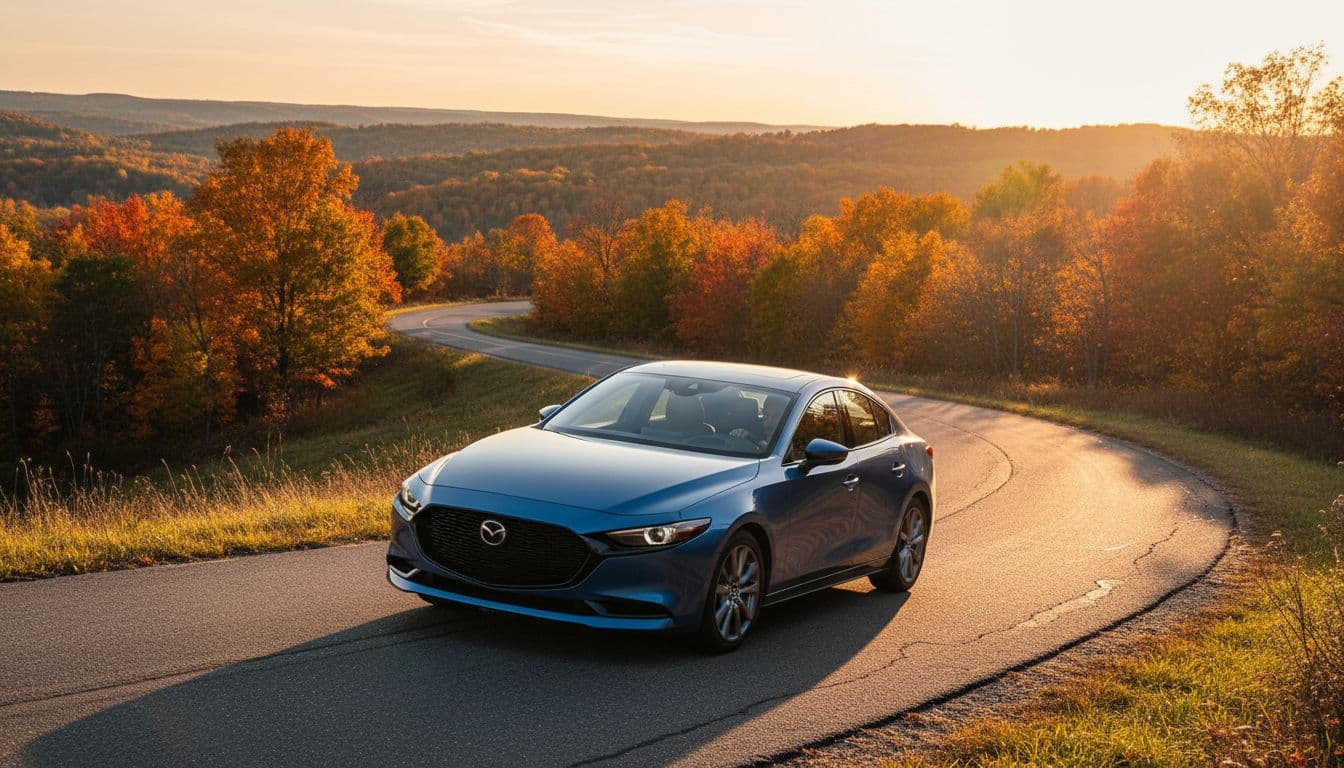
There’s one catch: under-$20K examples are rare and usually high-mile. If you find one, expect 60,000 to 90,000 miles and act quickly. Rear-seat space is tighter than the SUVs here, and the trunk isn’t huge, so it fits singles, couples, and small households best. Check for infotainment glitches and underside rust if the car spent time in salty winters.
2019 Ford Fusion AWD, a comfortable highway cruiser with a lot of features for the money
The Fusion often gives you more equipment for the same money. That’s its edge. Heated seats, better audio, nicer trim, and newer-feeling cabins show up more often here than in some rivals. On the highway, it rides smoothly and feels relaxed.
AWD versions usually land between $15,000 and $18,500, often with 80,000 to 110,000 miles. That’s fair value if the maintenance is solid. Still, check it closely. Rough shifting, cooling-system issues, and neglected fluid service can turn a deal sour. For long commutes and feature-hungry shoppers, though, the Fusion remains an underrated option.
Which AWD model is right for you, based on your budget and daily needs
A good AWD vehicle should fit your week, not just your weather forecast.
Best picks for families, commuters, and snowy climates
For families, the RAV4 and CR-V make the most sense. They offer easy access, strong cargo space, and low-stress daily use. If winter grip matters most and you want something less bulky, the Outback is the standout.
For commuters, the Impreza is the best budget play because it keeps fuel costs reasonable and stays easy to park. The Fusion suits drivers who spend lots of time on highways and want comfort plus features. If you want the nicest cabin and the sharpest handling, the Mazda3 AWD is the driver’s pick.
First-time buyers should focus on the cleanest Impreza, RAV4, or CR-V they can find, not the fanciest trim.
How much to keep aside after the purchase
Don’t spend the full $20,000 on the car alone. Keep money back for taxes, registration, and a pre-purchase inspection. If the tires are worn, replacing all four on an AWD vehicle isn’t cheap. Add oil, filters, fluids, and maybe brakes, and the first month can get expensive fast.
A realistic buffer is $1,500 to $3,000 after purchase. If you’re buying near the top of your budget, aim closer to $3,000. That cushion gives you room to fix small issues before they grow teeth.
The best AWD cars under 20k aren’t always the newest or flashiest. They’re the ones that match your weather, space needs, driving style, and repair budget. If you remember one thing, make it this: buy condition first. A well-kept RAV4, Outback, CR-V, Impreza, Mazda3, or Fusion will beat a rougher “better” car almost every time. Start with maintenance history, inspect the tires and underbody, and price the total cost of ownership before you fall for extra features.

 admin
admin