 admin
adminShopping between these two Teslas gets confusing fast. On paper, they share a lot. In daily life, though, they feel like two different answers to the same question.
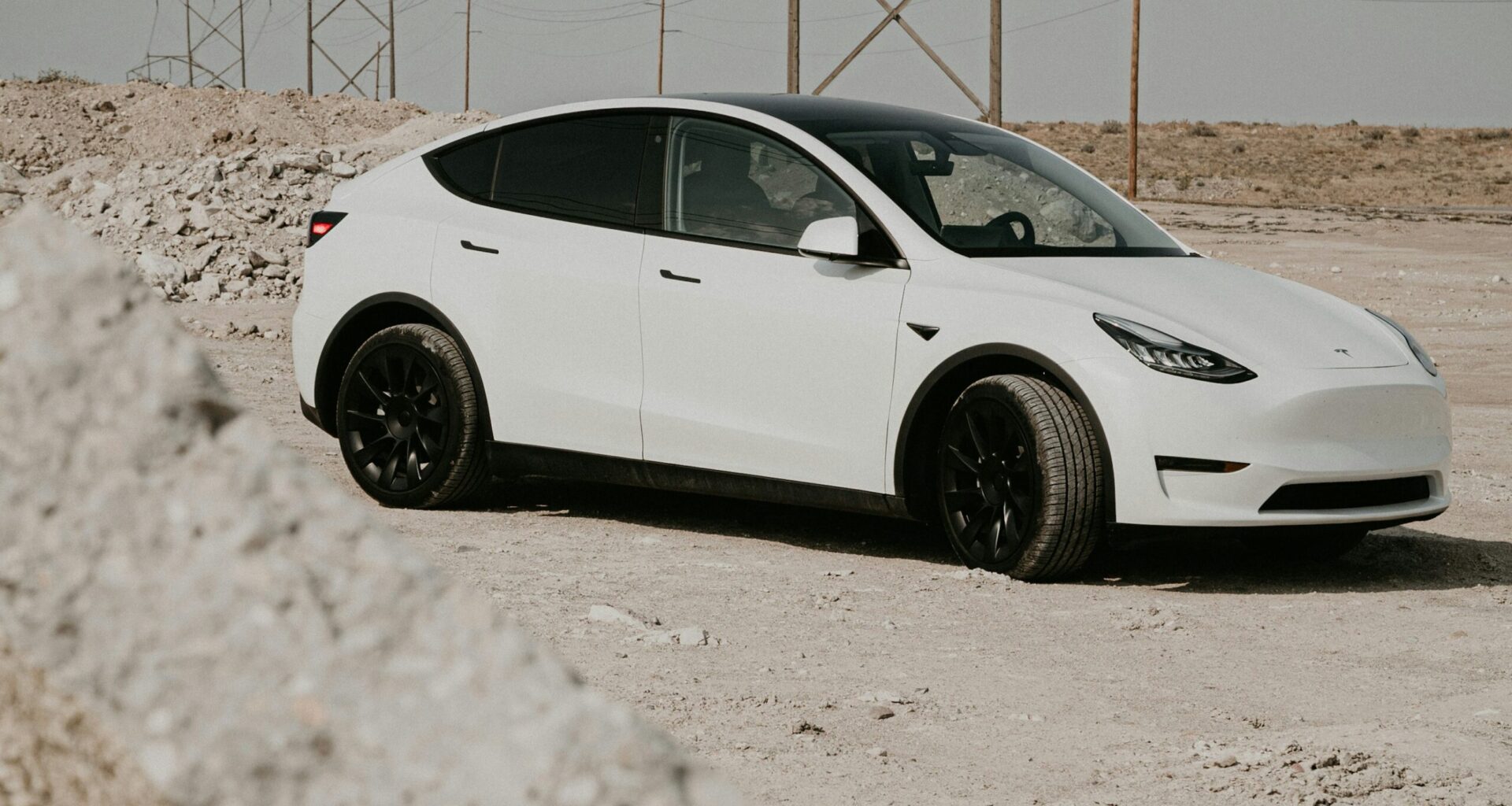
If you’re comparing Tesla Model 3 vs Tesla Model Y specs, start with the body style. The Model 3 is a sedan, lower, sleeker, and usually better on range. The Model Y is a taller crossover, easier to load, easier to climb into, and better for people who carry more stuff. Both give you Tesla software, Supercharger access, and the same basic EV experience. The right pick depends on whether you care more about price, speed, range, or space.
Quick specs snapshot, price, range, and performance at a glance
Here’s the fast view of the numbers most shoppers care about first.
| Spec | Tesla Model 3 | Tesla Model Y |
|---|---|---|
| Starting MSRP | $36,990 | $39,990 |
| Best EPA range | 363 miles | 337 miles |
| Real-world highway range | Around 290 miles | Around 275 miles |
| Fastest 0 to 60 mph | 2.9 seconds | 3.5 seconds |
| Cargo space | 23 cu ft | 29.5 cu ft, up to 76 cu ft folded |
| Seating | 5 | 5, optional 7 on some versions |
| Body style | Sedan | Crossover |
Current US trim pricing also shows the gap clearly. The Model 3 lineup runs $36,990 for Standard RWD, $42,490 for Premium RWD, $47,490 for Premium AWD, and $54,990 for Performance. The Model Y starts at $39,990 for Standard RWD, then $44,990 for Premium RWD, $48,990 for Premium AWD, and $51,490 for Performance.
That means the Model 3 gives you lower entry pricing, while the Model Y asks for more money in exchange for more usable space. If you want a second opinion on the raw numbers, the Car and Driver comparison tool lays out trims and specs in a simple side-by-side format.
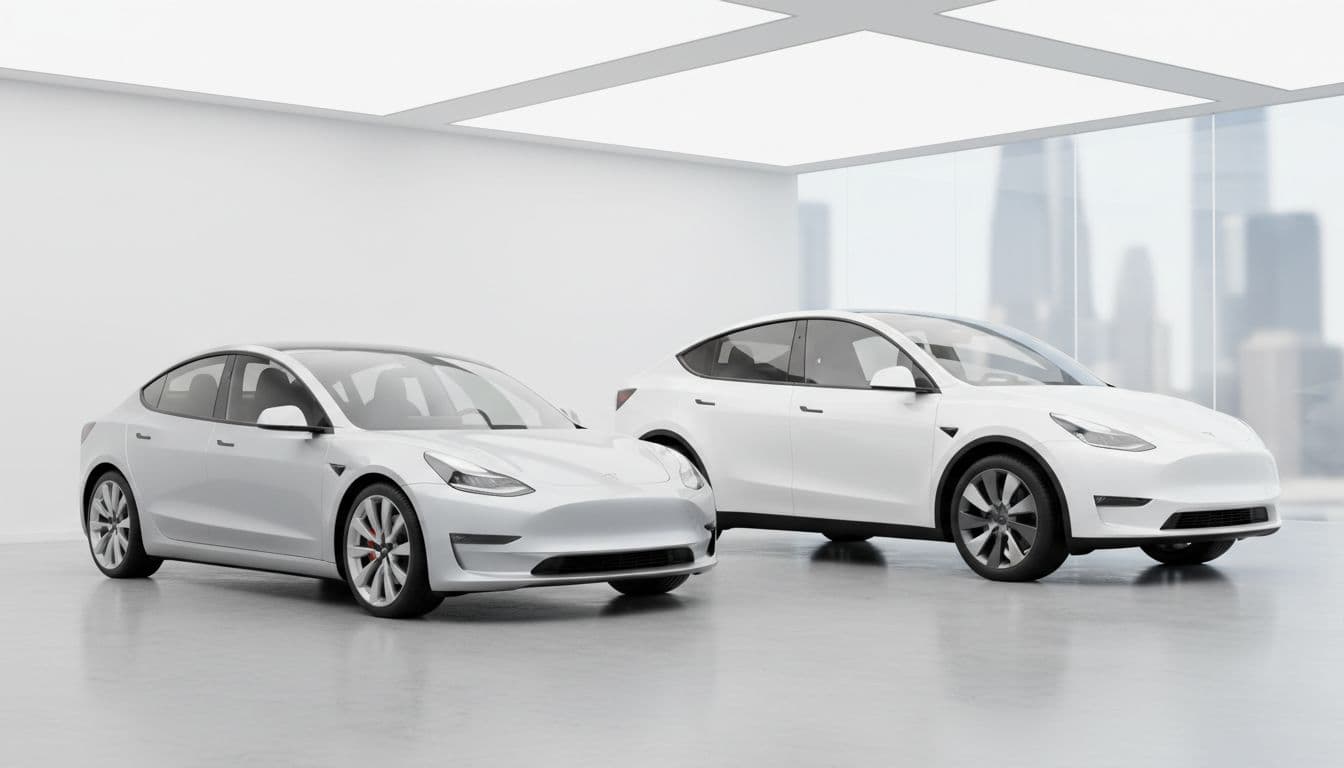
Which Tesla gives you more range for the money?
The Model 3 is usually the better value if range matters most. It starts cheaper, and it also goes farther on a charge in the trims most people shop.
That edge comes from physics, not magic. The Model 3 is lower, lighter, and more aerodynamic. So even when both cars use similar battery and motor setups, the sedan squeezes out more miles. For commuters and anyone who hates charging stops, that matters every week.
EPA range helps compare trims, but your real number depends on speed, weather, wheels, and road grade.
Why the Model 3 is quicker, even though both feel fast
Both cars feel quick the first time you drive them. Even the slower trims have the instant shove EV buyers want.
Still, the Model 3 is the sharper tool. The Performance version hits 60 mph in 2.9 seconds, while the Model Y Performance does it in 3.5 seconds. That’s still blistering for a crossover, but the lighter sedan has an easier job. It also tends to feel a bit tighter under braking, because it carries less height and mass.
Size, seating, and cargo space, the biggest everyday difference
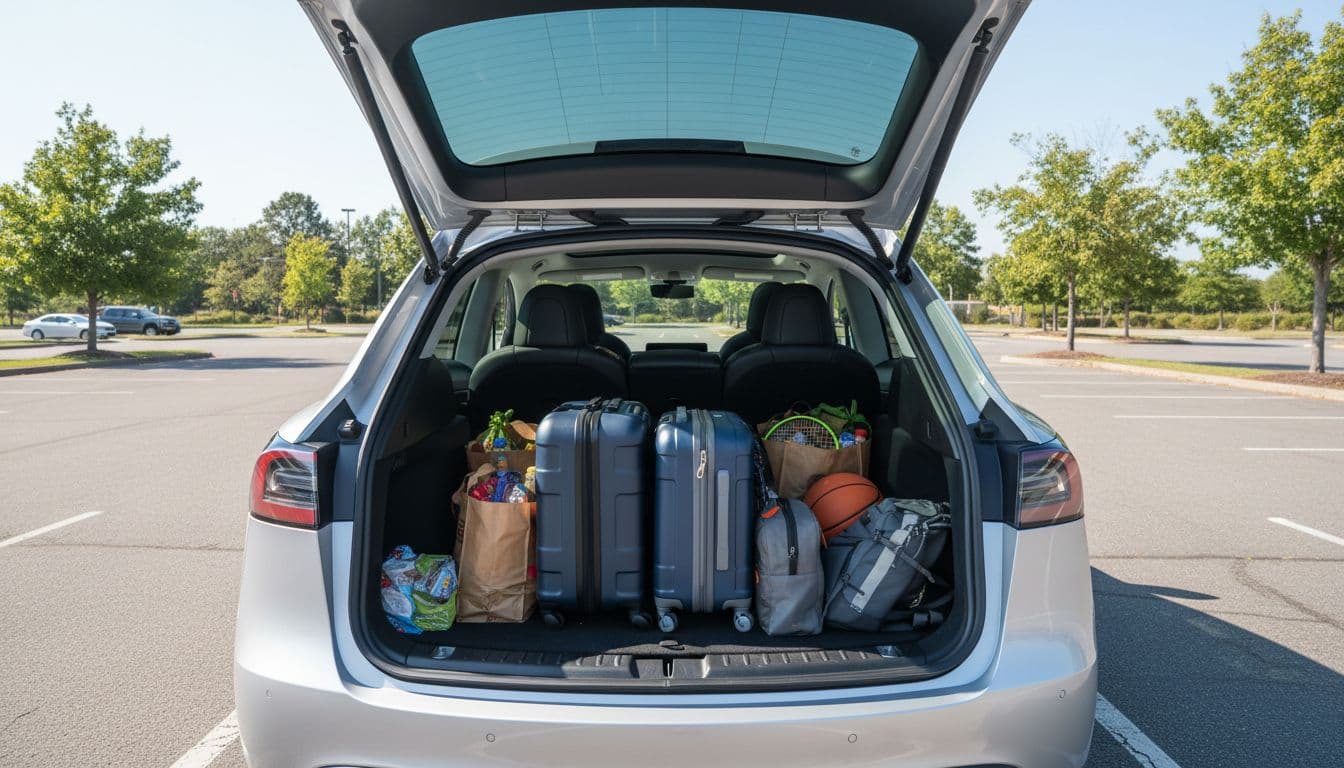
This is where the spec sheet stops being abstract. The Model 3 has 23 cubic feet of cargo space, which sounds decent until you try to load a stroller, a dog crate, or a stack of airport luggage through a sedan trunk opening. The Model Y changes that daily routine because its hatchback opening is wide and tall.
With the rear seats up, the Model Y offers 29.5 cubic feet of cargo room. Fold the seats, and that grows to as much as 76 cubic feet. Both vehicles seat five, but the Model Y can also be ordered in an optional seven-seat layout. That third row is tight, yet it can still help in a pinch.
Numbers only tell part of the story. A hatchback is like having a bigger doorway into the same house. Bulky gear fits more easily, and loading takes less thought. For a broader look at dimensions and packaging, this A Versus B side-by-side comparison is a handy reference.
Model 3 cabin feel, lower seating and a sportier driving position
The Model 3 puts you lower to the ground, and you notice it right away. Your legs stretch out more, the roof feels lower, and the car wraps around you a bit more like a traditional sedan.
That setup suits drivers who want a sportier feel. It feels more planted, especially on highway ramps and quick lane changes. Long drives are still comfortable, but the experience is more driver-focused than family-focused. If you like sitting in the car rather than on top of it, the Model 3 makes more sense.
Model Y practicality, taller seating and more room for bulky items
The Model Y takes the opposite approach. You sit higher, the step-in height is easier, and the outward view is more open. For many buyers, that alone feels more relaxing in traffic.
The hatchback also changes the kind of life the car can handle. Grocery runs are easier. So are strollers, bikes, pet carriers, and road trip coolers. Families tend to notice this fast, because the Model Y asks for fewer loading tricks. You open the rear hatch, toss in the gear, and go.
Driving feel, efficiency, and trim choices in the real world
On the road, both Teslas feel familiar if you’ve driven one modern EV. They’re quiet, quick off the line, and easy to live with. Both offer rear-wheel drive and all-wheel drive, depending on trim. They also share Tesla’s charging network access, core software setup, and the clean, minimal cabin layout buyers expect.
Efficiency is close, too. Both average about 24 kWh per 100 miles in normal use. Even so, the Model 3 usually travels farther because it cuts through the air more cleanly and carries less bulk. The all-wheel-drive numbers show the same pattern. The Model 3 AWD does 0 to 60 mph in about 4.4 seconds, while the Model Y AWD is closer to 5.0 seconds.
There’s one fun detail for enthusiasts. The Model 3 Performance includes Track Mode. The Model Y Performance does not. That won’t matter to most owners, but it tells you how Tesla positions these cars. One is built to entertain more. The other is built to carry more.
If you want another trim-by-trim shopping view, the CarGurus comparison page is useful for sorting specs against price.
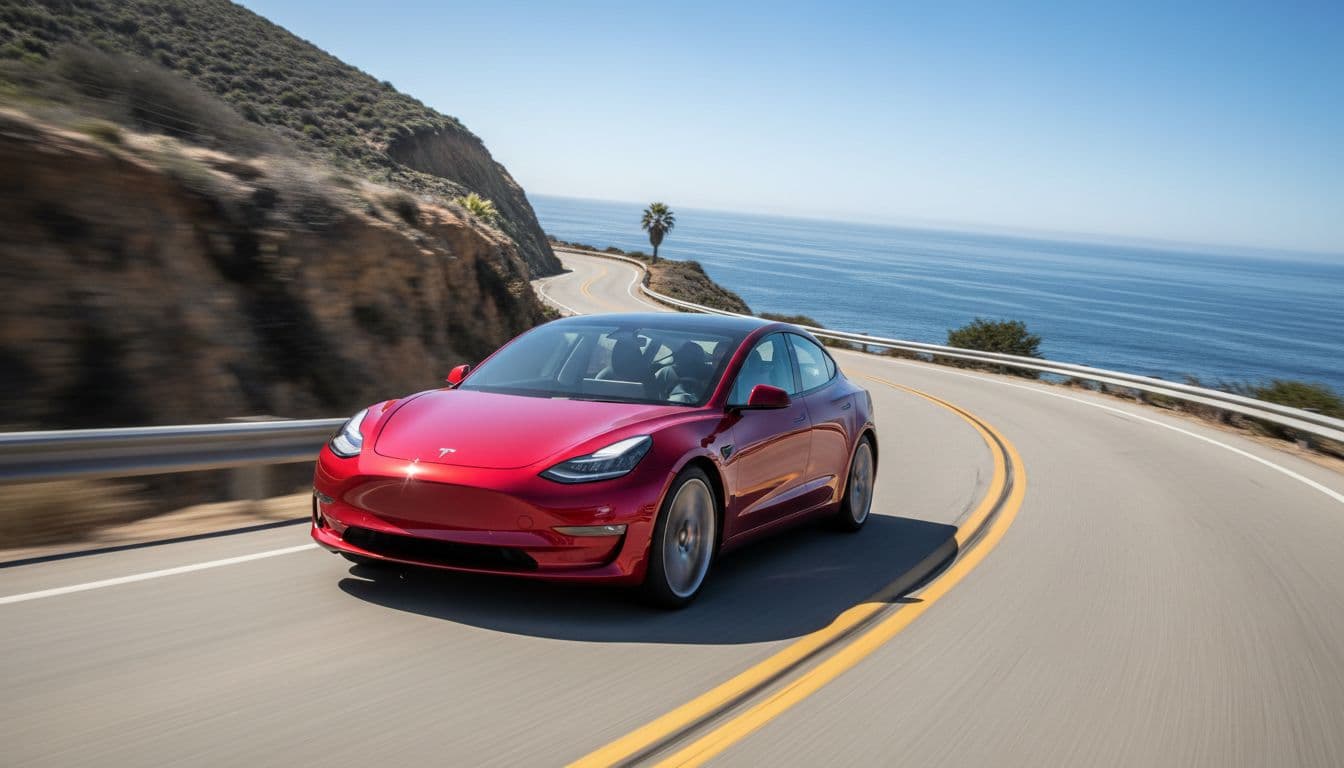
How the Model 3 and Model Y feel on the road
The Model 3 feels more eager in corners. It turns in faster, stays flatter, and reacts more like a sports sedan. If you enjoy driving for its own sake, that matters more than a cargo number ever will.
The Model Y still feels composed, but it behaves more like a compact SUV. There’s a bit more body movement, and it won’t feel as tied down in quick transitions. Simple grip figures tell the same story, about 0.97 G for the Model 3 and about 0.91 G for the Model Y. That’s a small gap on paper, yet you can feel it in a bend.
Which one makes more sense for commuting, road trips, or winter driving
For long commutes, the Model 3 is usually the smarter pick. You get more range, a lower price, and a cleaner shape for highway miles. It also feels better if you spend lots of time alone behind the wheel.
The Model Y fits a different kind of week. It’s easier for family duty, better for bulky cargo, and more helpful when weather turns ugly. AWD trims in both cars improve grip in rain and snow, but some drivers simply feel more confident in a taller vehicle. That’s a comfort factor, not a math problem.
Shared Tesla features, and the final choice for most buyers
This comparison gets easier once you strip away the body style. Both cars give you the same Tesla flavor. You get the large central touchscreen, over-the-air software updates, access to the Supercharger network, and the clean cabin design that skips most physical buttons. Newer versions also bring ventilated front seats and a rear 8-inch screen, which helps second-row passengers feel less like cargo.
Ownership will feel more similar than different. Charging, menus, app control, route planning, and the overall user experience come from the same playbook. If you want a quick visual layout of shared basics, the Cars.com side-by-side research page still gives a helpful high-level comparison.
What you get in either Tesla
You’re not choosing between two separate ecosystems. You’re choosing between two shapes built around the same core idea.
That means both cars deliver the familiar Tesla strengths: fast charging access, regular software updates, quick acceleration, and a cabin that feels modern the moment you sit down. Safety is also a strong part of the package in general terms, even if most buyers will focus first on price, range, and comfort.
Choose the Model 3 if specs matter more than space, choose the Model Y if daily utility wins
The Model 3 is the better buy if you want the cleanest answer on paper. It costs less to start, goes farther, accelerates harder, and feels more fun on a good road. For many shoppers, that makes it the best value in the lineup.
Pick the Model Y if your life is messier, busier, or more gear-heavy. Its higher seating position, larger cargo area, hatchback design, and optional third row make it easier to live with when people, pets, or bulky stuff are part of the plan.
The spec sheet points in a clear direction. Model 3 wins on value, range, and driving feel. Model Y wins on room, flexibility, and day-to-day usefulness.
That’s why this choice is less about brand hype and more about your routine. If most of your miles are solo commuting and highway trips, the Model 3 makes more sense. If your car needs to handle groceries, strollers, luggage, and family duty without a fight, the Model Y is the better fit.
Compare your real week before you compare one more decimal point. That’s where Tesla Model 3 vs Tesla Model Y specs finally become useful.

 admin
admin