 admin
adminIf you want a new SUV without a painful monthly payment, the Hyundai Venue deserves a serious look. It targets buyers who care more about easy parking, fuel savings, and simple daily use than speed or flash.
For 2026, Hyundai sticks with the same basic formula, and that makes sense. The Venue still starts at about $20,550, returns an EPA-estimated 29 city, 33 highway, 31 combined mpg, and includes useful tech and safety features for the money. This Hyundai Venue review looks at where it works well, where it comes up short, and who will be happiest living with it every day.
What the Hyundai Venue is like to drive every day
The Venue uses a 1.6-liter four-cylinder engine with 121 horsepower and a CVT automatic. On paper, that doesn’t sound exciting, and on the road it isn’t. Still, around town, it’s good enough.
From a stoplight, the Venue moves off without drama. Steering feels light, which makes quick turns and parking-lot moves easy. The small body also helps it feel less stressful than larger SUVs in crowded areas. If your driving is mostly city streets, school runs, and short commutes, the powertrain fits the job.
Fuel economy is another plus. The 2026 Venue is rated at 31 mpg combined, which is one of its best traits in real ownership. For current pricing, trim info, and broad market context, Edmunds’ Venue overview is a useful reference point.
That said, the Venue shows its limits once speeds rise. The engine can sound coarse when you push it, and the CVT doesn’t hide that strain. Sharp bumps also make their way into the cabin more than they do in larger, heavier crossovers.
Easy in traffic, easy to park, and built for city life
This is where the Venue earns its keep. In traffic, it feels small in a good way, like wearing sneakers instead of boots. You sit high enough to see out well, and the controls don’t ask much from the driver.
Because it’s short and narrow, tight parking spaces are less of a headache. New drivers should appreciate that, and so will commuters who deal with packed garages every day. The light steering also helps when you’re making U-turns or squeezing into a curbside spot.
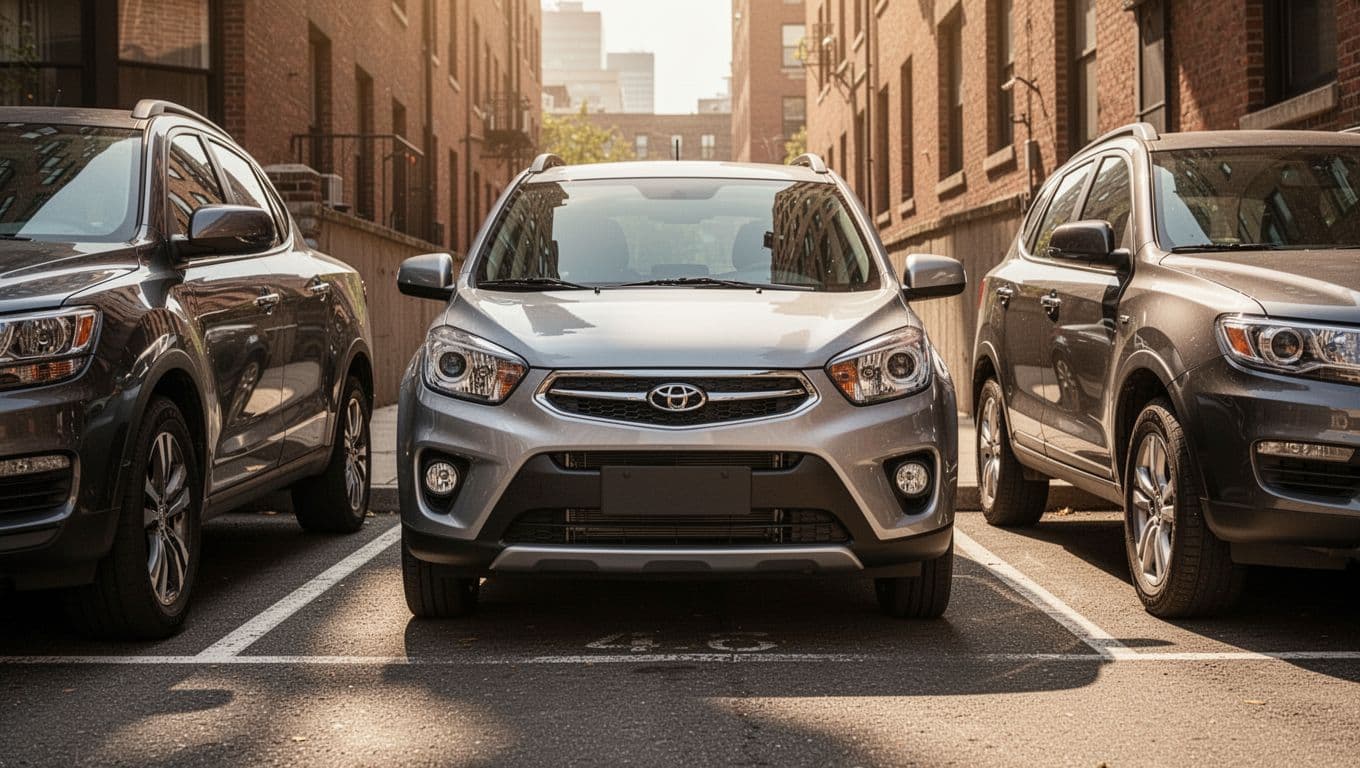
Visibility is decent for this class, and the Venue never feels bulky. That’s a quiet strength. Many buyers don’t need an SUV that feels big. They need one that feels manageable.
Highway limits you should know before you buy
On the highway, the Venue asks for patience. Passing takes planning, especially with passengers or luggage onboard. If you often merge into fast-moving traffic, you’ll notice the lack of punch.
Wind and road noise also stand out on longer drives. The Venue isn’t harsh all the time, but it doesn’t feel especially refined at 70 mph. Crosswinds can make the little Hyundai feel a bit more nervous than larger rivals.
If most of your miles happen on freeways, the Venue’s weak highway power may wear on you over time.
For city-first buyers, that’s not a dealbreaker. For road-trip drivers, it may be.
Inside the cabin, you get smart basics instead of fancy extras
The Venue’s interior matches its mission. It’s simple, practical, and focused on everyday use. You won’t confuse it with a luxury SUV, but you also won’t spend time hunting through confusing controls.
Up front, the cabin feels roomy enough for most adults. Storage is handled well, with useful spaces for a phone, wallet, and drinks. The dashboard design is clean, and everything is placed where you’d expect it. That’s a bigger win than it sounds.
Materials are plain, though. Hard plastics show up in obvious places, and the overall feel is budget-minded. Hyundai isn’t trying to hide that. The Venue is built to hit a low price, and you can see that in the trim and touch points.
Rear-seat space is the bigger compromise. Two average-size adults can fit for shorter trips, but taller passengers won’t call it spacious. If you carry adults in back often, the size limits matter more.
You can compare how it stacks up in the class through U.S. News’ Venue review and rankings, which also reflect broader reviewer sentiment.
Simple tech that is easy to use from day one
This is one of the Venue’s nicest surprises. The standard 8-inch touchscreen is easy to understand, and the menus don’t feel buried under layers of clutter. That’s a relief in a market full of overdone interfaces.
Wireless Apple CarPlay and Android Auto are part of the appeal. For many buyers, that matters more than having a bigger screen. You get your maps, music, and messages without needing a cable, and the learning curve is low.
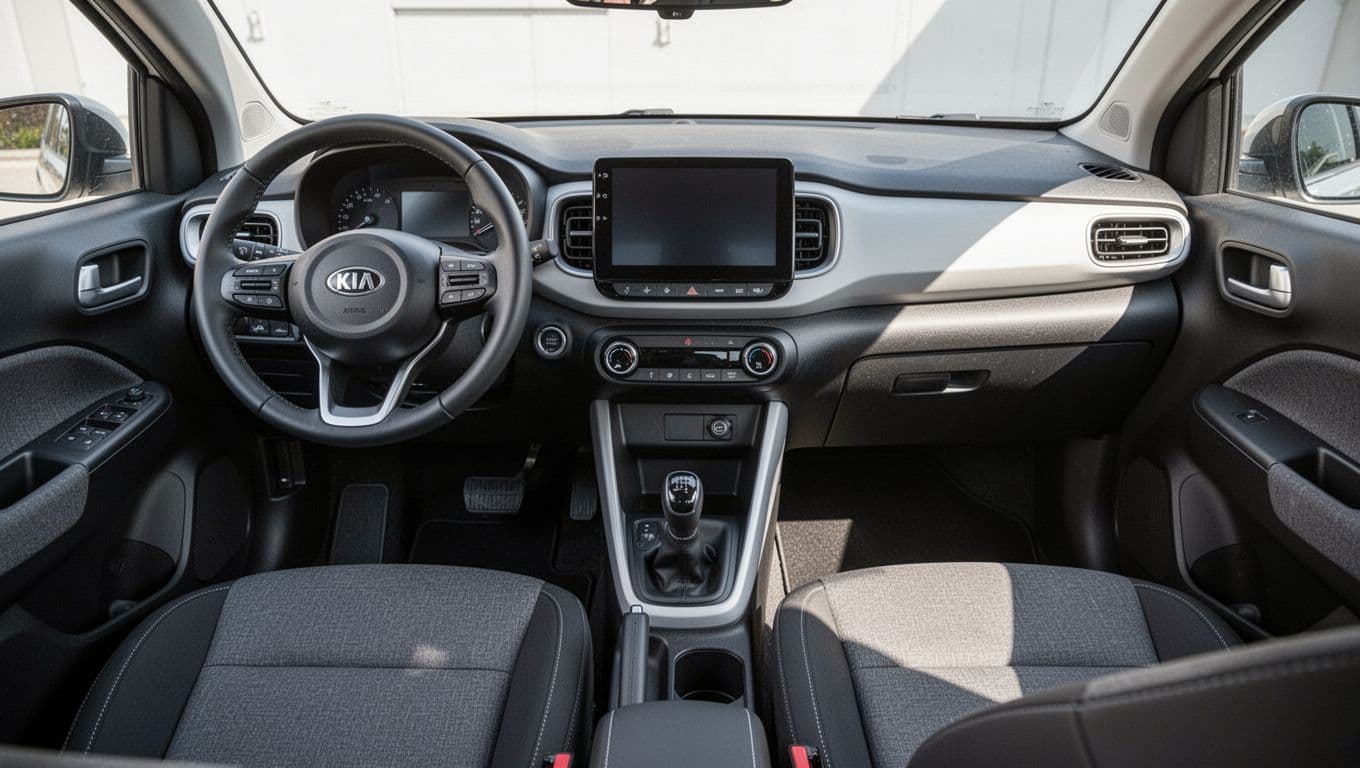
The Venue doesn’t try to impress with flashy graphics. Instead, it keeps things clear and usable. For budget shoppers, that’s often the better bargain.
Comfort and cargo are good, but there are clear size trade-offs
Front seats are comfortable enough for daily commuting and errands. The driving position is upright, and getting in and out is easy. That’s especially helpful for older drivers or anyone who dislikes low-slung cars.
Cargo space is also respectable for such a small SUV. Groceries, backpacks, and a few weekend bags fit without much trouble. Fold the rear seats, and the space becomes more flexible for small home-store runs or airport pickups.

Still, size is size. The Venue works best for singles, couples, or small households with light cargo needs. Big strollers, bulky sports gear, and long family trips will expose its limits pretty fast.
Price, features, and safety are where the Venue makes its best case
Value is the heart of this Hyundai Venue review. The 2026 model starts at $20,550 before destination, which makes it one of the cheapest new SUVs in the U.S. Right now, the lineup is simple, with SE and SEL trims.
A quick comparison helps show the spread.
| Trim | Starting MSRP | What stands out |
|---|---|---|
| SE | $20,550 | Strong base value, standard safety tech, 8-inch touchscreen |
| SEL | About $22,825 and up | More comfort features, available two-tone roof, extra convenience items |
The takeaway is simple. Even the lower trim doesn’t feel bare-bones.
Hyundai also backs the Venue with its well-known warranty coverage. The brand’s 10-year, 100,000-mile powertrain warranty remains one of the biggest reasons value shoppers keep coming back.
Why the low price does not feel stripped down
Cheap cars often feel like punishment. The Venue usually doesn’t. Hyundai gives you the features most people use every day, then skips the stuff that drives the price up.
That means you still get modern infotainment, useful safety aids, and a cabin that feels well organized. The Venue doesn’t pretend to be premium, but it rarely feels careless. That’s a key difference.
If you want trim-by-trim pricing and equipment details in one place, Car and Driver’s Venue specs and pricing page gives a clear snapshot.
Safety features add confidence, even if a few extras are missing
Standard safety tech helps the Venue stand out. Hyundai includes driver aids such as forward collision warning, lane-keeping support, and blind-spot alerts on the 2026 model. That’s strong coverage at this price.
Crash-test data for the newest model year is still limited, but the IIHS Venue safety page is worth checking for updated results and equipment notes.
There are gaps, though. You won’t get adaptive cruise control, and some drivers may find certain alerts a bit eager. That’s not unusual in entry-level vehicles, but it’s still part of the ownership experience.
The Venue gives you the safety features you need most, even if it skips a few nice-to-have extras.
Final verdict, who should buy the Hyundai Venue and who should skip it
The Hyundai Venue makes the strongest case for itself when you judge it by purpose, not fantasy. It’s not built to be quick, plush, or adventurous. It’s built to be affordable, easy to live with, and cheap to fuel. On those points, it does well.
First-time buyers should like it. City drivers should too. So should commuters who want a new SUV with a low entry price, useful tech, and a long warranty. The Venue also makes sense for people downsizing from a larger vehicle and tired of wrestling with parking spots.
On the other hand, some shoppers should keep looking. If you want stronger highway passing power, more rear-seat room, all-wheel drive, or a quieter ride, the Venue will probably feel too limited. It can handle long drives, but it doesn’t enjoy them the way larger crossovers do.
Owner feedback and expert reviews generally land in the same place. People tend to praise the comfort, value, and fuel economy. Reviewers often point to the weak engine and modest refinement as the main drawbacks. That balance feels fair.
The core truth is simple: the Venue is good at the things many drivers deal with every single day.
The best small SUVs aren’t always the most impressive on paper. In this Hyundai Venue review, the real appeal is how easy the Venue makes daily life.
It’s affordable, efficient, and friendly in town. It isn’t powerful or polished, but for buyers who care more about value than bragging rights, it’s one of the smarter choices in the entry-level SUV class.

 admin
admin