 admin
adminA lot of shoppers say crossover vs SUV like it’s the same thing. It isn’t. Most crossovers are built more like cars, while traditional SUVs are built more like trucks.
That sounds like a small detail, but it changes almost everything. Ride comfort, fuel use, towing power, parking ease, and even how tired you feel after a long drive all trace back to that one choice. For most buyers, the real issue isn’t image. It’s which one fits your daily routine, your budget, your family, and your weekends.
Let’s start with the part that makes the rest of the comparison make sense.
The biggest difference starts with how each one is built
In plain English, a crossover usually uses unibody construction. That means the body and frame are built together as one piece, much like a sedan. A traditional SUV often uses body-on-frame construction, where the body sits on a separate frame, more like a pickup truck. If you want a simple outside definition, Wikipedia’s overview of crossover SUVs sums up that split well.
That build style shapes how the vehicle feels every day. Unibody designs are lighter, so they tend to ride smoother, steer easier, and use less fuel. Body-on-frame designs are heavier and tougher, so they handle punishment better and usually tow more.
Think of it like shoes. A crossover is a good pair of running shoes. A traditional SUV is a sturdy work boot. Both can get you where you’re going, but they don’t feel the same on the way there.
Why crossovers feel more like cars on the road
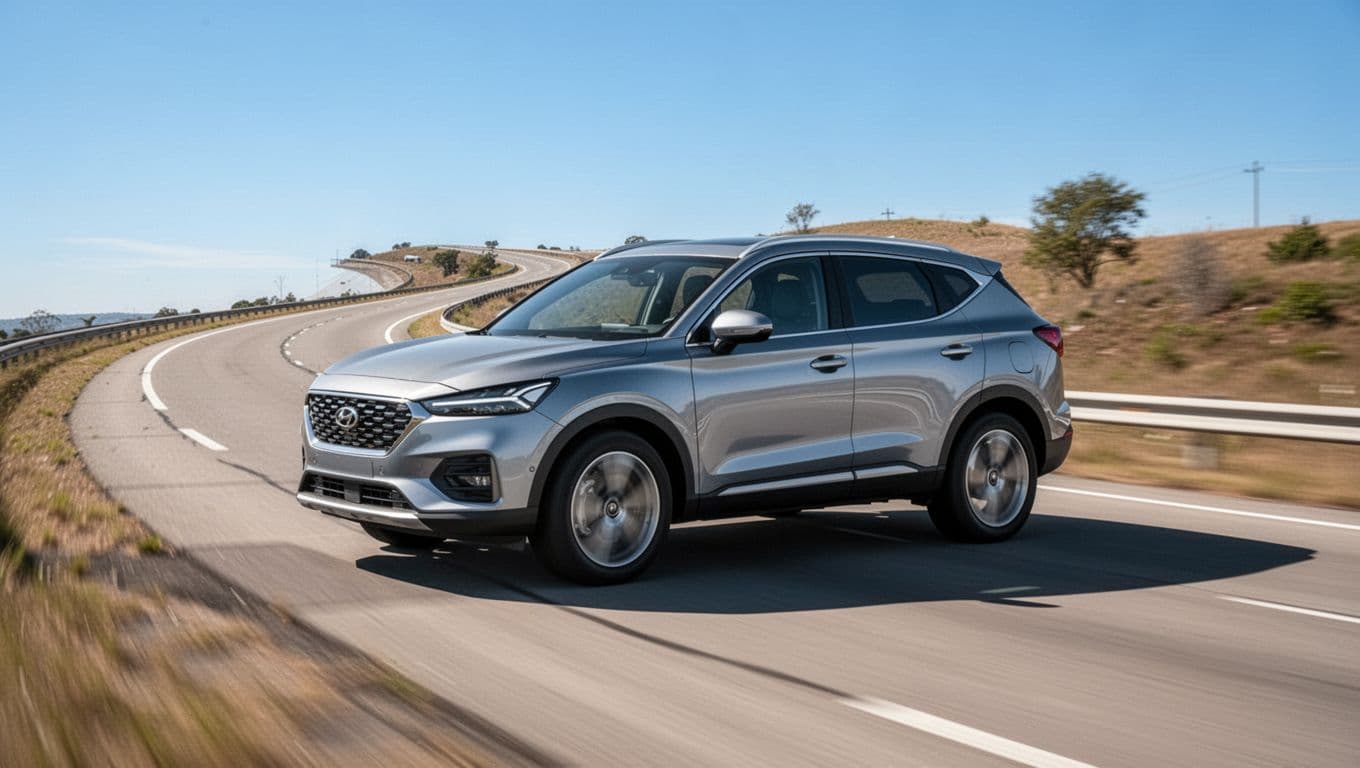
Because they’re lighter and lower in feel, crossovers usually ride with less bounce and lean. Steering also feels quicker, which helps in traffic, parking lots, and tight garages.
That matters more than many buyers expect. School runs, commuting, and highway trips are smoother when the vehicle doesn’t feel bulky. You also get less body roll in turns, so passengers feel more settled. For drivers moving from a sedan, a crossover often feels familiar within the first mile.
Why traditional SUVs feel stronger, but less nimble
Truck-based SUVs trade some grace for grit. Their structure is built to take more abuse, which helps on rough roads, job sites, and trails. That extra strength also helps with towing and carrying heavier loads.
Still, there is a cost. The ride can feel stiffer, the steering slower, and the whole vehicle larger than it looks from the outside. In a crowded suburb or downtown garage, that extra heft becomes hard to ignore.
The shape can fool you. The structure tells you what the vehicle is best at.
How crossover SUVs and SUVs compare in daily driving costs
For most households, ownership costs matter as much as capability. The good news is that the pattern here is pretty clear.
This quick comparison shows where the money usually goes:
| Category | Crossover SUV | Traditional SUV |
|---|---|---|
| Starting price | Often low $30,000s | Often $40,000 and up |
| Fuel economy | Commonly 28 to 39 mpg | Often 15 to 25 mpg |
| Towing | Usually light duty | Much stronger |
| Parking | Easier in cities and garages | Harder in tight spaces |
| Best fit | Commuting, family use, trips | Towing, rough use, off-road work |
For many drivers, crossovers cost less to buy, fuel, and live with. Traditional SUVs ask for more money up front and at the pump, but they give you muscle in return.
Fuel economy, size, and price, where crossovers usually win
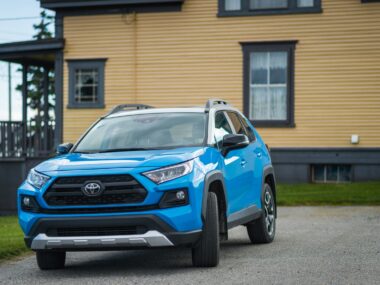
As of early 2026, popular compact crossovers such as the Honda CR-V and Toyota RAV4 start around the low $30,000s. Current market data puts a CR-V LX near $32,370 and a RAV4 LE around $33,350. Higher trims can reach the upper $30,000s, but the entry point is still approachable.
Fuel use is another strong point. Gas versions of those models land around 28 to 33 mpg, and the RAV4 Hybrid can reach about 39 mpg combined. That’s a big deal if you commute daily or spend weekends hauling kids across town. TrueCar’s crossover vs. SUV comparison also highlights how crossovers usually favor efficiency and easy driving.
Then there’s size. Crossovers are easier to fit into garages, easier to parallel park, and less stressful in drive-thrus or crowded lots. Those aren’t flashy benefits, but you notice them every week.
When paying more for a traditional SUV can make sense
Sometimes the extra cost is worth it. If you tow a boat, camper, or utility trailer, a traditional SUV earns its keep fast.
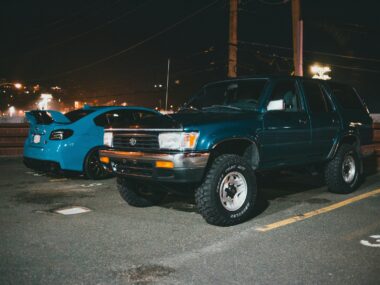
Real-world towing numbers tell the story. Rugged SUVs like the Toyota 4Runner can tow about 5,000 pounds. A Jeep Wrangler can handle roughly 3,500 to 5,000 pounds, depending on setup. Larger SUVs can go much higher, up to about 7,700 pounds in some cases. By contrast, many compact crossovers top out under 1,500 pounds.
You also pay more for durability. If your vehicle sees dirt roads, job sites, steep grades, or frequent heavy cargo, the stronger chassis can save wear and frustration over time.
Which one is better for families, bad weather, and weekend adventures?
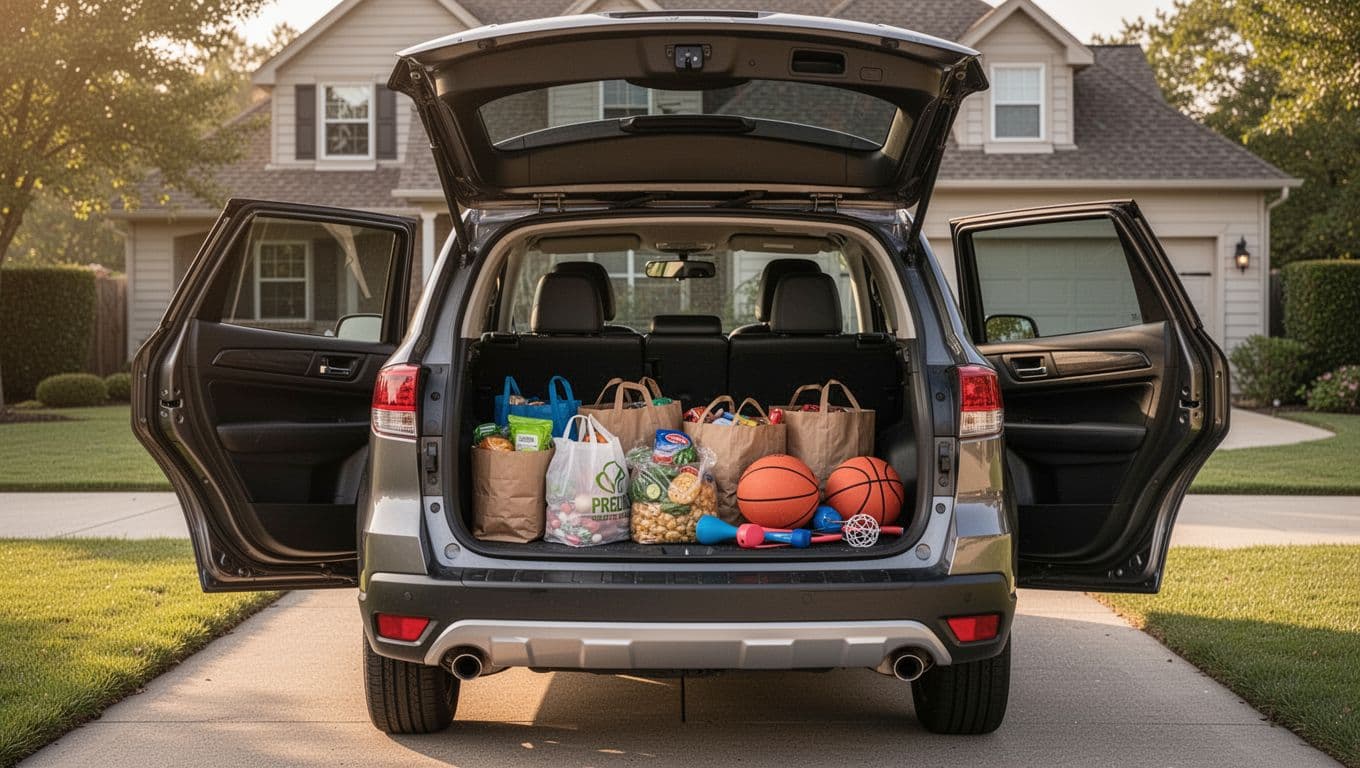
This is where the choice gets personal. Many buyers picture one rough camping trip and talk themselves into more vehicle than they need. Most weeks, though, life looks less dramatic. It looks like school drop-offs, grocery runs, soccer gear, long weekends, and rainy commutes.
For that reason, the best answer often comes down to honesty. Are you planning for your normal life, or for a once-a-year worst case? A lot of families need space, comfort, and confidence in poor weather, not rock-crawling hardware.
For school drop-offs, grocery runs, and road trips, a crossover is often enough
For many households, a crossover checks every major box. Entry height is easy for kids and older adults. Cargo space is generous, yet the vehicle still feels manageable in a parking lot. On long drives, the softer ride also keeps passengers happier.
That helps explain why models like the Toyota RAV4 and Honda CR-V are such common benchmarks. They offer a lot of usable room without the size penalty of a truck-based SUV. If you want another buyer-focused take, this 2026 crossover vs. SUV breakdown makes the same point from a daily-life angle.
Bad weather adds an important detail. Many crossovers offer all-wheel drive, and for rain, slush, and normal snow, that’s enough for most drivers. Good tires matter as much as the badge on the tailgate.
For towing, rough trails, and heavy snow, a traditional SUV still stands out
A traditional SUV starts to pull away when the road gets rough or the load gets heavy. True four-wheel drive, higher ground clearance, stronger underpinnings, and off-road hardware matter when conditions stop being mild.
It’s also smart to separate light trail use from real off-road driving. A gravel road to a cabin is one thing. Deep ruts, steep climbs, rocks, and mud are something else. Many crossovers can handle the first job. Fewer can handle the second without scraping, slipping, or overheating components.
The same goes for winter. AWD is helpful, but it isn’t the same as 4WD with low-range gearing and a tougher chassis. If you live where storms are harsh, roads stay unplowed, or towing happens in bad weather, that extra strength can be worth the trade. For a clear third-party explanation of why people blur these categories, How-To Geek’s comparison is a useful read.
A simple way to choose between a crossover SUV and an SUV
The easiest way to decide is to ignore marketing and picture your average week. Not the dream trip. Not the one snowstorm every two years. Your real week.
If that week is mostly pavement, errands, commuting, and family travel, a crossover usually makes more sense. If that week includes towing, rough access roads, deep snow, or gear-heavy outdoor use, the case for a traditional SUV gets stronger.
Choose a crossover if comfort, efficiency, and easy driving come first
A crossover is probably the better fit if most of these sound like you:
- You drive on paved roads almost all the time.
- Your routine includes commuting, errands, and school runs.
- Lower fuel bills matter.
- You want easy parking and a smoother ride.
- Family trips happen, but heavy towing doesn’t.
For a city commuter, a growing family, or a road-trip household, this is usually the smart choice.
Choose an SUV if strength and capability matter more than ride comfort
A traditional SUV makes more sense if these points match your life:
- You tow a trailer, boat, or camper often.
- You drive on rough trails, job sites, or washboard roads.
- Deep snow or poor road conditions are common.
- You carry heavy loads on a regular basis.
- You want real off-road hardware, not light-duty trail ability.
For an outdoor traveler, a boat owner, or someone in harsh conditions, the extra bulk has a reason.
Many shoppers use these names like they mean the same thing, but the difference matters once you look past the shape. A crossover fits most drivers because it rides better, costs less to run, and handles normal life with less effort.
A traditional SUV still has a clear place. If you tow, hit rough trails, or face hard conditions often, it’s the better tool. The smart move is to shop for your real weekly routine, not the rare weekend that lives mostly in your imagination.

 admin
admin