 admin
adminA lot of shoppers want the comfort and ride height of an SUV, but they also like the strength and bed space a truck brings. That’s where the choice gets tricky, because the better fit depends on how you drive every day, what your family needs, how much you tow, and where the vehicle will spend most of its time.
In 2026, SUVs keep growing with families and hybrid buyers, while trucks still lead for work, towing, and heavy hauling. With new vehicle prices staying high, picking the right one matters more than ever, so let’s break down which option makes the most sense for your life and budget.
The biggest difference between an SUV and a truck comes down to what they are built to do
At the most basic level, an SUV has one enclosed cabin for people and cargo, while a pickup truck has a separate cab and open bed. That body style sounds like a small detail, but it changes almost everything, from ride comfort to cargo flexibility to how the vehicle fits into daily life.
In plain terms, SUVs are usually shaped around passengers, comfort, and all-around use. Trucks are shaped around hauling, towing, and carrying messy, tall, or heavy stuff. Once you understand that, the rest of the SUV vs truck decision starts to make more sense.
Why SUVs feel more family friendly and easier to live with every day
An SUV’s enclosed rear cargo area is a big reason families like them. You can load groceries, sports bags, backpacks, or a stroller from the rear hatch and keep everything dry, secure, and easy to reach. On a rainy day, that matters a lot more than specs on a page.
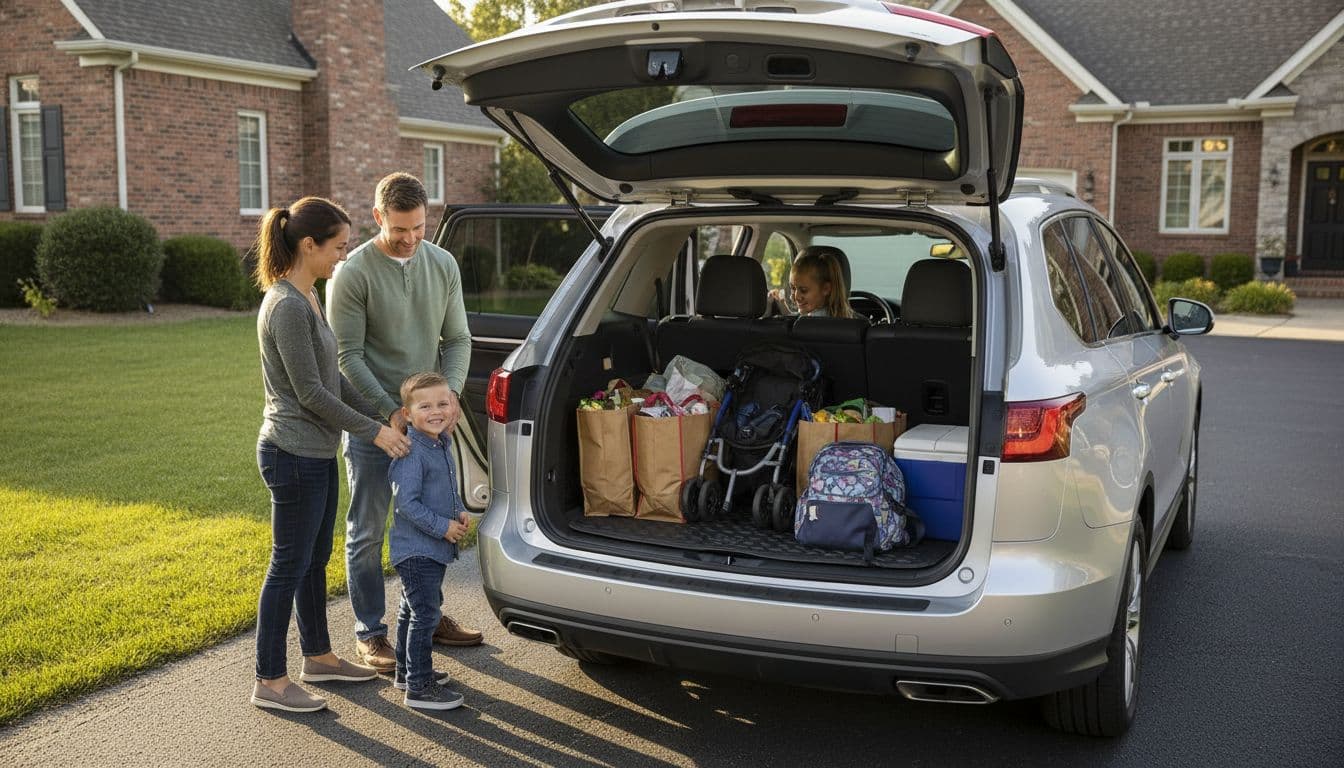
SUVs also tend to feel more flexible inside. Fold-flat seats, available third rows, and easier access to cabin storage make them better suited for school drop-offs, Costco runs, commuting, and road trips. In other words, an SUV works like a family room on wheels, not just a box for cargo.
That design usually brings a more car-like feel, too. Most SUVs ride smoother, feel easier to park, and make everyday driving less tiring. If most of your miles are errands, highway trips, and kid duty, that matters more than having an open bed you’ll rarely use. For a broader look at how body style shapes daily use, see this SUV and truck comparison guide.
Family-focused features also keep getting better. Many 2026 SUVs offer more rear USB ports, better second-row comfort, and more hybrid choices than trucks. Models highlighted in U.S. News family vehicle awards and recent 2026 hybrid SUV rankings show where the market is headed: more efficient, more comfortable, and more tuned for daily family life.
If your vehicle spends most of its time carrying people, not plywood, an SUV usually feels like the easier choice.
Why trucks are still the better tool for hard work and heavy loads
A truck earns its keep because the open bed handles jobs an SUV simply can’t. Dirty mulch, wet yard waste, gas cans, muddy tools, sheet goods, furniture, or a motorcycle can go in the back without worrying about your carpet, trim, or interior smell. When the job is messy, the bed is your work zone.
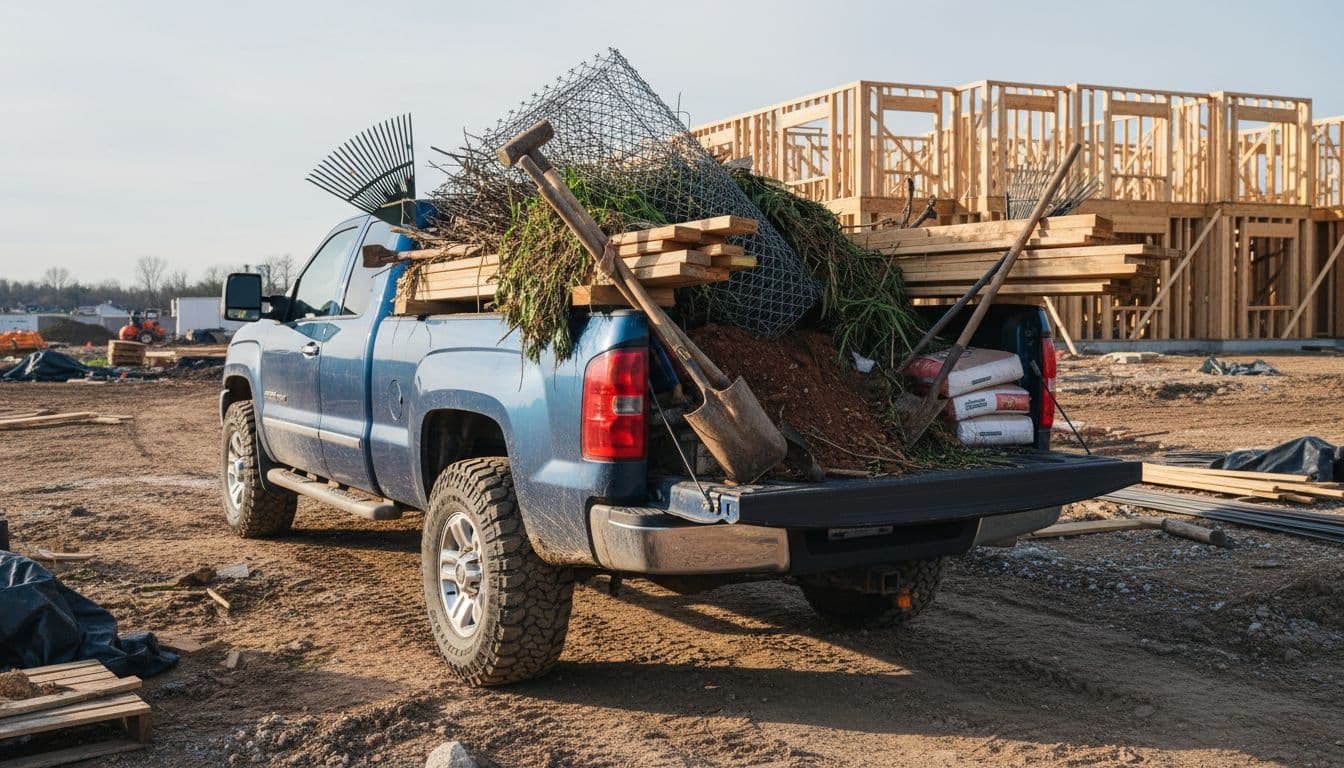
That open layout also makes oversized cargo much easier to manage. A stack of lumber, a load of pavers, a riding mower, or a tall appliance may fit in a truck bed even when it would never clear an SUV’s roofline or hatch opening. Cleanup is simpler, too. You can sweep out a bed or hose it down instead of scrubbing an interior.
Then there’s towing and payload. In most cases, trucks offer higher payload ratings and stronger tow ratings, especially full-size and heavy-duty models. Current 2026 data shows top heavy-duty trucks can reach 40,000 pounds of towing and around 8,000 pounds of payload in the right configuration, which is far beyond what most SUVs are built to handle. Ford’s 2026 Super Duty specs and the 2026 Ram HD towing and payload chart show just how wide that gap can be.
So while a truck may feel less polished in daily family use, it stays the better answer for real hauling. If your weekends involve trailers, building supplies, or loads that are heavy, sharp, muddy, or awkward, a truck isn’t just different from an SUV, it’s the right tool for the job.
Compare SUV vs. truck costs before you fall in love with one
Price can pull you in fast, especially when the first ad shows a low monthly payment. But the real SUV vs. truck cost picture usually changes once you add the features most buyers actually want.
That matters because base models are rarely the final bill. By the time you add four-wheel drive, a stronger engine, comfort features, towing gear, and dealer fees, the gap between “reasonable” and “why is this payment so high?” can get wide in a hurry.
Upfront price, trim levels, and how fast the monthly payment can climb
On paper, both SUVs and trucks can look manageable at the entry level. In 2026, full-size pickups average about $65,000 to start, while full-size SUVs average closer to $78,000, with some large SUVs starting in the low-to-upper $60,000 range before options. That makes trucks look like the easier buy at first glance, especially if you’re cross-shopping a half-ton pickup against a Tahoe, Yukon, or Suburban-sized SUV.
Still, base pricing can be a little misleading. Many shoppers don’t want the stripped version. They want 4WD, heated seats, a bigger screen, driver-assist tech, and maybe a better engine. That’s where the bill starts climbing.
A simple comparison helps show the pattern:
| Upgrade area | SUV effect on price | Truck effect on price |
|---|---|---|
| 4WD or AWD | Often adds a few thousand dollars | Often adds a few thousand dollars |
| Larger engine | Common on bigger SUVs, raises price fast | V8, turbo, or higher-output setups raise price fast |
| Towing package | May be optional, sometimes bundled with trim | Often pushes buyers into higher trims or axle packages |
| Luxury trim | Can add a huge jump in features and payment | Crew cab plus premium trim can get expensive very quickly |
| Tech packages | Cameras, hands-free driving, audio, and screens add up | Same story, especially on popular family-use trims |
The biggest trap is that popular trims are not base trims. A truck that starts lower can become expensive once you add a crew cab, 4WD, off-road package, bed tech, and towing hardware. An SUV can follow the same path with a panoramic roof, upgraded interior, larger wheels, and a premium sound system. One click at a time, your payment grows.
Compact and mid-size trucks can change the math, though. If you don’t need full-size towing numbers, a smaller truck can be a smart entry point. In many cases, compact trucks cost less to get into than large SUVs, while still giving you a bed for home projects, bikes, or messy cargo. That’s a big reason value-minded buyers keep looking at this part of the market.
Monthly payment pressure doesn’t come from MSRP alone, either. A higher trim often means:
- More sales tax, because the transaction price is higher
- Higher insurance, because replacement costs go up
- Bigger wheels and tires, which cost more later
- More interest paid, if you’re financing a larger amount
If you’re trying to stay on budget, price the vehicle the way you’d actually buy it, not the way the ad shows it. A realistic quote should include your must-haves, not just the cheapest version on the page. For a broader look at rising ownership costs beyond the sticker, this USA TODAY ownership cost breakdown is a helpful reality check.
The cheapest-looking SUV or truck often stops being cheap the moment you build it the way you want to live with it.
Fuel economy and why SUVs often have a small edge in 2026
Fuel costs can tilt the budget over time, especially if you drive a lot each week. In general, SUVs often have a small efficiency edge in 2026, but it’s not a magic difference, and it depends a lot on size, engine, and drivetrain.
Part of that edge comes from shape and setup. Many SUVs are tuned more for daily driving than hauling, and more of them now offer hybrid versions. Trucks have improved, but hybrid choices are still thinner across the field, especially once you narrow the list by cab style, bed length, drivetrain, or towing needs.
The latest official EPA data available shows a broad gap between categories. Truck SUVs averaged 25.7 mpg in recent EPA reporting, while pickups averaged 20.5 mpg. That’s a useful guide, but you still need to shop model by model because a full-size SUV with a strong engine can easily land in the high teens, and a well-configured truck can do better than you might expect.
A few things push fuel costs up fast in either type:
- 4WD systems
- Bigger engines
- Heavy wheels and all-terrain tires
- Tall lift or off-road packages
- Frequent towing or heavy payload use
That’s why the savings are often modest, not dramatic. If you compare a large gas SUV with a large gas truck, neither is going to feel cheap at the pump. But if you’re comparing an SUV hybrid to a non-hybrid truck, the gap can be much more noticeable over a few years.
Hybrid availability is where SUVs currently look stronger for many shoppers. Family-focused SUVs now give you more efficient choices without forcing you into a luxury price bracket. Trucks are catching up, but the mix is still less deep. The FuelEconomy.gov 2026 efficiency list shows how widely fuel use can vary, even within the same broad category.
There’s one important exception. Compact trucks can be very efficient, especially in hybrid form. If your needs are light-duty and you like the idea of a bed, a smaller truck may undercut some larger SUVs on both fuel and purchase price. So while SUVs often have the edge overall, size matters more than the badge on the back.
Long term value, resale, and which one may cost less to own
The long game matters more than most shoppers think. Depreciation is usually your biggest ownership cost, and trucks often do very well here because demand stays strong with contractors, outdoor buyers, and used-vehicle shoppers who want a practical work tool.
In 2026, some pickups hold value extremely well. Recent resale data shows strong truck performers near or above the high-50% range after five years, and some models do even better. SUVs can also retain value well, especially proven family and off-road models, but trucks often have a slight edge because the used market keeps pulling them along. Kelley Blue Book’s best resale value winners reflects that trend.
But resale alone doesn’t decide which one costs less to own. If you don’t need truck capability, a truck can still cost you more month after month. That’s because ownership isn’t just what you sell it for later. It’s also what you spend while you have it.
Think about the full list:
- Insurance often runs higher on larger, more powerful trucks
- Fuel usually favors SUVs, especially hybrid SUVs
- Tires can cost more on trucks, especially with larger all-terrain setups
- Maintenance may rise with heavy use, towing, or off-road driving
- Depreciation may favor trucks, but only if you bought the right model at the right price
So which one may cost less to own? For many people, the answer is simple: the one that matches real use. If you commute, carry kids, travel, and rarely haul dirty or oversized loads, an SUV often makes better financial sense. You may spend less on fuel, tires, and insurance, and you won’t be paying extra for capability you barely touch.
On the other hand, if you tow regularly, haul equipment, or use the bed every month, a truck can justify its higher running costs. In that case, the stronger resale and real utility can make it the smarter buy, not just the tougher-looking one.
A good way to check yourself is to ask one plain question: What job will this vehicle do most weeks? If the honest answer is school runs, groceries, commuting, and road trips, buy for that life. If it’s trailers, lumber, tools, or yard loads, buy for that instead. Cost ownership follows use far more than image.
Think about what you carry, tow, and do on weekends
Specs matter, but your routine matters more. The right choice usually shows up in the small stuff, like school runs, rainy grocery trips, boat days, mulch runs, and whether your gear needs to stay clean, dry, and locked up.
Choose an SUV if people, pets, and protected cargo come first
If your vehicle mostly carries kids, dogs, backpacks, groceries, and weekend bags, an SUV usually fits better. The enclosed cargo area keeps things dry, secure, and climate-controlled, which matters when you have luggage, sports gear, a stroller, or pet supplies in back.
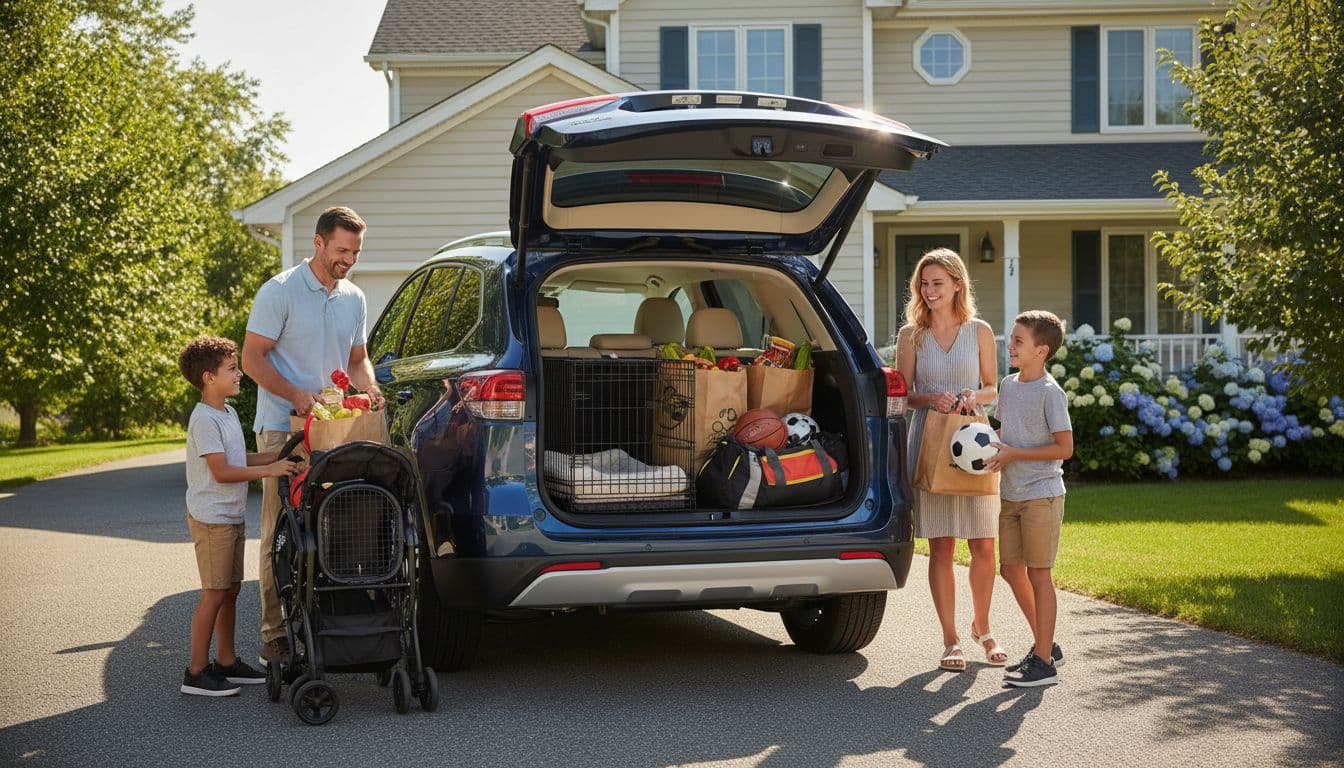
Fold-flat seats add a lot of flexibility, too. One day it’s a family hauler, the next day it swallows hockey bags, a dog crate, and carry-on luggage. That’s why many three-row models still work well for road-trip families, as shown in MotorTrend’s 2026 midsize 3-row SUV picks.
Most SUVs also make more sense if your towing needs are light. Many models tow about 1,000 to 5,000 pounds, and some large SUVs can reach around 10,000 pounds when properly equipped.
Choose a truck if you tow often or haul bulky, dirty, or heavy stuff
A truck makes more sense when your weekends look like workdays in disguise. Think utility trailers, bass boats, campers, ATVs, landscaping tools, sheets of plywood, gravel, or a couch you just found on Facebook Marketplace.
This is where trucks pull away fast. Compact trucks can tow about 4,000 to 5,000 pounds, while heavy-duty models can reach about 24,900 pounds in common max-tow comparisons, and much more in certain configurations. Payload and towing usually favor trucks by a wide margin, so they stay the better pick for regular hauling.
If you tow often, a truck is usually the safer long-term bet, not just the stronger-looking one.
Do not forget payload, bed size, and cargo shape limits
A lot of shoppers fixate on towing and miss payload, which includes people, gear, and trailer tongue weight. That number gets eaten up fast once you add passengers, coolers, tools, and hitch weight.
Shape matters, too. A truck bed handles a tall fridge, muddy bikes, or wet yard waste with less drama. An SUV, on the other hand, protects luggage, laptops, and groceries far better. In short, a truck gives you open-bed freedom, while an SUV gives you cleaner, safer cargo space. The best answer depends on what you’re loading most weekends, not once a year.
How SUV and truck driving feel on the road, in traffic, and off pavement
On paper, specs can look close. Behind the wheel, the difference is usually obvious within the first few miles. An SUV often feels lighter on its feet and easier to place, while a truck feels bigger, taller, and more serious about work.
That doesn’t make one better for everyone. It means each one shines in a different kind of daily life. If you spend most of your time in traffic, parking decks, and school pickup lines, the driving feel matters just as much as towing numbers.
SUVs are usually easier to park, turn, and drive in town
In daily driving, SUVs usually feel more natural for most people. They’re often shorter, easier to judge from the driver’s seat, and less work in tight turns. That helps when you’re pulling into a crowded grocery lot or swinging into a narrow garage without holding your breath.
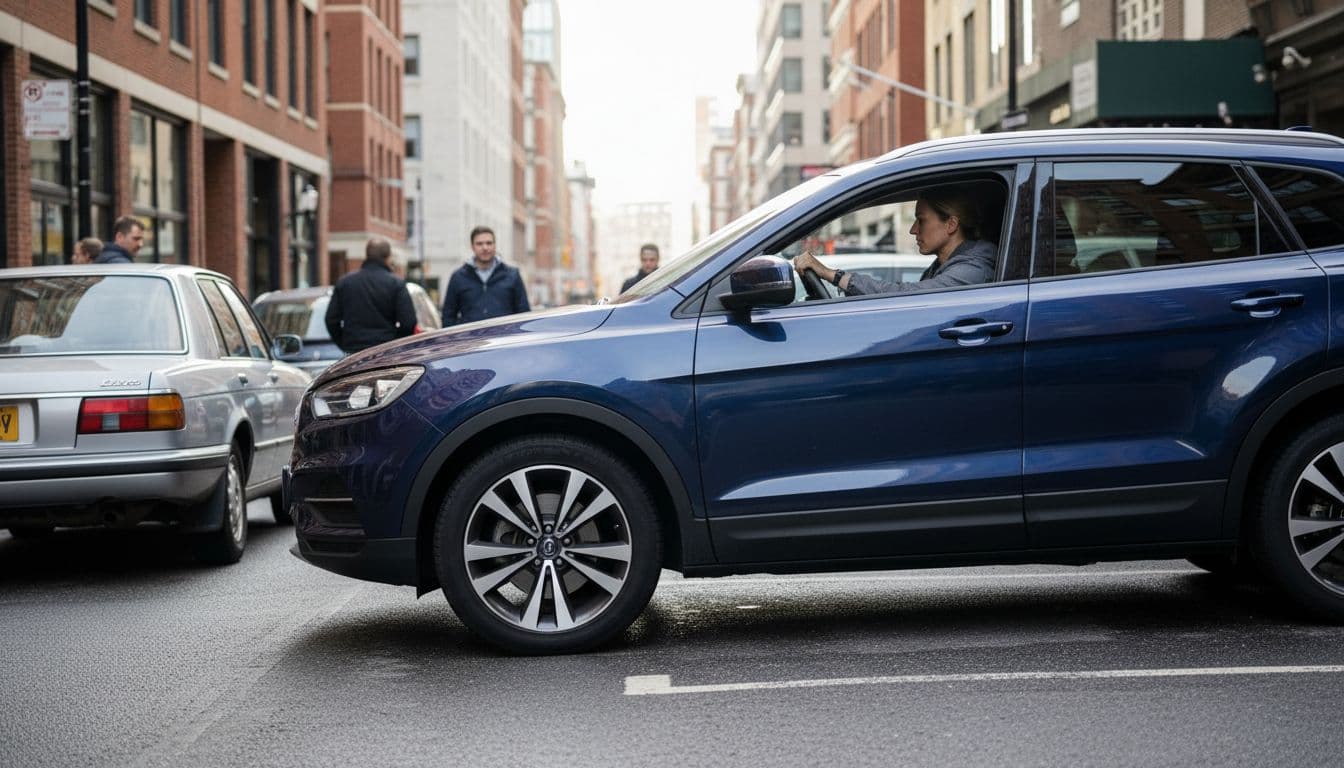
The smoother feel shows up in small moments. U-turns take less room. Parking spaces feel less cramped. Stop-and-go traffic is also less tiring because an SUV usually responds more like a car than a tool built for hauling. Recent market comparisons continue to point to SUVs as the easier fit for city use and highway commuting, especially when parking and maneuverability matter most, as covered in this SUV vs. pickup overview.
For suburban and city drivers, that can make a real difference:
- You can usually park faster and with less stress.
- Tight parking garages feel less claustrophobic.
- Narrow drive-thrus, side streets, and crowded school lots are easier to manage.
Visibility can be good in both, but an SUV often feels easier to read at the corners. You don’t have as much vehicle to swing around, and that lowers the mental load. In other words, an SUV tends to feel like sneakers, while a full-size truck can feel more like work boots.
Trucks feel stronger under load, but bigger size can be a tradeoff
A truck starts to make more sense when you add weight. Hook up a trailer, load the bed with gear, or carry heavy cargo, and a pickup often feels more settled in its element. That’s because trucks are built for that kind of work. The chassis, suspension, and towing setup are meant to handle strain without feeling overwhelmed.
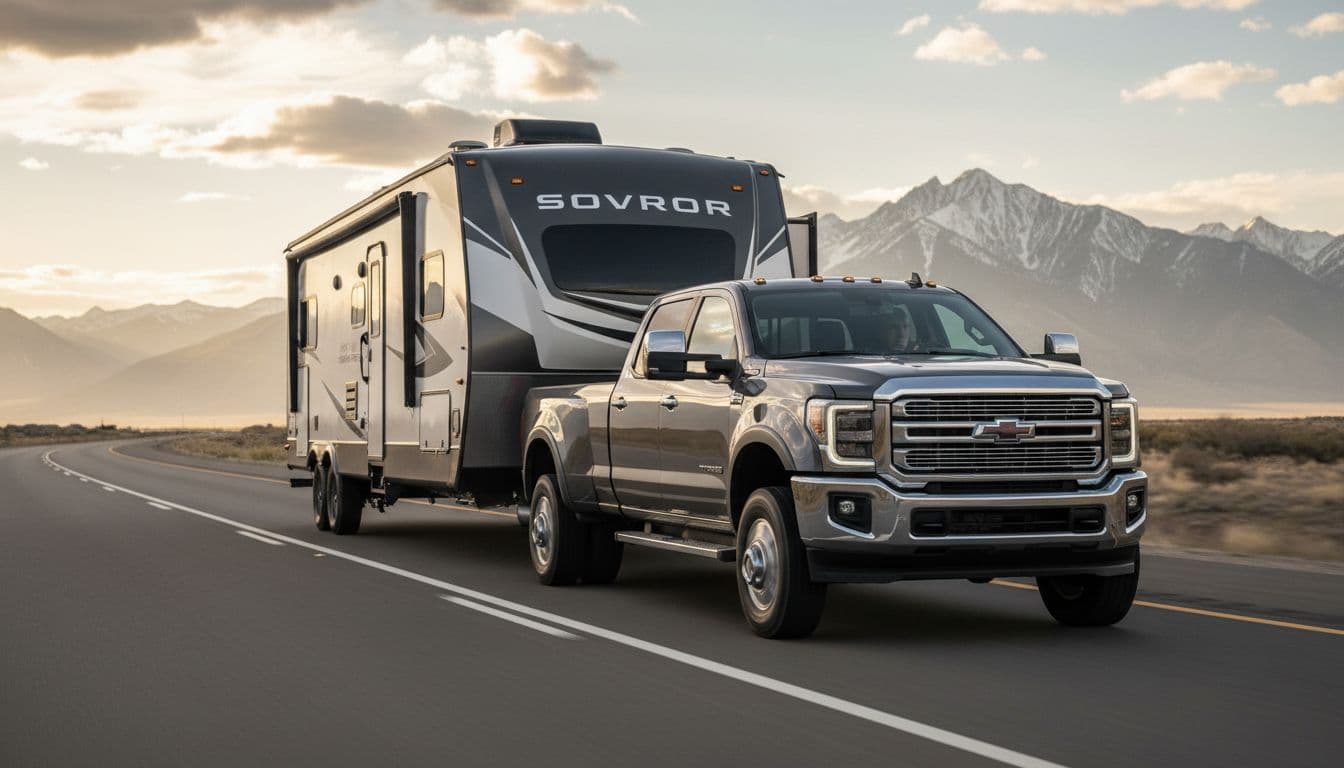
That’s the upside. The tradeoff shows up the rest of the week. Trucks are longer, often taller, and usually need more room to turn. So while they can feel planted and strong on the highway, they may feel less nimble in town. A tight coffee shop lot or older parking garage can turn into a three-point exercise.
You may notice the tradeoff most in these areas:
- Turning radius is often wider, so quick turns need more planning.
- Ride height can make entry and exit less convenient for some drivers.
- Commuting comfort may be less relaxed if you rarely use the truck’s heavy-duty strengths.
That doesn’t mean trucks are unpleasant to drive. It means they ask more from you in traffic. If your week includes towing, job-site runs, or frequent heavy loads, that extra bulk feels justified. If not, it can feel like carrying a ladder to open a kitchen drawer.
A truck often feels best when it’s doing truck things. Empty and in traffic, the size can feel like a bigger compromise.
Which one is better for snow, trails, and rough roads
This one is closer than many buyers think. A good SUV with all-wheel drive or four-wheel drive can do very well in snow, on dirt roads, and on light trails. Because many SUVs are shorter and more agile, they can also feel easier to place on narrow paths or twisty forest roads.
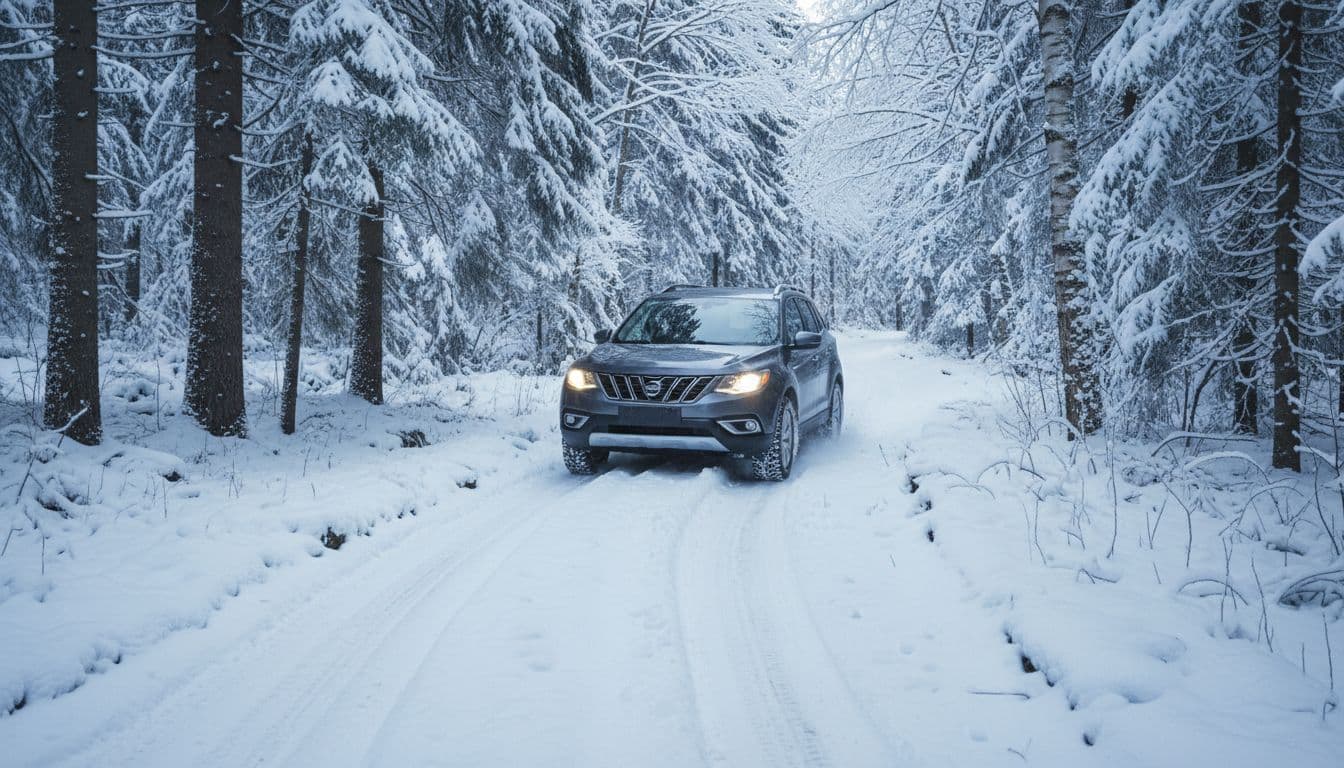
In snow, tire choice matters as much as body style. That’s why a well-equipped SUV can feel more confident than a truck on the wrong tires. Recent winter driving coverage has made that point clearly, especially in this snow driving report from USA TODAY. Ground clearance helps, but control matters more.
Trucks still bring real strengths off pavement. They feel rugged on washboard roads, deep ruts, and rough job-site surfaces. If you need durability, bed utility, and a tougher setup for repeated abuse, a truck is hard to beat. Still, that extra length can work against you on tighter trails where careful placement matters.
A simple way to think about it is this:
- Choose an SUV for snow, gravel roads, camping trips, and lighter off-road use where comfort and agility matter.
- Choose a truck for rougher surfaces, heavier gear, and situations where toughness matters more than nimbleness.
So if your idea of adventure is a snowy cabin road or a muddy trailhead, an SUV may feel easier and more confidence-inspiring. If it’s a work site, a deep rut, or a trailer headed into rough country, a truck will usually feel more at home.
The best choice depends on your lifestyle, not just the badge on the grille
At this point, the SUV vs. truck choice gets easier if you stop thinking about image and start thinking about your week. The right answer usually shows up in your routine, your driveway, and your budget, not in a badge or trim name.
In other words, buy for the life you actually live. That simple rule matters even more now, because SUVs keep winning with families and commuters, while pickups still hold strong with work-focused buyers and frequent towers, based on recent US market trends.
An SUV is usually the smart pick for families, commuters, and road trips
If most of your driving happens on pavement, an SUV usually makes more sense. It fits people first, then cargo, which is exactly what many households need from Monday through Sunday.
Think about the typical SUV buyer. You commute, run errands, carry kids or friends, and want a cabin that feels calm instead of noisy and work-like. You also want groceries, luggage, sports gear, and backpacks inside the vehicle, not out in the weather.
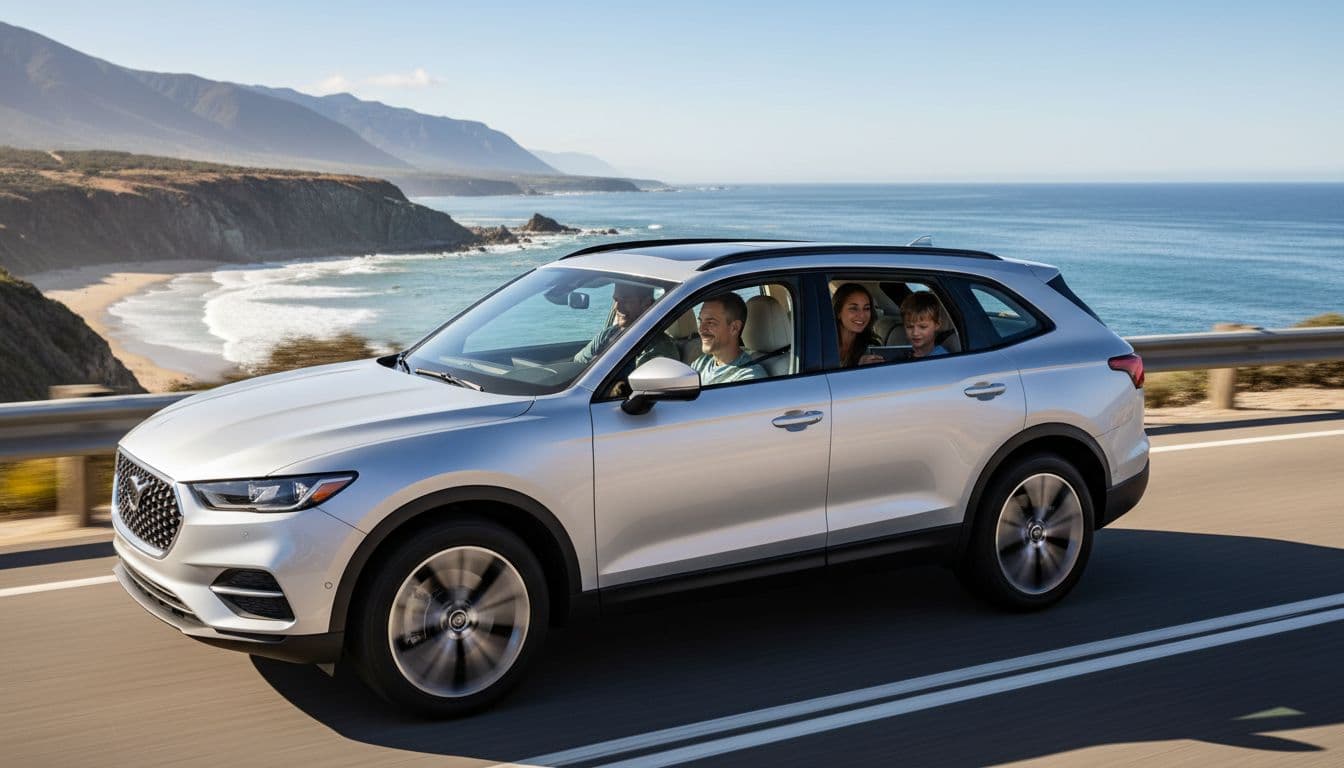
An SUV is probably your lane if these sound familiar:
- You drive mostly paved roads and spend more time in traffic than at a trailhead.
- You often carry passengers, pets, or car seats.
- You care about ride comfort, quiet cruising, and easy parking.
- You want enclosed cargo space for strollers, laptops, groceries, and luggage.
- You take a few road trips each year and want everyone to stay comfortable.
- You like the idea of better fuel economy or a hybrid option.
That’s why SUVs keep pulling in family buyers and commuters. They tend to have better daily manners, and many offer more hybrid choices than trucks. If you want a broad look at current options, Car and Driver’s best SUVs for 2026 is a useful starting point.
If your vehicle mostly carries people and everyday gear, an SUV usually gives you fewer compromises.
A truck makes more sense for work, towing, and messy cargo
A truck earns its place when your vehicle has a job to do, over and over again. Not once each summer, but often enough that bed space and towing strength change what you can realistically take on.
This buyer profile looks different. Maybe you head to job sites, tow a trailer, load up dirt bikes, or bring home lumber and sheet goods on a regular basis. In that case, a truck isn’t overkill. It’s the right tool.
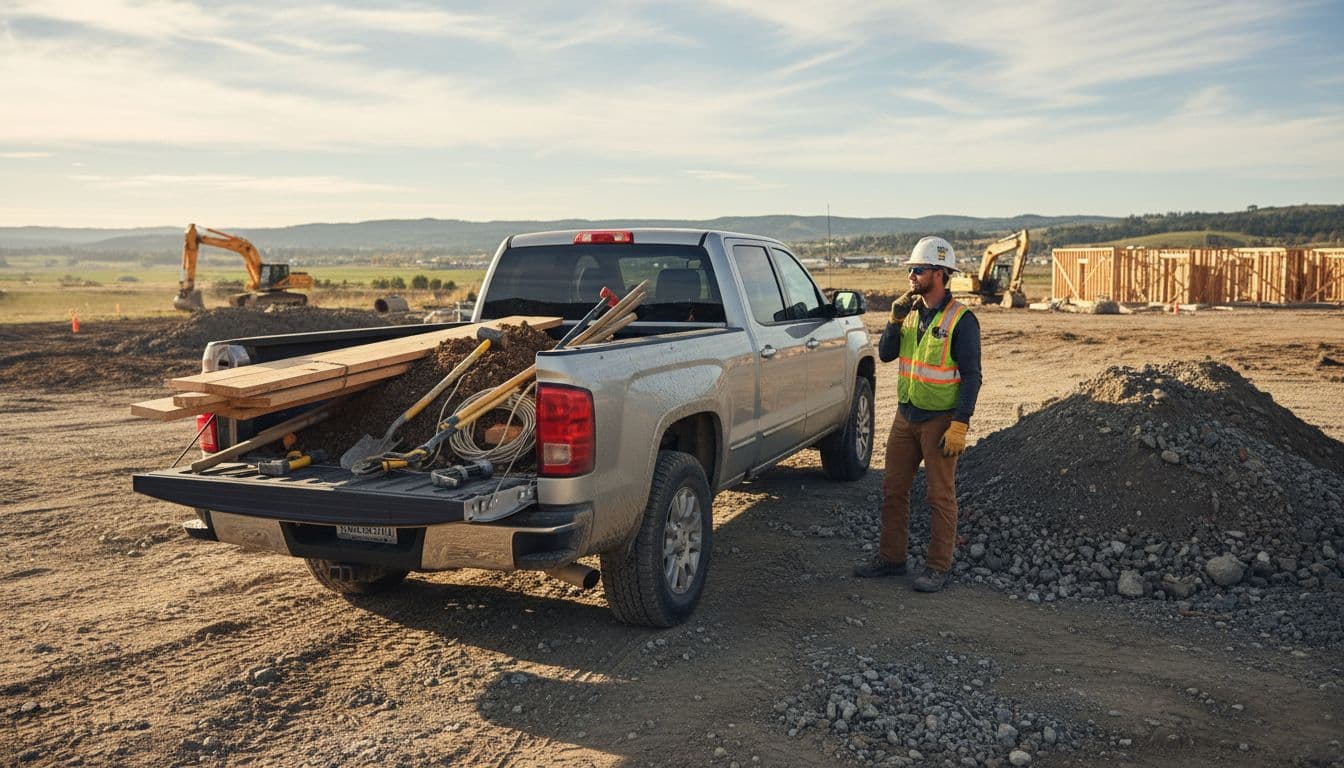
A truck is likely the better fit if this sounds like your life:
- You visit job sites or carry tools and supplies often.
- You tow trailers, boats, campers, or equipment more than once or twice a year.
- You haul large, dirty, wet, or awkward cargo that you don’t want inside a cabin.
- You do a lot of DIY projects, home improvement runs, or yard work.
- You need bed utility, not just extra cargo room.
- You want high towing capability on a regular basis.
That last point matters most. If you tow often, capability stops being a nice extra and starts becoming part of your safety margin. For side-by-side truck options, Cars.com’s 2026 pickup truck guide can help you compare cab styles, towing, and price points.
Questions to ask yourself before you buy either one
A quick gut check can save you from buying too much vehicle, or not enough. Before you sign anything, get honest about how you’ll use it most weeks.
Here are the questions that matter most:
- What do you tow, and how often? A light trailer once in a while is very different from towing a camper every month.
- How often do you haul large items? Think furniture, mulch, plywood, appliances, or muddy gear.
- How many people ride with you regularly? Daily passengers change the answer fast.
- Where will you park it? A full-size truck can feel huge in garages, city lots, and tight suburbs.
- What’s your real budget? Count fuel, insurance, tires, and the trim level you’d actually buy.
- Do you want efficiency or max capability? If a hybrid matters, SUVs usually give you more choices. If best-in-class towing matters, trucks still lead.
If you’re stuck between the two, don’t shop for your once-a-year weekend fantasy. Shop for your Tuesday. That’s usually where the right answer lives.
Conclusion
The best pick comes down to fit. SUVs usually make more sense for comfort, family duty, commuting, and day-to-day driving, while trucks still win when towing, payload, and open-bed utility are part of your normal week.
So don’t buy for looks or trends alone. Buy for your Tuesday, because the right vehicle should match how you drive, what you carry, and what you spend most weeks.
Before you decide, test drive both. Then compare cargo space, towing needs, and real ownership costs, and the right answer usually gets pretty clear.

 admin
admin