 admin
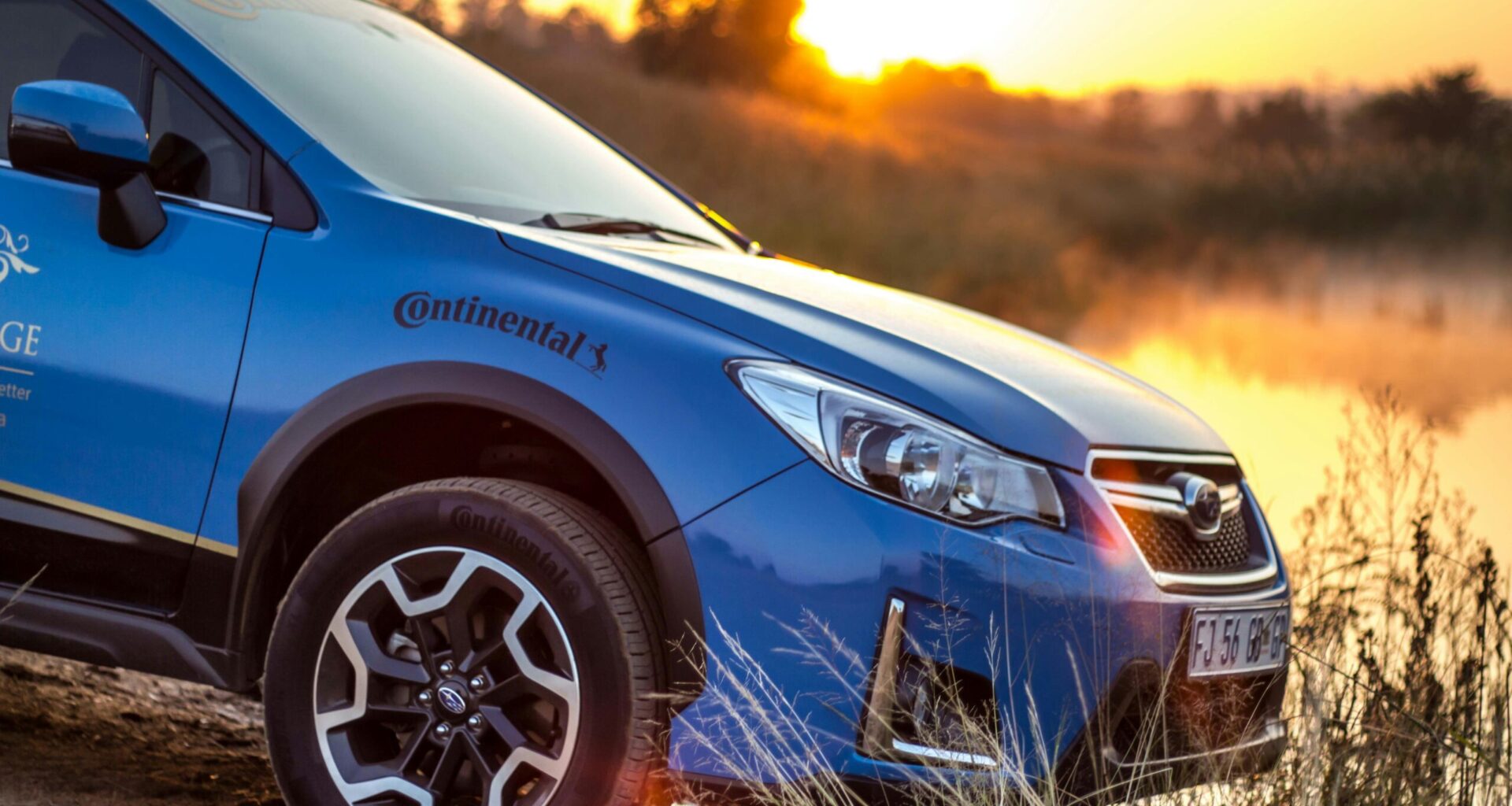
adminSome small SUVs look ready for anything, then feel ordinary a week later. The Subaru Crosstrek stands out because its strengths show up every day. You get standard all-wheel drive on every trim, useful ground clearance, and a size that still works in tight parking lots.
That mix matters if you commute during bad weather, haul weekend gear, or want one vehicle for city errands and trailhead runs. As of April 2026, the lineup includes gas and hybrid versions. Gas pricing starts around $26,995 and climbs to about $34,995 before the hybrid moves higher.
So, does this Subaru Crosstrek review come out in its favor for commuters, small families, and outdoor-minded drivers? It does, but not without a few clear tradeoffs.
What the Subaru Crosstrek Gets Right in Daily Driving
The Crosstrek feels built for normal life first. That sounds plain, but it’s a real strength. It rides smoothly, the seating position is upright, and the windows give you a good view out. In traffic or on a long highway drive, that easygoing nature makes a difference.
It also has the kind of size many buyers want right now. It isn’t tiny, yet it never feels bulky. You can slip into parking spaces, make quick store runs, and still pack for a weekend away without much fuss.
Standard all-wheel drive is still one of its biggest advantages
Subaru still gives the Crosstrek standard AWD across the board, and that remains one of its biggest selling points. Many rivals either charge more for it or skip it on lower trims. That matters in places with rain, snow, slush, or rough dirt roads.
You don’t need to be an off-road fan to value it. Standard AWD simply gives the Crosstrek a calmer, more planted feel when conditions turn ugly. For many owners, that’s the whole point.
If you want a quick look at current trims and pricing, Edmunds pricing and trim coverage is a helpful reference.
Comfort is strong, but performance is only average
There is one catch. The Crosstrek isn’t quick. Current gas models use a 2.5-liter flat-four with 180 horsepower and 178 lb-ft of torque, paired with a CVT. Around town, it’s capable and smooth enough. On a steep merge or fast pass, though, it can feel like it’s working hard.
That doesn’t ruin the experience. It simply defines it. This is a comfort-first small SUV, not a hot hatch in hiking boots. If you want sharp handling or brisk acceleration, you’ll likely want something else.
Engine choices, fuel economy, and whether the hybrid is worth it
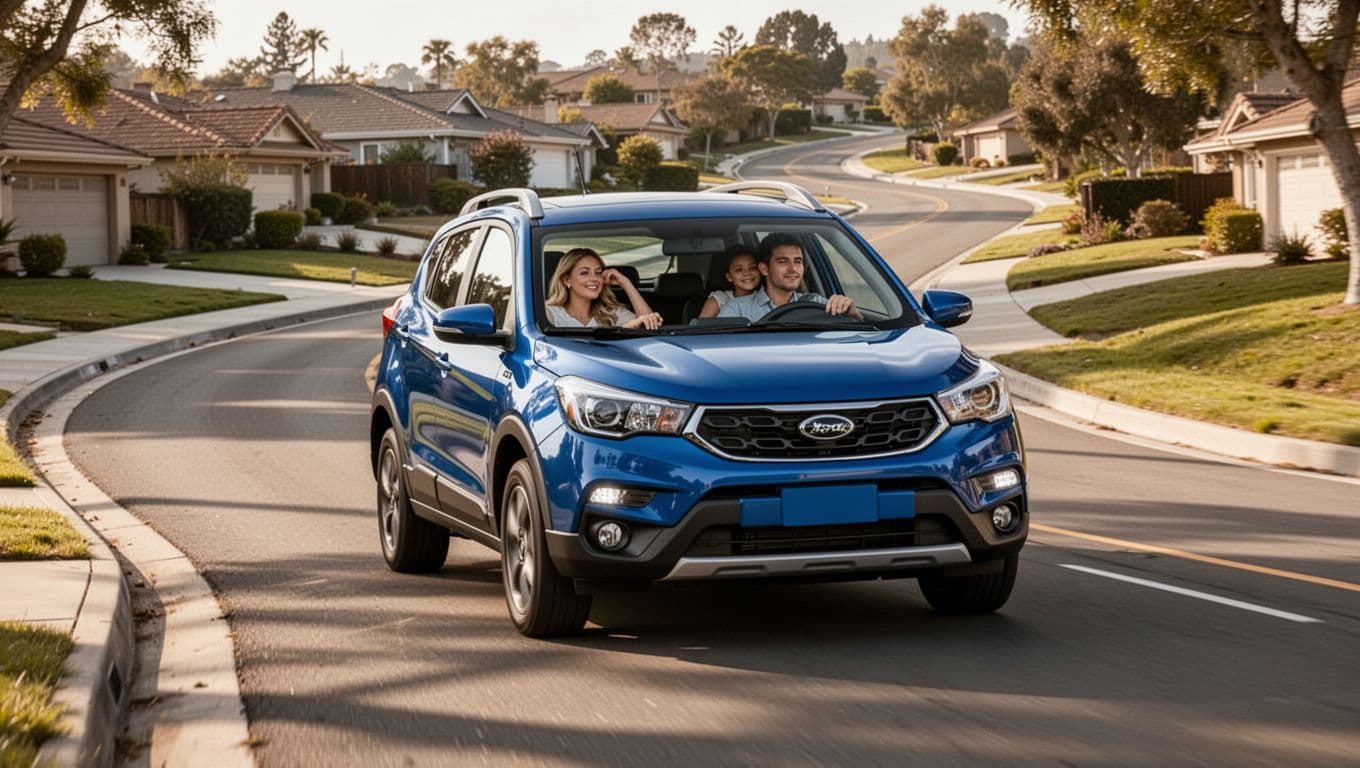
The 2026 Crosstrek gives buyers a clearer choice than before. You can keep things simple with the gas model, or pay more for the new hybrid and get better power and mileage.
Here’s the practical comparison:
| Version | Power | EPA-style economy | Best for |
|---|---|---|---|
| Gas 2.5L | 180 hp | about 24 to 26 city, 29 to 33 highway | value-minded buyers |
| Hybrid 2.5L | 194 hp combined | roughly 6 mpg better combined | higher-mileage drivers |
The takeaway is simple. The gas Crosstrek is easier on your wallet up front, while the hybrid gives you the strongest mix of power and efficiency in the lineup.
The gas Crosstrek is the simpler, lower-cost choice
For most shoppers, the gas version will make the most sense. It costs less, still gets solid fuel economy, and avoids the price jump tied to the hybrid system. Real-world estimates put it around 26 mpg city and 33 mpg highway in the best case, which is respectable for a standard-AWD small SUV.
Ownership should also feel straightforward. There is less to think about, and the 2.5-liter engine is familiar by now. If your driving is mostly mixed commuting, errands, and occasional road trips, the gas Crosstrek covers the basics well.
The hybrid adds power, range, and a more premium feel
The hybrid is where the Crosstrek gets more interesting. Subaru says it makes 194 horsepower, which makes it the strongest Crosstrek yet. It also improves efficiency by about 6 mpg combined and can stretch total range to roughly 597 miles.
That extra punch matters more than the raw number suggests. The hybrid feels quicker off the line, and at low speeds it has that quieter, smoother feel people like in electrified vehicles. Subaru’s own published hybrid specifications confirm the 194-hp setup and long-range focus, while the official Crosstrek Hybrid page shows how Subaru is positioning it as the more upscale choice.
The downside is easy to guess. It costs more, and some buyers may not like possible cargo compromises from the added hardware.
Inside the Crosstrek, practical space beats flashy design
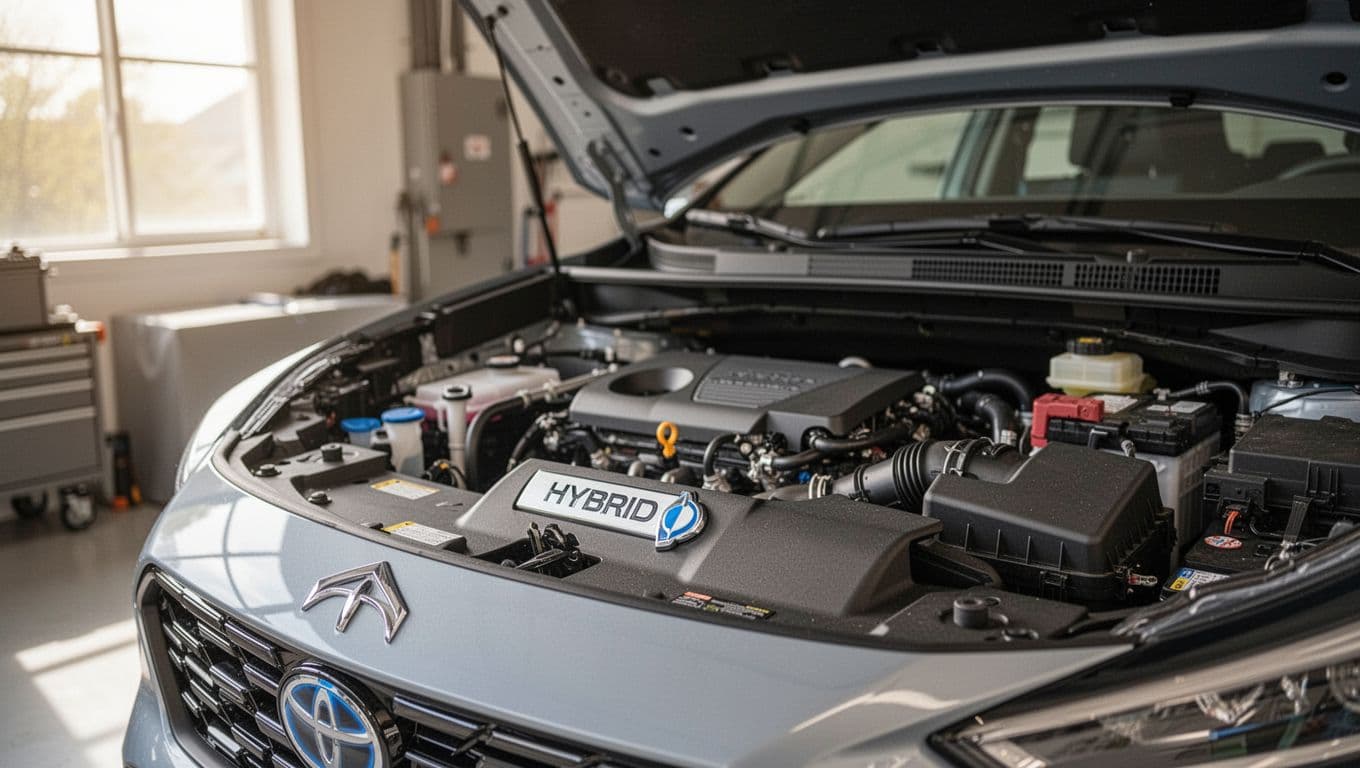
The Crosstrek’s cabin won’t wow you with drama. It wins with ease of use instead. You sit fairly high, the controls are simple enough, and getting in and out doesn’t feel like dropping into a low car or climbing into a big SUV.
That matters on ordinary days. A good cabin isn’t only about screens and trim pieces. It’s about whether you still like it after six months of school runs, grocery stops, and cold morning commutes.
Front seat comfort and visibility are easy strengths to notice
This is one of the Crosstrek’s best traits. The roofline is tall enough that the front seats feel open, and the wide door openings make entry easy. Once you’re seated, visibility is strong in every direction, which takes stress out of city driving and parking garages.
The driving position also feels natural. You get the slightly elevated SUV view many buyers want, but without the bulky feel of a larger crossover. That balance is part of the Crosstrek’s appeal.
Cargo room and cabin style come with a few compromises
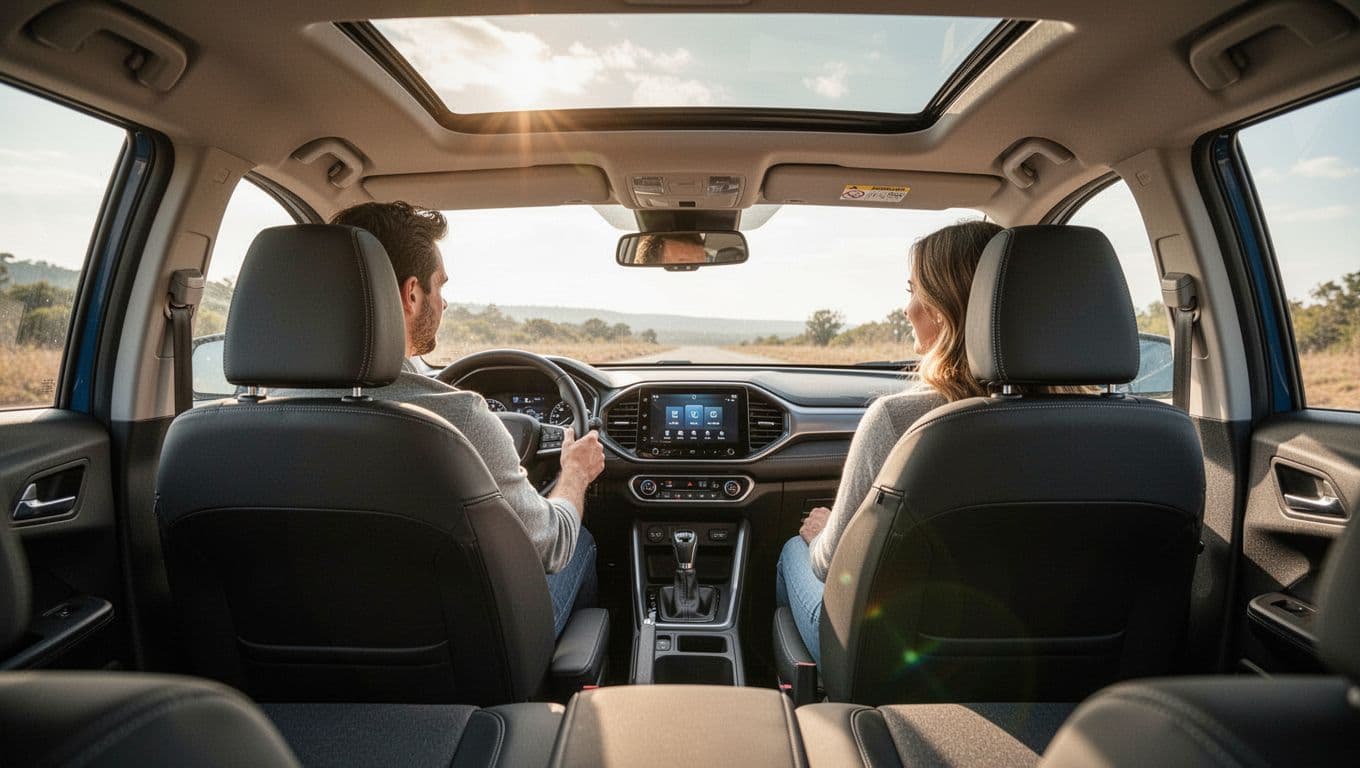
The tradeoff is that the Crosstrek isn’t class-leading for cargo. It’s useful, but not huge. Current specs put cargo space at about 19.9 cubic feet behind the rear seat and up to 54.7 cubic feet with the seat folded. That’s enough for daily life, though some rivals offer more boxy utility.
Cabin design is another mixed point. Gas models can feel a bit plain, especially in lower trims. The hybrid looks fresher and more upscale, with nicer colors and trim details. Still, if you care most about style, some competitors feel more modern at first glance. For a specs-focused view, MotorTrend’s hybrid specs and features page gives a solid quick summary.
How capable is the Crosstrek on rough roads and light trails?
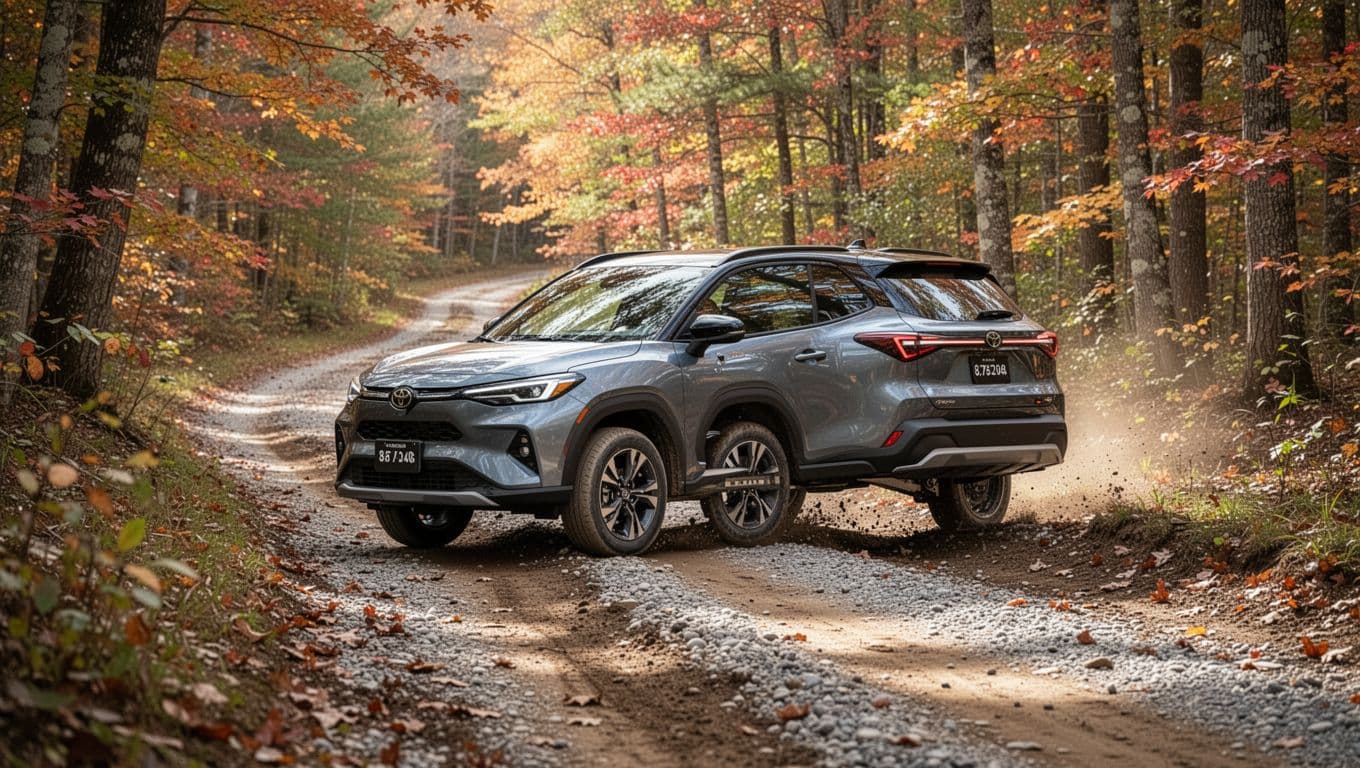
This is where the Crosstrek keeps its loyal crowd. Most small crossovers can handle pavement and little else. The Crosstrek goes a step further without becoming a full off-roader. Standard models offer 8.7 inches of ground clearance, which is more than many small rivals, and available Dual-Mode X-MODE with Hill Descent Control helps on slippery surfaces.
That means snow, gravel, washboard roads, and easy forest trails feel less intimidating. The Crosstrek doesn’t turn every trip into an adventure machine, but it does remove more excuses to stay home.
Think of it as a hiking boot, not a mountain-climbing crampon.
It handles weather and back roads better than many small rivals
On a muddy campsite road or a rutted trail to a cabin, the Crosstrek feels more at ease than road-focused crossovers. That’s a real advantage for buyers in snowy states or anyone who spends weekends on rougher routes.
Still, keep expectations grounded. This isn’t a heavy-duty off-road SUV with low range and big articulation. The Wilderness trim is the best fit if trail ability matters most, especially since it adds tougher hardware and more clearance than the regular Crosstrek.
Final verdict, who should buy the Subaru Crosstrek and who should skip it
The Crosstrek is easy to recommend because it rarely misses its mission. It gives you AWD, good ride comfort, smart packaging, and enough trail ability to stand out in a crowded class. That’s a strong mix for commuters, small families, dog owners, and anyone who deals with winter weather.
The gas model is the sweet spot for value. It covers the basics well and keeps ownership simple. The hybrid makes more sense if you drive a lot, want better low-speed response, and don’t mind paying more for stronger efficiency and a nicer overall feel.
Some shoppers should still skip it. If you want fast acceleration, a richer base cabin, or the biggest cargo area in the segment, the Crosstrek may feel too middle-of-the-road. Early impressions from Car and Driver’s hybrid review also echo that same theme: the Crosstrek works best when you value balance over excitement.
That balance is why this Subaru Crosstrek review lands on the positive side overall.
The Crosstrek won’t win a drag race, and it won’t pass for a luxury SUV. What it does offer is a rare mix of comfort, bad-weather confidence, and light-trail usefulness in one tidy package.
If value matters most, the gas model is the better buy. If you want the strongest version with better mileage, the hybrid is the one to watch.

 admin
admin