 admin
adminIce, slush, deep snow, and gray skies can turn a normal commute into a white-knuckle drive. When roads get slick, the best cars for snow need more than all-wheel drive. They also need stable handling, enough clearance to avoid getting hung up, strong visibility, and the right cold-weather features.
That’s why this guide looks past the badge and the marketing. A great snow vehicle should match your roads, your budget, and how you actually drive. Some people need a rugged 4WD SUV for remote roads. Most drivers, though, will do better with a well-balanced AWD crossover and a good set of winter tires.
What really matters in a car for snow
Snow driving comes down to traction, control, and confidence. Power going to all four wheels helps, but that’s only one part of the story. If the tires can’t grip, even the fanciest AWD system won’t feel very helpful.
Ground clearance matters too. A low car may handle a dusting just fine, but it can drag in deep snow like a shovel. Visibility also plays a big role. Large windows, good defrost performance, and heated mirrors make storm driving less tense.
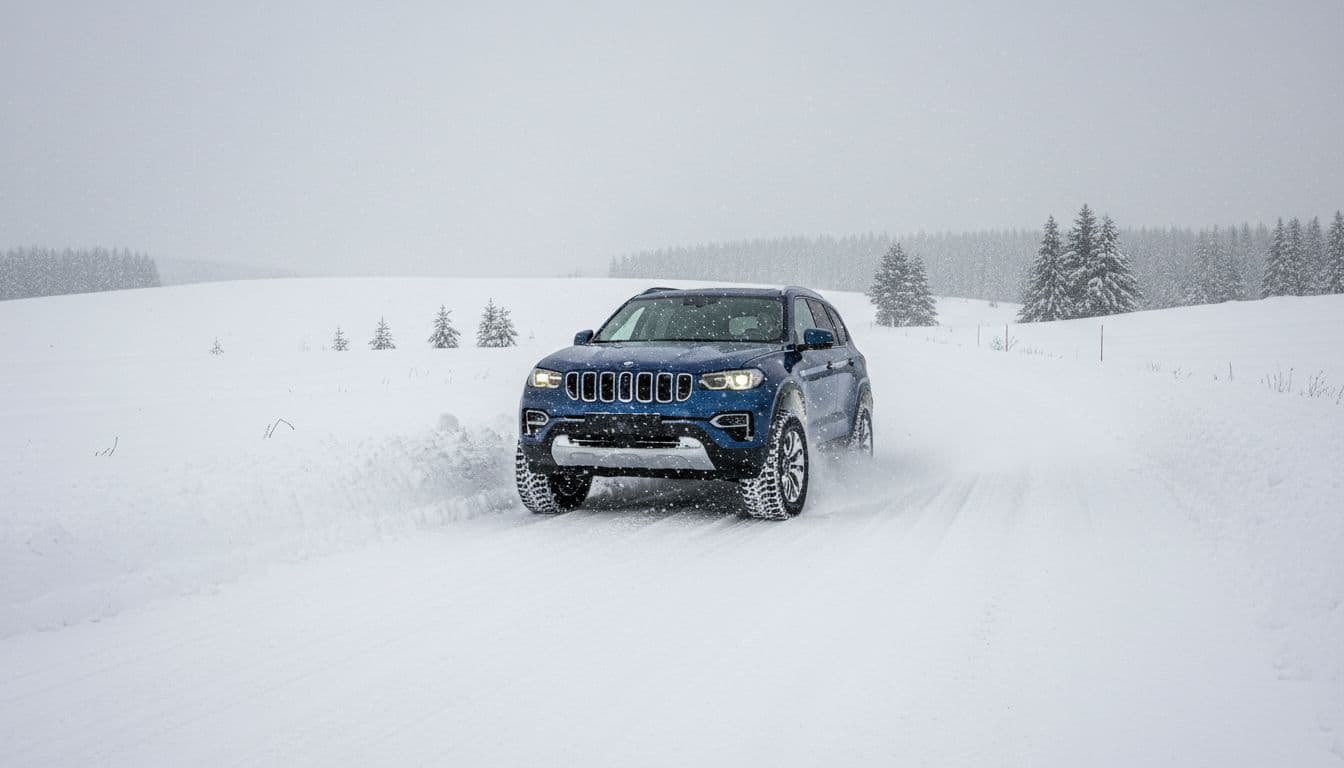
Recent winter-driving roundups keep pointing to the same formula: AWD, decent clearance, and good safety tech. You can see that pattern in this 2026 list of snow-friendly SUVs, where models like the Outback, Forester, RAV4, and Tahoe keep showing up for good reason.
AWD, 4WD, and winter tires, which one helps the most?
Here’s the simple version. AWD and 4WD help a vehicle get moving. Winter tires help it stop and turn.
AWD helps you go, but winter tires help you stay in control.
For most drivers in the US, AWD is enough. It works well on plowed suburban roads, snowy highways, and regular winter commutes. It also acts automatically, which is handy when weather changes fast.
4WD makes more sense if you live on rural roads, face steep grades, or drive through heavy snow often. A true 4WD setup can handle deeper drifts and rougher surfaces. Still, it comes with tradeoffs, usually size, fuel use, and price.
If you’re weighing drivetrain against tires, the smarter money often goes to rubber first. This winter-tire comparison explains why many AWD vehicles on all-season tires still struggle to brake well on ice.
Ground clearance, traction control, and cold-weather features that make winter easier
Clearance matters when snow gets packed between lanes or piles up at the end of a driveway. Around 8 inches or more gives a vehicle a real edge in deeper snow. That’s one reason wagons and crossovers often beat regular sedans in winter.
Traction and stability systems also help smooth out small mistakes. They won’t break the laws of physics, but they can reduce wheelspin and help the vehicle stay pointed where you want it to go. Hill-start assist is another underrated feature, especially on icy inclines.
Then there are the daily comforts. Heated seats, a heated steering wheel, remote start, and heated mirrors won’t improve grip, but they do make cold mornings far easier. On dark winter days, that comfort can lower stress and help you stay focused.
Best cars for snow in 2026, top picks for different drivers
Recent 2026 reviews show a clear trend. Subaru still leads the pack for balanced winter driving, while Toyota, Jeep, Chevrolet, Honda, Mazda, and others fill more specific roles. The right pick depends on whether you want one vehicle that does everything, a fuel-saving crossover, or a serious deep-snow machine.
Best overall, Subaru Outback
The Subaru Outback remains the easiest all-around choice for most drivers. It comes with standard Symmetrical AWD, about 8.7 inches of ground clearance, and strong outward visibility. That combination works in city slush, suburban storms, and mountain trips.
It also rides more like a car than a trucky SUV. That makes it easy to live with every day. Subaru’s X-Mode adds extra help on slippery surfaces, and the cabin usually offers the cold-weather features snow-belt buyers care about most.
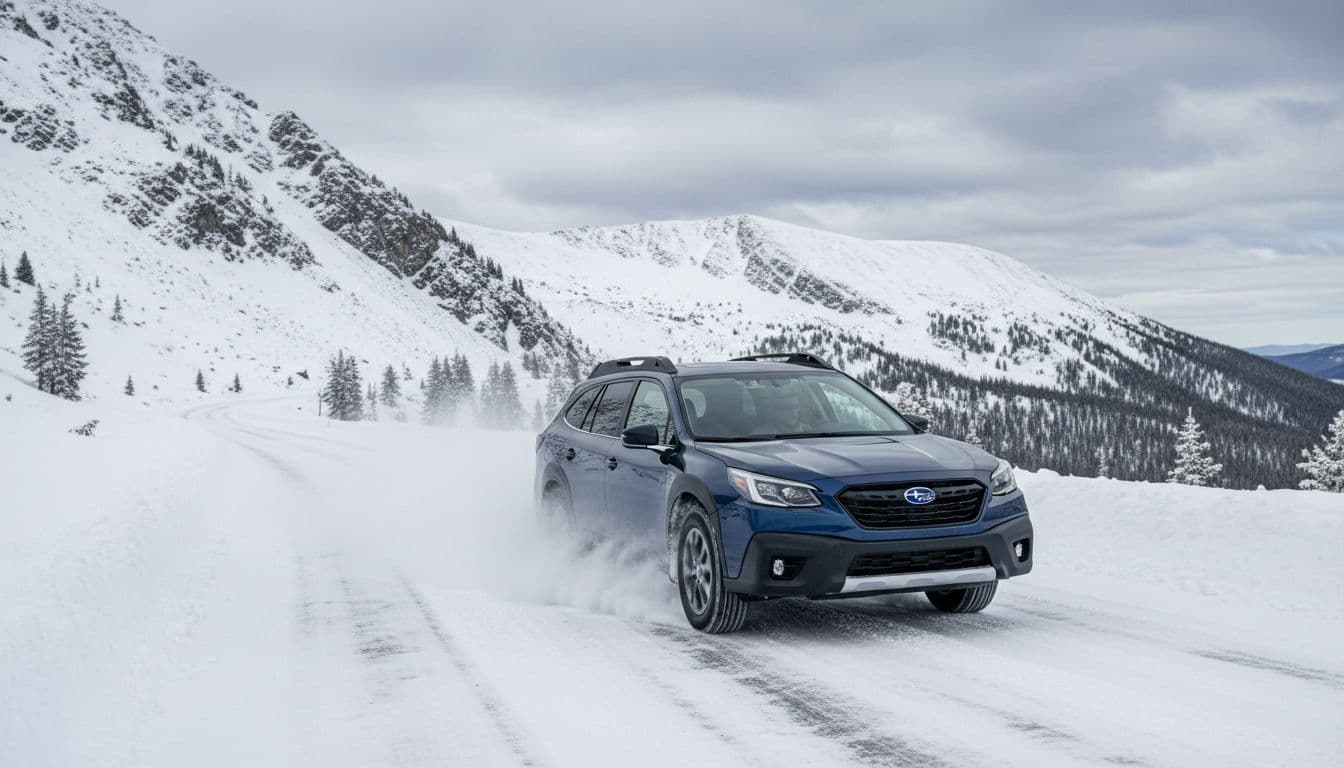
It’s also backed by current testing. This 2026 Outback winter test highlights exactly why it stays near the top. Expect pricing to start around the mid-$30,000s. The main tradeoff is simple: it’s not cheap, but it earns its spot.
Best compact SUV, Subaru Forester or Crosstrek Wilderness
If you want Subaru snow confidence in a smaller package, the Forester and Crosstrek Wilderness are both smart picks. Both offer standard AWD and good visibility. Both feel planted on slick roads. The difference comes down to space versus extra ruggedness.
Choose the Forester if you want a roomy cabin, easier family duty, and a more upright view out. It’s the practical option, especially for commuters who deal with winter often but don’t need off-road extras.
Pick the Crosstrek Wilderness if your roads stay rough, your driveway gets buried, or you want more clearance and a more snow-ready setup. It’s a bit more focused and a bit more adventurous. The tradeoff is less space and slightly higher running costs than a standard Crosstrek.
Best value and fuel saver, Toyota RAV4 AWD or Honda CR-V AWD
Not everyone wants a rugged wagon or a heavy SUV. If you want solid winter manners with better fuel economy, the Toyota RAV4 AWD and Honda CR-V AWD make a lot of sense.
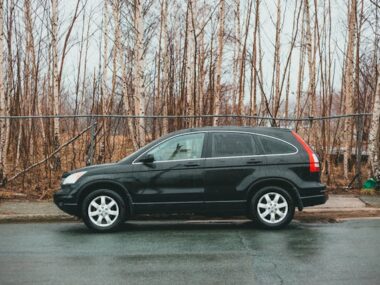
The RAV4 stands out for reliability, easy ownership, and a proven AWD setup. It’s a smart fit for families who want winter confidence without buying more vehicle than they need. The CR-V leans more toward comfort and efficiency, and it handles light to moderate snow well.
Both usually land in the low-to-mid $30,000s with AWD, depending on trim. They won’t match a Trailhawk in deep powder, but most people don’t need that. For daily winter use, they hit a sweet spot between cost, comfort, and snow confidence.
Best for deep snow and rough roads, Jeep Grand Cherokee Trailhawk or Chevrolet Tahoe 4WD
Some winters ask for more. If you live in a remote area, tow in bad weather, or deal with unplowed roads, a more serious 4WD setup may be worth it.
The Jeep Grand Cherokee Trailhawk gives you high clearance, selectable drive modes, and real bad-weather strength without feeling too stripped down inside. The Chevrolet Tahoe 4WD adds size, power, and towing ability. It can push through deeper snow with less drama than smaller crossovers.
These aren’t the best cars for snow for everyone. They’re large, pricey, and thirsty. Expect many versions to run well past $50,000. Parking is harder, and daily driving can feel like wearing snow boots to the grocery store. Still, for severe winter use, that extra muscle has a purpose.
Best car if you do not want an SUV, Subaru Legacy or Mazda3 Hatchback AWD
If you hate the tall feel of SUVs, you still have good options. The Subaru Legacy is a rare midsize sedan with standard AWD, and that alone makes it stand out. It feels stable, predictable, and more planted than many taller vehicles on cleared roads.
The Mazda3 Hatchback AWD is a strong pick for city drivers. It’s easier to park, often cheaper than an SUV, and feels sharper on dry pavement. Its hatchback shape also adds useful cargo space for winter gear.
The downside for both is clearance. Once snow gets deep, a car’s lower ride height becomes a real limit. Still, on plowed streets and in lighter snow, they can be excellent. For more detail on sedan choices, this guide to sedans for winter roads is a useful companion read.
How to choose the right snow vehicle for your roads and budget
The best choice depends less on hype and more on where you drive every day. A Boston commuter, a Colorado skier, and a rural Minnesota homeowner don’t need the same vehicle.
Pick based on your winter conditions, city streets, suburbs, mountains, or rural roads
If your roads are plowed quickly, an AWD sedan or compact crossover is often enough. That means vehicles like the Legacy, Mazda3 AWD, CR-V AWD, or RAV4 AWD can work very well.
For suburbs and mixed driving, the Forester and Outback make more sense because they add clearance without getting too bulky. If you deal with mountain roads, long storms, or packed snow for weeks at a time, the Outback, Crosstrek Wilderness, and Trailhawk rise to the top.
Remote roads change the math. In that case, a Tahoe 4WD, a serious Jeep, or a truck-based option may be the better tool.
Decide what matters most, price, fuel economy, space, or maximum capability
Rank your needs before you shop. Some people need cargo room for kids, gear, and groceries. Others want the lowest monthly cost or the best gas mileage.
For many households, the smartest answer isn’t the biggest vehicle. It’s a well-equipped AWD crossover with winter tires. That setup often beats a pricier SUV on all-season tires, while costing less to buy and live with.
Mistakes to avoid when shopping for a snow car
A snow-ready vehicle should fit your weather, not your fantasy weather. That sounds obvious, yet buyers still get pulled toward the wrong setup.
Assuming AWD alone is enough
This is the biggest mistake. AWD helps launch the car, but it doesn’t shorten stopping distance by magic. Ice still wins if your tires can’t bite.
Keep safe speed, braking distance, and tire choice at the center of your decision. If your budget is tight, buy the better tires before the fancier drivetrain.
Buying too low, too heavy, or too much vehicle for your real needs
A low sedan can be perfect on plowed roads, but miserable on unplowed ones. On the other hand, a huge truck may sound comforting, yet it can cost more, drink more fuel, and feel awkward in daily traffic.
Buy for your real winter, not the worst storm on social media. Most drivers will be happier in a compact or midsize AWD crossover than in a giant 4WD rig.
The right answer is usually the one you’ll enjoy in January and still like in July.
The best cars for snow depend on your roads, your budget, and how often winter hits hard. For most drivers, the Subaru Outback is still the top all-around pick, while compact AWD SUVs like the Forester, RAV4, and CR-V offer the best balance of cost and confidence. If you face deep snow, steep grades, or remote roads, a rugged 4WD SUV or full-size truck-based model makes more sense. Above all, don’t forget the biggest upgrade of all, winter tires.

 admin
admin