 admin
adminShopping for an electric SUV can feel like speed dating with a spreadsheet. You want good range, fast charging, useful tech, and a cabin that doesn’t feel cheap after the novelty wears off.
This Nissan Ariya review looks at how it drives, how far it goes, how fast it charges, what you get inside, and whether it’s a smart buy in 2026. The answer is a little more complicated than it was a year ago, especially for US shoppers.
If you’re considering leftover inventory or a used one, the Ariya still deserves a close look.
Nissan Ariya review: the quick take on price, trims, and what changed for 2026
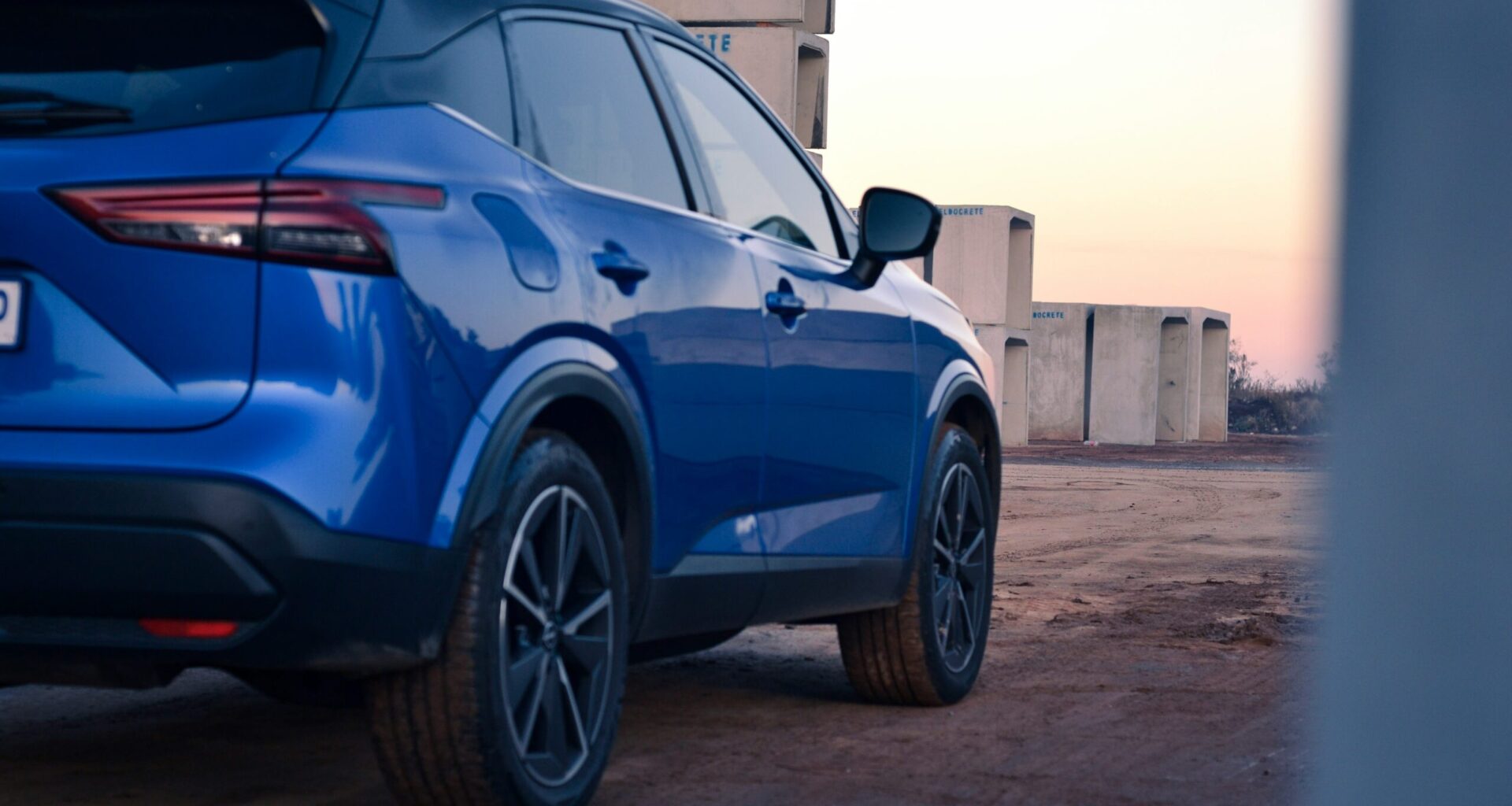
Here’s the fast summary. The Ariya remains one of the most comfortable electric SUVs in its class, with a quiet cabin, clean design, and easy manners in traffic. It doesn’t lead on charging speed or cargo space, but it feels more upscale than many rivals at similar prices.
For US buyers, there’s one major catch. Real-time market reports show the 2026 Nissan Ariya is not being sold in the US, so most American shoppers in 2026 will be looking at remaining 2025 stock or used examples. That makes pricing and trim talk a bit tricky.
Based on recent US figures, the Ariya has started around $40,000, with a broader range shown by 2025 Ariya pricing on Edmunds that stretches into the mid-$50,000s for loaded versions. The likely trims most shoppers know are Engage, Engage+, Evolve+, and Platinum+, with front-wheel drive and e-4ORCE all-wheel drive choices depending on trim.
Outside the US, the refreshed 2026 Ariya gets small but welcome changes, including a cleaner center console area and Google-based infotainment. Core battery sizes, range estimates, and power outputs stay close to what US buyers already know from the 2025 model.
If you’re in the US, think of the 2026 Ariya as an overseas refresh, not a new local launch.
Which Ariya trims make the most sense for most buyers?
For most people, the sweet spot is a mid-level Ariya with the larger battery. That’s usually where the value shows up. You get stronger range, more comfort features, and fewer regrets six months later.
Base trims make sense if your commute is short and price matters most. Platinum+ looks great on paper, but it’s easy to overspend for features you may not use often. Front-wheel drive works for many commuters. Pay more for e-4ORCE AWD if you want quicker punch, better wet-weather traction, or you live where winter shows up with attitude.
How the Nissan Ariya feels on the road every day
The Ariya’s best trick is how normal it feels, in a good way. Some EVs try too hard to impress. This one simply goes about its business with calm confidence. Around town, the steering is light, visibility is decent, and low-speed responses feel smooth.
On the highway, the Ariya settles in nicely. Wind noise stays low, the ride feels composed, and the suspension does a good job filtering rough pavement. That relaxed feel is a big part of its appeal. If you spend an hour a day behind the wheel, you’ll notice it.
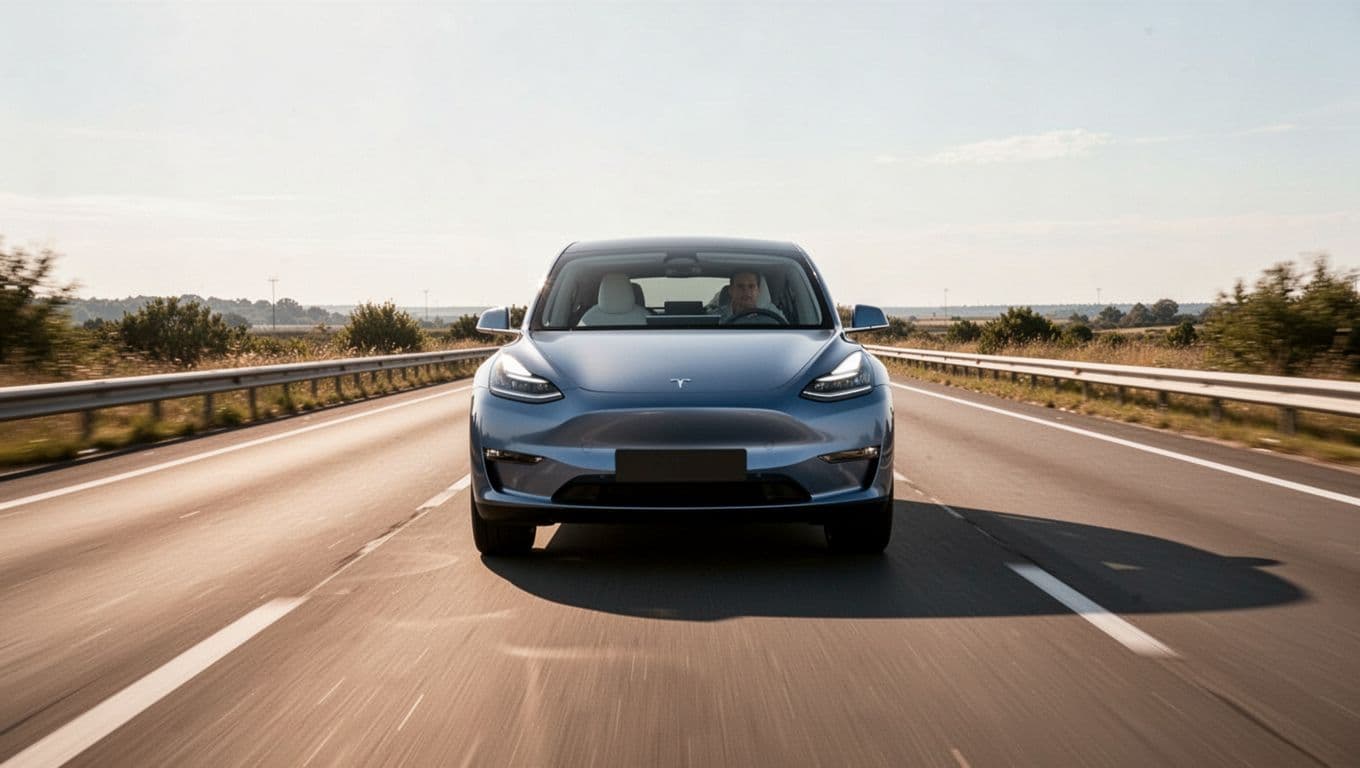
Ariya models with AWD are properly quick. The fastest versions can hit 60 mph in about 4.8 seconds, and Car and Driver’s Ariya specs page shows how much power the upper trims bring. Still, speed isn’t the car’s main story. This SUV feels tuned for comfort first.
Weight shapes the experience. Like many EVs, the Ariya carries a heavy battery pack, so it doesn’t feel light on its feet in tight corners. Push hard and you notice the mass. Drive it like most owners will, though, and it feels planted and polished.
FWD or e-4ORCE AWD, which driving setup should you choose?
FWD is enough for a lot of buyers. It’s simpler, usually cheaper, and well-suited to daily commuting, school runs, and suburban errands. If you mostly drive on dry pavement, you may never miss AWD.
e-4ORCE AWD adds more than a badge. You get stronger acceleration, extra grip in rain or snow, and more confidence pulling into fast traffic. For drivers in colder states, or anyone who wants a quicker feel, it’s the better pick.
Is the Ariya actually fun to drive, or just easy to live with?
It’s more easy to live with than fun. That’s not a knock. The Ariya feels refined, smooth, and grown-up, which many shoppers will prefer over fake sportiness.
Higher trims do bring real punch, so it isn’t dull. It simply doesn’t chase the sharp, playful feel you get in a Kia EV6 or some Tesla versions.
Range, charging, and real-world EV usability
Range is good enough for most people, but it isn’t class-leading. The smaller 63 kWh battery offers up to about 216 miles. The larger 87 kWh battery reaches roughly 272 to 289 EPA miles, depending on trim and drivetrain. Those figures line up with Nissan’s Ariya specs and trims page, which remains the best guide for the US-market setup most shoppers will actually find.
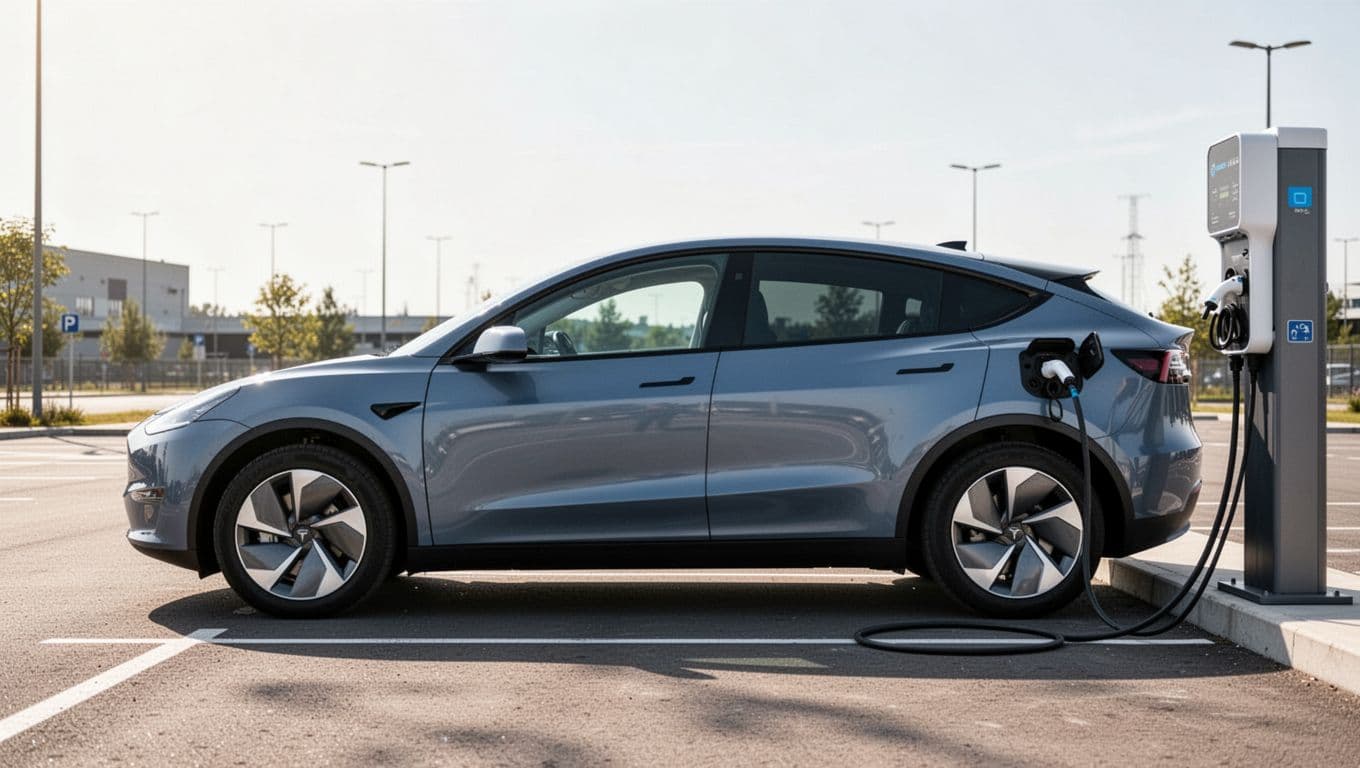
At home, a 240V Level 2 charger usually fills the battery overnight, roughly 10 hours depending on battery size and conditions. That’s fine for daily life. Plug in after dinner, wake up full enough for work, errands, and after-school chaos.
Fast charging is where the Ariya feels less impressive. Based on current available info, a 10 to 80 percent DC fast-charge stop can take about an hour. That’s usable, but not exceptional in 2026 terms. On a road trip, those longer stops add up.
How the Ariya fits into daily commuting and weekend trips
For commuting, the Ariya works well. Most drivers cover far less than 100 miles a day, so even the smaller battery can handle normal use without stress. The larger battery gives more buffer, which matters in winter or at highway speeds.
Weekend trips are also manageable if you plan ahead. The issue isn’t that the Ariya can’t travel. It can. The issue is that some rivals recharge faster and stretch farther between stops, so frequent long-distance drivers may feel the difference.
How it compares with Tesla Model Y and Kia EV6 on range and charging
This is where the Ariya shows its priorities. It competes well on comfort, quietness, and cabin feel. However, Tesla still holds an edge in charging access and often in range, thanks in part to its broader charging network.
The Kia EV6 usually feels sportier and can charge faster. So if your top goals are shortest charging stops and a more eager personality, the Ariya won’t be the first one you’d grab.
Inside the cabin, does the Nissan Ariya feel worth the money?
Step inside, and the Ariya makes a strong first impression. The cabin looks clean and modern without feeling cold. Materials feel better than what some buyers expect at this price, and the layout avoids the gadget overload that can make other EVs tiring.
Seats are a strong point. Many trims offer heated seats and a heated steering wheel, while upper versions add extras like a panoramic roof, Bose audio, and a hands-free tailgate. Split-fold rear seats help with flexibility, even if total cargo room isn’t the best in class.
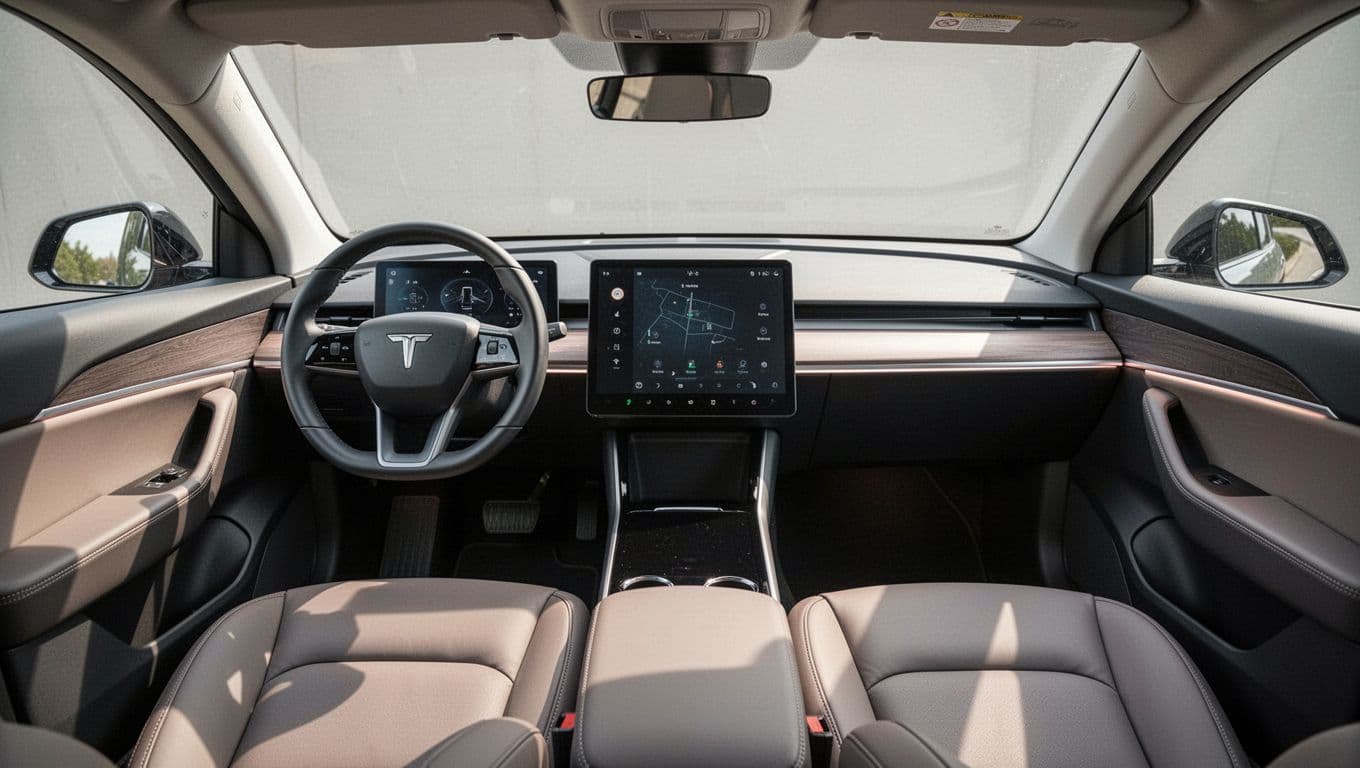
Tech also lands well. The updated Google-based infotainment seen in the refreshed model should be an improvement, and the current system is already fairly easy to learn. Driver-assist features such as ProPILOT Assist and the available 360-degree camera help the Ariya feel current. Prior versions also earned strong safety marks, though new 2026 US crash ratings aren’t available because there isn’t a US 2026 launch. For a broad owner-focused snapshot, U.S. News’ Ariya review gives helpful context.
The best parts of the Ariya interior
The quiet cabin stands out first. Then you notice the simple dash, the open feel, and the fact that daily controls don’t turn into a scavenger hunt. It feels like Nissan spent time on the things owners touch every day.
There’s also a nice sense of polish. The Ariya doesn’t try to look flashy. Instead, it feels thoughtful, which may age better than trend-heavy interiors.
Where the Ariya still falls short
Some rivals offer more cargo space. Others charge faster or feel more exciting from behind the wheel. If you want the strongest numbers on a spec sheet, the Ariya can look a little conservative.
That conservative streak isn’t all bad, though. It simply means the Ariya wins with comfort and ease, not with bragging rights.
The Ariya still makes sense if you want an electric SUV that feels calm, stylish, and pleasant every day. In that role, it remains one of Nissan’s better modern efforts, even with its uncertain US future.
For American buyers in 2026, the smart move is to treat it as a leftover 2025 or used-car choice, not a fresh new-model launch. If comfort, cabin quality, and simple daily use matter most, it’s easy to recommend. If you care more about longest range, fastest charging, or sharper performance, a Tesla Model Y or Kia EV6 will likely fit better.

 admin
admin