 admin
adminA lot of shoppers are focused on this budget in 2026 for a simple reason, $20,000 still buys a genuinely useful SUV. You can get solid safety tech, good fuel economy, and enough room for daily life without stepping into a stripped-down penalty box.
That said, this part of the market takes more care than it did a few years ago. Used SUV inventory in the US is still fairly tight, even though prices have eased a bit in recent months. Strong resale values, especially for Honda and Toyota, mean the smartest buy isn’t always the cheapest one on the screen.
The goal is to find real value, not just a low price. That means looking at reliability, safety, ownership costs, and how the SUV fits your routine. Below are the best used SUVs under 20000 to put on your shortlist, plus what to inspect before you sign.
What matters most when shopping for a used SUV under $20,000
At this price, the sweet spot is usually a compact or midsize SUV from about 2017 to 2024. That range often gives you newer safety features, decent tech, and better fuel use than older models. It also helps you avoid paying new-car money for a used badge.
Mileage matters, but it isn’t the whole story. A 90,000-mile SUV with great records can be a safer bet than a 55,000-mile one with gaps in service. Oil changes, transmission service, tire replacements, and brake work all tell you how the vehicle was treated.
Cost to own matters just as much as sticker price. Some SUVs are easy on gas, insurance, and tires. Others look cheap up front but catch up to you fast. If you want a broader picture of long-term dependability in this budget, iSeeCars’ used SUV reliability rankings are a useful starting point.
Look past the price tag and focus on total value
A bargain SUV can turn into an expensive habit. Worn tires, weak brakes, or overdue service can eat up your savings in the first few months. That’s why the best used suv under $20 000 isn’t simply the least expensive one you find.
Resale strength matters too. A Honda CR-V or Toyota RAV4 may cost more today, but those models often hold value better later. Fuel use also adds up. If you drive 15,000 miles a year, one or two extra mpg can mean hundreds of dollars over time.
Insurance can surprise buyers as well. Before you shop, get a few quotes by VIN or trim level. One SUV may cost less to buy but more to insure.
Prioritize safety and a clean history report
Modern driver aids are worth paying for. Automatic emergency braking, blind-spot monitoring, lane-keeping support, and adaptive cruise control can make daily driving less stressful. More importantly, they can help avoid a crash.
Crash-test results deserve a close look. The IIHS Top Safety Pick list gives a good sense of which newer SUVs perform well in key tests. Still, don’t stop with ratings. You also want a clean title, no flood history, and no major crash repairs.
A pre-purchase inspection is cheap compared with one surprise transmission bill.
Always pull a history report and have an independent mechanic inspect the SUV. That step alone weeds out a lot of bad buys.
Best used SUVs under $20,000 that are worth a close look
These picks stand out because they balance price, reliability, safety, and everyday usefulness. None is perfect, but each has a strong case.
Honda CR-V, the safe all-around pick for most buyers
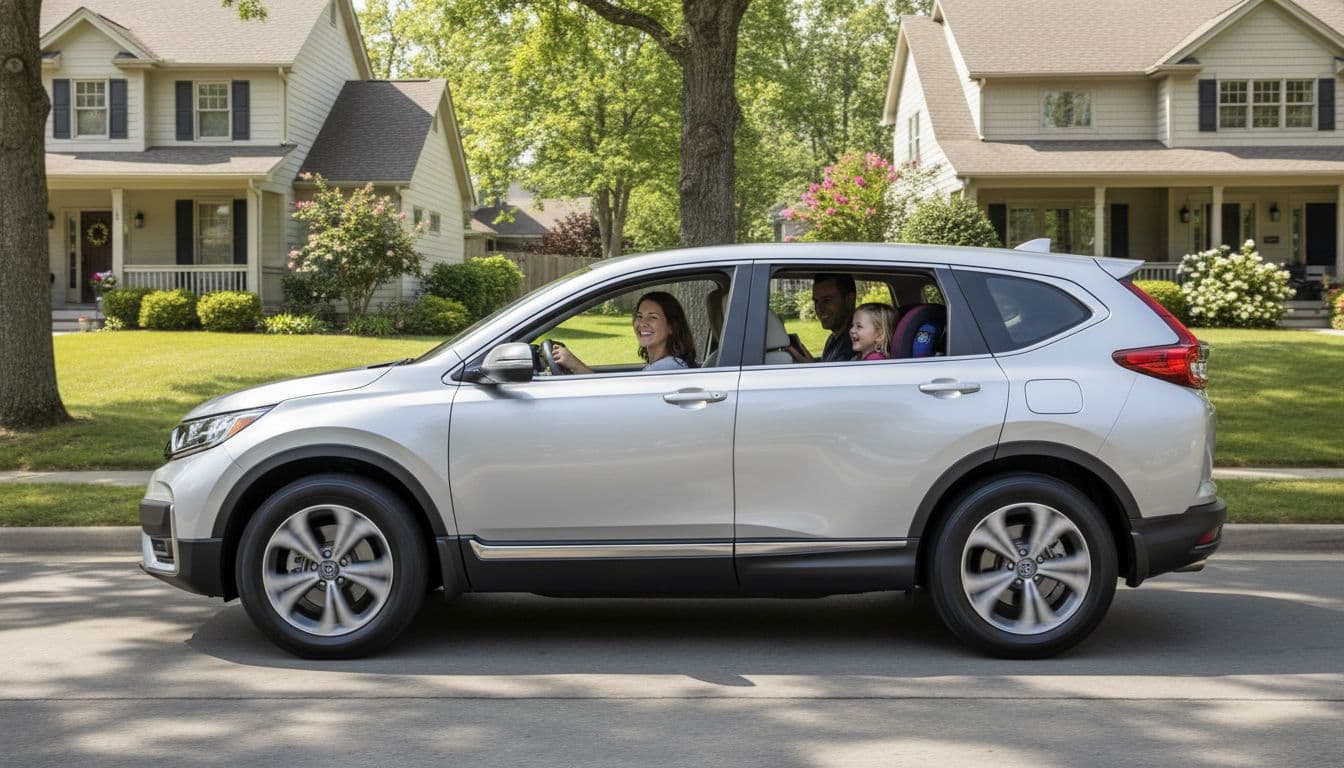
For most people, the 2017 to 2021 CR-V is the easiest answer. Typical asking prices often land around $15,700 to $18,500, depending on trim, miles, and whether it has AWD. You get a roomy cabin, excellent cargo space, strong fuel economy, and a reputation for low-stress ownership. Resale is also a big plus.
The trade-off is personality. Styling is plain, and some drivers notice turbo lag in certain versions. Still, if you want one SUV that does almost everything well, this is it. The 2024 CR-V IIHS page also shows how well this nameplate has stayed focused on safety.
Toyota RAV4, the reliability leader that holds value
The 2019 to 2022 RAV4 is a classic smart buy, even if it often costs more than rivals. Many examples show up around $17,500 to $19,900. It offers excellent long-term dependability, strong practicality, available AWD, and a cabin that works well for real family use.
On the downside, the ride can feel a little firm, and road noise is higher than some buyers expect. Even so, the RAV4 remains one of the best used suvs under 20000 if your top priority is keeping the vehicle for years.
Mazda CX-5, the best used SUV under 20000 for a nicer feel
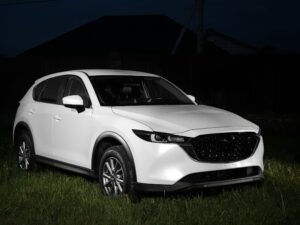
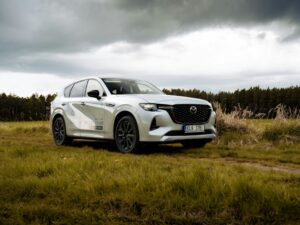
If you want something that feels more polished from behind the wheel, the CX-5 stands out. Shoppers often target 2022 to 2024 models, with asking prices roughly from $14,800 to $19,000 depending on trim and mileage. It has an upscale interior, sharp steering, and a solid reliability track record.
Base trims can feel light on tech compared with newer rivals, and cargo room trails the CR-V and RAV4 a bit. Still, this is the SUV for buyers who don’t want their commute to feel numb. For a closer look at recent safety performance, see the IIHS CX-5 safety page.
Subaru Crosstrek, a smart choice if you want standard AWD
The 2022 to 2024 Crosstrek often lands in the $16,000 to $19,500 range. Standard AWD is the headline here, and it makes a real difference in snow states and wet climates. Fuel economy is solid, safety tech is widely available, and the Crosstrek handles rough roads better than many compact rivals.
The catch is size. Rear-seat and cargo space are tighter than what you’ll get in a CR-V or RAV4. If you pack light and want year-round confidence, though, this is one of the smartest small SUVs in this budget.
Hyundai Tucson and Nissan Murano, two strong alternatives for different needs
These two fit different buyers. The 2023 to 2024 Hyundai Tucson usually appeals to shoppers who want a roomy compact SUV with fresh styling and good efficiency. Many examples fall between $17,000 and $19,800. Some versions also offer hybrid efficiency, though availability varies by market.
The 2020 Nissan Murano, usually around $18,000 to $19,600, suits buyers who want midsize comfort. It rides quietly, feels relaxed on the highway, and gives front passengers more space. The trade-off is fuel use, and its infotainment feels older. Meanwhile, the Tucson isn’t as rugged for rough-road duty. For another market-wide take on this category, MotorTrend’s used SUV picks are worth a look.
Which used SUV fits your life best
A shortlist works better when it’s based on how you drive, not just brand loyalty. This quick comparison helps narrow things down.
| Best for | Strong picks | Why they fit |
|---|---|---|
| Daily commuting | Honda CR-V, Hyundai Tucson | Good mpg, easy visibility, low-stress driving |
| Small families | Toyota RAV4, Honda CR-V | Great cargo room, rear-seat space, strong resale |
| Snowy climates | Subaru Crosstrek, AWD Toyota RAV4 | AWD confidence and solid all-weather manners |
| Comfort-first buyers | Nissan Murano, Mazda CX-5 | Quieter ride or more upscale cabin feel |
The main takeaway is simple: start with your routine, then match the SUV to it.
Best picks for commuters, small families, and snowy climates
For commuters, the CR-V and Tucson make the most sense. Both are efficient, easy to park, and comfortable in stop-and-go traffic. The CR-V feels more proven, while the Tucson feels more modern inside.
Small families should start with the RAV4 or CR-V. Both have useful rear-seat room, flexible cargo areas, and a strong record of practicality. Strollers, grocery runs, and weekend trips are easier when the load floor and hatch opening are well designed.
If you deal with snow, the Crosstrek deserves a close look. An AWD RAV4 is another strong answer if you want more space.
When it makes sense to choose compact versus midsize
Compact SUVs usually win on fuel costs, parking ease, and lower ownership expenses. That’s why they dominate this list. They simply fit more households.
A midsize option like the Murano works better if comfort matters more than mpg. You’ll usually get a softer ride and more passenger room. You just pay for that comfort at the pump.
How to buy with confidence and avoid an expensive mistake
The last part of the process matters as much as the model you choose. A great SUV with poor upkeep is still a poor buy.
Check mileage, service records, and common wear items
Lower mileage helps, but records matter just as much. If the seller can show regular oil changes, tire rotations, brake service, and recall work, that’s a strong sign. You should also check a few wear items before you get serious:
- Tires: Uneven wear can point to alignment or suspension issues.
- Brakes: Pulsing or squealing usually means work is due soon.
- Battery age: Older batteries often fail at the worst time.
- Fluids: Dirty fluid can hint at skipped maintenance.
- Recalls: Open recalls should be fixed before purchase.
If you’re comparing similar models, AutoFinder’s used SUV guide can help frame what features and trade-offs matter most in this price range.
Compare local prices and get the SUV inspected before you sign
Used pricing can swing a lot by region. Compare trims, mileage, accident history, and AWD versus FWD before deciding what’s a fair deal. A $19,000 SUV may be overpriced if similar ones nearby are listed at $17,800.
Test drive on city streets and the highway. Listen for wind noise, clunks over bumps, brake vibration, and transmission hesitation. If anything feels off, walk away.
If the budget allows, certified pre-owned can be the calmer path, especially for buyers who want warranty coverage.
An inspection by an independent mechanic is the best money you’ll spend in the process. It turns guesswork into facts.
The bottom line on the best used SUVs under $20,000
The best used suvs under $20 000 aren’t just the cheapest ones on the lot. They’re the models that give you the strongest mix of reliability, safety, fuel economy, and day-to-day fit. For most buyers, the Honda CR-V and Toyota RAV4 are the safest starting points, while the Mazda CX-5, Subaru Crosstrek, Hyundai Tucson, and Nissan Murano each make sense for the right needs.
Keep the process simple. Shortlist two or three models, compare condition and history, then buy the one that passes inspection. In this budget, the best deal is usually the best-kept SUV, not the lowest price.

 admin
admin