 admin
adminShopping for a small luxury SUV sounds easy until you narrow it down to the BMW X1 vs Audi Q3. Both bring standard all-wheel drive, turbo power, premium badges, and enough space for real life.
Still, they don’t feel the same once you drive them, load them up, and price them out. One leans harder into efficiency and utility, while the other wins fast on style and first impressions. That difference matters if you’re trying to match the SUV to your budget and your daily routine.
Let’s sort it out by looking at price, performance, comfort, cargo room, tech, safety, and overall value.
Price, trims, and what you get for the money
Sticker price only tells part of the story. In this class, packages can move the total fast.
Depending on trim, source, and included destination charges, the BMW X1 is often listed from about $42,800 to $44,550. The Audi Q3 usually lands from about $39,800 to $44,995. Some current listings and comparison tools place both in the low-$40,000 range, which shows how close they can get once trim names and fees shift. If you want a side-by-side spec snapshot, Car and Driver’s comparison tool is a useful starting point.
This quick table shows the numbers that matter most for shoppers.
| Model | Typical starting range | Base power | Combined MPG | Max towing |
|---|---|---|---|---|
| BMW X1 xDrive28i | $42,800 to $44,550 | 241 hp | 27 to 28 | 3,500 lbs |
| Audi Q3 | $39,800 to $44,995 | 255 hp | 25 | 1,500 lbs |
The takeaway is simple: the Q3 can look cheaper at the door, but the X1 gives you stronger practical numbers for the money.
BMW X1 costs a bit more up front, but may give back more over time
The X1 makes its case after the first payment. It uses less fuel, especially on the highway, and that adds up if you commute or road trip often.
It also tows far more than the Audi, up to about 3,500 pounds versus roughly 1,500. For many owners that won’t matter, but for bike racks, small trailers, or light toys, it’s a big gap.
Long-term value also leans BMW here. Recent comparison summaries tend to give the X1 a better reliability reputation, although hard 2026 reliability data is still limited. One catch remains: BMW recommends premium fuel, so part of that MPG advantage can shrink at the pump.
Audi Q3 can look like the easier buy if you want luxury feel at entry level
The Audi makes a strong first impression. Even in lower trims, the Q3 often feels richer than its price suggests.
That’s important because many buyers in this segment shop with their eyes and hands first. The Q3’s cabin design, trim choices, and overall mood can make it feel like the more special place to sit. If your budget is tight but you still want the luxury-brand experience front and center, Audi has real appeal.
How the BMW X1 and Audi Q3 feel on the road
On paper, these two are neighbors. On the road, they feel more like cousins than twins.
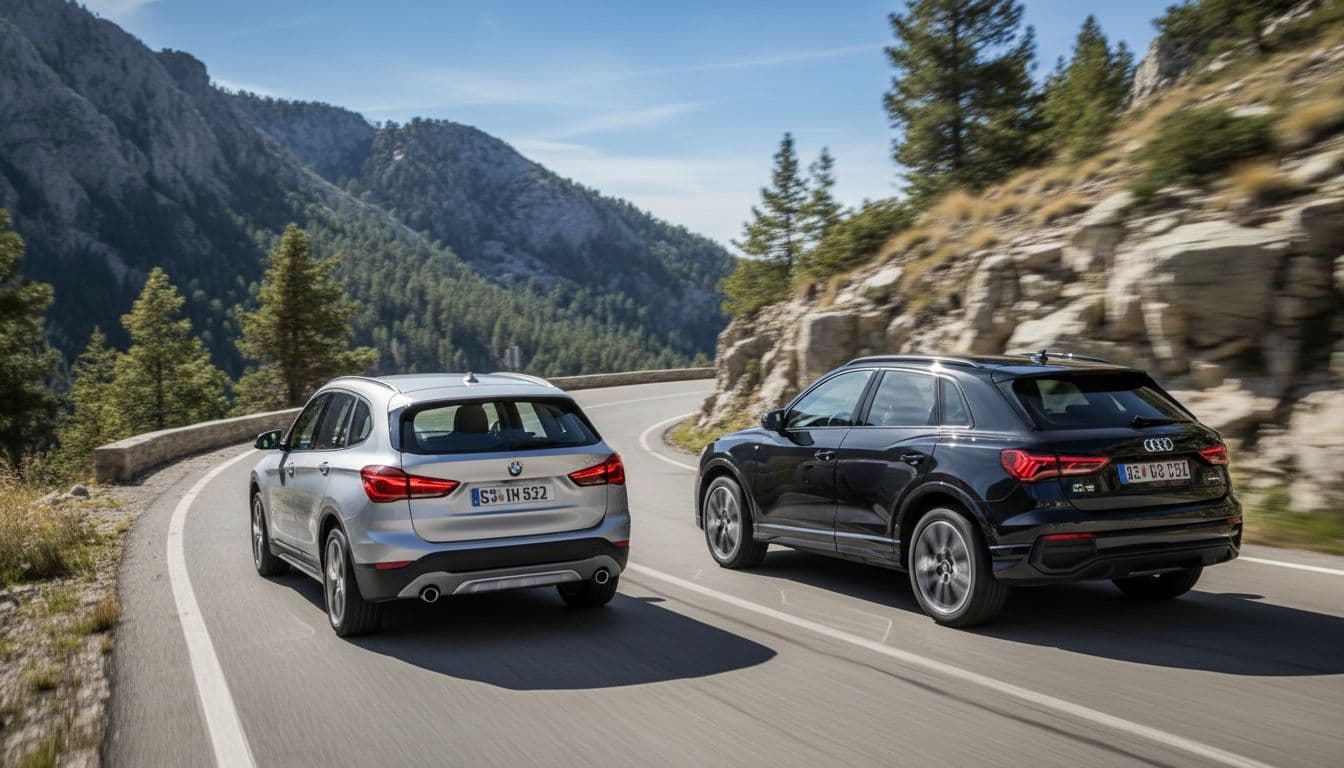
Both use turbocharged four-cylinder power and standard all-wheel drive. Yet the Audi feels sharper off the line, while the BMW feels more measured and easier to live with day after day. For a broader side-by-side look at trims and specs, TrueCar’s comparison page lays out the basics clearly.
Audi Q3 is quicker in base form, while the X1 feels efficient and confident
The Q3 has the stronger headline number in base form. It makes 255 horsepower and 273 lb-ft of torque, and it reaches 60 mph in about 5.5 seconds.
The X1 xDrive28i makes 241 horsepower but a healthy 295 lb-ft of torque. It gets to 60 mph in about 6.2 seconds.
In daily driving, that means the Audi feels punchier when you step hard into the throttle. Merging and passing take less effort. The BMW doesn’t feel slow, though. Its torque comes through in a calm, confident way, and its smoother efficiency suits commuting better than stoplight racing.
If you want the livelier base engine, the Audi has the edge. If you want the calmer all-rounder, the BMW feels easier to own.
The X1 M35i gives BMW an edge if sporty driving is a top priority
BMW raises the ceiling with the X1 M35i. That version pushes output to 312 horsepower and cuts the 0 to 60 run to about 5.2 seconds.
That’s enough to flip the script if performance is your top goal. Still, most buyers will compare the base X1 and Q3 first because price matters more than bragging rights. In that match, Audi wins the straight-line contest, while BMW keeps the broader daily-use argument alive.
Interior comfort, cargo space, and daily usability
Cabin feel can make or break a luxury SUV. You notice it every morning, even before the engine starts.
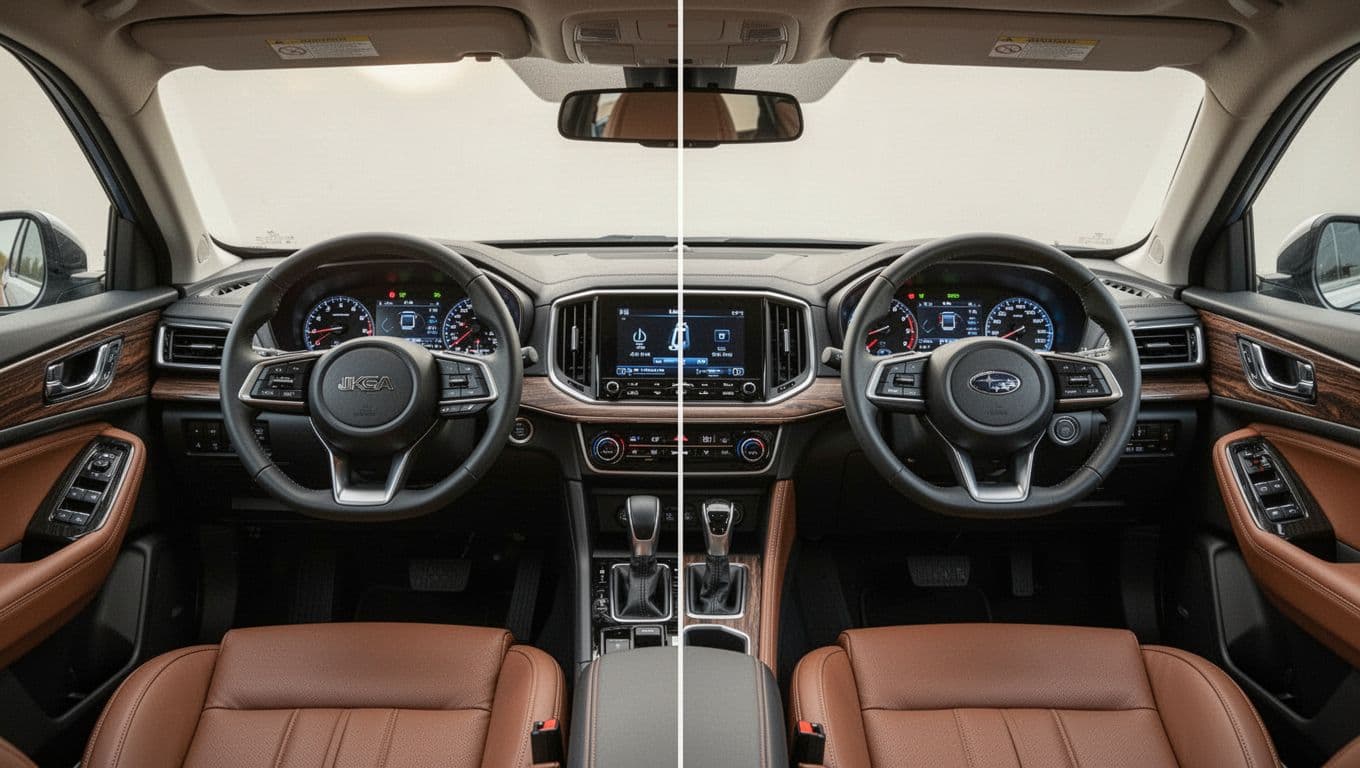
Both models do a good job with seating comfort, small-item storage, and easy city sizing. Yet they lean in different directions. Based on recent comparison impressions, including this Car Confections review, the Audi feels more upscale at a glance, while the BMW feels more useful once you start treating it like a real household vehicle.
Audi Q3 feels more upscale inside, especially for design and materials
The Q3 has a smoother, richer cabin vibe. Its shapes look more polished, and the materials often leave a stronger luxury impression right away.
That doesn’t mean the X1 feels cheap. It doesn’t. The difference is more about mood. Audi gives you the warmer showroom feel, the kind that makes a short test drive memorable. If interior design ranks above cargo tricks or towing numbers, the Q3 is the style pick.
BMW X1 makes a stronger case for space and flexibility
The X1 answers with practicality. Behind the rear seats, it offers about 25.7 cubic feet of cargo room, compared with roughly 25 cubic feet in the Q3. Fold the seats, and the BMW opens up to about 57 cubic feet, while the Audi reaches about 50.

On paper, that may not sound huge. In real life, it can mean one more suitcase, a less awkward stroller fit, or fewer rounds of grocery Tetris. The Audi does offer helpful flexibility with its sliding rear seat, so it isn’t boxed into one role. Still, the BMW is the easier choice if you treat your SUV like a tool as much as a treat.
Then there’s towing. The X1’s 3,500-pound rating dwarfs the Q3’s roughly 1,500-pound figure. For buyers who haul anything at all, that gap is hard to ignore.
Fuel economy, tech, safety, and the final verdict
The test drive grabs attention, but ownership costs often decide the winner later.
BMW X1 is the smarter pick for MPG and long-term peace of mind
The BMW is better on fuel. Expect around 24 to 25 mpg city, 33 to 34 highway, and 27 to 28 combined in the X1 xDrive28i. The Audi Q3 comes in around 22 city, 29 highway, and 25 combined.
That difference matters if you drive a lot. Over a few years, the X1’s efficiency can soften its higher entry price.
As of April 2026, full 2026 IIHS and NHTSA scores aren’t widely posted for both models. Still, both offer strong basic safety features. The Audi appears to offer a slightly richer driver-assist menu in some trims, while the BMW covers the essentials well. On reliability, current comparison summaries tend to favor the X1, though brand-new model-year data is still developing.
Choose the Audi Q3 for a richer cabin, or the BMW X1 for the better all-around package
The Audi Q3 makes sense if you want the quicker base model and a cabin that feels more expensive from the first minute. It has the flashier first handshake.
The BMW X1 is the better all-around package for most shoppers. It gives you better MPG, stronger cargo use, far better towing, and a stronger value story over time. If you want one more outside perspective, this BMW X1 vs Audi Q3 comparison highlights many of the same practical advantages.
If possible, drive them back to back on the same day. These SUVs sit close on paper, but your priorities will make one stand out fast.
The heart of the bmw x1 vs audi q3 choice is simple. The X1 wins on efficiency, flexibility, and ownership value, while the Q3 wins on cabin feel and quicker base acceleration.
So the better SUV depends on what you want it to do. If you want the smarter daily driver, pick the BMW. If you want the richer first impression every time you open the door, the Audi makes a strong case.


 admin
admin