 admin
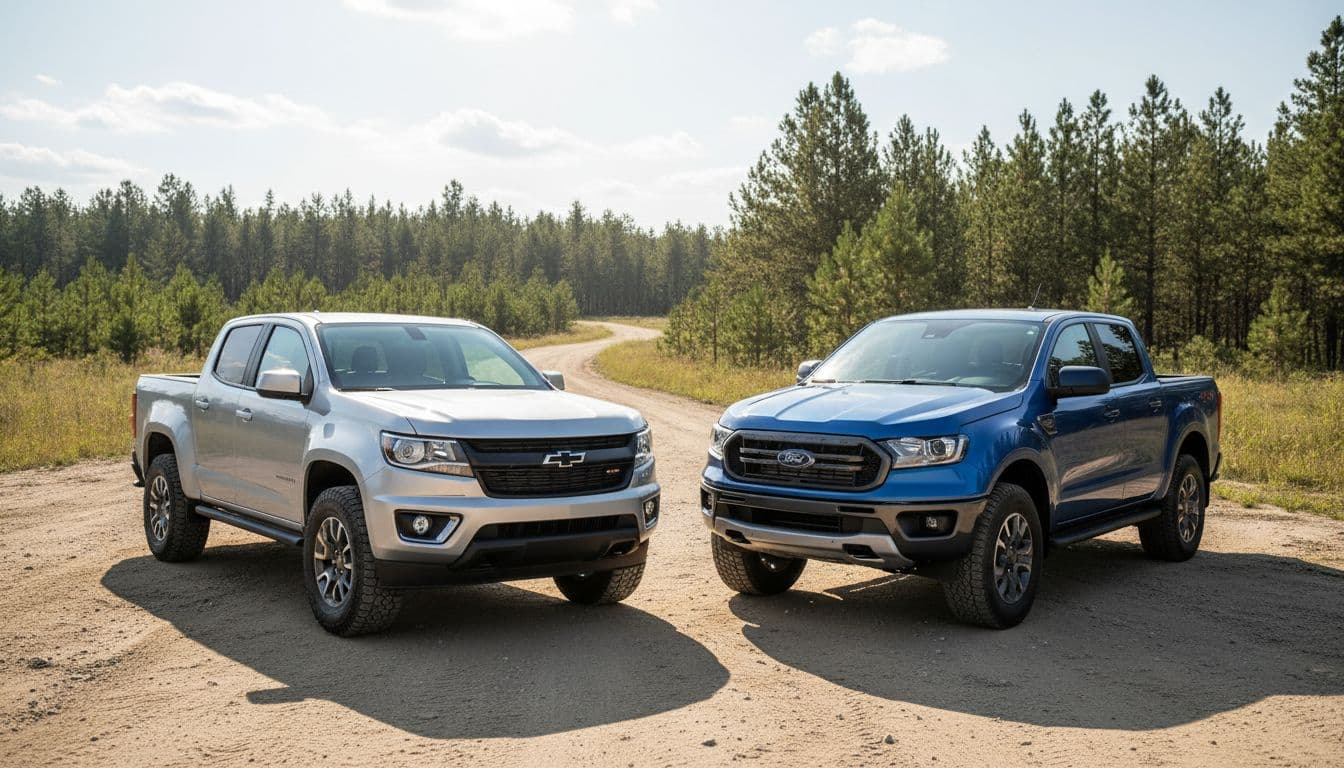
adminShopping midsize trucks sounds simple until you park a Chevy Colorado vs Ford Ranger side by side. Both can tow, haul, commute, and handle light trails. Still, they go about the job in different ways.
One leans on big standard torque and a broader off-road lineup. The other gives you engine choice and better base fuel economy. If you’re deciding between them in 2026, the details that matter most are power, towing, MPG, comfort, tech, safety, trims, and overall value.
How the Chevy Colorado and Ford Ranger compare at a glance
On paper, these trucks overlap a lot. In real life, they feel different from the first stoplight.
The 2026 Colorado keeps things simple. Every trim uses the same 2.7L TurboMax engine with 310 horsepower and 430 lb-ft of torque. The 2026 Ranger gives you a choice, a 270 hp 2.3L turbo four or a stronger 315 hp 2.7L twin-turbo V6 with 400 lb-ft.
Here’s the quick snapshot:
| Category2026 Chevy Colorado2026 Ford Ranger | ||
|---|---|---|
| Standard engine | 2.7L turbo four | 2.3L turbo four |
| Standard output | 310 hp, 430 lb-ft | 270 hp, 310 lb-ft |
| Upgrade engine | Same engine across lineup | 2.7L twin-turbo V6 |
| Max output | 310 hp, 430 lb-ft | 315 hp, 400 lb-ft |
| Max towing | 7,700 lbs | 7,500 lbs |
| Base fuel economy | 19/24/21 mpg | 21/25/23 mpg |
| Key trims | WT, LT, Trail Boss, Z71, ZR2 | XL, XLT, Lariat, Raptor |
That table tells the whole story in miniature. The Colorado gives you more muscle by default. The Ranger gives you more choice, and its base setup is easier on fuel.
If you want another side-by-side spec check, CarsDirect’s comparison tool is a helpful second look.
Colorado stands out for standard torque and off-road variety
The Colorado’s main trick is simple, every buyer gets the strong engine. You don’t have to climb the trim ladder for real pulling power. That matters if you tow, carry tools, or hate a sluggish truck.
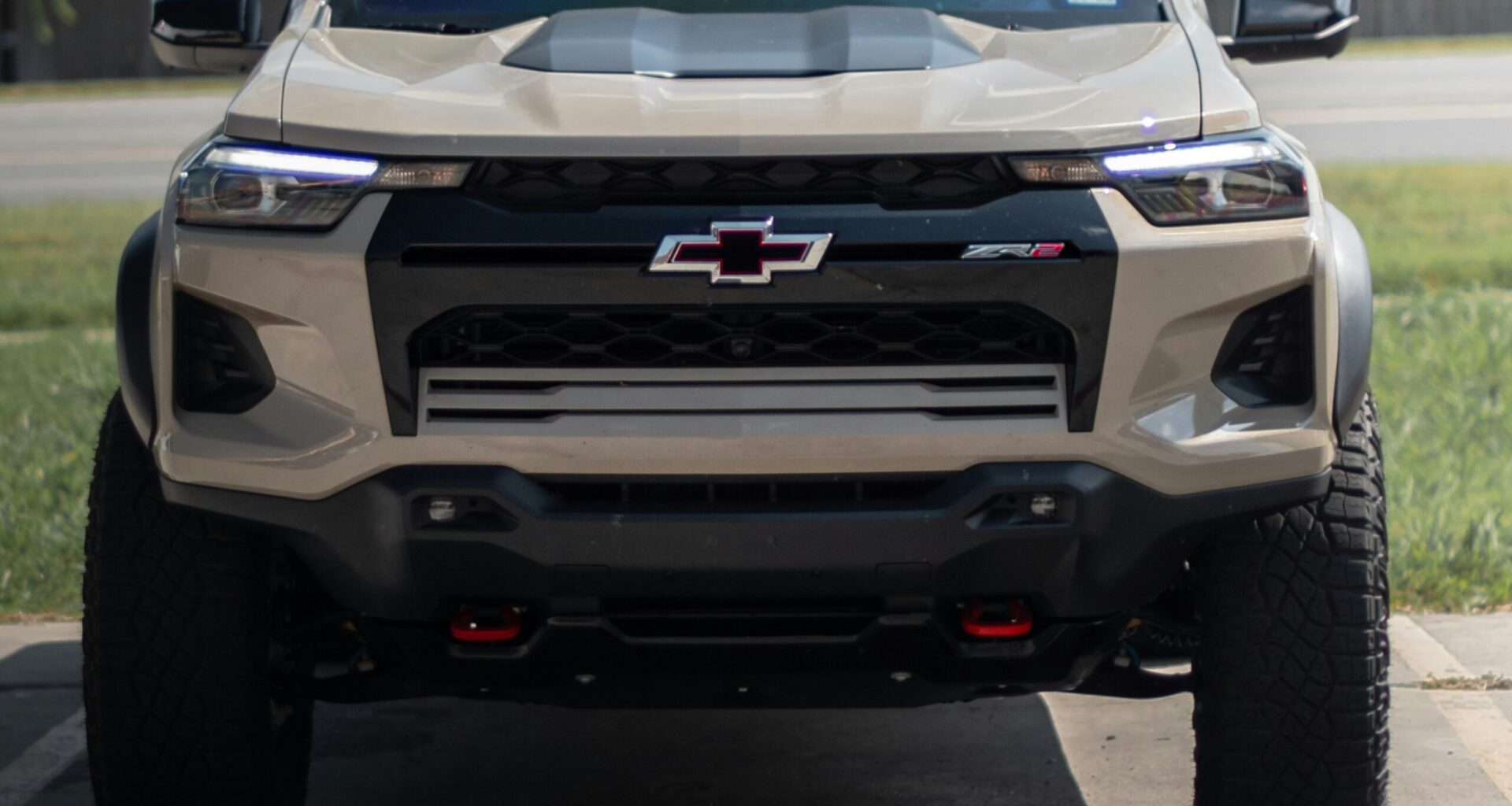
Chevy also gives shoppers more factory off-road flavors. WT and LT cover work and daily use. Trail Boss adds a more rugged stance. Z71 mixes comfort and trail gear. ZR2 goes much further with serious off-road hardware. It’s a better menu if you want the truck to match your weekends, not only your commute.
If standard torque matters more than engine choice, the Colorado has the cleaner answer.
Ranger makes sense for drivers who want engine choice and better MPG
Ford takes a different path. The base 2.3L turbo is the sensible choice for many drivers because it balances decent power with better fuel economy. Then, if you want more speed and stronger passing power, you can step up to the V6.
That split helps buyers who don’t want to pay for extra engine up front. The trim ladder is also easy to understand, with XL, XLT, and Lariat for the main lineup, plus the Ranger Raptor for shoppers chasing much more off-road performance.
Performance, towing, and daily driving feel
Specs matter, but seat time matters more. A truck can look good on a chart and still feel flat on the road.
This is where the Colorado pulls ahead for many buyers. Its torque shows up early, and you feel it.
Which truck feels stronger when you pull away or pass on the highway?
In normal driving, the Colorado feels stronger and less busy. Its 430 lb-ft of torque gives it an easy shove from a stop, and that helps when the bed is full or the cab has four adults and gear. You press the pedal, and it moves with less drama.
The Ranger’s base 2.3L isn’t weak. It’s solid for commuting and light hauling. Still, back to back, it feels less punchy. You may notice more downshifts when merging or passing. The available V6 closes the gap and adds welcome speed, but the Colorado still wins the torque fight.
For a broader road-test view, Driving’s 2026 comparison is worth a read.
Towing and payload numbers that matter for work and weekend use
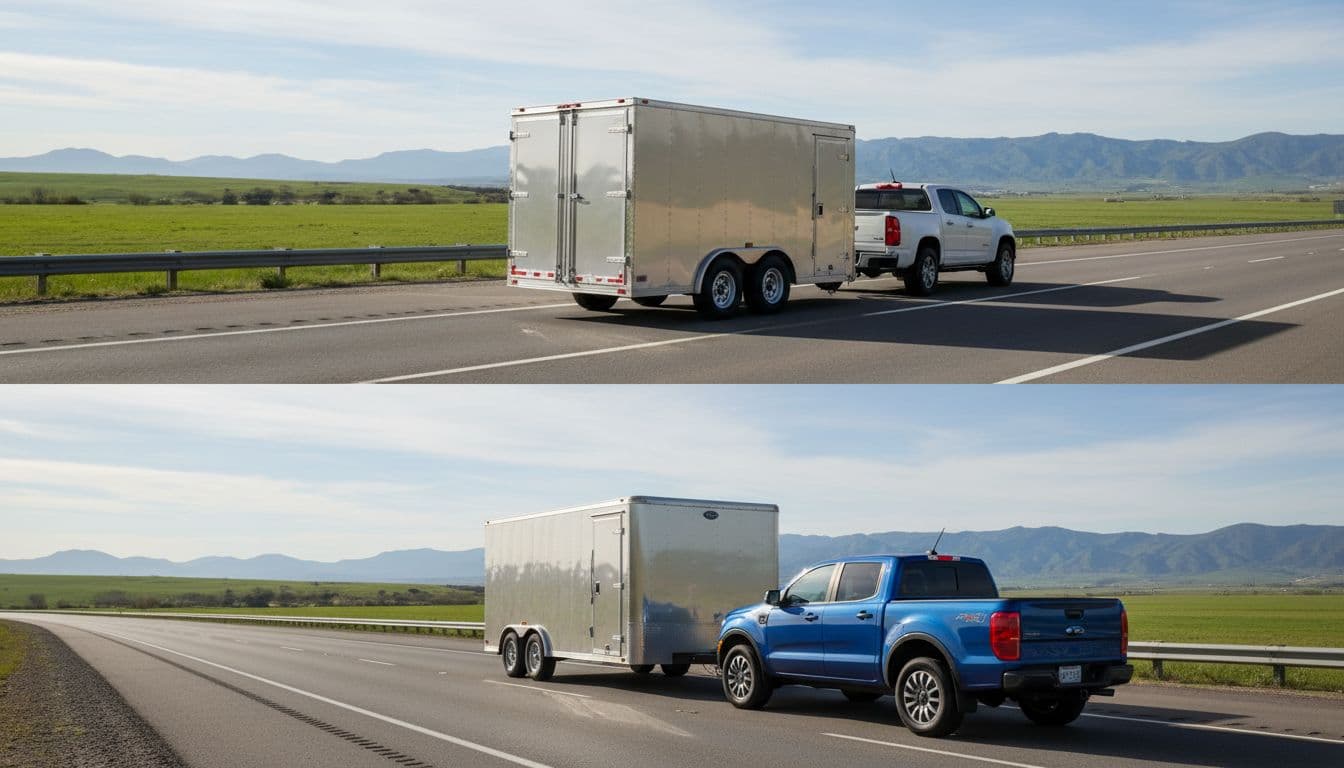
The headline towing numbers are close, but Colorado keeps the edge. Max tow rating is 7,700 pounds for the Chevy and 7,500 pounds for the Ford. For many owners, that 200-pound difference won’t change the trailer choice. Still, it reinforces the same pattern, Chevy tuned Colorado to feel like the heavier hitter.
Payload matters too, especially if your truck carries mulch, tools, bikes, or a dirt bike instead of a trailer. Published comparison figures often put Colorado around 2,046 pounds of max payload and Ranger around 1,788 pounds, though that changes with trim, drivetrain, and equipment.
Chevy also packs in a few useful truck details. Tow/haul mode helps when the truck is loaded. The bed offers lots of tie-down points, and the available StowFlex tailgate storage is one of those features that sounds small until you use it. Gloves, straps, or muddy gear finally have a home. Chevy highlights those features in its official Colorado vs Ranger comparison.
Gas mileage and driving range, where Ranger has the edge
If fuel costs sit at the top of your list, Ranger answers with better base numbers. The common published estimates land around 21/25/23 mpg for the base Ranger, versus 19/24/21 mpg for the Colorado.
That gap matters for commuters and small business owners who pile on highway miles. Over a year, even a modest MPG edge can feel like getting a few free tanks of gas.
Colorado does push back with a larger fuel tank, so driving range between fill-ups can be better than the MPG gap suggests. In other words, Ranger is thriftier, but Colorado may spend less time at the pump on a long run.
Cabin comfort, tech, and safety features
Inside, these trucks reflect the same split as the powertrains. Chevy aims for a more modern feel. Ford keeps things straightforward.
Neither truck feels cheap in the right trim, but the Colorado tends to make a stronger first impression.
Colorado feels more modern inside, Ranger keeps things simple
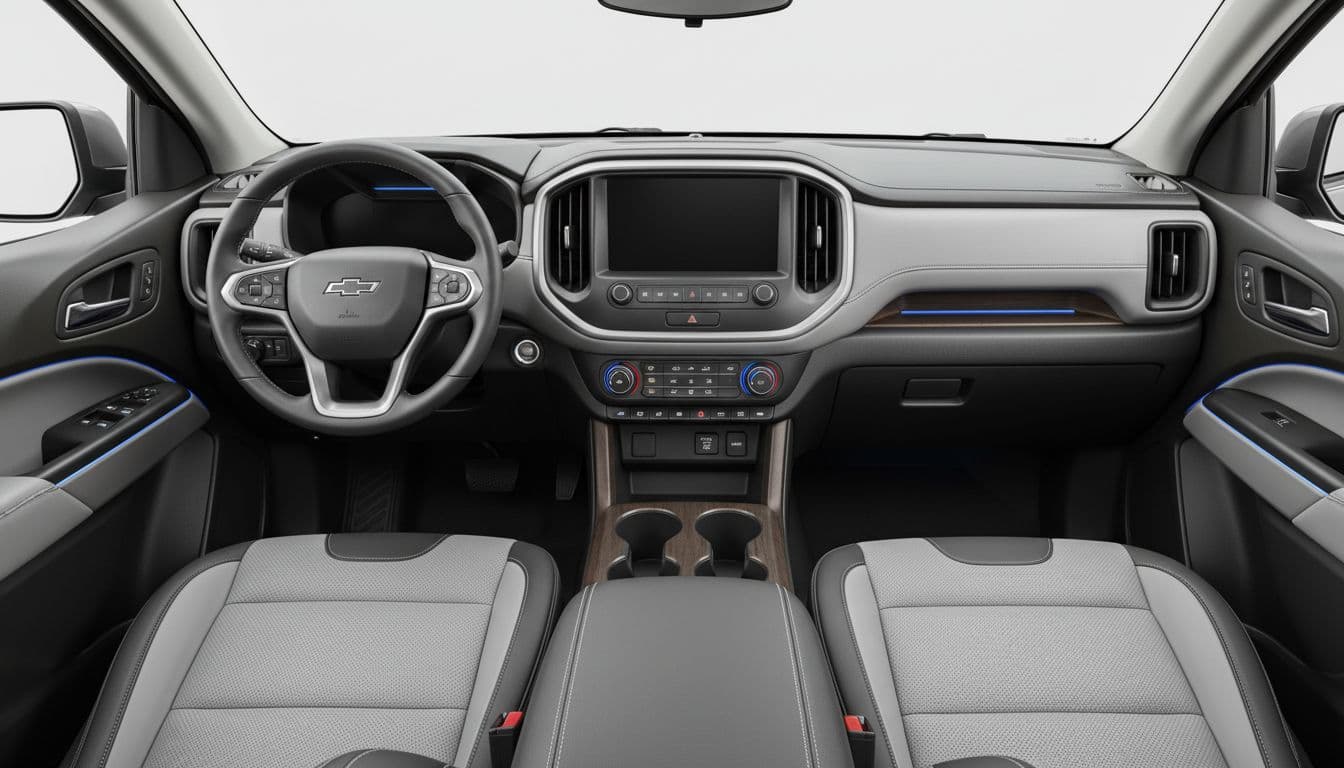
Colorado’s cabin feels more current because the screen setup is larger and more central to the experience. Many shoppers like the big touchscreen and Google built-in software because the layout feels more like a newer SUV than an old-school work truck.
Storage is also well thought out, and the design has a cleaner look. On upper trims, material quality steps up enough to make long drives easier to live with. Road noise is controlled fairly well too.
The Ranger cabin is practical and easy to understand. That’s not a bad thing. Some buyers prefer simple controls and a more traditional feel. Still, depending on trim, it may not feel as polished as the Chevy. For a general buyer-focused take, Kelley Blue Book’s Ranger and Colorado comparison captures that difference well.
Safety tech is strong in both, but crash-test results are not identical
Both trucks offer the driver aids most buyers expect now. Chevy Safety Assist and Ford Co-Pilot360 each cover the basics well, including helpful features for daily traffic and parking.
The crash-test picture isn’t identical, though. Current source data shows the Ranger with a stronger overall NHTSA result, including an overall 5-star rating, while the Colorado sits at 4 stars overall and scores better in some individual areas than others. That’s a useful point for family buyers.
Still, don’t shop safety by headline alone. Ratings can vary by cab, drivetrain, and exact configuration. Check the latest report for the trim you want before signing papers.
Trims, pricing value, and which truck should you buy?
Because exact April 2026 MSRP details vary by trim and region, the smarter value question is this, what do you get for the money?
Chevy and Ford answer that in two different ways.
Choose the Colorado if you want more standard muscle and more factory off-road options
Colorado is the better fit for buyers who want strong performance without paying extra for an engine upgrade. Every trim gets the same stout torque figure, and that makes the whole lineup easier to shop.
It also makes more sense for buyers who want factory off-road variety. Trail Boss, Z71, and ZR2 give you clear steps, from mild dirt-road fun to serious trail hardware. Add in the slight towing edge, handy bed features, and likely stronger payload on many versions, and Colorado feels like the more complete all-around truck.
If your truck has to work on Monday and head for a campsite on Saturday, this is the easier recommendation.
Choose the Ranger if you want better base fuel economy or prefer Ford’s trim approach
Ranger makes more sense if you care most about fuel economy in the lower trims. The base engine is the thriftier choice, and some buyers will gladly trade torque for lower fuel bills.
Ford’s simpler trim walk also appeals to shoppers who know what badge they want. Brand loyalty matters more in trucks than many people admit. Dealer support matters too. Some buyers may also feel better about Ranger’s stronger crash-test picture.
If you want engine choice, better base MPG, or you simply prefer how a Ford drives and feels, Ranger is still an easy truck to defend.
The easy answer is this: Colorado is the stronger all-around pick for buyers who want standard power, better torque, towing confidence, and more off-road variety. Ranger is the smarter fit if base fuel economy, engine choice, and Ford preference sit higher on your list.
A spec sheet can point you in the right direction. Still, the best final test is simple, drive both with the gear, trailer, or daily routine you actually have.

 admin
admin