 admin
adminShopping for a compact sedan can feel like picking between two favorite coffee orders. Both work, both are reliable, but one probably fits your taste better. In the honda civic vs toyota corolla matchup, that same idea applies.
Both cars are smart buys. Still, they shine in different ways. The Civic stands out for stronger hybrid power, more space, and a drive that feels sharper. The Corolla stands out for lower overall pricing, excellent fuel economy, and something rare in this class, available AWD.
So which should you buy? That depends on your budget, commute, weather, and how much you care about comfort behind the wheel. This guide breaks down the real differences in plain English, so you can pick the one that fits your daily life.
Toyota Corolla vs Honda Civic: the biggest differences at a glance
At a high level, the Corolla is the value pick, while the Civic feels a bit more upscale. That simple split explains why this comparison stays so popular year after year.
The Corolla usually costs less, especially if you’re comparing similar hybrid trims. It also keeps things simple. You get strong efficiency, solid safety tech, and an easy ownership story. For many buyers, that checks every box. A recent Capital One comparison of the 2026 Civic and Corolla makes the same basic point: both are good, but they appeal to different priorities.
If price and efficiency lead your list, the Corolla makes more sense. If comfort, room, and driving feel matter more, the Civic usually comes out ahead.
Why some drivers will like the Corolla more
The Corolla is the kind of car that doesn’t ask much from you. It just gets on with the job. That matters if you want low stress and low fuel bills.
It makes a lot of sense for commuters, first-time buyers, and anyone who wants dependable transportation without stretching the budget. On top of that, its available AWD is a real advantage in snow-belt states or rainy areas where extra traction helps.
Why the Civic often feels like the more premium choice
The Civic often feels like the car you buy when you want a compact sedan that doesn’t feel cheap. Its cabin looks cleaner, the seats feel more supportive, and the ride has a calmer, more mature feel.
Honda also gives the Civic more passenger room, more rear legroom, and more cargo space. Add the much stronger hybrid system, and it’s easy to see why many reviews and comparison tests lean toward the Civic for comfort and day-to-day enjoyment.
Honda Civic vs Toyota Corolla specs: performance, mpg, size, and price
The numbers tell a clear story. One car wins on value and traction options, while the other wins on power and space.
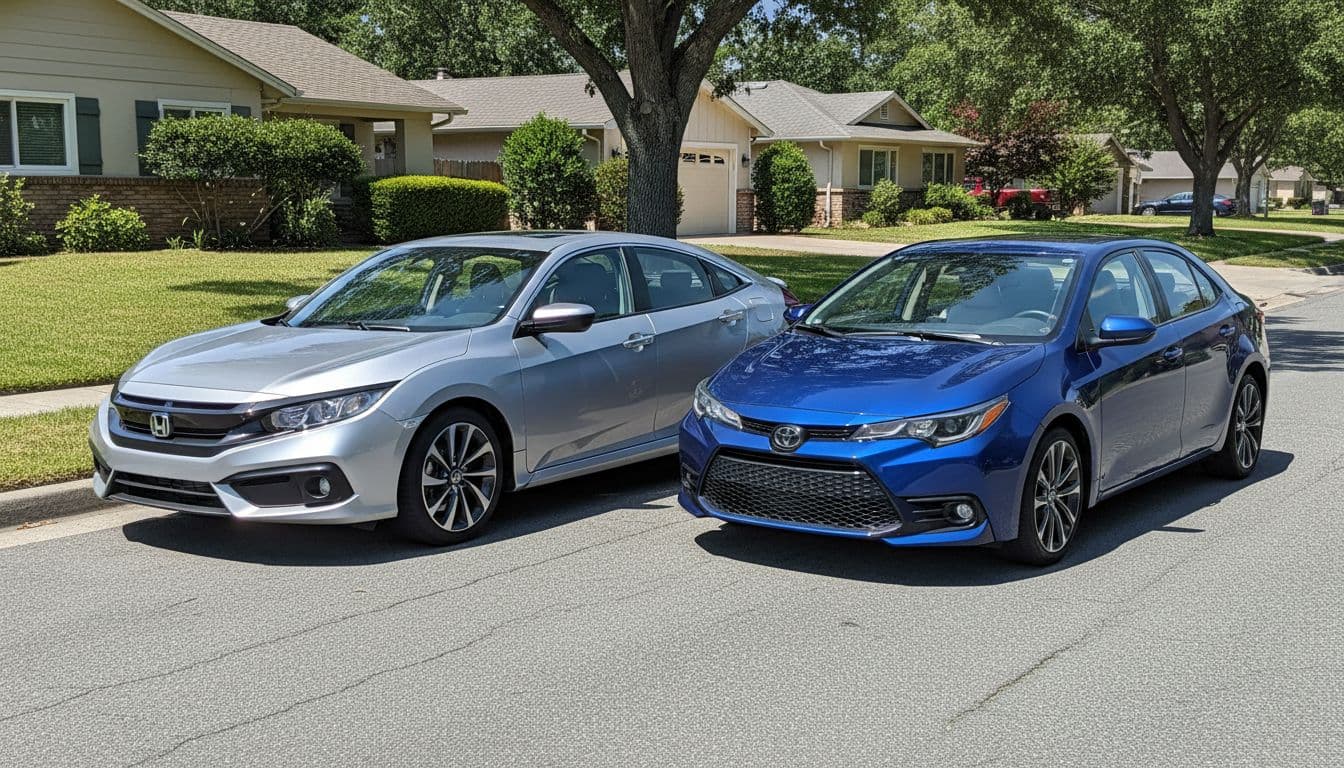
Here is the quick side-by-side view that matters most to shoppers:
| Spec | Honda Civic | Toyota Corolla |
|---|---|---|
| Starting price | Civic LX starts at $24,695 | Generally lower overall pricing |
| Base gas power | 150 hp | 169 hp |
| Hybrid power | 200 hp | 138 hp |
| Gas fuel economy | About 36 mpg combined | About 35 to 36 mpg combined |
| Hybrid fuel economy | About 49 mpg combined | Up to 50 mpg combined in some trims |
| Passenger volume | 99 cu ft | 88.6 cu ft |
| Rear legroom | 37.4 in | 34.8 in |
| Trunk space | 14.8 cu ft sedan, 24.5 cu ft hatch | 13.1 cu ft |
| AWD | No | Available on hybrid trims |
The takeaway is simple. The Corolla gives you lower-cost efficiency and AWD. The Civic gives you more room and far more hybrid performance. If you want an outside source to compare trim details, Car and Driver’s comparison tool is helpful for checking current specs side by side.
Which one feels quicker and more fun to drive
This is where the Civic creates real separation. The Civic Hybrid makes 200 horsepower and can hit 60 mph in about 6.2 seconds. That’s quick for a compact commuter car.
The Corolla Hybrid is much calmer. Its 138-hp system focuses on sipping fuel, not jumping off the line. One tested AWD Corolla Hybrid reached 60 mph in about 9.0 seconds. That’s fine for daily traffic, but it won’t feel lively.
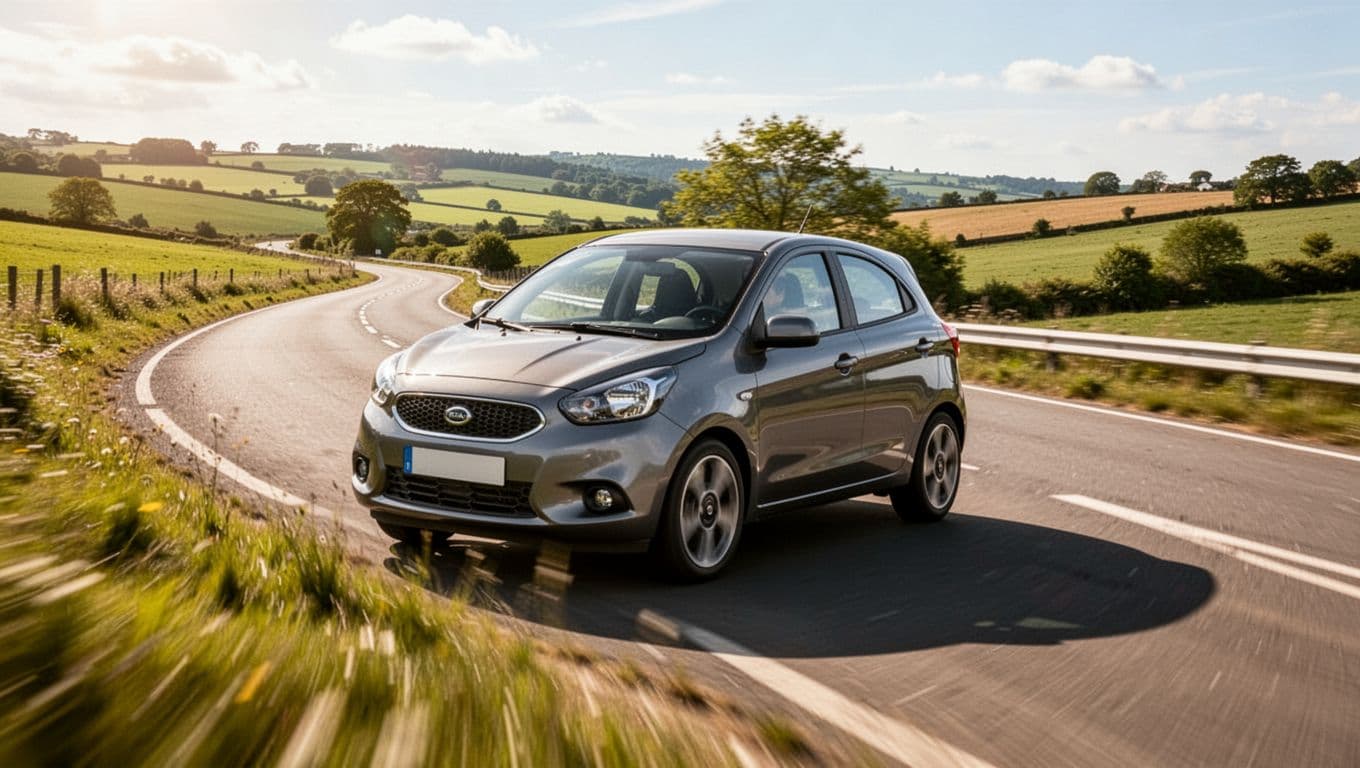
Beyond speed, the Civic usually feels more composed in corners and more planted on the highway. Steering feels cleaner, and the chassis has a little spark. The Corolla is quieter in its intent. It wants to be easy, smooth, and efficient, not sporty.
Fuel economy and running costs, what the numbers mean for real owners
Both cars are kind to your wallet. Gas models sit in the mid-30s combined, so neither one feels thirsty. For a lot of drivers, that alone is enough.
The bigger choice is hybrid versus gas. The Corolla Hybrid can edge ahead on efficiency, with some front-wheel-drive trims reaching about 50 mpg combined. The Civic Hybrid sits right behind at about 49 mpg combined, which is still excellent.
In real life, the difference comes down to what you value more. If you drive long highway miles and want the best possible mpg, the Corolla Hybrid has a slight edge. If you want nearly the same fuel savings with much stronger acceleration, the Civic Hybrid is the more satisfying pick.
Cabin room, trunk space, and everyday comfort
Space is one of the Civic’s biggest wins. It offers up to 99 cubic feet of passenger volume, versus 88.6 in the Corolla. Rear legroom is also much better, 37.4 inches compared with 34.8.
That gap matters more than it sounds. Adults fit more comfortably in the back of the Civic. Child seats are easier to manage. Long trips feel less cramped. Groceries and luggage also fit better because the Civic sedan has 14.8 cubic feet of trunk space, while the Corolla has 13.1. If you want even more utility, the Civic hatchback opens that up further.
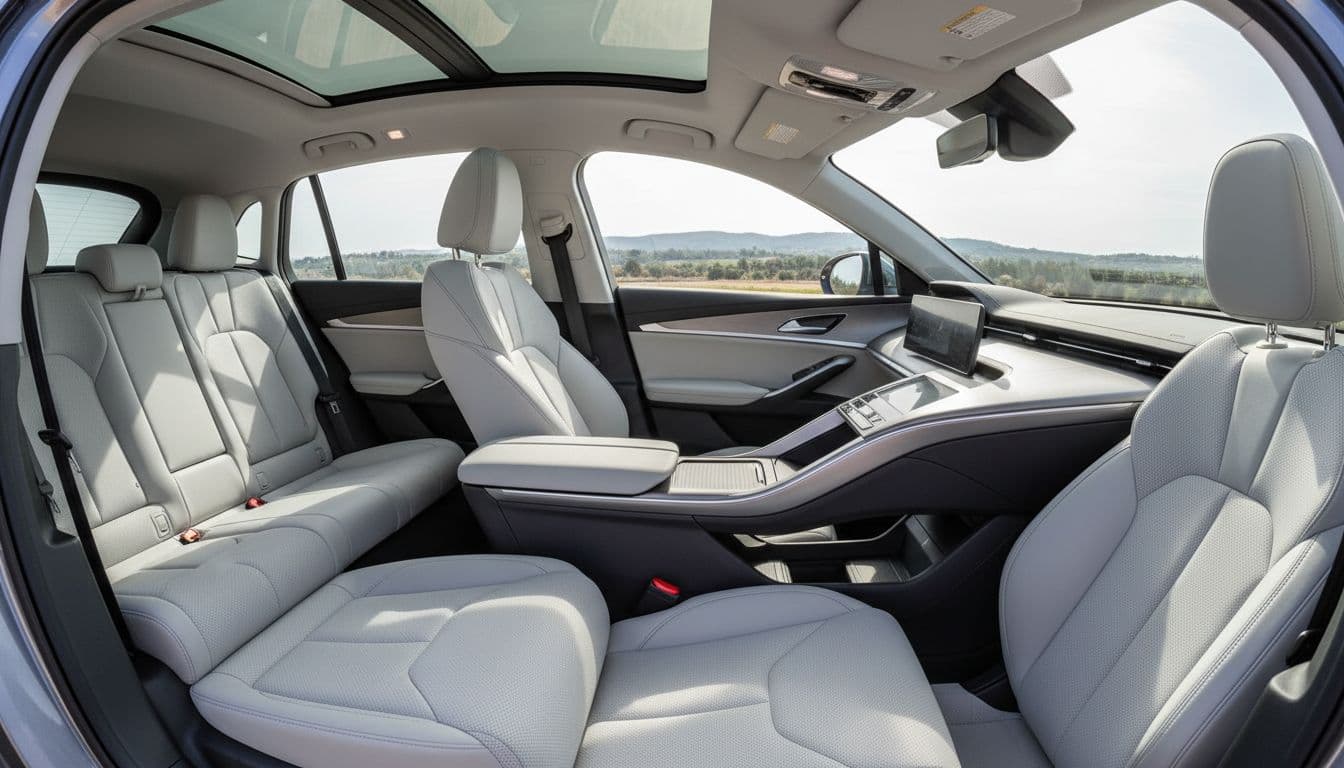
This is a big reason the Civic often feels like the better family car, even though both sit in the same class. A broader 2026 Civic vs Corolla review from Driving also points to the Civic’s roomier, more polished feel.
Honda Civic vs Toyota Corolla reliability, safety, and long-term ownership
This part is close, and that’s good news. Honda and Toyota both have strong reputations for long-term durability, reasonable ownership costs, and solid resale value.
That said, the source set for this comparison did not include matching 2026 reliability scores from Consumer Reports or J.D. Power for both cars. So it would be misleading to call one the clear winner based on a single rating.
Reliability reputation and what buyers should expect
The better way to judge reliability here is practical, not dramatic. Look at each brand’s history, then compare your local dealer experience, maintenance prices, warranty details, and owner feedback.
Honda and Toyota have both earned trust over time. The Civic has a strong record, and the Corolla does too. Still, small ownership details can change the picture. A great service department nearby can matter more than a tiny gap in predicted reliability.
If you want one place to compare rankings, features, and trim data, U.S. News’ Civic vs Corolla comparison page is a good extra checkpoint before buying.
Safety features and confidence on the road
Both cars come packed with modern driver aids. The Civic includes Honda Sensing, while the Corolla uses Toyota Safety Sense 3.0. In plain terms, both give you adaptive cruise control, automatic emergency braking, lane-keeping help, and a rearview camera.
The Civic adds available features like blind-spot monitoring, rear cross-traffic alert, and Traffic Jam Assist on many trims. The Corolla has a strong safety case too, and some versions offer standard blind-spot warning and rear cross-traffic alert where a base Civic may not.
One more point matters for real-world confidence: the Corolla’s available AWD. If you deal with snow, slush, or steep wet roads, that extra traction could be worth more to you than the Civic’s better driving feel.
Which car should you buy, the Civic or the Corolla?
At this point, the choice is less about which car is better on paper and more about which one fits your life better. Think of the Corolla as the practical running shoe. The Civic is the one with more cushion and a little more bounce.
Choose the Toyota Corolla if low cost and easy ownership matter most
The Corolla is the better pick if you want the lower-cost route into a trusted compact car. It works especially well for students, first-time buyers, and commuters who care more about fuel savings than fast acceleration.
It’s also the easy answer for buyers in colder climates because AWD is on the menu. If your goal is simple, efficient, low-drama transportation, the Corolla nails it.
Choose the Honda Civic if you want more space, power, and a better drive
The Civic is the smarter buy if you’ll keep the car for years and care about comfort every day. You get a nicer cabin, more room for passengers, a larger trunk, and a hybrid system that feels much stronger.
That extra polish adds up over time. If you spend a lot of hours in traffic, drive with adults in the back, or just want a compact car that feels more grown-up, the Civic is worth the extra money.
In the end, there’s no bad choice here. The Corolla is the smarter value play, especially if you want lower pricing, strong efficiency, and available AWD. The Civic is the better pick if you want more rear-seat space, stronger hybrid performance, and a more refined drive. A simple way to remember it is this: buy the Corolla with your budget in mind, buy the Civic with your comfort in mind.

 admin
admin