 admin
adminA $25,000 budget used to feel roomy. In 2026, it feels more like packing for a trip with one small bag. You can still get a very good car, but every choice matters.
This guide to the best cars under 25k covers both new 2026 models and smart used picks from 2020 to 2025. The right answer depends on more than sticker price. Fuel costs, insurance, space, safety, reliability, and how long you plan to keep the car all matter just as much.
If you want low stress, a new compact sedan may be best. If you want more space or a nicer class of vehicle, used often wins. Start with your real needs, then let the numbers narrow the field.
How to choose the right car under $25,000 for your life
Before looking at badges, build a simple filter. Think of your budget like a grocery cart. If one item takes too much room, the rest stops fitting.
First, look at the out-the-door price, not just MSRP. Taxes, fees, and dealer add-ons can push a $23,000 car close to $26,000 fast. Next, check gas mileage, insurance quotes, cargo room, rear seat comfort, and resale value. Repair history matters too, especially if you’re buying used.
Many affordable cars now include automatic emergency braking, lane-keeping assist, and other helpful features. That makes the budget end of the market better than it was a few years ago. For a broader look at the segment, U.S. News’ affordable car guide shows how competitive this price range still is.
Decide if new or used gives you the better deal
New cars bring full warranty coverage, newer safety tech, and easier financing. They also give you a clean slate. The tradeoff is simple, there are fewer strong choices under this budget than there used to be.
Used cars can stretch your money much further. For the same $25,000, you may get better materials, more features, or a small SUV instead of a compact sedan. Still, used shopping takes more care. Mileage, service records, tire wear, and accident history all matter.
If you want the least drama, buy new. If you want the most car for the money, lightly used is often the sweet spot.
Look past the sticker price and count the real monthly cost
The cheapest car to buy isn’t always the cheapest car to own. Fuel, insurance, registration, tires, oil changes, brakes, and repairs all stack up.
A Toyota Corolla or Honda Civic may cost a bit more up front than a less proven rival. Over five years, though, they often make up the gap with better fuel economy and fewer surprise repairs. That’s why a lower payment can still be the worse deal.
A budget car should stay affordable after you buy it, not just on day one.
So, compare monthly costs with the same discipline you use for price. It will save you from buying a bargain that keeps reaching into your wallet.
Best new cars under 25k if you want low stress ownership
The best new picks in this range keep things simple. They offer good safety, solid mpg, and a low chance of buyer’s remorse. Prices can shift with destination fees, dealer add-ons, and local supply, so always verify the final number before signing.
Toyota Corolla LE, the safest all around pick for most buyers
The Corolla LE is still the cleanest answer for most people. As of March 2026, it starts at $22,925 and returns about 32 mpg city and 41 mpg highway. That’s hard to beat for daily use.
It also checks the boxes that matter most. Reliability is strong. Resale value tends to stay healthy. Standard safety tech is a major plus, and the cabin is easy to live with. The car isn’t exciting, but not every tool needs to be shiny. Sometimes you just want the hammer that always works.
If you want a closer look at trims, road manners, and pricing, Edmunds’ Corolla overview is a helpful reference.
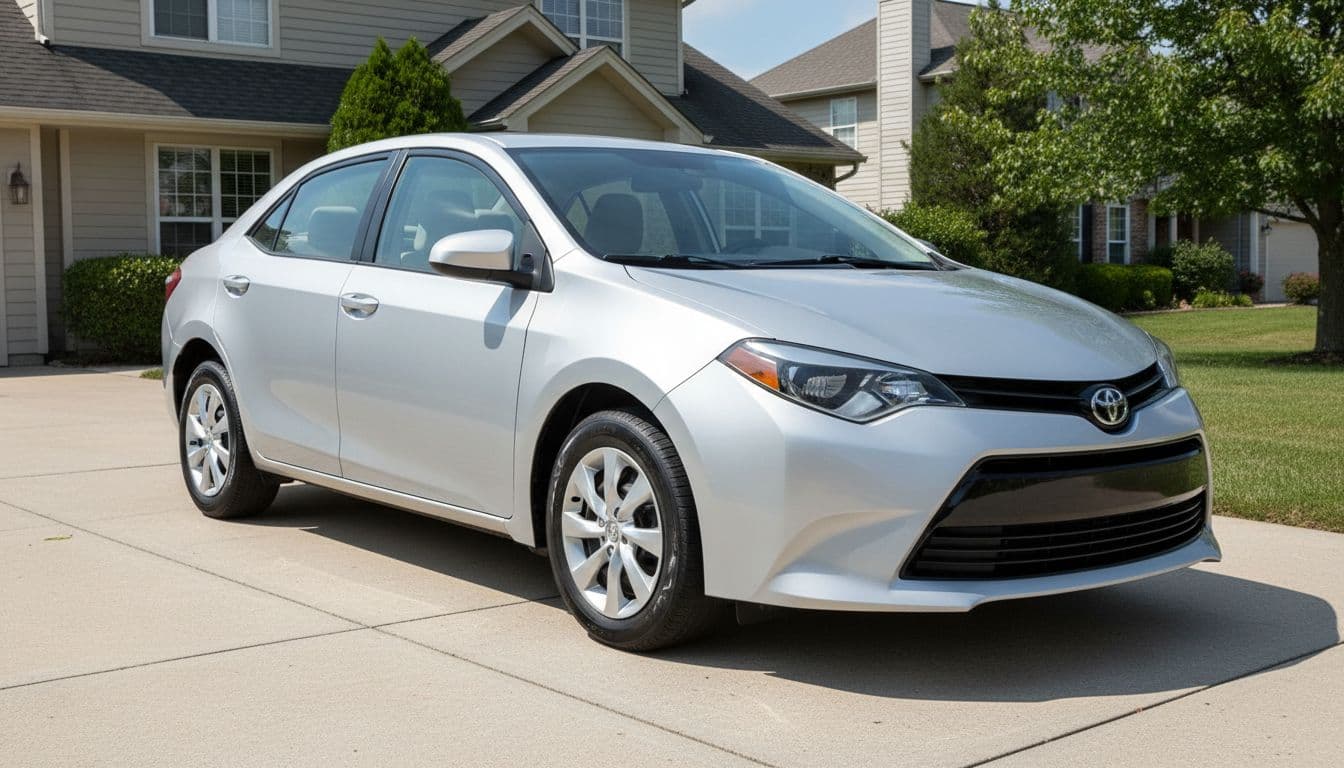
For commuters, first-time buyers, and small families, it’s the safest all-around bet in this price bracket.
Hyundai Elantra SE and Kia K4 LX, the value picks with more style and tech
If the Corolla feels too plain, the Hyundai Elantra SE and Kia K4 LX deserve a look. The 2026 Elantra SE starts at $23,870 and posts an estimated 31/41 mpg. It also benefits from Hyundai’s long warranty, which helps lower ownership stress.
The Kia K4 LX starts around the low-$22,000 range before destination, so it stays within budget in most cases. It brings fresh styling, a roomy interior, and strong feature value for the money. The catch is simple, it’s newer and less proven over time than the Corolla or Civic.
For shoppers who want extra context on current K4 pricing, CarBuzz’s K4 price breakdown shows how Kia has kept the entry point competitive.
Choose the Elantra if warranty coverage matters most. Pick the K4 if cabin space and modern design are higher on your list.
Chevrolet Trax, Nissan Kicks, and Kia Soul, the small crossovers worth a look
Some buyers don’t want a sedan at all. They want an easier step-in height, a flexible cargo area, and city-friendly size. That’s where the Chevrolet Trax, Nissan Kicks, and Kia Soul come in.
The Trax feels like the value leader here. It has sharp styling, a roomy cabin for its size, and a more grown-up feel than many budget crossovers. The Kicks is strong on tech and urban ease, and recent versions added available AWD, which is useful in snowy states. The Soul stays boxy and practical, which means easy parking and excellent cargo room for its footprint.
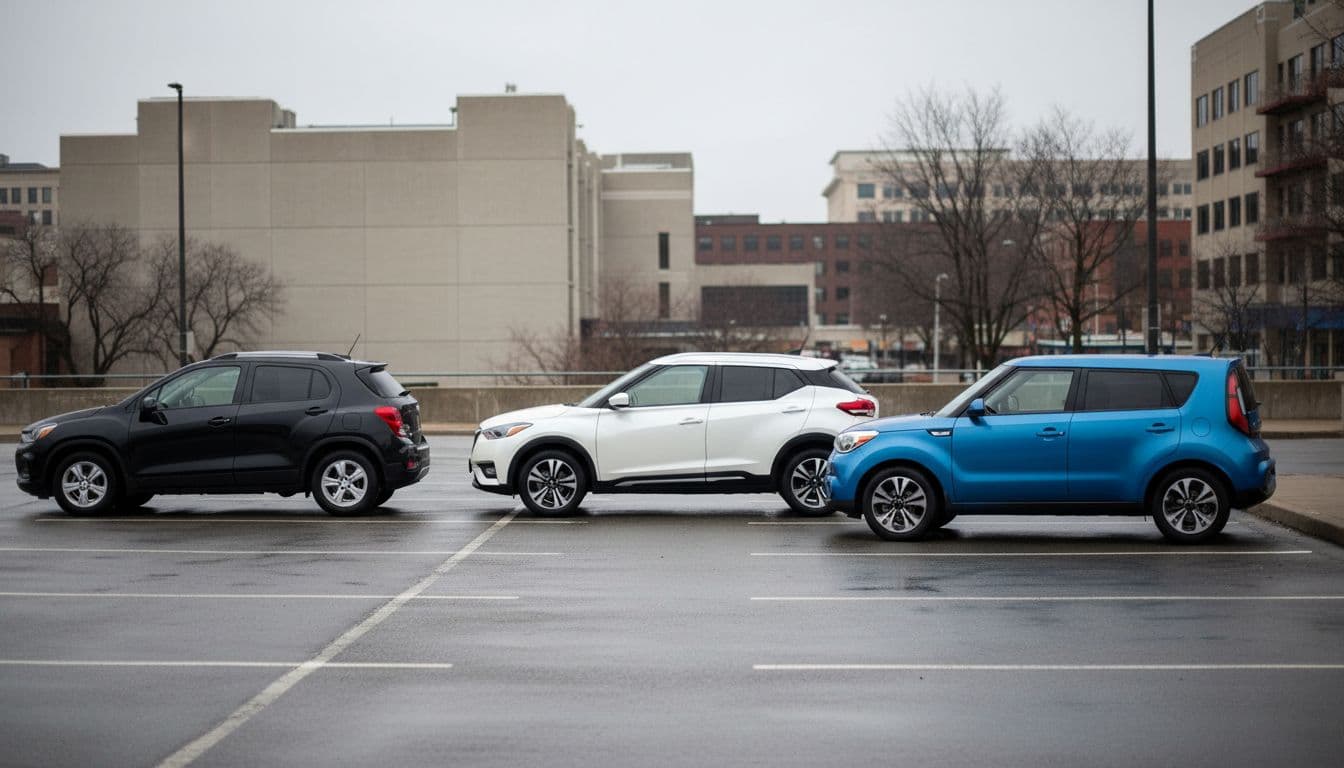
There are tradeoffs. None of these feel quick. Some trims ride a bit firmly. And fuel economy usually trails a compact sedan. Still, for daily errands, tight parking, and small-family duty, they make a lot of sense.
Best used cars under 25k if you want more car for the money
For many shoppers, used is where the real value lives. If you can find a clean vehicle with under 50,000 miles, you’re often in the sweet spot. The car has already taken the biggest hit in depreciation, but it still has a lot of life left.
Market prices move by region and mileage, so treat ranges as a guide, not a promise. Resources like iSeeCars’ used car rankings can help you see which models tend to hold up best for value, safety, and resale.
Honda Civic and Toyota Corolla Hatchback, the used picks that are hard to regret
A lightly used Honda Civic is one of the easiest recommendations in this whole article. Most 2020 to 2025 examples land between about $18,000 and $25,000, depending on trim and miles. The Civic is efficient, comfortable, and a little more fun to drive than most rivals.
The Corolla Hatchback takes a different path. It adds extra cargo flexibility and keeps Toyota’s usual low-stress ownership story. That makes it a smart pick for buyers who want a small car that can still swallow luggage, groceries, or a folded stroller.
There are a couple of cautions. Some Civic trims cost more to insure. The Corolla Hatchback’s rear seat can feel tight for taller adults. Even so, both are hard to regret if the history report is clean.
Honda HR-V and Toyota Corolla Cross, the used SUVs built for everyday life
If you want a used SUV, the Honda HR-V and Toyota Corolla Cross stand out because they fit real life well. They aren’t trying to be rugged toys. They just make commuting, school runs, and weekend errands easier.
A 2020 to 2025 HR-V often falls around $19,000 to $25,000. It offers a practical cabin, simple controls, and easy visibility. The Corolla Cross, mostly from 2022 onward, tends to run a bit higher, often around $20,000 to $25,000 or more. In return, you get Toyota’s strong reputation and good fuel economy for a small SUV.
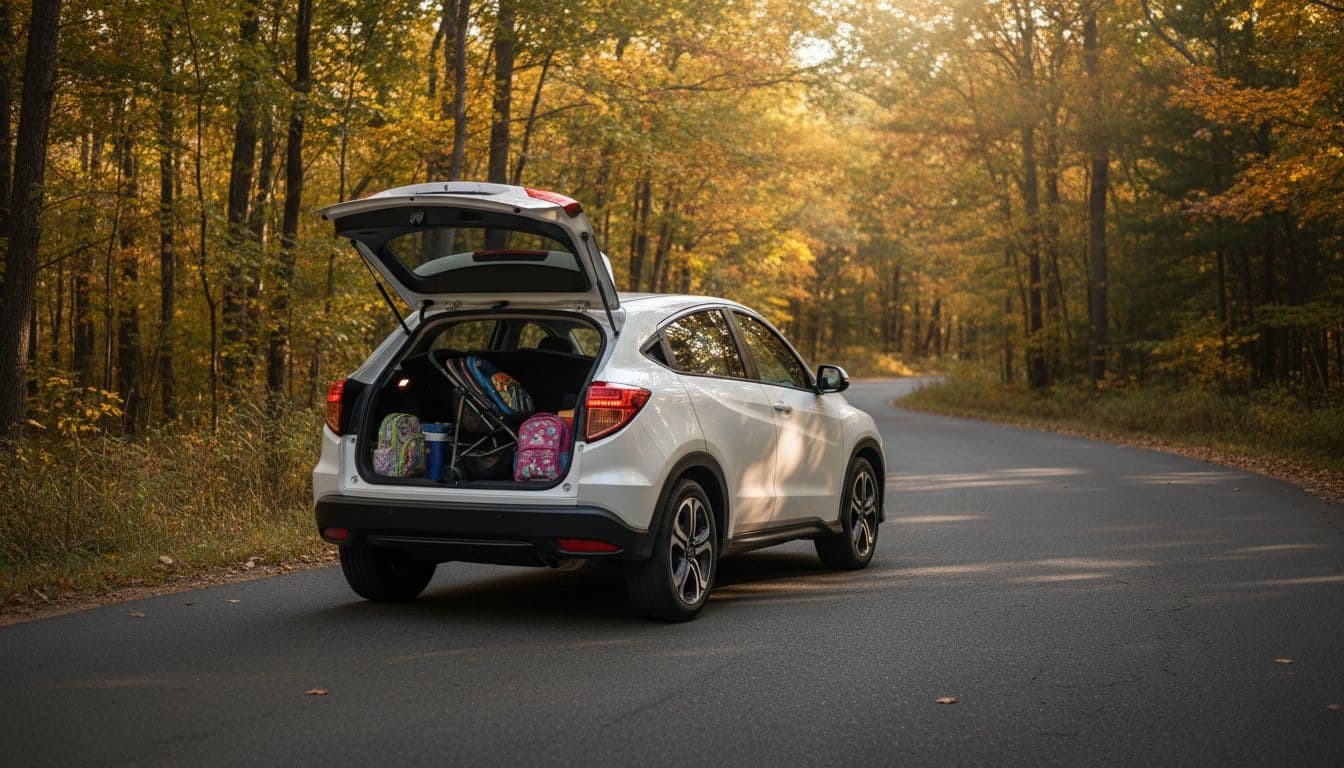
For buyers focused on safety and dependability in the used market, Consumer Reports’ March 2026 used picks are worth checking alongside your own local listings.
What about trucks under 25k
New trucks under this budget are basically gone in 2026. If you need a bed, used is the realistic path.
A used Toyota Tacoma or Ford Ranger extended cab from about 2020 to 2023 can sometimes fit, though clean examples under $25,000 aren’t everywhere. Expect more miles, basic interiors, and fewer comfort features than a sedan or compact SUV at the same price. Fuel costs will also be higher.
So, if you only need truck utility once in a while, renting may be smarter. Buy the truck only if you truly use the bed often.
The smartest way to compare your final shortlist
Once you’ve narrowed the list, stop reading specs like they’re baseball cards. A car can win on paper and still feel wrong on your daily drive.
Pick the car that fits your routine, not just the one with the best specs
A sedan often beats a small SUV on fuel costs and highway comfort. A crossover, however, may fit your life better if you carry sports gear, haul a child seat often, or want an easier step-in height.
If you commute 40 miles a day, the Corolla or Elantra makes more sense than a small SUV. If you road trip with kids or park on rough city streets, the HR-V, Trax, or Corolla Cross may feel like the better tool.

Test drive both types back to back. You’ll learn more in 20 minutes behind the wheel than you will from hours of scrolling.
Use a quick checklist before you say yes to any deal
Keep this final check short and practical:
- Compare out-the-door pricing, not just the ad price
- Verify safety features on the exact trim
- Check insurance quotes before you buy
- Review warranty coverage and what’s left
- Inspect service records and tire wear on used cars
- Skip dealer add-ons that push you past budget
The best deal is the one that still looks smart after the first repair bill, insurance payment, and gas stop.
The best cars under 25k aren’t the cheapest ones on the lot. They’re the ones that stay easy to own after the sale. For low-stress new ownership, the Toyota Corolla LE is still the safest call. If used value is your goal, a Honda Civic is tough to beat. And if you want a small SUV, start with the Chevrolet Trax on the new side or the Honda HR-V if used fits better. Keep your routine, total costs, and long-term plan at the center of the choice, and this budget can still buy a car you’ll feel good about for years.

 admin
admin