 admin
adminPicking between bmw vs benz vs audi sounds easy until you drive them back to back. All three sell luxury, speed, and status, but they don’t feel the same once you’re behind the wheel.
That difference matters because these cars aren’t cheap, and the badge alone won’t tell you which one fits your life. In simple terms, BMW usually feels sportier, Mercedes-Benz leans softer and more upscale, and Audi aims for clean design, smart tech, and all-weather confidence.
The easiest way to frame the choice is through compact luxury sedans like the BMW 3 Series, Mercedes C-Class, and Audi A4. They show each brand’s personality without the extra noise of bigger SUVs or high-performance halo cars.
The big difference comes down to how each brand feels on the road
If you strip away the branding, the real choice is about driving character. Do you want a car that eggs you on, one that smooths out the day, or one that quietly does both well enough?
That’s why road tests in the 2026 compact luxury rankings from Car and Driver still matter. Numbers help, but feel matters more in this class.
BMW is usually the pick for drivers who want the sportiest feel
BMW still builds around driving enjoyment first. The steering tends to feel quicker, the chassis feels more eager, and the car often seems lighter on its feet than it is.
Even in standard trims, a 3 Series usually feels awake. You turn in, and the car responds right away. That sharpness is a big part of BMW’s appeal.
Its rear-wheel-drive roots also shape the brand. Even when all-wheel drive is offered, BMW often keeps a balanced, driver-focused feel. Strong turbo engines help, too, because power comes on smoothly and with enough punch for daily fun.
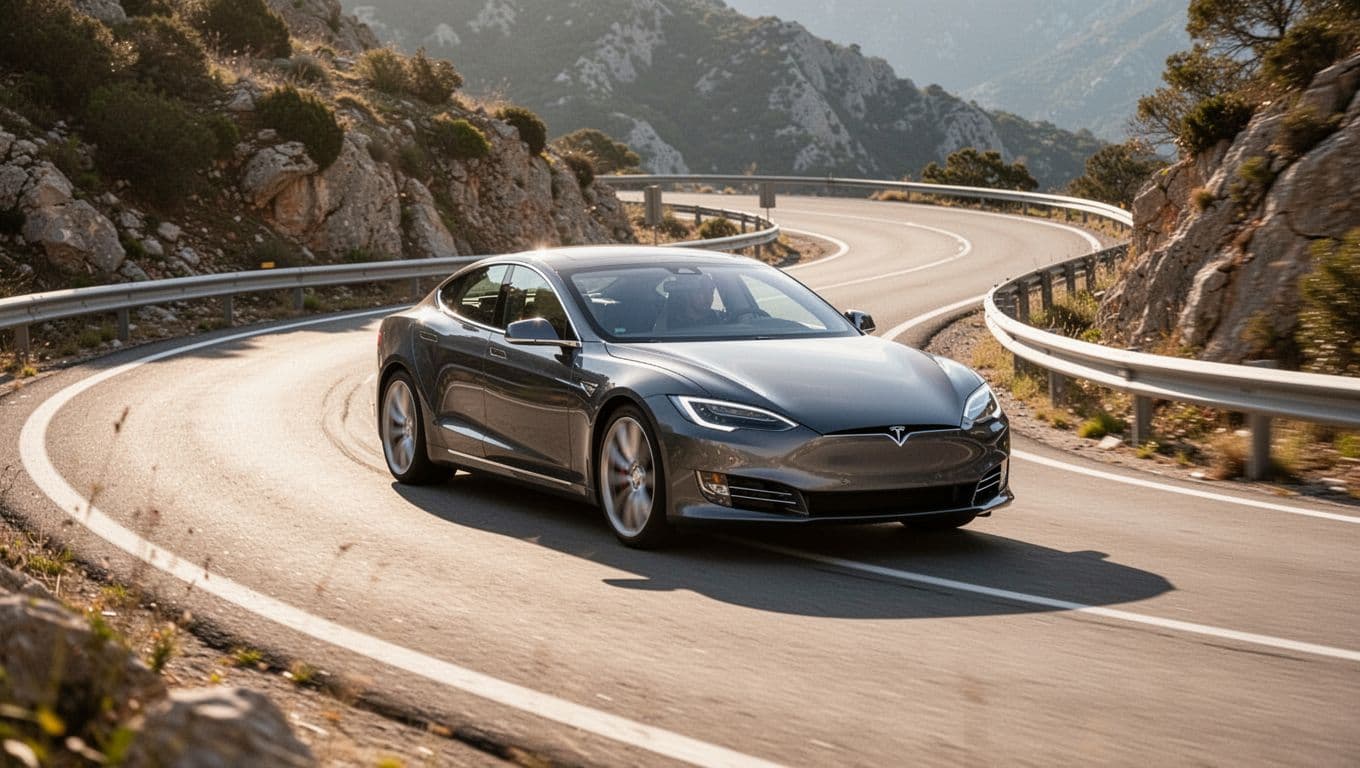
If your favorite part of a commute is the on-ramp, BMW usually makes the strongest case.
Mercedes-Benz focuses more on comfort, quietness, and a rich cabin feel
Mercedes-Benz sells a different kind of luxury. The ride often feels softer, the cabin feels hushed, and the whole experience has more calm built into it.
A C-Class can still be quick, but that’s not the main point. Mercedes tends to make speed feel effortless rather than playful. For many buyers, that’s exactly the point. They want a car that glides instead of pokes.
The brand image helps, too. Mercedes still carries a strong prestige factor in the US. If you want the classic luxury feel, soft touchpoints, ambient lighting, and a relaxed highway ride, Benz usually lands closest to that target.
Audi blends clean design, easy confidence, and everyday usability
Audi sits in the middle, and that’s not a weak spot. Its cars often feel balanced, tidy, and easy to live with. They don’t shout for attention, yet they still feel premium.
Inside, Audi usually goes for a clean, modern look instead of a flashy one. On the road, the feel is composed rather than playful. That works well for buyers who want refinement without drama.
Quattro all-wheel drive is a major reason people choose Audi, especially in places with snow, rain, or cold winters. If weather matters, Audi’s calm, planted feel can be a bigger selling point than raw excitement.
How BMW, Benz, and Audi compare on price, features, and value
Luxury buyers often fixate on MSRP. That’s understandable, but the window sticker is only the opening bid.
A better question is this: what are you getting once the car has the options you actually want?
Base prices can look close, but options often change the real cost
In the compact luxury sedan class, pricing starts in the same neighborhood, then splits fast. Current 2026 pricing shows the BMW 330i at about $49,350 in the US. Mercedes-Benz C-Class and Audi A4 numbers vary more by trim availability and market timing, so side-by-side builds matter more than headline prices.
That matters because German brands love options. Add upgraded wheels, a stronger engine, driver-assist tech, premium audio, nicer leather, or all-wheel drive, and the final number climbs quickly.
A base car can look competitive on paper, then land thousands higher once equipped the way most people shop. That’s why trim comparisons from sources like Driving’s 3 Series vs C-Class review are more useful than staring at base MSRP alone.
Tech and cabin quality are strong across all three, but they feel different
BMW usually arranges its cabin around the driver. Controls tend to feel purposeful, and the layout often supports that sporty image. Mercedes leans harder into visual luxury, with larger screens, richer lighting, and a more dressed-up mood.
Audi goes the other way. Its interiors often look neat, sharp, and restrained. For some buyers, that feels timeless. For others, it feels a bit cooler and less special at first glance.
So which interior is best? Taste decides more than specs do. A broader compact luxury sedan comparison from How-To Geek makes the same point in a different way: these cars overlap on features, but not on vibe. In real life, that vibe can matter more than one extra screen or speaker count.
Reliability, maintenance, and ownership costs matter more than most buyers expect
This is the part many shoppers underestimate. These brands can be excellent to drive, but they still cost more to maintain than mainstream cars.
That gap gets wider once the warranty ends.
Recent dependability data gives BMW a slight edge, but no brand is cheap to own
Public summaries of the 2026 J.D. Power Vehicle Dependability Study show a rough trend: premium vehicles had more issues than mass-market vehicles, and tech-heavy areas such as screens, controls, and infotainment caused a lot of complaints. The study average rose to 204 problems per 100 vehicles, which means the industry moved the wrong way.
Within this group, BMW has shown somewhat stronger recent dependability signals than many luxury rivals. Still, public search results do not fully list model-by-model scores for the 3 Series, C-Class, and A4 here, so there isn’t a clean single-chart winner from that study alone.
That said, the larger lesson is clear. Even the best German luxury sedan usually asks for more patience than a Toyota or Lexus.
Long-term costs depend on service history, warranty coverage, and how you buy
Ownership cost can swing a lot based on whether you buy new, certified pre-owned, or older used. A new car gives you warranty coverage and fewer surprises. A certified pre-owned car can be a smart middle ground if the inspection and warranty are strong.
Once you move into out-of-warranty territory, bills can rise fast. Tires wear quickly on performance-focused trims. Brakes aren’t cheap. Electronics and sensors can turn a small issue into a four-figure repair.
Recent US estimates from CarEdge put 10-year maintenance costs at about $16,021 for BMW, $12,942 for Mercedes-Benz, and $10,211 for Audi across the brands. Those are broad brand estimates, not exact sedan totals, but the message is simple: none of these cars is low-cost to own.
A full service history matters more than the badge. A well-kept 3 Series, C-Class, or A4 is usually a better buy than a neglected one with a pretty interior.
Which brand should you choose, based on what you care about most?
At this point, the choice gets easier. Each brand has a clear sweet spot.
This quick table sets the tone before the final call.
| Brand | Best fit | Main strength | Main tradeoff |
|---|---|---|---|
| BMW | Drivers first | Sharp handling | Higher upkeep risk |
| Mercedes-Benz | Comfort seekers | Plush feel and prestige | Less playful |
| Audi | Balanced buyers | Clean design and traction | Less emotional |
Choose BMW if you want the most fun behind the wheel
BMW is the best fit if you care most about steering feel, balance, and a sporty daily drive. It often feels the most alive at normal speeds, which is harder to fake than horsepower numbers.
If you enjoy driving for its own sake, BMW usually earns the short list first.
Choose Mercedes-Benz if comfort and status are at the top of your list
Mercedes-Benz makes the strongest case when you want the cabin to feel rich and the ride to feel smooth. It also carries the most traditional luxury image of the three.
If your ideal sedan feels like a quiet lounge with speed in reserve, Benz makes sense.
Choose Audi if you want subtle luxury and all-weather confidence
Audi works best for buyers who want premium quality without the flash. The design is clean, the road manners are calm, and Quattro adds real appeal in bad weather.
If you want a smart middle ground, Audi is often the easiest brand to live with day to day.
Choosing between these three brands matters because each one answers luxury in a different voice. BMW usually wins on driving fun, Mercedes-Benz on comfort and prestige, and Audi on balanced design and all-season ease.
There isn’t one right answer for everyone. The smart move is to test drive all three, compare real trims instead of base models, and pay close attention to service history and ownership costs.
The badge gets your attention. The right fit keeps you happy after the novelty wears off.


 admin
admin