 admin
adminMany shoppers are comparing hybrid vs gas car options because they want lower running costs without the learning curve of a full EV. A hybrid is a car that uses a gas engine plus a small electric motor, so it can save fuel, especially in stop-and-go driving. That simple setup is why gas vs hybrid cars has become such a common decision for buyers who want something familiar, but cheaper to own day to day.
Still, hybrid cars vs gas cars isn’t a one-size-fits-all call. A hybrid car vs gas model usually costs more up front, often about $1,300 to $1,700 more, but many drivers make that back through better mpg and lower fuel bills over time. The real choice comes down to the questions you probably care about most: price, fuel savings, maintenance, performance, long-term value, and the pros and cons of hybrid cars vs gas cars. So before you pick a gas car vs hybrid, let’s look at where hybrid vs gas cars save money, where they don’t, and which one makes more sense for the way you drive.
The real difference between a hybrid and a gas car
When people compare hybrid vs gas cars, the biggest difference is simple: a hybrid has two ways to move, while a gas car relies only on its engine. That sounds minor, but it changes how each vehicle uses fuel, behaves in traffic, and saves money over time.
In other words, the hybrid car vs gas debate is really about how power gets delivered. One setup blends electricity and gasoline to cut waste. The other keeps things straightforward, which many drivers still prefer for good reasons.
How a hybrid uses gas and battery power together
A hybrid doesn’t run like a full EV, and it doesn’t act like a regular gas car either. Instead, it switches between a gas engine and an electric motor, or uses both at once. At low speeds, especially in traffic or parking lots, the electric side often helps first. That means the engine doesn’t have to work as hard when you creep forward or pull away from a stop.
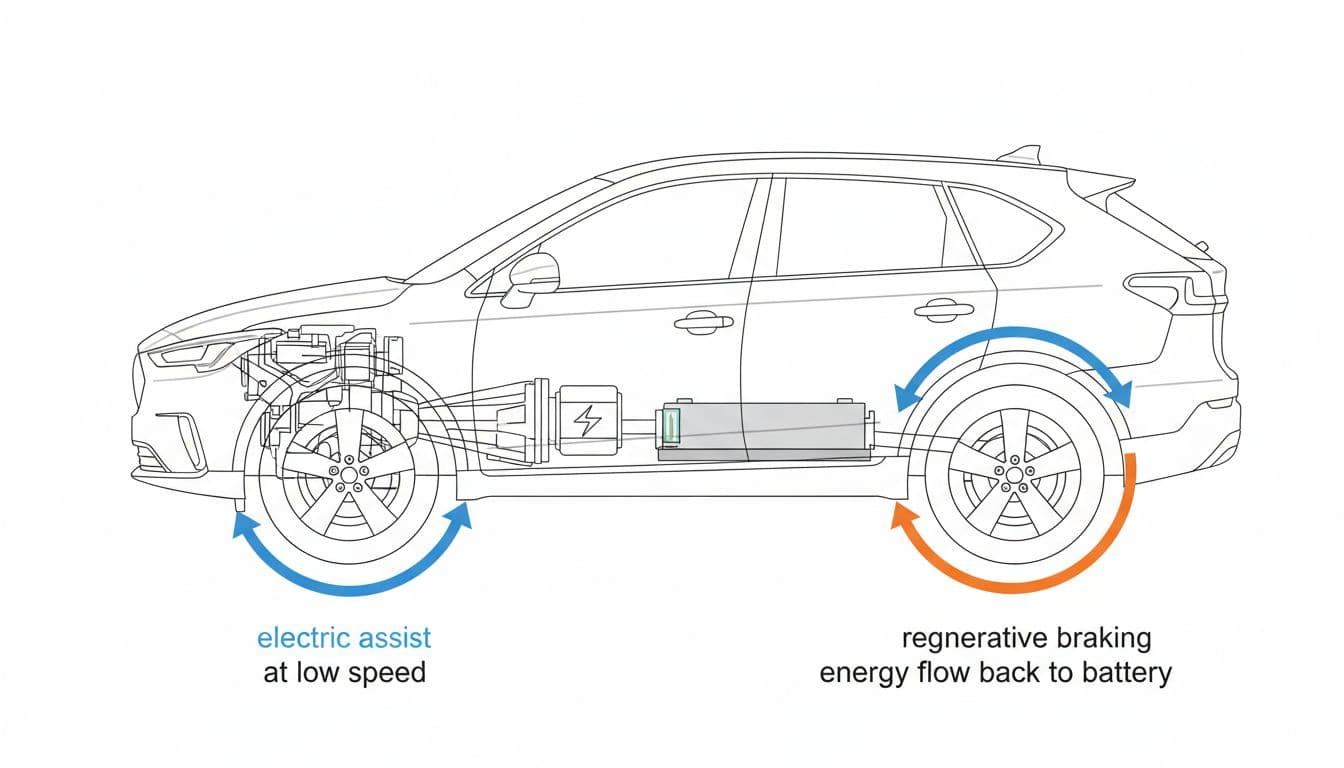
That low-speed assist is a big reason hybrid cars vs gas cars often show a huge gap in city MPG. In stop-and-go driving, a gas engine burns fuel every time you idle, roll, and re-accelerate. A hybrid can lean on its battery for some of that work, so less gas gets burned in the first place. According to the U.S. Department of Energy’s explanation of how hybrids work, electric motor assist and automatic stop-start are key parts of that efficiency.
Then there’s regenerative braking, which is one of the smartest parts of the system. In a gas car, braking mostly turns motion into heat and wastes it. In a hybrid, some of that energy gets captured and sent back to the battery. Think of it like putting a little fuel back in the tank every time you slow down, not a lot, but enough to matter over hundreds of city stops.
Still, the gas engine never disappears from the picture. It usually takes over more during highway driving, stronger acceleration, or when the battery needs support. That’s why a hybrid is not a battery car with a backup engine. It’s a team effort, and the gas engine still does a real share of the work.
Here’s the part that matters most for shoppers comparing gas vs hybrid cars:
- In city traffic, hybrids usually shine because electric assist and regen braking work best there.
- On the highway, the MPG gap often shrinks because the gas engine does more of the job.
- For many drivers, the daily savings come from lots of short stops, red lights, and low-speed miles.
For a plain-English breakdown, Car and Driver’s hybrid guide also shows why this power-sharing setup works so well in normal commuting. So if your week is full of errands, school runs, and traffic jams, the pros and cons of hybrid cars vs gas cars start with this core fact: hybrids waste less energy in the places where gas cars waste the most.
Why gas cars feel more familiar to many drivers
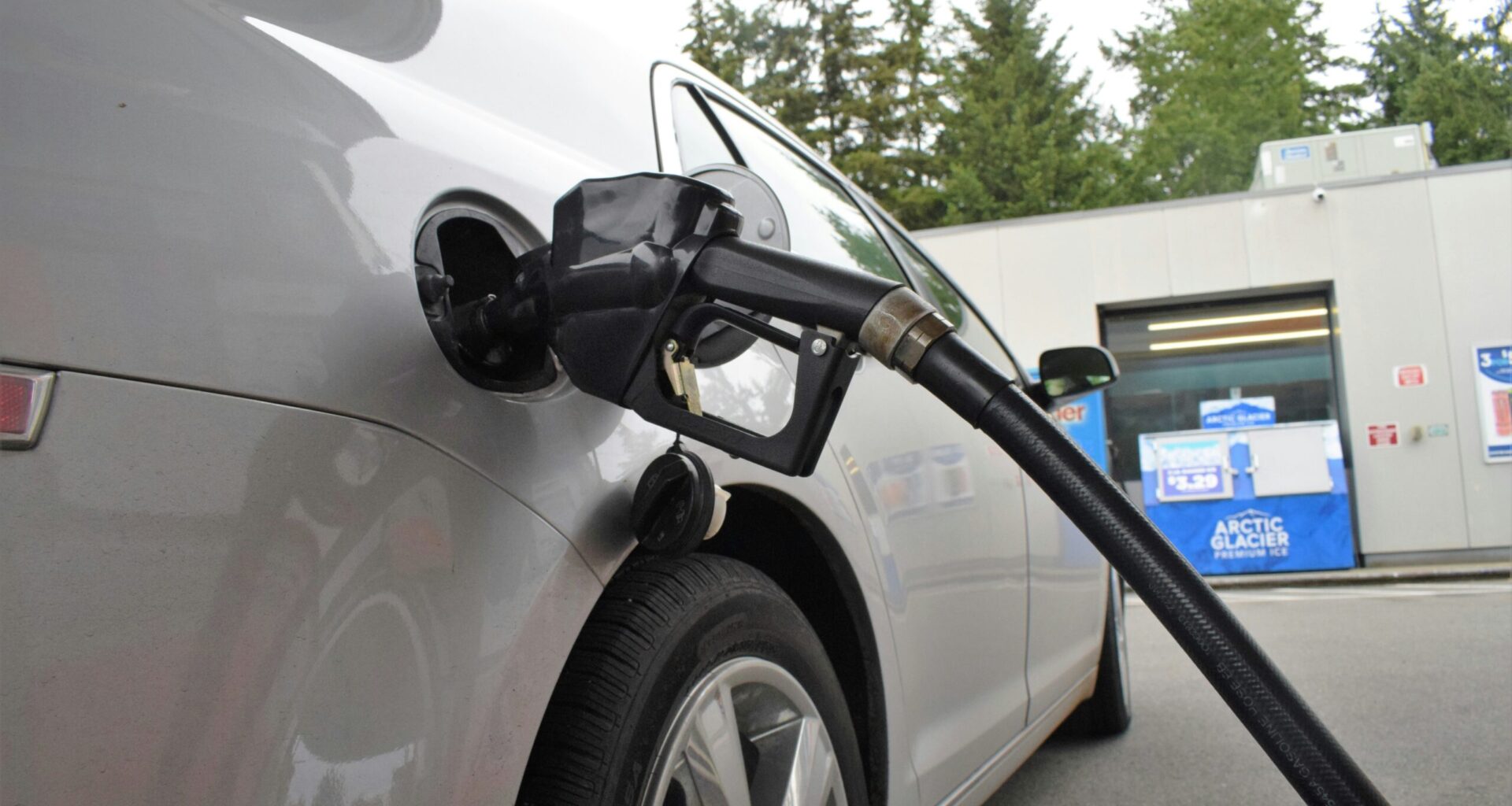
A gas car feels familiar because the routine hasn’t changed in decades. You pull into a station, fill up in a few minutes, and go. There is no battery display to think about, no power blending in the background, and no different brake feel to get used to. For many people, that simplicity still matters.
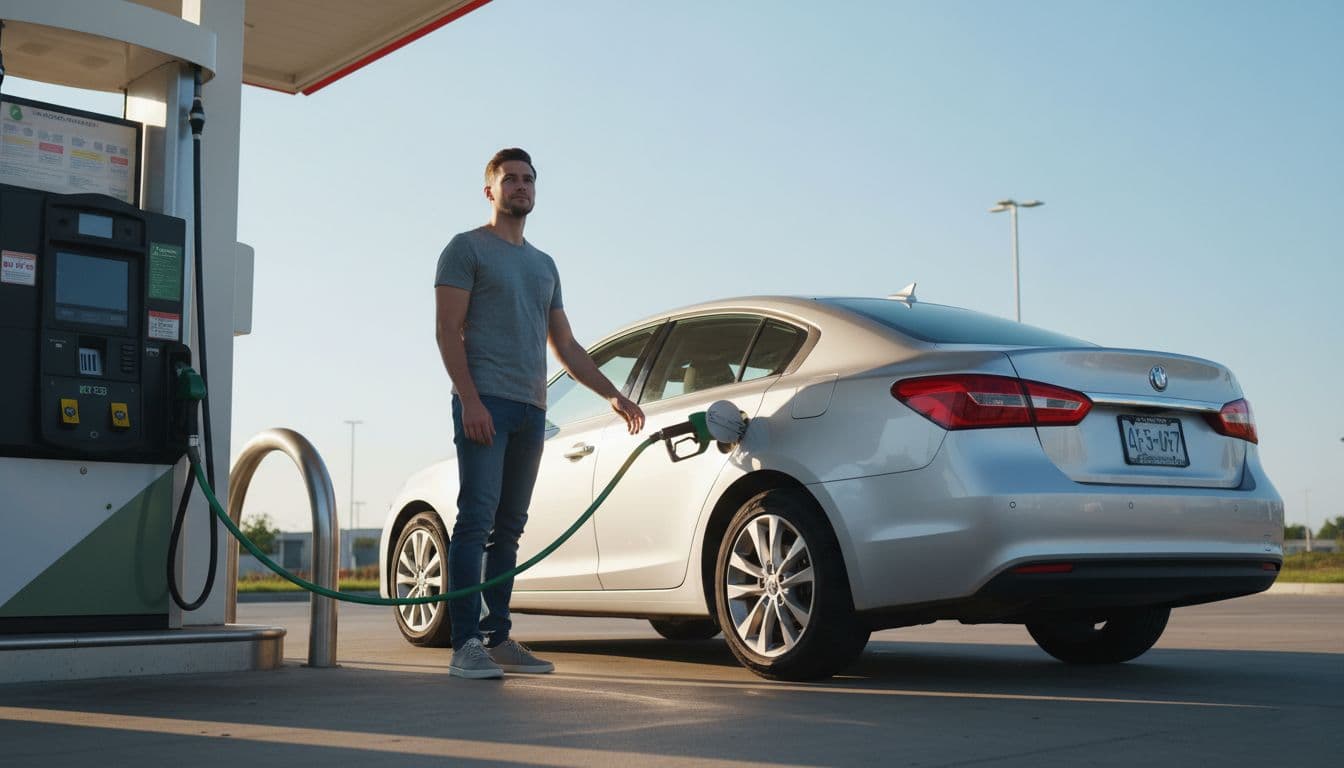
There is also the repair side. Most independent shops know gas vehicles inside and out, and many owners feel more comfortable with that. Oil changes, spark plugs, belts, filters, and common engine repairs are familiar territory. A hybrid isn’t hard to service, but some buyers still like the idea of owning the more traditional machine.
Price is another reason the gas car vs hybrid choice stays close. A gas model often starts lower, sometimes by a modest amount, sometimes by more depending on trim. That smaller upfront bill can be the deciding factor, especially if you drive fewer miles each year. Kelley Blue Book’s look at hybrid vs. gas break-even costs makes the point clearly: better MPG does not always mean better value for every driver.
That doesn’t make gas cars old news. It just means they solve a different problem. They offer:
- A lower entry price in many model lines
- Very familiar fueling and driving habits
- Broad repair knowledge at local shops
- Strong value for drivers who do more highway miles
So when you stack up hybrid vs gas cars, familiarity is not a small thing. It affects confidence, upkeep, and how easy ownership feels day to day. For some households, that ease outweighs fuel savings. For others, the added efficiency of a hybrid is worth the small learning curve.
Upfront price vs long-term savings, where the money really goes
When you compare hybrid vs gas cars, the sticker price grabs your attention first. That’s fair, because the monthly payment starts there. But the real money story doesn’t stop on the window sticker. It keeps going every time you fill up, commute, or keep the car for a few years.
That matters even more in 2026 because new vehicles are still expensive. Recent pricing data puts the average new-car transaction price near $49,000, with many mainstream models still landing well above what buyers expected just a few years ago. In other words, when cars cost this much, operating costs stop feeling like small change.
Why hybrids usually cost more at the dealership
In most model lines, a hybrid costs more up front because you’re paying for extra hardware. That includes the battery pack, electric motor, power electronics, and the software that blends everything together. It’s not magic, it’s just more parts and more engineering.
Still, the price gap isn’t the same across every badge or trim. A 2026 Corolla vs Corolla Hybrid comparison shows a clear gap at the low end, but it stays fairly modest in the context of a new-car purchase. On Toyota’s side, the regular Corolla starts at about $22,925, while the Corolla Hybrid starts higher and can reach up to 50 combined MPG. That’s a premium, but not an outrageous one.
The same pattern shows up with mainstream family cars and SUVs:
- Corolla: usually a smaller jump, which makes the hybrid easier to justify.
- Accord: often a bigger step because the hybrid trims come with more standard equipment.
- Escape: the hybrid price can vary a lot depending on drivetrain and trim.
- Camry: this one is a special case, because Toyota has moved the lineup to hybrid power.
That last point matters. In a hybrid car vs gas matchup, you are not always comparing apples to apples. Sometimes the hybrid version also bundles a better trim, more features, or a stronger powertrain. That’s why the raw price premium can look larger on paper than the real equipment-adjusted gap.
Honda is a good example. According to Honda’s 2026 Accord pricing and EPA ratings, the LX gas model starts much lower than the Sport Hybrid. But the hybrid isn’t just swapping engines. It also sits higher in the lineup. So part of what you’re paying for is efficiency, and part of it is trim level.
For shoppers weighing gas vs hybrid cars, that’s the first money trap to avoid. Don’t just compare the cheapest gas trim to a better-equipped hybrid and call the whole difference a “hybrid tax.” Some of it is real, some of it is extra content.
How much fuel a hybrid can save each year
This is where hybrids start to fight back. A gas Corolla gets about 34 MPG combined, while a Corolla Hybrid lands around 50 MPG combined based on EPA-style figures. That sounds like a small line on a spec sheet. In real spending, though, it adds up.
Here is a simple example using 12,000 miles per year:
| Model | Combined MPG | Gallons per year | Fuel cost at $4.16/gal |
|---|---|---|---|
| Corolla gas | 34 | about 353 | about $1,468 |
| Corolla Hybrid | 50 | 240 | about $998 |
That works out to roughly $470 per year in fuel savings.
And that estimate is not using cheap gas. Based on current US data, regular gas in April 2026 is sitting around $4.13 to $4.25 per gallon, not the lower levels many drivers got used to earlier. In some markets, prices are much worse. California has pushed far above the national average, which means the payback clock moves faster there.
When gas stays above $4, every MPG point matters more.
The same math works for other mainstream models, although the exact gap changes:
- A hybrid saves the most in city-heavy driving.
- A highway-heavy driver still saves fuel, but usually less.
- Higher annual mileage makes the savings show up sooner.
That’s a big part of the pros and cons of hybrid cars vs gas cars. The hybrid asks for more cash on day one, then gives some of it back a little at a time. Think of it like buying a more efficient air conditioner. You don’t feel the savings in the store, you feel them in the bills that follow.
When the higher hybrid price usually pays for itself
Break-even is simple. It’s the point where your fuel savings catch up to the extra money you paid up front. After that, the hybrid starts putting you ahead.
Say a hybrid version costs about $1,500 to $2,000 more than a similar gas model. If it saves you around $400 to $500 a year in fuel, you’re often looking at a payoff in about 3 to 4 years. That’s why so many hybrid cars vs gas cars comparisons come out close at first, then swing toward the hybrid if you keep the vehicle long enough.
For high-mileage drivers, the timeline can shrink fast. If you drive 15,000 to 18,000 miles a year, or if local gas prices stay well above the national average, the numbers improve in your favor. Commuters, rideshare drivers, and families who spend a lot of time in traffic usually see the quickest return.
On the other hand, a low-mileage driver may wait longer. If you only drive 6,000 to 8,000 miles a year, the fuel savings come in slowly. In that case, a gas car vs hybrid choice can tilt back toward the gas model, especially if the hybrid trim also carries more features you didn’t want to pay for in the first place.
So where does the money really go in hybrid vs gas cars? First, it goes to the dealer in the form of a higher purchase price. Then, if you drive enough, some of that money starts coming back from the gas pump. The winner depends less on hype and more on your mileage, your local fuel prices, and how long you plan to keep the car.
Daily driving, reliability, and maintenance, what ownership feels like
The money side matters, but so does the day-to-day experience. When you compare hybrid vs gas cars, ownership often comes down to how the car feels in traffic, how much confidence you have in long-term reliability, and what kind of maintenance shows up over the years. This is where the gap between a hybrid car vs gas model can feel more real than any spreadsheet.
Hybrids shine in traffic and city driving
If most of your miles happen in town, hybrids usually feel like they were built for that routine. They tend to move off the line more quietly, and the electric assist makes low-speed driving feel smoother. In stop-and-go traffic, that calm, easy pull can make a commute feel less busy and less harsh.

That smoothness also helps explain why hybrid cars vs gas cars often show the biggest fuel gap in the city. A hybrid can use battery power to help with takeoffs, crawling traffic, and short bursts between lights. A regular gas car has to burn fuel through all of that. Highway gains can still be solid, but city driving is where a lot of gas vs hybrid cars comparisons swing hardest toward the hybrid.
Are hybrids reliable, and what about the battery?
Battery fear still scares off some shoppers, but the picture is better than many people think. Modern hybrid batteries often last 10 years or more, and warranty coverage is usually strong, often in the 8 to 10 year, 100,000 to 150,000 mile range depending on the model and emissions rules. In normal ownership, replacement is uncommon. If it does happen outside warranty, though, it can be expensive, with replacement cost estimates varying widely by model.
The bigger surprise is reliability. Recent Consumer Reports survey results found regular hybrids had fewer problems overall than gas-only cars, by about 15 percent in the latest data. So when people weigh the pros and cons of hybrid cars vs gas cars, the battery is real to think about, but it should not be treated like a ticking time bomb.
For many owners, a regular hybrid is less risky than its reputation suggests.
Maintenance differences most buyers should know
Routine care on a hybrid is not wildly different from a gas car. You still have oil changes, tires, filters, coolant, and normal wear items. The difference is that some parts may get an easier life. Because regenerative braking helps slow the car, brake pads and rotors can last longer than they do on many gas models.
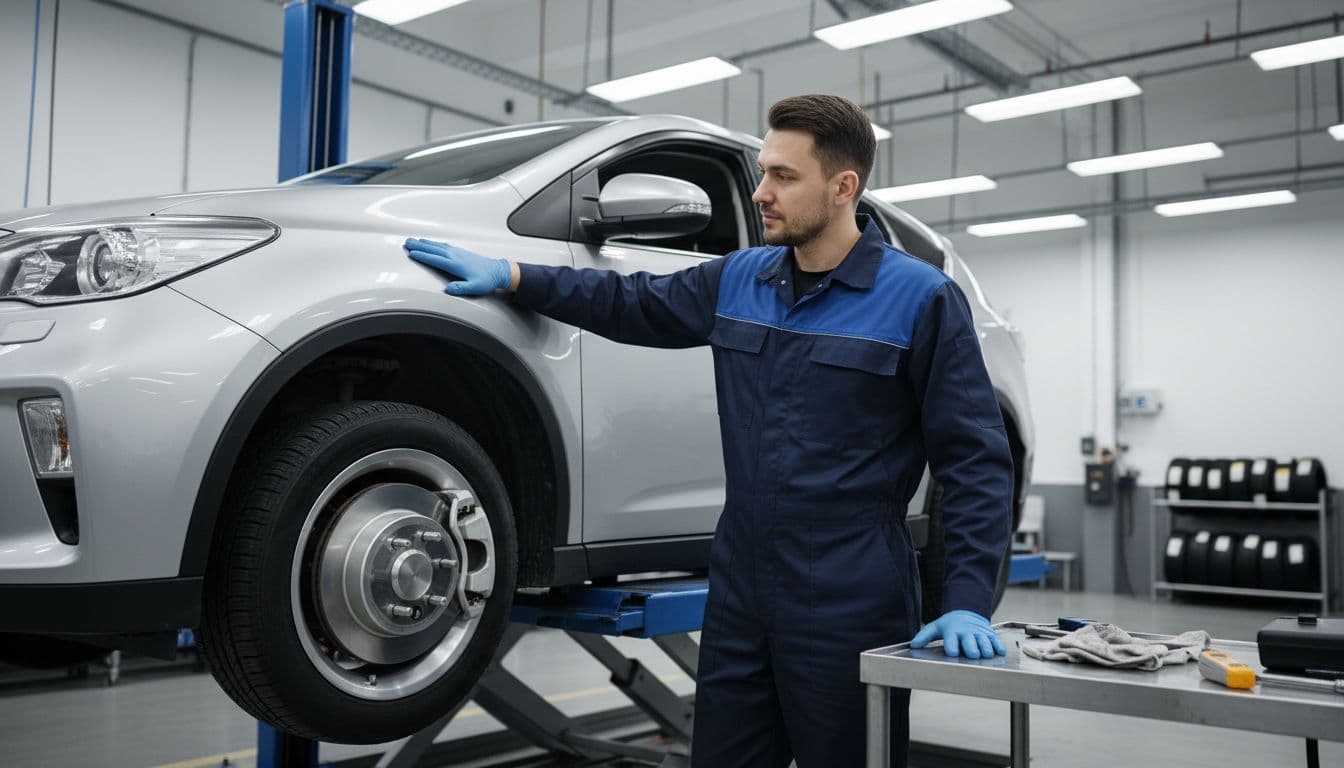
A gas car vs hybrid choice can still favor gas if you value mechanical simplicity and broad shop familiarity. That’s fair. Yet simple does not always mean cheaper over time. If a hybrid saves fuel, wears brakes more slowly, and avoids major issues, ownership can be easier than many buyers expect. In other words, with hybrid vs gas cars, the smarter long-term pick is often the one that matches your driving pattern, not the one that looks simpler on paper.
Performance, range, and practicality for real life
Cost matters, but so does how a car fits your day. In the real hybrid vs gas cars debate, buyers usually want three things at once: easy power, solid range, and no hassle. The good news is that both setups can work well, though hybrids often surprise people once they live with one.
Are hybrids slower than gas cars? Not always
That old idea doesn’t hold up as well anymore. Many people still picture a hybrid as the slow, boring option, but electric motor torque changes the feel right away. Because electric motors deliver power instantly, a hybrid can feel more eager leaving a stoplight, even if the spec sheet looks modest.
That’s one reason some hybrid cars vs gas cars comparisons feel different on the road than they do on paper. In normal driving, that quick shove off the line matters more than a loud engine or a sporty badge. It makes traffic gaps easier, merges smoother, and city driving less tiring.
The Camry is a good example of how far this has come. The current 2026 Camry is hybrid-only, and road tests put it at roughly 6.8 to 7.7 seconds to 60 mph, depending on trim and drivetrain, which is plenty quick for a family sedan. Reviews from Car and Driver’s Camry test and Consumer Reports’ road test show the same basic point: modern hybrids don’t feel like a sacrifice.
In daily driving, a hybrid can feel quicker than you expect because the electric motor fills in the low-speed punch.
Of course, not every hybrid car vs gas matchup goes to the hybrid. Some gas models are still faster, especially when they have more horsepower or a sport-tuned setup. Still, the broad takeaway is clear. If you’re weighing gas vs hybrid cars in 2026, don’t assume the hybrid is the slow one. In many mainstream models, it’s at least competitive, and sometimes it feels better in the kind of driving you do most.
Why both options still work well for long trips
For road trips, both choices make sense, just for slightly different reasons. A gas car is still the easy, familiar pick. You fill up almost anywhere, get back on the road fast, and never think about charging. That’s a big reason the gas car vs hybrid decision stays close for people who drive long highway miles.
At the same time, standard hybrids are just as simple at the pump. They are not plug-in EVs, so there are no charging stops to plan. You fuel them like any gas car, then let the system handle the rest. That makes them one of the most practical answers in the pros and cons of hybrid cars vs gas cars conversation.
Where hybrids pull ahead is range. Many modern hybrid sedans can go about 500 to 600 miles on a tank, and some do even better. That means fewer fuel stops, less money spent along the way, and a little more breathing room between exits. On a long drive, that can feel like getting an extra hour of freedom before your next stop.
Here’s the simple trade-off:
- Gas cars still win on total familiarity.
- Hybrids match that convenience while cutting fuel use.
- For frequent travelers, fewer fill-ups can make a real difference.
So when people compare hybrid vs gas cars for real life, long-trip use is no longer a weak spot for hybrids. A gas car still works well, no question. But a regular hybrid often gives you the same road-trip ease with better fuel economy, which is why more shoppers now see hybrid cars vs gas cars as a practical choice, not a compromise.
Who should buy a hybrid, and who is better off with a gas car
At this point, the hybrid vs gas cars choice usually comes down to your driving pattern, not hype. The right answer depends on how often you drive, where those miles happen, and how long you plan to keep the car. In other words, the best pick for a daily commuter may be the wrong one for a low-mileage owner.
A hybrid is usually the better pick if you drive a lot
If you rack up miles every week, a hybrid often makes the most sense. That’s especially true for commuters, families doing constant school and errand runs, ride-share drivers, and anyone who spends a lot of time in city traffic. Stop-and-go driving is where hybrid cars vs gas cars usually show the biggest gap in real savings.
Fuel costs are the clearest reason. When gas is still hovering above $4 a gallon in many places, including a national average around the low-to-mid $4 range in April 2026, every extra mpg matters. That’s why shoppers comparing a hybrid car vs gas model often see the math tilt toward the hybrid faster than expected, especially if they drive 12,000 miles a year or more. For a quick cost breakdown, Kelley Blue Book’s hybrid vs. gas guide is useful.
A hybrid can also make daily life feel easier. You still fuel up like a normal car, but you often get strong real-world range, smoother low-speed driving, and fewer stops at the pump. For families, that matters. For ride-share drivers, it matters even more. Less fuel burned per shift means more money stays in your pocket.
Then there’s resale. In many cases, hybrids hold value better than comparable gas models, which helps offset the higher sticker price later on. Recent market data points to hybrids keeping a few percentage points more value after five years than gas-only versions in similar segments. That doesn’t guarantee profit, of course, but it does help the ownership math. A broader look at 2026 residual value trends backs up the idea that efficient vehicles with steady demand tend to age well in the used market.
Lower emissions are part of the appeal too. A regular hybrid won’t turn you into an EV owner, but it does burn less fuel in many real-world situations. So if you want something cleaner without changing your fueling routine, a hybrid is often the middle path that fits.
If you drive a lot, a hybrid usually works like a small discount on every mile.
A gas car can still be the smarter choice in some cases
A gas car still makes plenty of sense for some buyers. If your main goal is the lowest upfront price, the gas car vs hybrid decision can swing toward gas very quickly. That’s because the savings from a hybrid only show up over time, and time matters less if you don’t drive much.
Low-mileage drivers are a good example. If you only put 6,000 to 8,000 miles on a car each year, fuel savings may build too slowly to justify the extra purchase price. The same goes for shoppers who mostly drive easy highway miles. Hybrids still save fuel there, but the gap is often smaller than it is in the city.
Trim pricing matters too. Sometimes people compare a discounted gas model to a pricier hybrid trim and assume the hybrid is a bad deal. In reality, they may be comparing two different equipment levels. Still, if that hybrid version bundles features you don’t care about, the gas model may be the smarter buy for your budget.
Used cars can tilt the choice even more. In the used market, a gas vehicle often gives you a lower entry point, more choices, and simpler financing math. If the budget is tight today, that can matter more than long-term savings tomorrow. There are even some older non-hybrids with surprisingly good mpg, as shown in this roundup of cheap gas cars with strong fuel economy.
So in the gas vs hybrid cars debate, gas still wins when:
- You need the lowest purchase price now
- You drive very little each year
- You’re comparing a cheap gas trim to an expensive hybrid package
- A used gas car opens the door to ownership sooner
That doesn’t make gas the better car overall. It just means it’s sometimes the better fit.
A quick checklist to decide between hybrid vs gas cars
If you’re stuck between gas vs hybrid cars, use a simple filter before you shop. Think of it like a five-point gut check.
- How many miles do you drive each year?
Higher mileage usually favors a hybrid because fuel savings show up faster. - Are your miles mostly city or highway?
City driving tends to favor hybrids, while mostly highway use narrows the gap. - What are gas prices like where you live?
The higher your local fuel cost, the more attractive a hybrid becomes. - How long will you keep the car?
If you plan to keep it for years, the hybrid premium is easier to earn back. - What matters more, monthly payment or lifetime cost?
A gas car may look better on the monthly budget, while a hybrid may win over the full ownership period.
That checklist won’t answer every case, but it gets you close. The real pros and cons of hybrid cars vs gas cars are rarely abstract. They show up in your commute, your fuel receipts, and how long you hold onto the keys.
Conclusion
For most buyers weighing hybrid vs gas cars in 2026, the strongest takeaway is simple: hybrids usually offer the better long-term deal. They use less fuel, produce fewer emissions, and often return more value over time, especially if you drive often or spend a lot of time in traffic. That’s why, in many everyday cases, hybrid cars vs gas cars is no longer a very close contest.
Still, the pros and cons of hybrid cars vs gas cars come down to your budget and your routine. A gas car vs hybrid choice can still favor gas if you want the lowest upfront price, drive fewer miles, or just prefer the most familiar setup. But if your goal is lower running costs, the typical hybrid car vs gas comparison points toward the hybrid.
So when you compare gas vs hybrid cars, focus less on hype and more on how you actually drive. For commuters and other high-mileage drivers, hybrid vs gas cars usually ends with one clear winner: efficiency. For everyone else, the right answer still depends on what matters more, saving money now or saving more over time.

 admin
admin