 admin
adminPicking between these two can feel like choosing between a tailored blazer and running shoes. Both look premium. Both come from strong German brands. Yet they serve different drivers. If you’re stuck on the bmw x3 vs audi q5 question, the details matter more than the badge.
This audi q5 vs bmw x3 comparison uses 2026 Audi Q5 data and the newest widely available data for the redesigned 2025 BMW X3, as of April 2026. The goal is simple: answer the buying questions that matter most, including price, performance, comfort, cargo room, tech, and overall value. Let’s start with the numbers shoppers check first.
Quick look at the Audi Q5 and BMW X3 on paper
On paper, these SUVs are close enough to make the choice tricky. Still, a few numbers jump out right away.
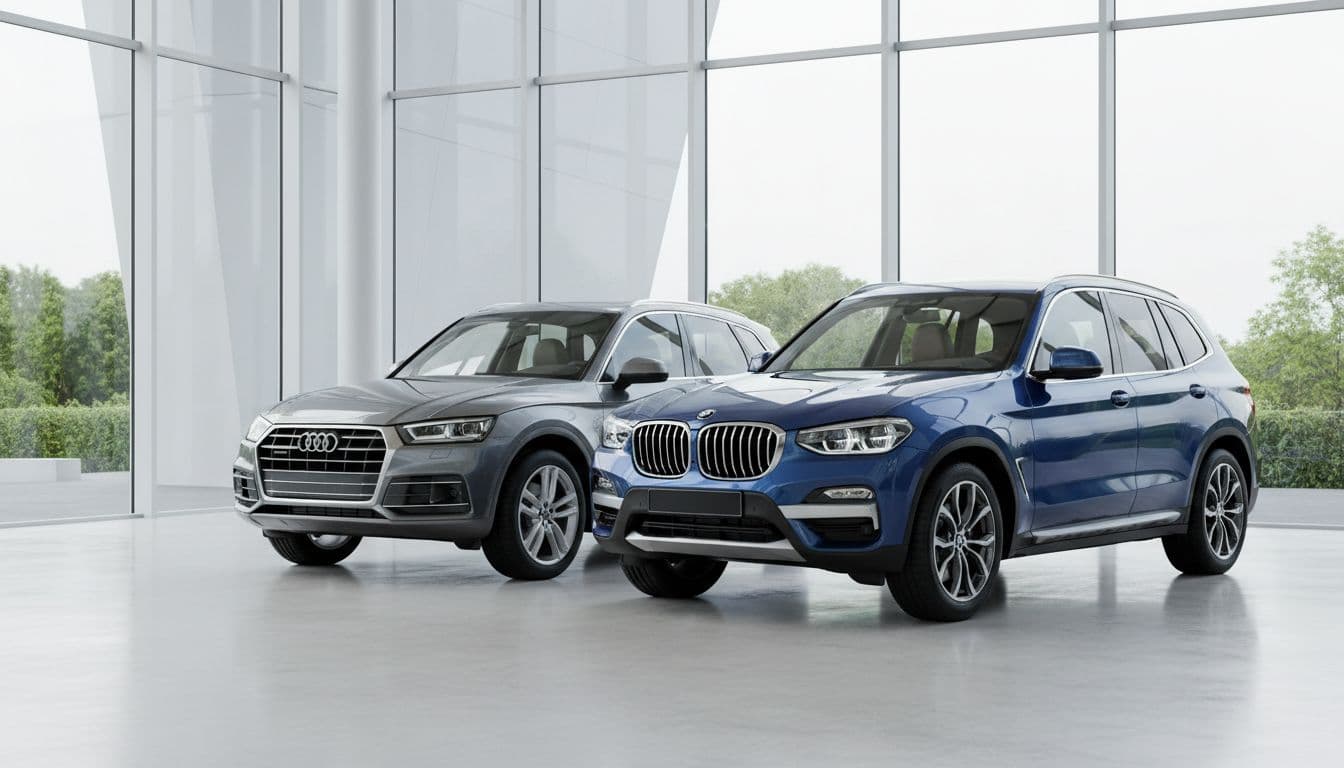
Here’s the fast snapshot most buyers want before anything else:
| Model | Starting price | Engine | Output | 0 to 60 mph | MPG city/hwy | Drivetrain | Max cargo |
|---|---|---|---|---|---|---|---|
| 2026 Audi Q5 Premium | $52,800 to $54,095 | Turbo 2.0L four-cylinder | 268 hp / 295 lb-ft | 5.8 sec | 22 / 30 | quattro AWD | 56.9 cu ft |
| 2025 BMW X3 30 xDrive | $51,125 | Turbo 2.0L four-cylinder | 255 hp / 295 lb-ft | 6.0 sec | 27 / 33 | xDrive AWD | 67.1 cu ft |
| 2025 BMW X3 M50 xDrive | $65,875 | Turbo 3.0L inline-six | 393 hp / 428 lb-ft | about 4.1 sec | 21 / 26 | xDrive AWD | 67.1 cu ft |
The quick takeaway is clear. The Q5 starts with a bit more punch, while the base X3 gives you better fuel economy and more usable cargo space. Then there’s the X3 M50, which plays in a much faster league.
Price, trims, and what you get for the money
Audi made the 2026 Q5 lineup easier to understand. The lower-output engine is gone, so every Q5 starts with the stronger 268 hp setup. That matters because you don’t need to climb the trim ladder just to get the engine most buyers wanted anyway.
BMW takes a wider approach. The X3 30 xDrive starts a little lower, which helps if your budget is tight. But BMW also gives you a much bigger jump to the M50 xDrive, and that version can tempt anyone who likes speed. It feels a bit like walking into a steakhouse for a simple dinner, then spotting the dry-aged special.
At the entry point, the X3 looks strong on value because of its lower starting price, better MPG, and bigger cargo hold. Still, the Q5 makes a solid case because its base powertrain already feels like the upgrade. For a broader side-by-side spec view, Car and Driver’s comparison tool is a useful second check.
The key numbers most buyers care about
Most people don’t need a full spec sheet. They want the answer behind the numbers. Here it is: the Q5 is slightly quicker than the base X3 30 xDrive. In normal driving, that means stronger passing feel and less effort getting up to speed.
On the other hand, the X3 fights back where daily life happens more often. It goes farther on a tank, and it carries more stuff. If you haul strollers, sports bags, or airport luggage often, that matters more than a few tenths in a sprint.
The M50 changes the story again. It’s not the “maybe” option. It’s the performance option, and it costs like one.
How they feel on the road, from daily commute to back road fun
Specs can tell you what a car does. They can’t fully tell you how it feels at 7:30 a.m. in traffic or on a clean two-lane road after work. That’s where these SUVs separate.
The Audi leans toward calm confidence. The BMW leans toward involvement. Neither approach is wrong, but one will match your habits better.
Audi Q5 strengths: smooth power and easy confidence
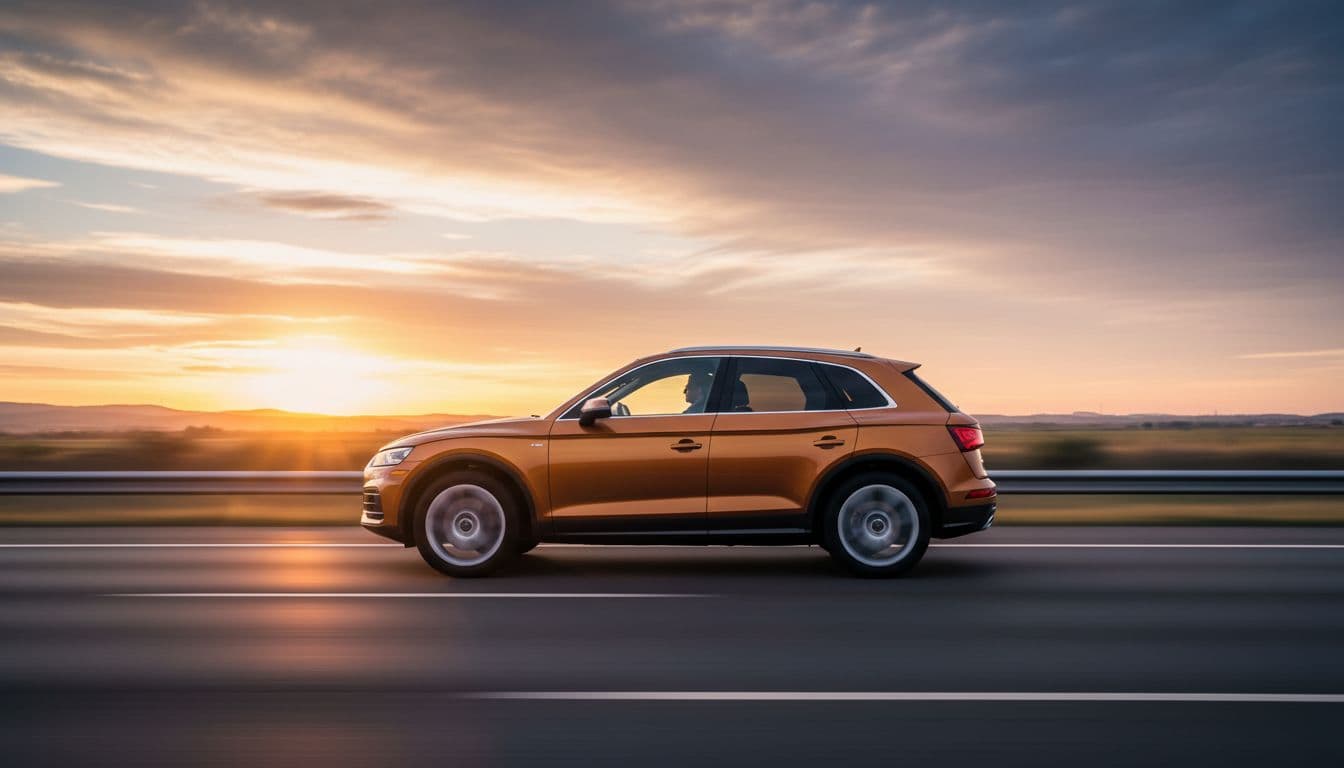
The Q5’s 268 hp turbo four feels strong enough from the start. Its 5.8-second run to 60 mph backs that up, and the standard quattro AWD system adds a planted feel in rain, snow, and rough weather. As a result, the Q5 often feels relaxed even when conditions aren’t.
Around town, the Audi stays composed. On the highway, it settles into an easy rhythm. The steering doesn’t beg you to attack corners, but that’s part of the appeal. The cabin also stays quiet, which gives the Q5 a more expensive feel in everyday use. Families and long-distance commuters will likely notice that first.
That calm nature is why the Q5 often feels more polished than flashy. It doesn’t try to turn every drive into an event. It tries to make every drive easier.
BMW X3 strengths: better handling and stronger performance options
The X3 speaks more directly to the driver. Steering feels quicker, body motions stay tighter, and the whole SUV feels more eager when the road bends. That sharper attitude shows up even in the base 30 xDrive, which mixes solid speed with better fuel economy.
If you want something stronger, the M50 xDrive is the obvious answer. With 393 hp, it moves from “quick luxury SUV” to “this is getting serious.” That’s the trim for drivers who want punch every time they touch the throttle.
The tradeoff is ride firmness. A sportier setup can feel busier, especially on broken pavement, and the M50 leans further in that direction. Reviews like Automobile’s X3 first test review reflect that same theme: the X3 remains one of the more engaging choices in this class.
Inside the cabin, which SUV feels better to live with every day?
This is where a lot of buyers make up their minds. A car can be quick, but if the seat bugs you or the screen annoys you, the shine fades fast.
The two cabins also set different moods. BMW goes newer and bolder. Audi feels cleaner and more relaxed.
Tech, screens, and ease of use
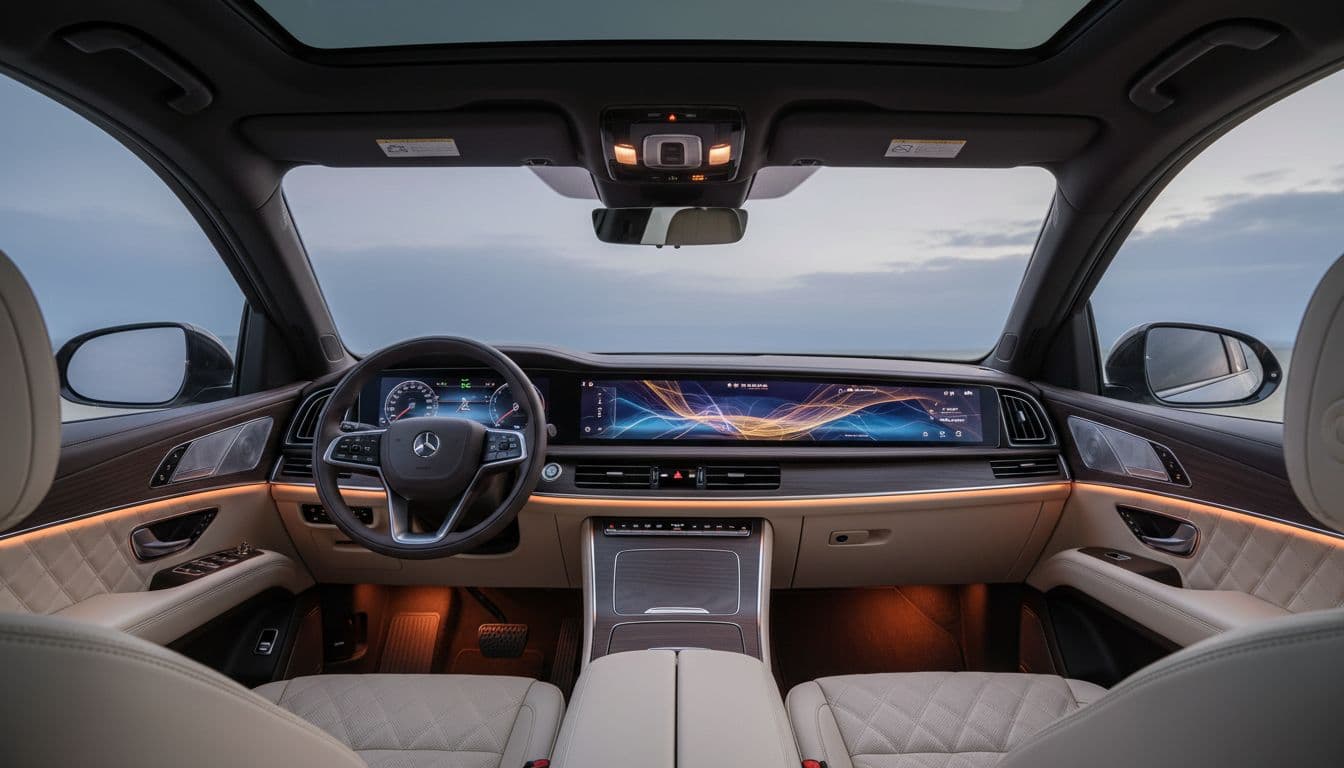
BMW has the more modern-looking setup. The curved display grabs your attention right away, and iDrive 9 gives the cabin a fresh, high-tech feel. Wireless Apple CarPlay and Android Auto are part of the package, and standard features include adaptive cruise control, lane-keeping help, parking sensors, and wireless charging. If you like your SUV to feel current the second you sit down, the X3 makes a strong first impression.
Audi takes a different route. The Q5 feels calmer and less showy. That can be a plus if you don’t want every function buried in a screen-heavy layout. Higher trims also offer nice comfort upgrades, including multi-zone climate control, premium audio, a surround-view camera, and remote start. So while BMW often feels more modern, Audi can feel easier to settle into.
In plain terms, BMW wins the “wow, this feels new” test. Audi often wins the “I could live with this every day” test.
Passenger space and cargo room
For cargo, the BMW has the paper advantage. The X3 offers 31.5 cubic feet behind the rear seats and 67.1 cubic feet max. The Audi Q5 reaches 56.9 cubic feet max, which is still useful, but not class-leading.
That gap matters if your SUV plays family duty every day. Groceries, travel bags, a folded stroller, and weekend gear all add up quickly. The X3 gives you more margin before you start stacking things like a puzzle. If you want the exact layout details, U.S. News’ X3 interior and cargo breakdown is a handy reference.
Audi still has a strong case on cabin feel. The materials and quietness help it feel upscale in a subtle way. So the choice here is simple: BMW gives you more room; Audi gives you a more serene atmosphere.
Which one should you buy, the Audi Q5 or the BMW X3?
This comes down to your daily routine more than your weekend fantasy. Think about how you actually drive, not how you imagine you’ll drive once a month.
Pick the one that fits your normal day, because that’s the drive you’ll remember most.
Choose the Audi Q5 if you want a quiet, upscale daily driver
The Q5 fits shoppers who care most about comfort, refinement, and an easy sense of quality. Its standard 268 hp engine is strong enough that the base version doesn’t feel like a compromise. That’s a big win for 2026, because Audi no longer asks entry buyers to settle for a weaker setup.
You should also lean Q5 if weather confidence matters. Standard quattro AWD, smooth highway manners, and a calmer ride make it a natural pick for commuters, small families, and anyone who wants luxury without a sporty edge in every mile.
Choose the BMW X3 if you want more cargo room or a sportier drive
The X3 is the better fit if utility and driver engagement sit at the top of your list. The base 30 xDrive is more efficient, the cargo area is larger, and the tech feels newer. On top of that, BMW still builds one of the more fun-to-drive SUVs in this class.
If you want real speed, the M50 xDrive is the enthusiast’s choice. It also asks for a much bigger check, and you’ll feel more of the road. For another shopper-focused take, Driving’s side-by-side comparison reaches a similar conclusion: these are both strong picks, but they shine for different reasons.
Neither one is a bad choice. The better one is the one that matches your habits.
The Q5 leans toward comfort, quiet luxury, and a more polished everyday feel. The X3 leans toward cargo space, efficiency, fresher tech, and more fun behind the wheel. If most of your driving is calm, crowded, and routine, the Audi makes a lot of sense. If you want a compact luxury SUV that carries more and feels more alive, the BMW should make your shortlist first.


 admin
admin