 admin
adminIf you’re shopping for a compact SUV, you’ve probably landed on the same shortlist as everyone else: Nissan Rogue, Honda CR-V, and Toyota RAV4. That makes sense, because this class is where family duty, fuel bills, and monthly payments all collide.
This nissan rogue review looks at the 2026 model the way most people will use it, on commutes, school runs, Costco trips, and weekend drives. The Rogue has a lot going for it, especially comfort, mileage, and value, but it also has a few weak spots that matter if you spend lots of time on the highway.
What the 2026 Nissan Rogue gets right on the road
The 2026 Nissan Rogue is easy to like from the driver’s seat. It uses a 1.5-liter turbo three-cylinder engine that makes 201 horsepower and 225 lb-ft of torque, paired with a CVT. On paper, that setup may not sound exciting. In daily driving, though, it works well.
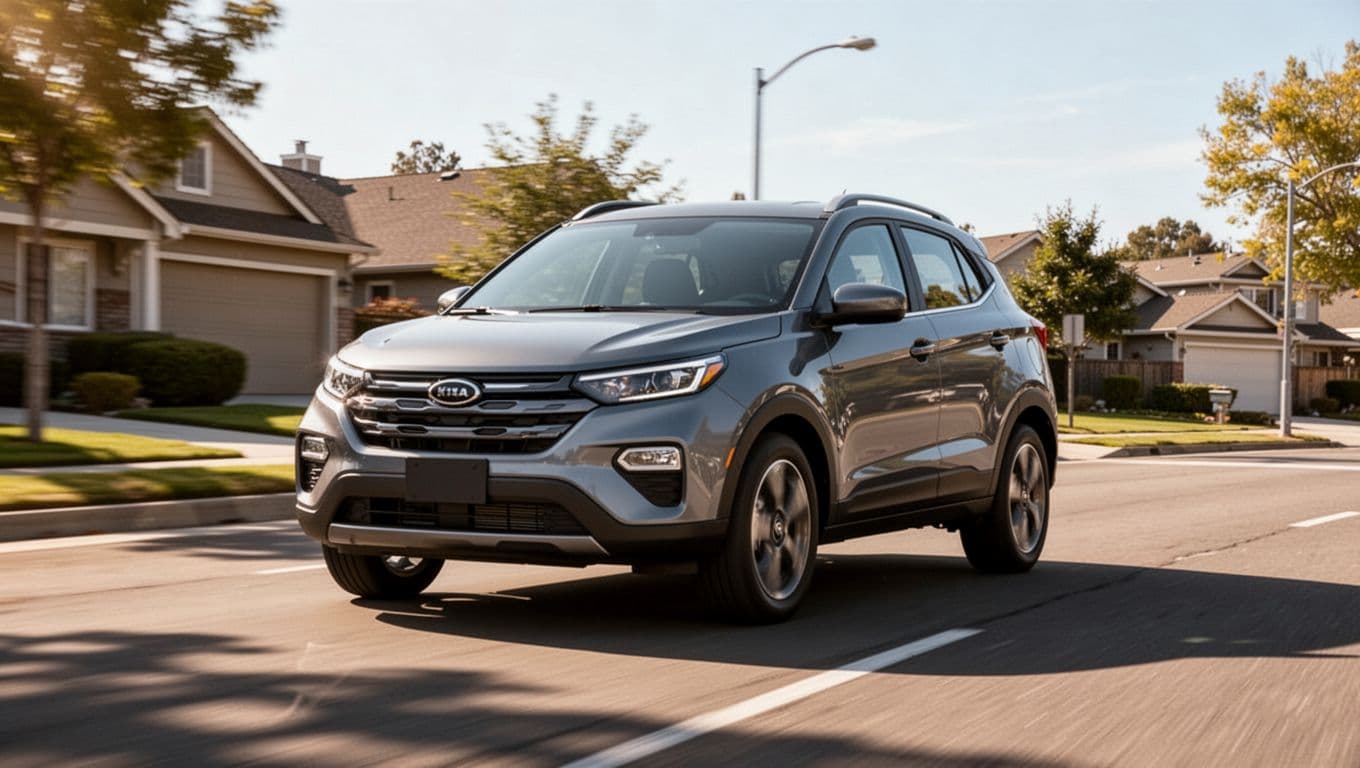
Around town, the Rogue feels smooth, light, and calm. The steering is easy, visibility is good, and the cabin stays quieter than many shoppers expect. It doesn’t jump off the line like a sport SUV, but it rarely feels clumsy.
If you want a deeper spec-by-spec comparison, Car and Driver’s 2026 Rogue review and specs give helpful context. Still, the quick takeaway is simple: the Rogue feels tuned for normal life, not bragging rights.
For commuting and family use, the Rogue’s calm road manners matter more than its 0 to 60 time.
Fuel economy is one of the Rogue’s biggest strengths
Fuel costs can shape your whole ownership experience, and this is where the Rogue makes a strong case. Front-wheel-drive models are rated at up to 29 mpg city and 36 mpg highway, which is excellent for a gas-only compact SUV. All-wheel-drive versions give up a little efficiency, but they’re still competitive.
The Rock Creek trim drops to around 27 mpg city and 32 mpg highway because of its tires and more rugged setup. That’s the price of the outdoorsy look. For most buyers, the standard trims make more sense if low running costs matter.
That mileage pays off in real life. Fewer gas stops help commuters, and families notice the savings over a full year. In a class where every dollar counts, the Rogue’s thrift is one of its best arguments.
Comfort and cabin quietness make daily trips easier
Some SUVs impress you in the first five minutes. The Rogue wins you over after a week. Its seats are supportive, the ride stays composed over rough pavement, and road noise stays low on the freeway.
That matters more than flashy stats. A quiet cabin makes phone calls easier, keeps kids calmer, and lowers fatigue on longer drives. Even short errands feel less wearing when the suspension isn’t constantly bouncing you around.
The Rogue also feels a bit more polished than some rivals in this price range. It’s not luxury-car plush, but it doesn’t feel cheap or harsh either. That’s a sweet spot many shoppers want.
Inside the Nissan Rogue, space, tech, and trims explained
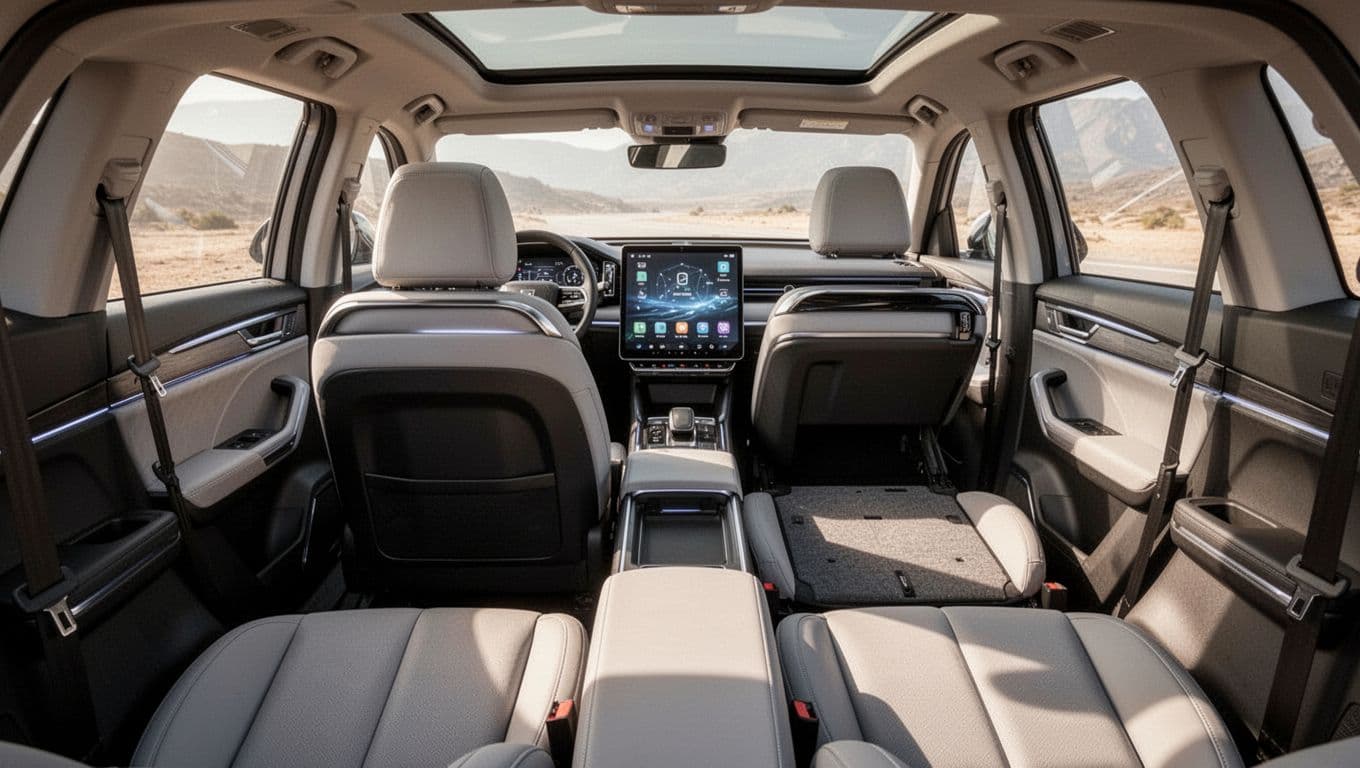
Inside, the Rogue keeps things practical. It seats five, and there’s 31.6 cubic feet of cargo space behind the second row. That gives you enough room for groceries, strollers, sports bags, or a weekend’s worth of luggage without playing trunk Tetris.
The layout is simple, which helps on busy days. Depending on trim, you get an 8-inch touchscreen or an available 12.3-inch unit. Wireless Apple CarPlay and Android Auto are available, and upper trims can add Google built-in, wireless charging, a Wi-Fi hotspot, and Bose audio.
That mix of room and easy tech is part of why the Rogue stays competitive. If you’re cross-shopping the segment, U.S. News’ 2026 Rogue overview is a useful snapshot of how it stacks up.
Which Rogue trim makes the most sense for most buyers?
As of April 2026, Nissan lists the Rogue starting at $29,090 for the S. That means it still lands around the $30,000 mark where many buyers start their search.
Here is the trim lineup at a glance:
| Trim | Starting price |
|---|---|
| S | $29,090 |
| SV | $30,090 |
| Dark Armor | $32,940 |
| Rock Creek | $33,990 |
| Platinum | $38,990 |
For most people, the SV is the smart pick. It strikes the best balance between price and useful features, and it avoids pushing the Rogue into near-premium money. If you want the extra style bits and a tougher look, Dark Armor and Rock Creek are the lifestyle trims. Rock Creek makes the most sense if you like light dirt-road duty and don’t mind losing some mpg.
Platinum is for buyers who want the nicest cabin and the most tech, but it gets expensive fast. At that price, some shoppers will start drifting toward higher trims of the CR-V and RAV4, or even something a class up.
Family-friendly features that add real value
The Rogue works well for family life because many of its features solve small daily annoyances. Available tri-zone climate control means the back-seat passengers stop arguing about temperature. A power liftgate helps when your hands are full. Remote start is a gift on cold mornings or hot afternoons.
Heated seats and an available heated steering wheel make the cabin feel friendlier in winter. The cargo area is also easy to use, which sounds minor until you’re loading backpacks, groceries, or a folded stroller in the rain.

These aren’t flashy bragging points. Still, they’re the features that make an SUV feel helpful instead of annoying after six months of ownership. That’s a big reason the Rogue remains a strong mainstream choice.
Safety, reliability, and the weak spots shoppers should know
Nissan gives the Rogue a solid list of standard safety features. You get automatic emergency braking with pedestrian detection, blind spot monitoring, lane departure warning, rear cross traffic alert, and adaptive cruise control. Higher trims can add a 360-degree camera system and Nissan’s ProPilot 2.1, which adds hands-free highway help in certain conditions.
That feature set is a real plus for stressed commuters and parents. It makes parking easier and helps take some strain out of highway driving. Still, if safety ratings are a top priority, check the latest updates from NHTSA and IIHS before you buy, because official ratings can change as new tests come in.
The biggest Nissan Rogue downsides are easy to spot
The Rogue’s weak spots show up when you ask it to hustle. The 201-hp engine is fine in normal traffic, but hard highway passing can feel slower than you’d like. Put your foot down, and the CVT often lets the engine drone instead of delivering a quick, clean surge.
That’s the tradeoff. Nissan tuned this SUV for smoothness and efficiency, not sharp performance. Many buyers won’t care. Others will notice it on steep grades, full passenger loads, or fast merge lanes.
Rock Creek has its own compromise. It looks tougher and handles light trails better, but you give up some ride comfort and fuel economy. If your idea of adventure is mostly curb appeal, the regular trims may suit you better. For a closer look at that version, CarPro’s Rock Creek review adds helpful real-world detail.
What about long-term reliability and common concerns?
So far, there aren’t major widespread 2026 Rogue problems showing up in public reporting. That’s good news, but it doesn’t mean you should buy on faith alone. The Rogue nameplate has had older CVT reliability concerns in past generations, and some owners have also reported infotainment glitches over the years.
That history doesn’t automatically carry over to 2026, but it should stay on your radar. Before signing, check owner feedback, search recall history, and compare warranty terms with the CR-V and RAV4. You can also monitor Consumer Reports’ 2026 Rogue overview as more owner data builds over time.
In short, the current Rogue looks promising, but it doesn’t yet have the long, proven reputation that helps Toyota and Honda buyers sleep a little easier.
Nissan Rogue review verdict, who should buy it and who should skip it
This Nissan Rogue review comes down to priorities. If you want a compact SUV that feels quiet, comfortable, fuel-efficient, and well-equipped for the money, the 2026 Rogue is easy to recommend. It shines in the parts of driving most people do every day.
The Honda CR-V and Toyota RAV4 still cast a long shadow. They tend to have stronger reputations for resale and long-term durability, and their hybrid options are a big advantage if mpg is your top goal. The Rogue answers with a softer ride, a hushed cabin, and a strong value story in trims like the SV.
Buy the Rogue if you’re a commuter, a small family, or someone who wants a calm compact SUV without paying luxury-brand prices. Skip it if you care most about quick acceleration, hybrid efficiency, or the safest possible bet on long-term reputation.
The 2026 Rogue is worth a test drive because it does so many everyday things well. It just isn’t the class leader in every category.
For many shoppers, that’s enough. The Rogue isn’t the fastest or the most proven over a decade, but it remains one of the better all-around compact SUVs on sale in 2026.

 admin
admin