 admin
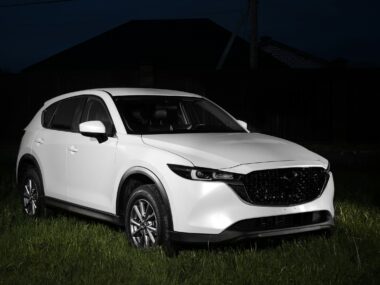
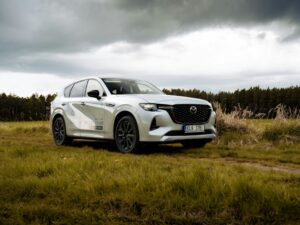
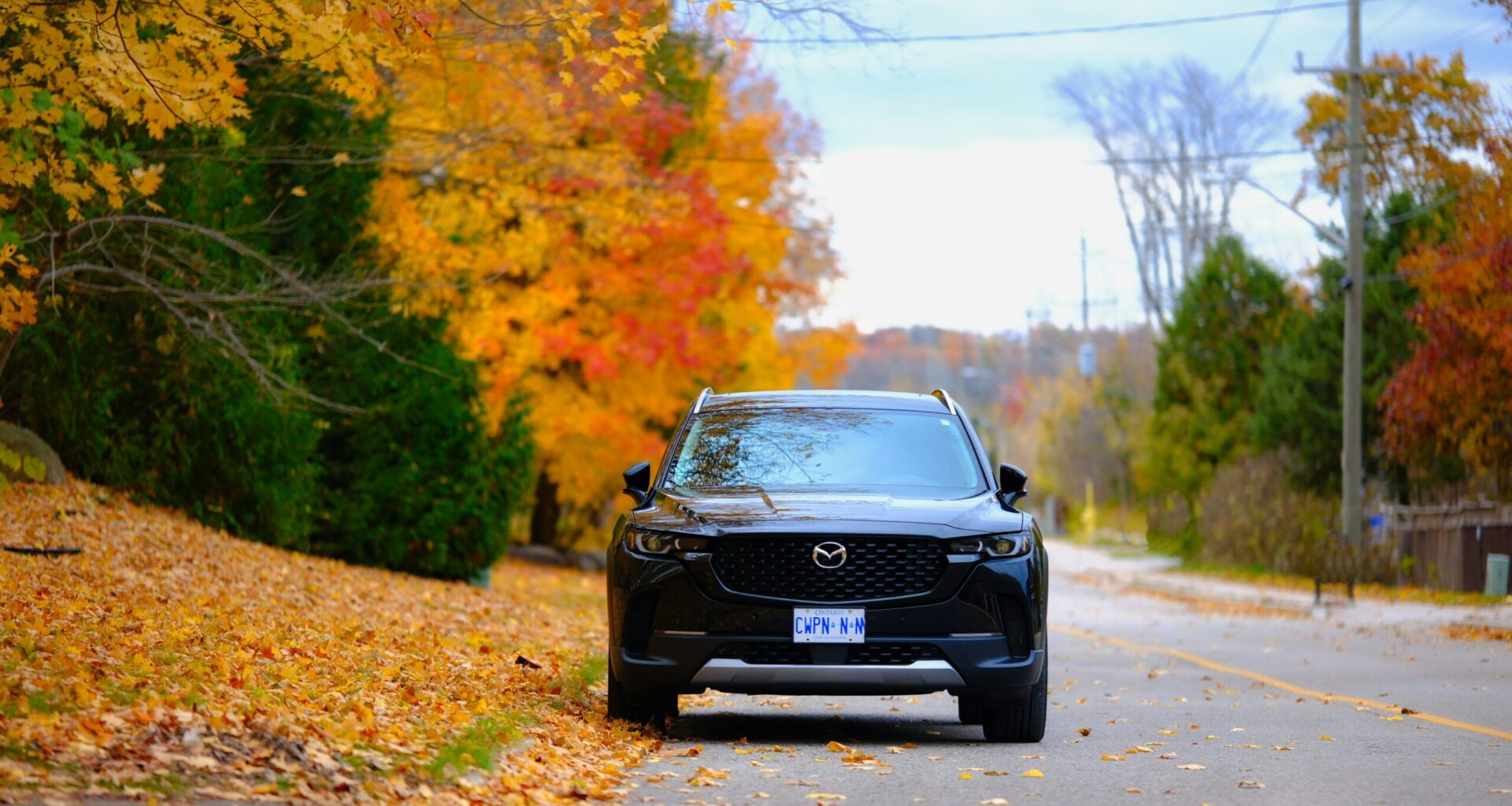
adminSome small SUVs feel built to check boxes. The Mazda CX-30 feels built for people who still enjoy driving.
That matters because this crossover gets a lot right. It has a rich-looking cabin, sharp road manners, standard all-wheel drive, and a strong safety story. Add the available turbo engine, and it can feel more like a sporty hatch on stilts than a typical commuter appliance.
Still, there are trade-offs. The rear seat is tight, cargo room is modest, and fuel economy trails some roomier rivals. So this review focuses on real life, commuting, errands, comfort, value, and whether the CX-30 suits singles, couples, or a growing family.
What stands out in this Mazda CX-30 review
If you want the short version of this mazda cx 30 review, here it is: the CX-30 is one of the nicest small SUVs to drive and sit in, but it asks you to give up space to get that polish.
The first thing many buyers notice is the cabin. It feels a class above the price, with clean design, solid controls, and less road noise than many subcompact rivals. On the move, the steering feels natural and the body stays composed in turns. That gives the CX-30 a calm, planted character that cheaper-feeling crossovers often miss.
On the other hand, the practical side is less impressive. The second row feels snug, the cargo area is smaller than what many shoppers expect, and the infotainment setup still isn’t the freshest in the segment. There’s also no hybrid option, which hurts if mpg is high on your list. For current specs and pricing, Car and Driver’s CX-30 review and specs lines up with that same overall picture.
The CX-30 is easy to recommend for one or two people. It gets harder to recommend once car seats, road trips, or bulky strollers enter the picture.
The best reasons to buy the CX-30
The strongest case for the CX-30 starts with quality. Materials feel better than expected, panel fit is tight, and the front seats are supportive on longer drives.
It also handles with more confidence than most small SUVs. You feel connected to the front tires, which is rare in this class. If you step up to the turbo, the CX-30 becomes genuinely quick.
The main drawbacks to know before you buy
The biggest weakness is space. Adults in back may feel cramped, and the cargo hold fills up fast.
Fuel economy is also only average, or a bit below average on turbo trims. Meanwhile, some rivals offer newer-feeling interfaces or more family-friendly packaging for similar money.
How the Mazda CX-30 feels to drive every day
Daily driving is where the CX-30 earns its keep. The standard 2.5-liter four-cylinder makes 191 horsepower, and for most people that’s enough. Around town, it moves off the line smoothly, merges without drama, and feels stronger than some small SUV base engines that always seem half awake.
The real charm, though, is the chassis. Mazda tunes this crossover with more care than most brands give their entry models. Steering has weight, the body stays tidy in corners, and the suspension keeps the vehicle settled at highway speed. As a result, the CX-30 feels more buttoned-down than softer choices like the Chevrolet Trailblazer or Buick Encore GX.
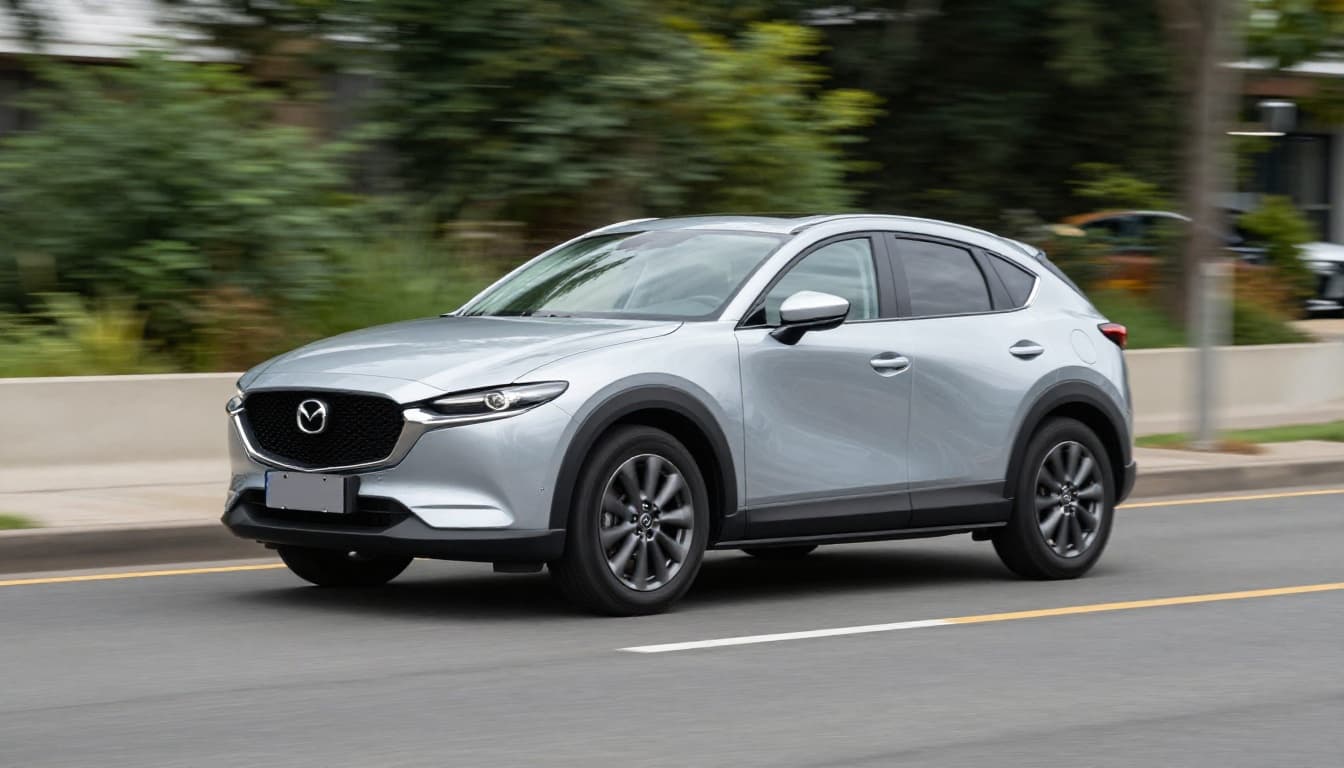
That said, the trade-off is clear. At low speeds, the ride can feel firm over broken pavement. You notice bumps more than you would in a Honda HR-V or Hyundai Kona. Once the road opens up, though, the CX-30 settles down and feels refined. An AutoWeb road test of the 2026 CX-30 makes a similar point, praising its upscale character while warning buyers about space.
Base engine vs turbo, which one is worth it?
This quick comparison helps frame the choice:
| Engine | Output | Best for | Trade-off |
|---|---|---|---|
| 2.5-liter non-turbo | 191 hp | commuting, errands, lower price | only adequate when fully loaded |
| 2.5-liter turbo | up to 250 hp | drivers who want stronger passing power | higher price, worse mpg |
For most buyers, the base engine is fine. It suits everyday use, and it keeps the CX-30 from creeping too far upmarket in price. If you drive mostly solo, stay in town, or simply want the Mazda look and feel, you probably won’t miss the turbo.
The turbo is for the buyer who notices acceleration every day. It gives the CX-30 a punchier, richer feel, especially on fast on-ramps and two-lane passes. It’s not essential, but it is satisfying.
Ride comfort, handling, and fuel economy in the real world
The CX-30 corners with more poise than most rivals, and that’s the main reason people fall for it. It doesn’t lean much, and it tracks cleanly on the highway. Wind and road noise are also well controlled for the class.
Still, mpg isn’t a headline win. Base versions are around 24 city and 31 highway mpg, while many turbo trims land closer to 22 city and 30 highway. That’s acceptable, not class-leading. If your goal is max fuel savings, the Mazda feels like choosing leather shoes over sneakers. It looks better, but it won’t always be the most efficient pick.
Inside the cabin, does the CX-30 feel as premium as people say?
Yes, mostly. The CX-30 interior is one of the biggest reasons to buy one.
The dashboard looks simple and expensive, not busy. The materials on the dash, doors, and seats feel better than what you’ll find in many mainstream rivals. Mazda also avoids the trap of replacing every function with a screen. There are still physical controls where they help, which makes day-to-day use easier.
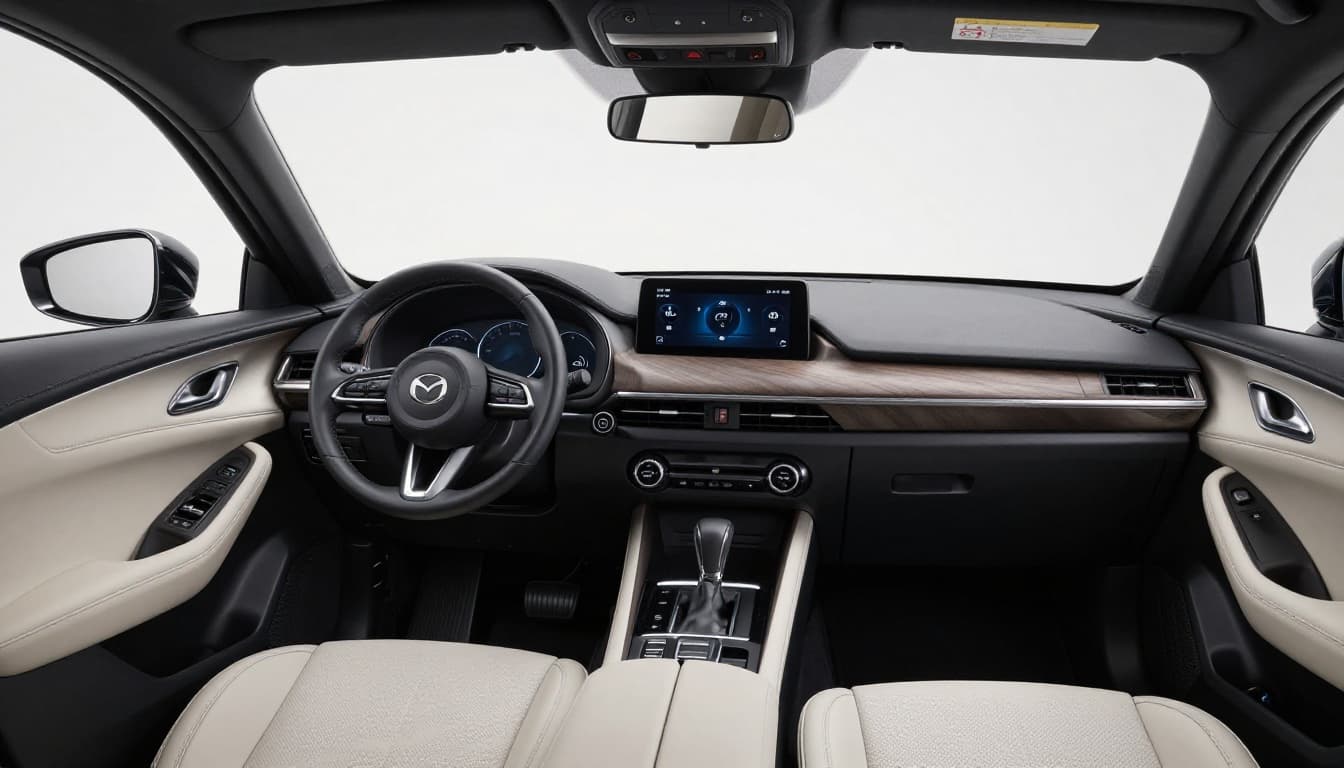
For 2026, upper trims add more visual flair, including an airy two-tone theme in some versions. Depending on trim, you can get heated front seats, dual-zone climate control, a head-up display, Bose audio, wireless phone charging, and a 10.25-inch display. Reports on newer trims, including touchscreen support for phone mirroring in some setups, have shown up in sources like DrivenAutos’ 2026 CX-30 review.
Front-seat comfort and day-to-day usability
The front row is the CX-30’s happy place. The seats are supportive, the driving position is low and natural, and the center console layout makes sense after a short adjustment period.
Visibility forward is good, and most major controls fall easily to hand. There’s enough storage for daily stuff, though not a huge amount. In practice, the CX-30 feels easy to live with from the front seats because it doesn’t ask you to fight the car. You get in, settle down, and go.
Rear-seat space and cargo room, the biggest compromise
This is where the Mazda loses ground. Rear legroom is tight for adults, and the side glass makes the back seat feel more closed in than some rivals.
Cargo space is also on the small side, with about 20.2 cubic feet behind the rear seats. Fold them down, and space improves, but the CX-30 still doesn’t turn into a mini moving van. Couples will likely manage fine. Families with strollers, sports gear, or regular airport runs may not.
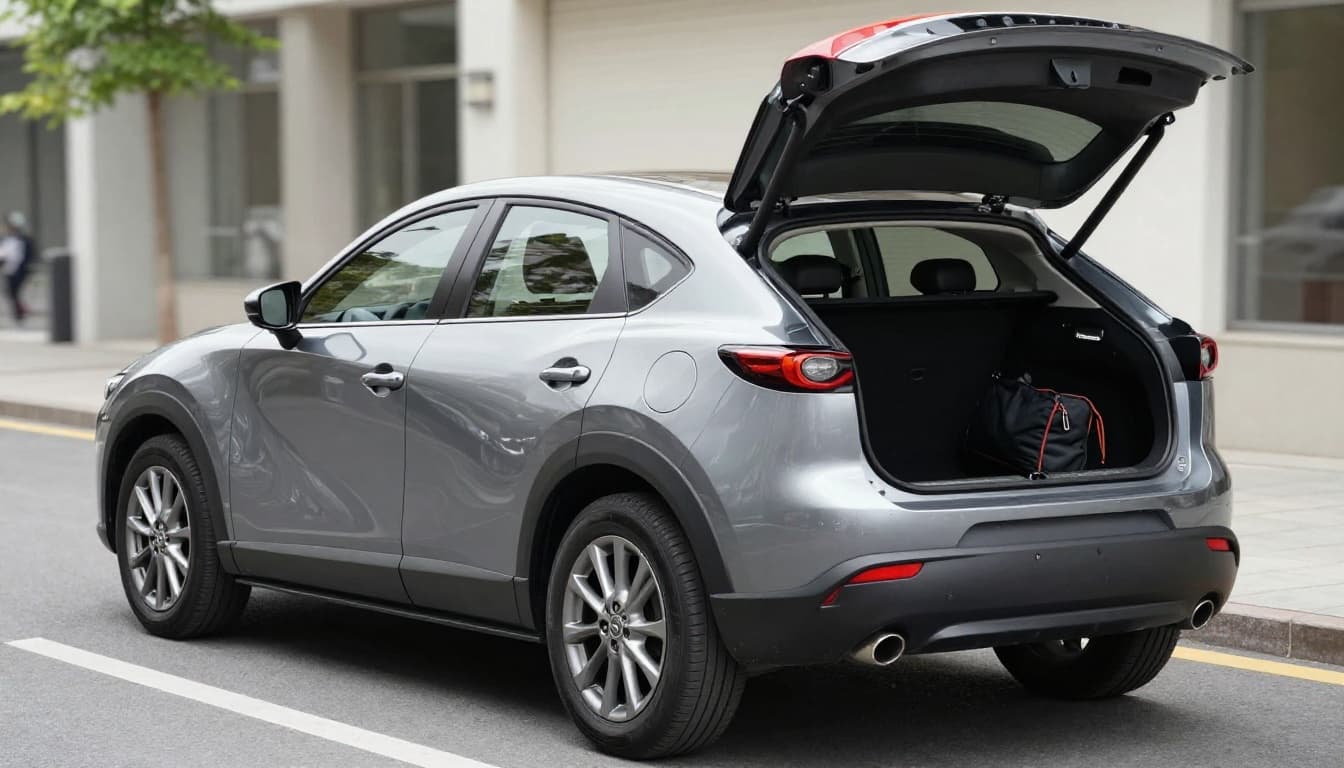
The CX-30 feels premium up front, but its back seat reminds you this is still a small SUV.
Tech, safety, trims, and value for the money
Mazda does well on standard safety content. As of April 2026, the CX-30 includes automatic emergency braking, blind-spot monitoring, rear cross-traffic alert, lane support features, and adaptive cruise control. That gives it a strong value base, even before you climb trims.
Crash-test data can shift by timing and source, so the safer takeaway is this: the standard driver-assist package is generous for the class. Buyers who want a small SUV with meaningful safety features don’t need to stretch into the top trim.
Value gets trickier as the price rises. The CX-30 starts around $25,975 before destination, which is competitive. Loaded turbo models can push near $39,395, and at that point you’re paying a lot for style, speed, and cabin feel in a vehicle that still has limited rear space. An Auto123 review of the 2026 CX-30 reaches a similar conclusion: charm is high, practicality less so.
Mazda’s basic warranty is 3 years or 36,000 miles, and Mazda Connected Services comes with a limited trial period. That’s fine, though not a standout reason to buy.
Which CX-30 trim makes the most sense?
For most people, the sweet spot sits in the middle of the lineup. That’s where you get the best mix of comfort features, safety tech, and price without drifting into near-luxury money.
The base trim works if budget matters most. Mid-level versions make more sense for daily ownership because they add the features buyers actually notice. Turbo trims are more emotional purchases. They’re fun, but they’re not the value play.
How the CX-30 compares with key rivals
The Honda HR-V is roomier and easier for family duty. The Hyundai Kona offers fresher tech and more visual flair. Volkswagen’s Taos gives you more rear-seat and cargo space. The Chevrolet Trailblazer and Buick Encore GX lean more toward comfort than driver feel. Ford’s Bronco Sport brings a boxier shape and more rugged attitude.
The Mazda answers those rivals with better cabin quality and sharper manners. If you care about how a small SUV feels on the road, the CX-30 is one of the best in the group. If you care more about space, mpg, or future hybrid options, you’ll probably shop elsewhere.
The CX-30 makes a strong case for itself because it feels special in ways most subcompact SUVs don’t. You see it in the cabin, feel it in the steering, and notice it on a long highway drive.
Its weak spots are just as clear. Rear space and cargo room lag the class, and fuel economy won’t wow anyone. For solo commuters and couples, that may not matter much. For small families, it probably will.
If your small SUV needs to feel polished every time you drive it, the CX-30 is easy to like. If you need maximum room for real life, a roomier rival will make more sense.

 admin
admin