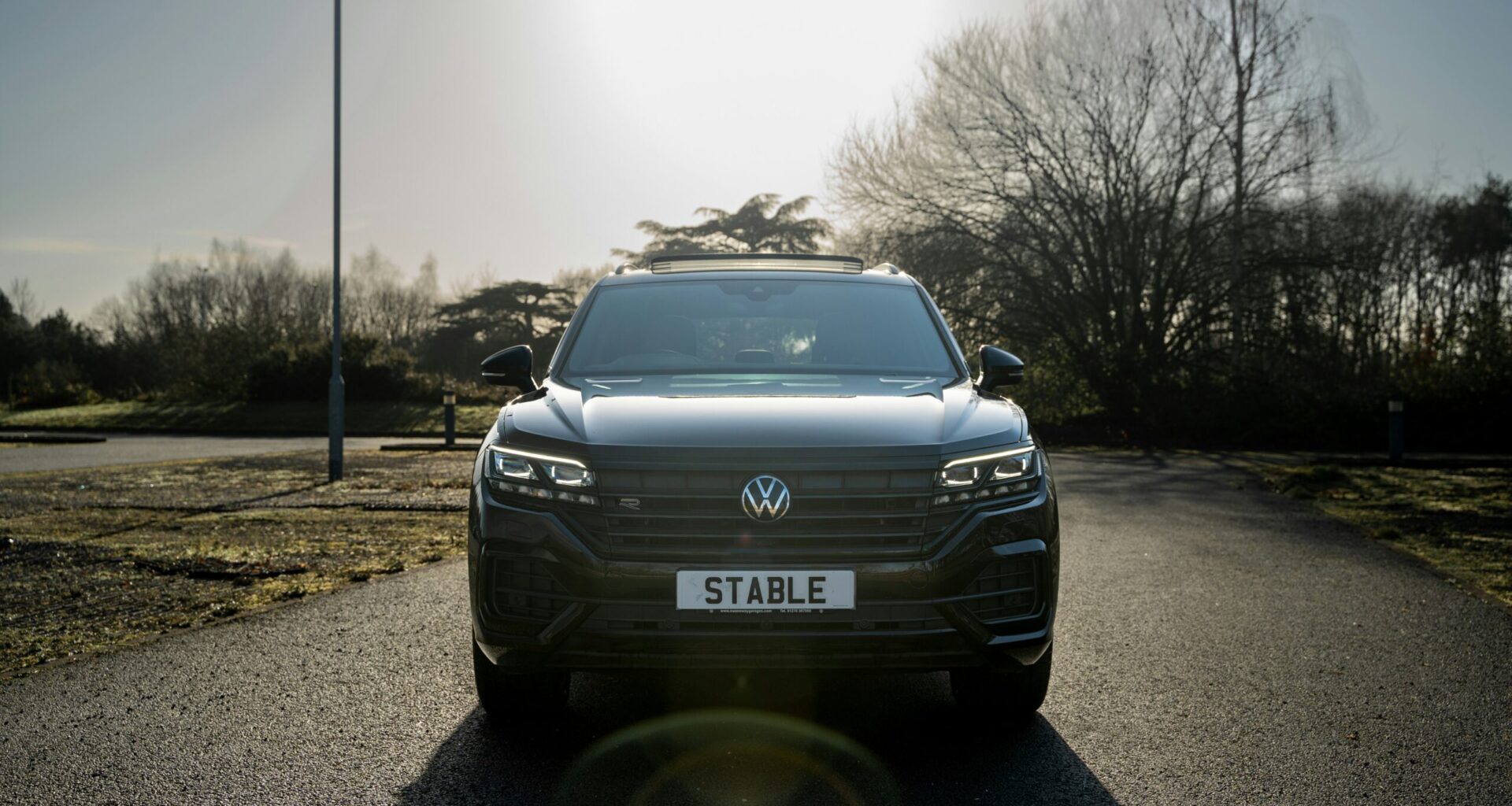
 admin
adminIf you want more room than a sedan but don’t want a bulky SUV, the Volkswagen Taos makes a strong first impression. It sits in that sweet spot for commuters, small families, and anyone who wants easy parking without giving up cargo space.
This volkswagen taos review comes down to a few simple questions. Is it comfortable every day, does it save fuel, does the cabin feel worth the money, and can it beat the class favorites? The short answer is yes on several fronts, but there are a few catches that matter.
What the Volkswagen Taos gets right on the road
The 2026 Taos keeps the same basic formula, and that’s mostly good news. Every model uses a 1.5-liter turbo four with 174 horsepower and 184 lb-ft of torque, paired with an eight-speed automatic. Front-wheel drive is standard, while all-wheel drive is optional.
On paper, that setup doesn’t sound exciting. On the street, though, it fits the job. The Taos feels smooth in traffic, calm on the highway, and easy to place in tight spots. Fuel economy is another plus, at 28 city and 36 highway for front-wheel drive, and 25 city and 33 highway for all-wheel drive. For a compact SUV, that’s a strong showing. If you want a deeper look at official specs and pricing, Car and Driver’s 2026 Taos breakdown is a useful reference.
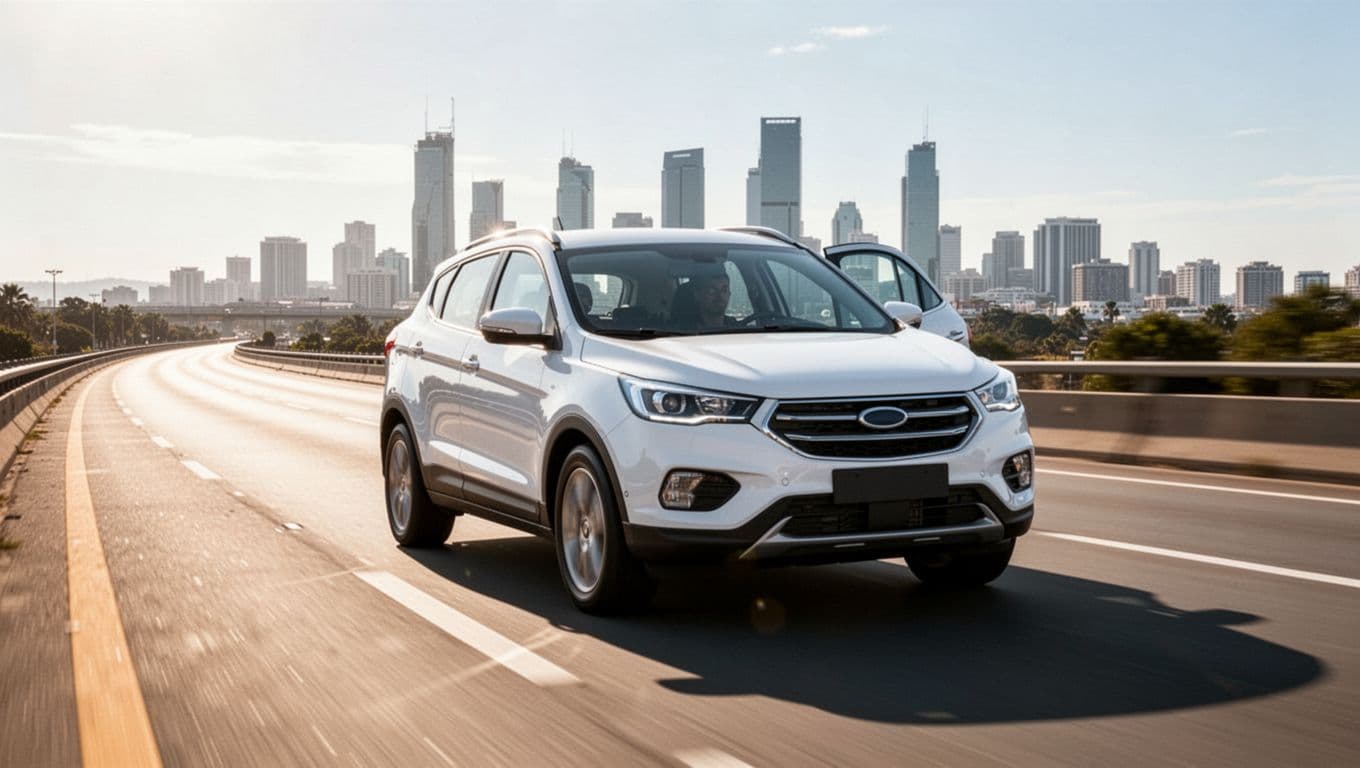
Turbo power is good enough for daily driving, but it is not exciting
Around town, the turbo engine has enough low-end pull to feel relaxed. It gets up to speed without strain, and highway merges don’t feel stressful. Passing at moderate speeds is fine too, which matters more than stopwatch bragging rights for most buyers.
Still, nobody will confuse the Taos with a hot hatch in disguise. Depending on trim and drivetrain, 0 to 60 mph lands at about 8.2 to 8.9 seconds. That’s acceptable, not fast. If your right foot wants instant punch, the Taos may feel like it’s speaking in a calm indoor voice when you were hoping for a shout.
Comfort, handling, and mpg are the real highlights
The better story is how settled the Taos feels. The suspension leans toward comfort, so rough pavement doesn’t shake the cabin apart. At highway speed, it tracks well and feels planted, which takes some stress out of long drives.
Cabin quietness is solid for the class, and outward visibility is another win. The upright shape helps, so you don’t feel buried under a high beltline or tiny windows. That simple trait makes daily driving easier. Reviews like CarPro’s Taos SE road test have also pointed out strong real-world highway fuel economy, especially in front-drive versions. For long commuters, that’s where the Taos starts to stand apart.
Inside the Taos, space and everyday comfort make a strong case
Some compact SUVs feel like tall hatchbacks with cramped back seats. The Taos doesn’t. Its biggest strength may be simple usability. The cabin feels open, the roofline stays upright, and getting in or out doesn’t require yoga-level flexibility.
That room matters right away in the second row. Adults can sit back there without complaint, and kids’ seats don’t turn the front row into a punishment box. Cargo space is strong too, with up to 27.9 cubic feet behind the rear seats and as much as 65.9 cubic feet with them folded. Those numbers help explain why the Taos appeals to buyers who want one vehicle to do everything, from weekday commuting to airport runs.
Passenger room and cargo space are better than many shoppers expect
This is where the Taos punches above its size. From the driver’s seat, it doesn’t feel big. From the rear seat, it feels larger than many direct rivals. That balance is hard to nail.
The cargo area is shaped well, so the space is useful, not just impressive on a spec sheet. Groceries, sports gear, and weekend bags fit without a fight. In a class packed with tight cabins, the Taos gives you breathing room. A recent Times-Tribune review of the 2026 Taos makes the same point, and it’s easy to see why.
Features get better as you move up the trim ladder
The base S trim isn’t stripped bare. It covers the basics well, with digital instruments, an 8-inch touchscreen, smartphone integration, and standard safety tech. That’s enough for budget-focused shoppers who care more about function than flash.
Most buyers, though, should start with the SE. It adds the comfort items people notice every day, including heated front seats, dual-zone climate control, remote start, wireless charging, and 18-inch wheels. That’s why it feels like the value pick. The SE Black adds darker styling cues and a panoramic sunroof for buyers who want more attitude. At the top, the SEL brings a richer feel with leather, ventilated front seats, upgraded audio, and Digital Cockpit Pro. For 2026, changes are light, with a faster wireless charging setup among the small updates.
Safety, reliability, and value, where the Taos looks strong and where buyers should pause
The Taos makes a good case on value because it offers solid space, good fuel economy, and a fair amount of tech without jumping straight into high-dollar territory. The base 2026 model starts at $26,500 in the US, which keeps it in the thick of the segment.
Safety equipment also helps its case. Volkswagen’s IQ.DRIVE suite brings many features that buyers now expect, and some rivals still charge extra for them. The tougher part of this section is reliability, because the Taos has a more mixed history than the best names in this class.
The Taos is easy to like on a test drive. The harder call is whether you’re comfortable with its longer-term question marks.
Standard driver assist features add confidence
Volkswagen deserves credit here. Automatic emergency braking, blind-spot monitoring, lane-keeping help, and adaptive cruise control are big selling points in a compact SUV that many people buy as a daily family runabout.
Those features don’t make the Taos unique, but they do make it easier to recommend. Drivers who spend lots of time on crowded highways will notice the benefit. While the latest crash-test picture can shift as refreshed models roll through testing, the Taos still offers a reassuring set of standard tools.
Owner feedback shows a mixed reliability picture
This is where the balance of the review changes. Many owners praise the ride quality, cabin space, and fuel economy. Those are real strengths. At the same time, owner feedback has included complaints about transmission hesitation, occasional stalling, electrical glitches, and check-engine lights. Consumer Reports’ 2026 Taos reliability page also predicts below-average reliability based on earlier model-year data.
That doesn’t mean every Taos will be trouble. It does mean buyers should pay attention. If you’re shopping used or nearly new, check service history and recall work carefully. If you’re buying new, take a long test drive, not a quick loop around the block. Also weigh the 4-year, 50,000-mile warranty and the strength of your local dealer, because support matters when a car has a mixed track record.
How the Volkswagen Taos compares with the Honda HR-V, Corolla Cross, and Mazda CX-30
The compact SUV class is crowded, so the Taos can’t win on one trait alone. It has to fit the kind of buyer you are. That makes comparison more useful than a simple score.
Against the Honda HR-V, the Taos feels roomier and often more feature-rich in the middle trims. The HR-V counters with a smoother, simpler personality and a stronger reputation. The Toyota Corolla Cross has less style inside, but many shoppers will trust its long-term durability more. Then there’s the Mazda CX-30, which feels more polished to drive and more premium inside, though it gives up some space.
Choose the Taos if space, style, and features matter most
This is the clearest lane for the Taos. It offers a roomy cabin, a useful cargo area, clean design, and fuel economy that helps with long commutes. It also avoids feeling cheap inside, even before you reach the top trim.
For many buyers, the SE hits the best balance. It adds the comfort and convenience items that make the Taos feel complete without pushing the price too high. If you’re cross-shopping, this HR-V vs. Taos comparison helps show where Volkswagen’s extra space and equipment can matter.
Look at rivals if reliability or sporty driving is your top priority
Toyota and Honda still make the safer bet for shoppers who want the lowest stress over the long haul. Their small SUVs may not feel as roomy or as stylish, but they carry less baggage in the reliability conversation.
Meanwhile, the Mazda CX-30 is the better pick if driving feel comes first. It corners with more confidence and feels more upscale from behind the wheel. The Taos isn’t bad in either area. It simply plays a different tune. It’s the easy chair of this group, not the sharp-edged stool.
The best buyer for a Taos is someone who wants comfort, real rear-seat room, solid mpg, and a clean German-flavored cabin without stepping up to a larger SUV.
The Volkswagen Taos is easy to like because it does the daily stuff well. It’s roomy, comfortable, efficient, and smartly equipped, especially in SE trim. For many drivers, that’s enough to put it near the top of the list.
The caution is clear, though. It isn’t quick, and its reliability story still needs more trust. If space and comfort rank first, the Taos deserves a serious look. If long-term peace of mind or sporty handling tops your list, cross-shop Honda, Toyota, and Mazda before you sign.

 admin
admin