 admin
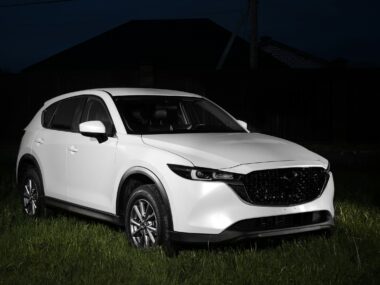
adminNeed a three-row SUV that doesn’t feel like an appliance? The Mazda CX-90 is built for buyers who want family space, but still care how a vehicle looks, turns, and sounds on the road.
For 2026, Mazda kept the formula mostly intact and added useful updates, including standard Alexa, a new Turbo S Premium Sport trim, and Polymetal Gray Metallic paint. That means this review isn’t about a total reset. It’s about whether the CX-90 still makes sense in 2026, once you factor in performance, comfort, fuel economy, trims, and price.
How the Mazda CX-90 feels on the road
The best thing about the CX-90 is simple: it feels more alive than most three-row SUVs. Gas models use a 3.3-liter turbocharged inline-six with 280 horsepower, while Turbo S versions bump that to 340 horsepower. Either way, you get stronger, smoother power than the small turbo-four setups common in this class.
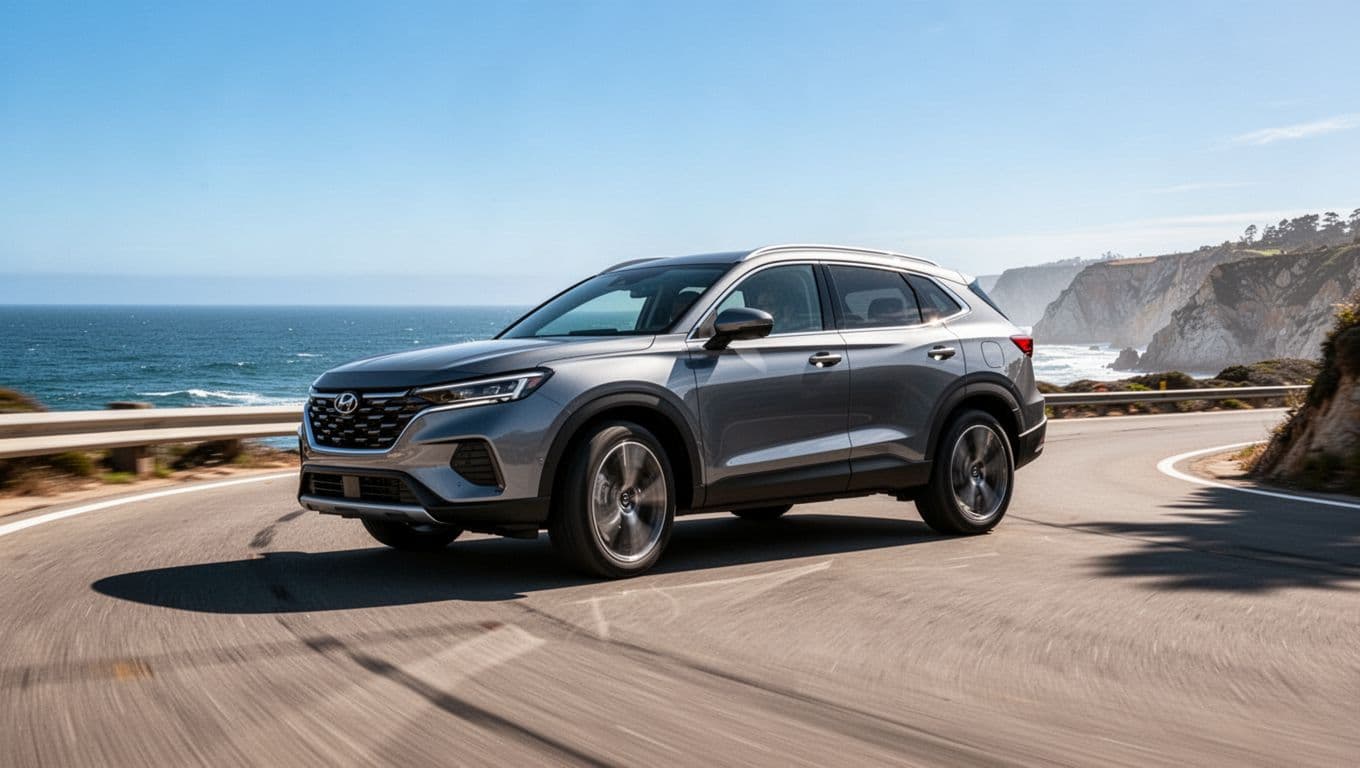
The inline-six engine gives the CX-90 a more upscale feel
An inline-six changes the mood of this SUV. It doesn’t buzz or strain the way many four-cylinder rivals do when you merge or pass. Instead, power builds in a smooth, steady wave, which makes the CX-90 feel closer to an entry-luxury SUV than a typical family hauler.
That matters most on the highway. The base 280-hp version never feels weak, and the 340-hp Turbo S feels properly quick for something this size. If you want more context on specs and trim positioning, Car and Driver’s 2026 CX-90 overview tracks closely with that premium, performance-first angle.
The transmission isn’t perfect. At very low speeds, it can still feel a bit hesitant. Still, once you’re moving, the CX-90 settles down and feels polished.
Ride and handling are better than most family SUVs
Mazda tuned this SUV for drivers, not only passengers. The steering has real weight, the front end responds quickly, and the body stays more controlled in corners than you’d expect. In plain terms, it feels smaller than it is.
That’s the upside. The tradeoff is ride quality. The CX-90 isn’t harsh, but it isn’t pillow-soft either. Sharp bumps come through more than they do in a Honda Pilot or Buick Enclave. So if your top goal is a floaty, isolated ride, the Mazda may feel a touch firm.
The CX-90 stands out because it doesn’t drive like a box on stilts. It drives like a big wagon that grew a third row.
For buyers who commute alone during the week and haul kids on weekends, that’s a real selling point.
Inside the cabin, premium design meets real family duty
Open the door, and the CX-90 makes a strong first impression. The dash looks clean and expensive. Materials feel richer than what you get in many mainstream rivals. On upper trims, quilted leather, suede-like trim, and thoughtful details give the cabin a calm, upscale vibe.
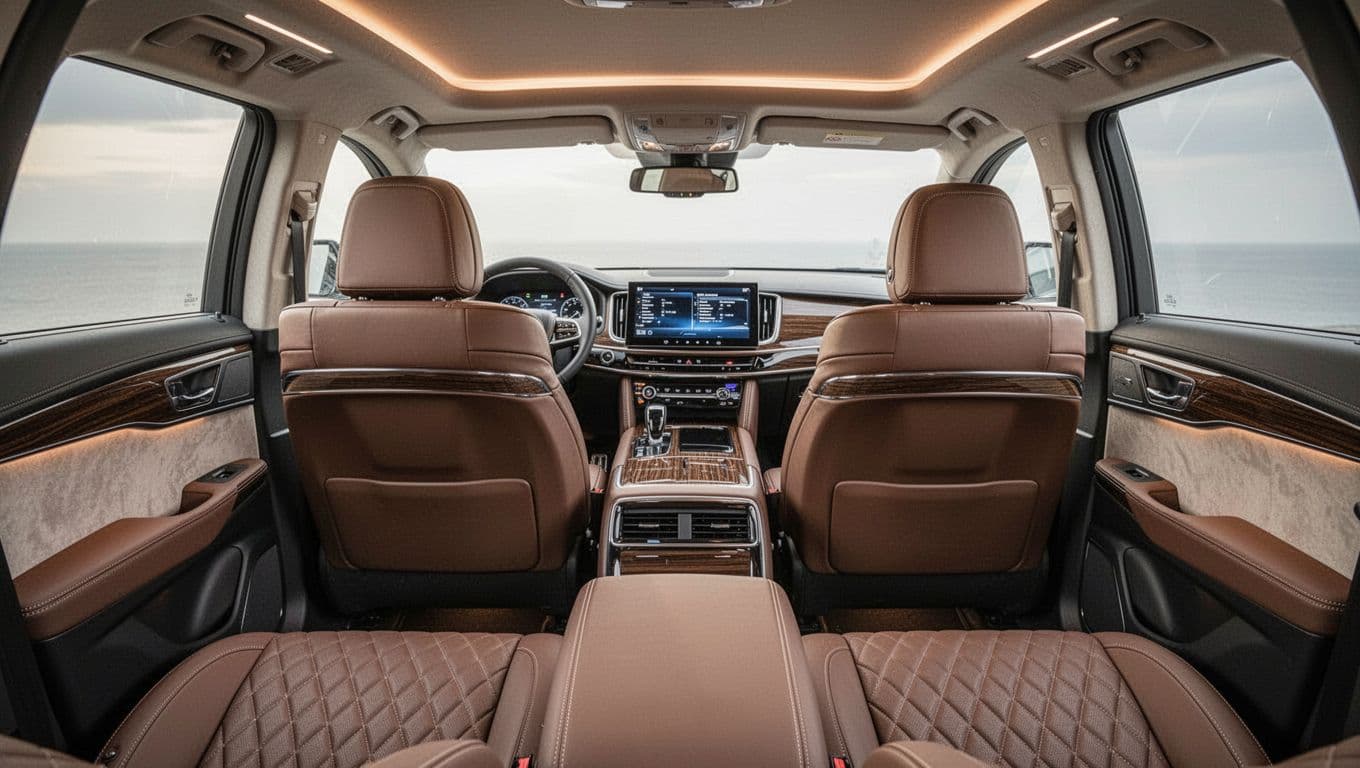
Mazda also didn’t forget family use. Depending on trim, you can get second-row captain’s chairs or a bench, and some configurations seat up to eight. Heated second-row seats are available, which parents and grandparents will appreciate on cold mornings.
Front and second rows feel rich, but the third row is the real test
The first two rows are the CX-90’s sweet spot. Front seats are supportive and comfortable for long drives. The second row feels roomy enough for adults, especially with captain’s chairs. In daily use, that’s where the Mazda earns its premium pitch.
The third row is where reality steps in. Kids fit fine, but adults won’t want to stay back there for long. Legroom is tight, and the rear-most area feels smaller than what’s offered in the Pilot, Traverse, or Enclave. Cargo space is useful, but it also trails the roomiest rivals when all rows are in use.
Getting into the third row is manageable, though not effortless. Families with small kids in boosters should try it in person before buying. Long-term testers have also pointed out some practical quirks, and this CX-90 ownership update from Car and Driver is worth a look if you’re thinking beyond the test drive.
Tech is easy enough to live with every day
Mazda’s tech isn’t flashy, but most of it works well. For 2026, Alexa is standard across the lineup, which helps with voice commands for navigation, music, and simple tasks. That’s a welcome add, especially for drivers who already use Alexa at home.
The infotainment system has a short learning curve because Mazda still leans on a control dial in many situations instead of a giant touch-first layout. Some people love that. Others need a few days to adjust. Once you do, it’s easy enough to use without taking your eyes off the road too often.
Available features include a 360-degree camera, larger displays, and stronger audio on upper trims. None of that feels gimmicky. It feels like gear you’ll use.
Mazda CX-90 review, fuel economy, PHEV choice, and trim value
Owning the CX-90 is where the math gets interesting. The regular inline-six models offer good power, but fuel economy depends heavily on how and where you drive. Some official figures look strong for a three-row SUV, yet many owners should still expect real-world results in the low-to-mid 20s, and around 20 mpg combined isn’t hard to imagine with city driving, short trips, or a heavy right foot.
The plug-in hybrid changes the picture. It offers about 27 miles of electric-only range, which can cover many school runs and short commutes without using gas. After the battery runs down, it behaves like a regular hybrid SUV rather than a full EV.
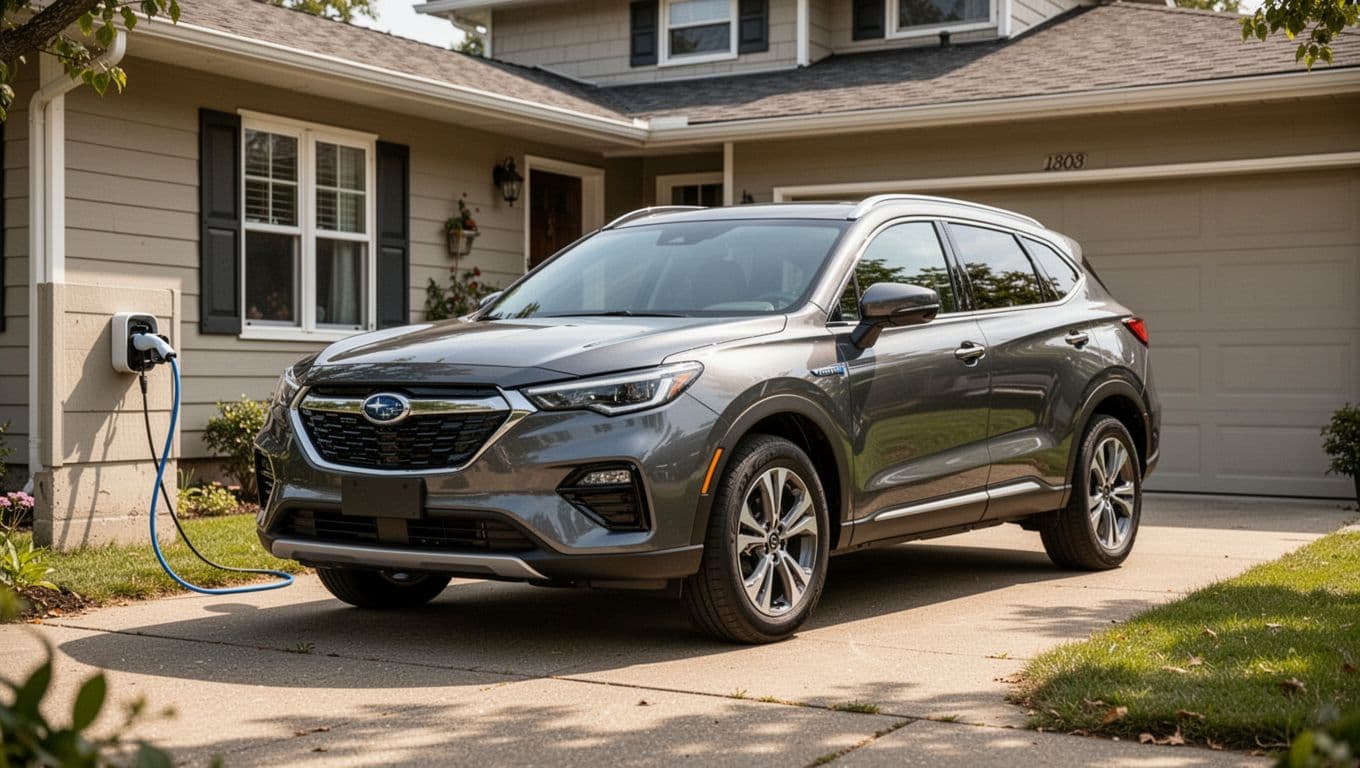
This quick comparison helps narrow the choice:
| Powertrain | What you get | Best fit |
|---|---|---|
| 3.3 Turbo | 280 hp, smooth everyday power | Budget-minded buyers who still want the inline-six feel |
| 3.3 Turbo S | 340 hp, stronger passing and more punch | Drivers who care about performance and don’t mind spending more |
| PHEV | Short EV range, lower fuel use on local trips | Commuters who can charge at home and want better efficiency |
The key takeaway is simple: the base turbo is enough for most people, the Turbo S is the fun choice, and the PHEV makes sense only if you’ll plug it in often.
Which powertrain makes the most sense for your commute
If you drive mostly highway miles, the standard turbo inline-six is the safest pick. It’s quick enough, smoother than most rivals, and cheaper than stepping up to the Turbo S or PHEV.
Choose the Turbo S if you know you’ll enjoy the extra power every day. It’s not a need, it’s a want. That said, it’s a satisfying want.
Pick the PHEV if your commute is short, home charging is easy, and gas savings matter. For more on the electrified model’s pricing and positioning, Car and Driver’s CX-90 Hybrid review is a useful reference.
Best Mazda CX-90 trims for value, comfort, and features
Value depends on how much of the premium look you want. The smartest buy for many shoppers will be a lower or mid-level gas trim, because the core strengths are already there: sharp styling, strong power, and a well-finished cabin.
Comfort-focused buyers should look at trims that add the larger moonroof, hands-free liftgate, upgraded seats, and extra camera views. Those features improve daily use more than flashy trim names do.
If you want the near-luxury version, the upper Turbo S trims are the ones to watch, including the new Premium Sport. They look sharper and feel richer, but the price climbs fast. Published 2026 pricing from major outlets now starts at roughly $40,330 for gas models and about $52,025 for the PHEV. You may still see lower figures, such as $38,800 and $50,495, attached to earlier pricing references or leftover stock. Either way, shoppers can often negotiate below MSRP, so don’t assume the sticker is the final number.
How the CX-90 compares with the SUVs most shoppers cross-shop
The CX-90 doesn’t try to beat every rival at every job. Instead, it offers a different flavor. Compared with the Toyota Highlander, Honda Pilot, Subaru Ascent, Nissan Pathfinder, Chevrolet Traverse, and Buick Enclave, the Mazda feels more tailored, more polished, and far more enjoyable from behind the wheel.
Why some buyers will prefer the CX-90 over a Highlander or Pilot
Style is a big reason. The CX-90 looks expensive inside and out, even before you reach the top trims. If you care about cabin design, the Mazda has more personality than the Highlander and a more upscale feel than the Pilot.
Driving enjoyment is the other reason. The Mazda turns in with more confidence and has an engine lineup that feels richer, especially in Turbo S form. That gives this mazda cx 90 review a clear bottom line: if you want a family SUV that still feels special on your commute, the Mazda makes a strong case.
Where competitors still have the edge
Rivals win where practicality takes priority. The Pilot and Traverse offer more usable third rows. The Enclave rides softer. The Highlander, especially in hybrid form, is the easier pick for fuel savings. Meanwhile, the Ascent and Pathfinder can look appealing if pricing is tight.
So the CX-90 isn’t the universal answer. It’s the answer for buyers who want family function, but refuse to settle for bland.
The CX-90 remains one of the most interesting three-row SUVs you can buy in 2026. Its biggest strengths are clear: sharp road manners, a rich cabin, and an inline-six engine that gives it a more expensive feel than the badge suggests.
If maximum third-row space and cushy comfort matter most, look elsewhere. But if you want a family SUV with real character, the CX-90 is still one of the class’s best picks.

 admin
admin