 admin
adminSticker price grabs your attention, but it rarely tells the whole story. Most shoppers compare the monthly payment first, then miss the costs that keep showing up long after the papers are signed.
That matters more in 2026, because new cars still average about $49,353, while used cars often land around $25,000 to $26,000. Loan rates are also higher than many buyers expect, so a cheap-looking payment can hide an expensive decision.
A good new vs used car calculator helps you compare what each option may cost over years of ownership, not only on day one. Once you know how to read the numbers, the better choice usually becomes much clearer.
What a new vs used car calculator actually compares
A new vs used car calculator is built to answer one simple question: which car will cost less in your real life? It compares two ownership paths side by side, usually over three to five years. That means it looks past the sale price and starts adding the costs buyers often forget.
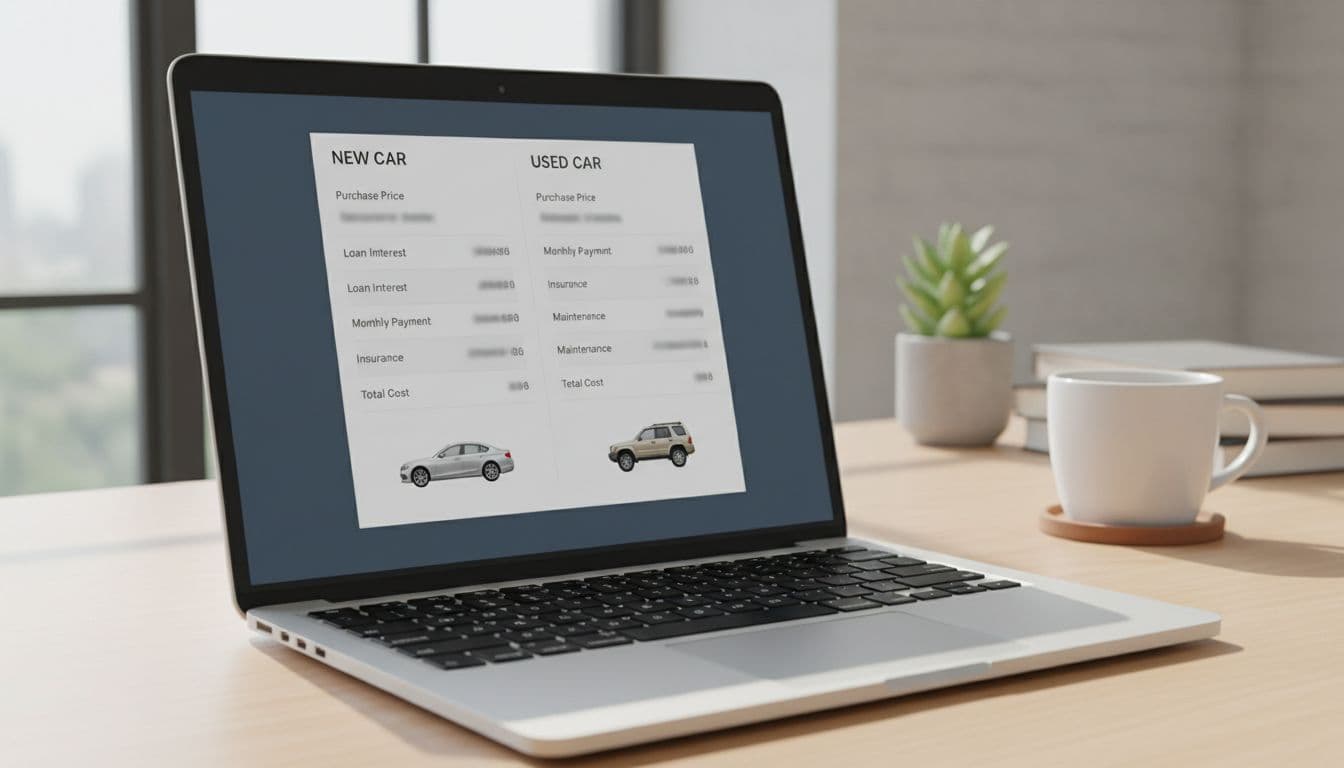
A strong calculator shows the gap between a lower-priced used car and a higher-priced new one over time. In many cases, the used car wins on price alone. Still, that gap can shrink when the new car has lower financing, lower repair risk, and better resale. Tools like Kelley Blue Book’s cost to own calculator help frame that bigger picture.
The big costs that change the result
The obvious numbers come first, purchase price, down payment, loan term, APR, sales tax, and registration. After that, the calculator should add insurance, fuel, routine service, likely repairs, and resale value.
Depreciation is often the hidden punch for new cars. A brand-new vehicle can lose value fast in the first few years. Used cars usually avoid that steep early drop, but they can bring higher repair bills and higher interest rates. In other words, new cars often lose money on value, while used cars can lose money through upkeep and financing.
Why monthly payment alone can mislead you
A long loan can make an expensive new car look easy to afford. Stretch the term to 72 or 84 months, and the payment may look close to the payment on a used car. Yet you may pay thousands more overall.
A lower monthly payment doesn’t always mean a lower total cost.
Think of it like renting a hotel room for less per night, but staying twice as long. The bill still grows. That’s why a calculator should always show total paid, not only monthly payment.
New car vs used car costs in 2026, what the numbers usually show
Current market averages help set realistic inputs before you start comparing cars. In early 2026, new vehicles averaged about $49,353, while used vehicles were usually in the $25,000 to $26,000 range. Average APRs were about 6.8% to 7% for new loans and roughly 11.3% to 11.5% for used loans. Insurance also tends to run higher on newer vehicles.
This quick snapshot shows what many shoppers are seeing:
| Cost factor | New car | Used car |
|---|---|---|
| Average price | $49,353 | $25,000 to $26,000 |
| Average APR | About 6.8% to 7% | About 11.3% to 11.5% |
| Typical monthly insurance | Roughly $254 | Roughly $198 |
The takeaway is simple: new cars cost much more up front, but used cars often cost more to finance.
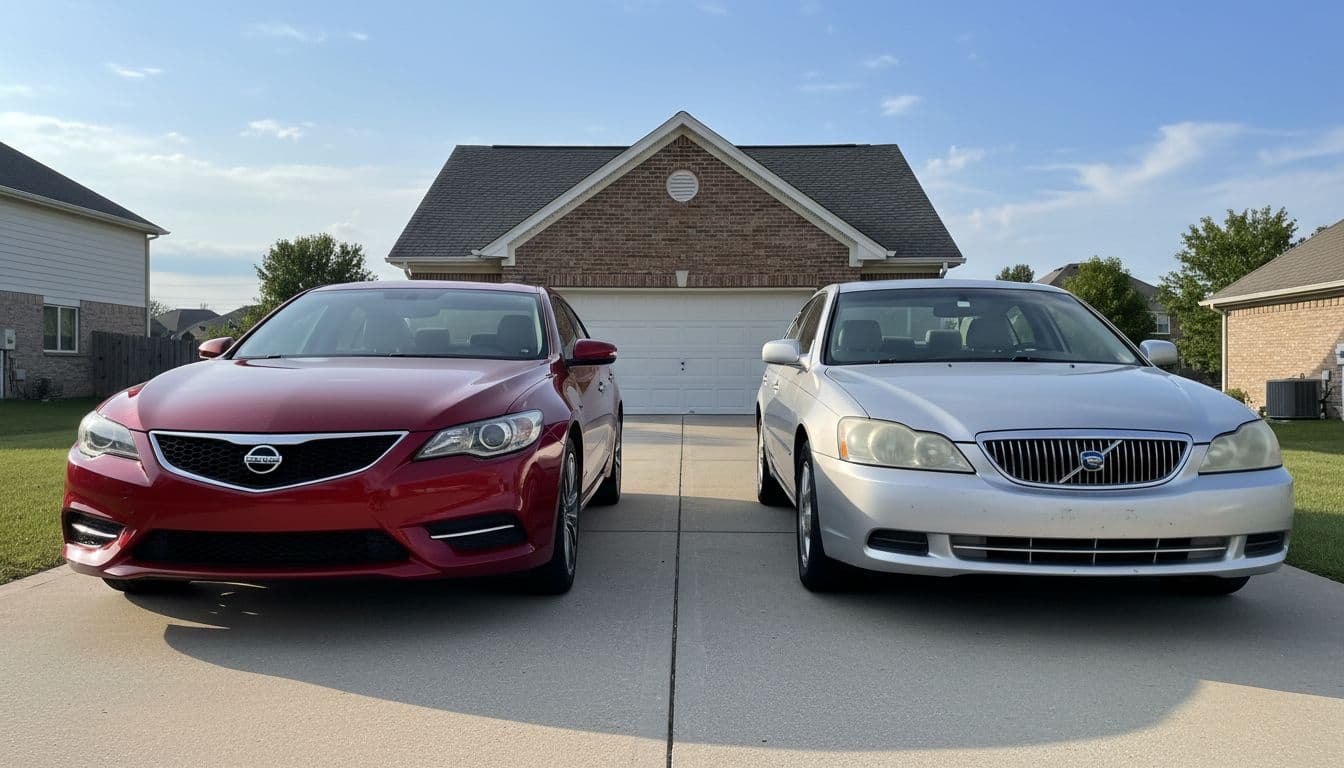
Where new cars often win despite the higher price
New cars bring a few strong advantages. First, warranty coverage cuts the risk of surprise repair bills. Second, newer safety tech can matter if you drive a lot or carry family often. Some models also get better fuel economy than the used version you’re considering.
Financing can help too. New-car buyers often qualify for lower rates, and sometimes the maker offers special incentives. That doesn’t erase the higher price, but it can narrow the gap. Experian’s look at used versus new cars makes the same point: the best choice depends on budget, features, and financing, not age alone.
Where used cars often come out ahead
Used cars usually win on pure value. You pay less to buy one, and someone else already took the hardest depreciation hit. Insurance is often lower too, which helps every month.
That said, 2026 hasn’t made bargain hunting easy. Used demand is still strong, and better deals can be harder to find than many buyers expect. So a three-year-old car isn’t always a slam dunk. The smartest move is to compare an actual used car, with real mileage and a real rate, against a new model you would seriously buy.
How to use a new vs used car calculator step by step
A calculator only works when the two scenarios are realistic. If one side is fantasy and the other is a real car from a dealer lot, the result won’t help much. Build the comparison as if you were ready to buy both options this week.

Start with two cars you would really consider
Keep the comparison fair. Match two vehicles with similar size, features, and purpose. For example, compare a new Honda CR-V with a three-year-old CR-V, or a new midsize sedan with a lightly used midsize sedan from the same class.
Don’t compare a brand-new SUV with an older compact car unless you would honestly buy either one. That kind of mismatch tells you more about category differences than new versus used value.
Use honest numbers for ownership costs
Enter the real sale price, your actual down payment, and the loan rate you expect to get, not the best rate from a TV ad. Then add the costs that shape ownership, including tax, fees, insurance, miles driven, fuel, maintenance, repairs, and expected resale.
Insurance is where many buyers guess wrong. Get a quote for both cars before you decide. The same goes for maintenance. A used vehicle with higher mileage may need tires, brakes, or a battery sooner than you think. If you want a good starting point, myFICO’s vehicle cost comparison tool shows the kinds of fields that matter.
You can also check tools from KBB, Edmunds, Cars.com, and CarEdge when available, because they often include fuel, depreciation, and ownership costs in one place.
Test a few what-if scenarios before you decide
This is where the calculator becomes useful, not just interesting. Change the ownership length from three years to seven. Raise the down payment. Lower the yearly mileage. Try a better or worse interest rate.
The result may flip fast. A new car often looks stronger if you’ll keep it for a long time and want fewer repair surprises. A used car often looks better if you’ll drive modest miles and want the lowest total spend. Running two or three versions with a free new vs used car calculator can show how sensitive the decision is to your real habits.
How to tell which option is better for your budget and lifestyle
Once the numbers are in, don’t treat the result like a final order. A calculator is a guide, not a judge. It helps you see trade-offs clearly, then match them to what matters in daily life.
If one option costs a little more but removes stress you hate, that may still be the better fit. On the other hand, if your budget is tight, the lower-cost answer matters more than the nicer badge or newer screen.
A new car may make more sense if you want predictability
Some buyers care most about calm ownership. They want warranty coverage, fewer repair risks, and the latest safety features. They may also plan to keep the car for eight to ten years, which spreads the higher upfront cost across a long stretch of use.
For that buyer, paying more can feel worth it. The calculator may show a higher total cost, but the gap may be small enough to justify the peace of mind.
A used car may be the better pick if lowering total cost is the goal
Used usually makes sense when your budget has hard limits. It can also work well if you want lower insurance and want to skip the steep first-year depreciation hit.
Still, cheaper only stays cheaper if the car is sound. Always check the vehicle history report and get a pre-purchase inspection. A used car with hidden damage can wreck the savings you expected.
The best new vs used car calculator result is the one that matches how you drive, borrow, and keep a car. Not the one that simply looks smaller on a monthly payment line.
A shiny new car can be worth it, and a used car can be the smarter buy. The difference comes down to realistic numbers, honest assumptions, and how long you’ll live with the choice.
Before you buy, run at least two or three scenarios. That small step can save money, lower stress, and keep you from choosing a car that only seemed cheaper at first glance.

 admin
admin