 admin
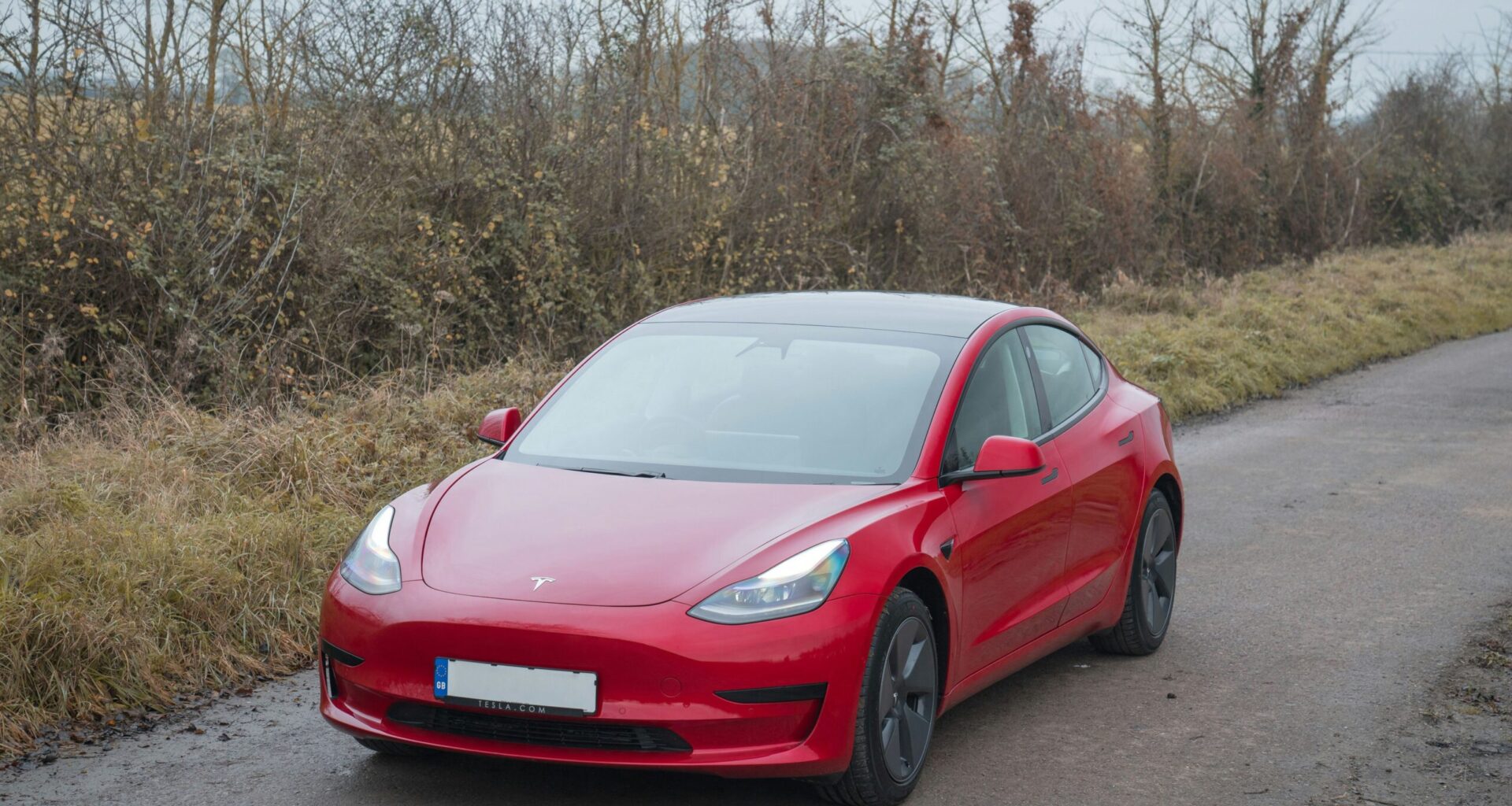
adminPicking between the Tesla Model 3 vs Model Y sounds simple until you start living with the decision in your head. Both share Tesla software, charging access, strong acceleration, and the same clean interior style. Yet they feel different the moment you sit down and pull away.
That difference matters more in 2026 because the prices are closer than many buyers expect. So the real choice usually comes down to six things: price, driving feel, range, cargo room, family use, and daily value. Think of this as a buying guide for normal life, not a spec-sheet contest.
The biggest difference comes down to car shape and daily use
The Model 3 is a low sedan. The Model Y is a taller crossover. That sounds small on paper, but it changes how each car fits your day.
Here’s the quick picture before the deeper breakdown:
| Category | Tesla Model 3 | Tesla Model Y |
|---|---|---|
| Body style | Sedan | Crossover SUV |
| Seating position | Lower, sportier | Higher, more upright |
| Easy entry and exit | Good | Better |
| City feel | Easier to place, easier to park | Bigger footprint, better outward view |
| Best match | Commuters, couples, solo drivers | Families, pet owners, road-trippers |
The short version is simple. The Model 3 feels more like a car you wear. The Model Y feels more like a car you step into. If you want a quick outside check of features and dimensions, Car and Driver’s comparison tool is a handy reference.
Why the Model 3 feels sportier and easier to live with in the city
The Model 3 sits lower, weighs less, and changes direction with less effort. In traffic, it feels tighter and more precise. In parking lots, that lower stance helps it feel smaller than it is.
That makes it a smart pick for commuters and city drivers. If you mostly carry one or two people, the extra space of the Model Y may go unused. Meanwhile, the Model 3 usually costs less in comparable trims, so you get a stronger value story from the start.
It also has the better “point and go” feel. Think of it like running shoes versus hiking boots. Both work, but one feels quicker every step.
Why the Model Y works better for families, road trips, and bigger loads
The Model Y earns its popularity with simple things you notice every day. You sit higher. You step in more easily. You get a bigger rear opening and much more useful cargo space.
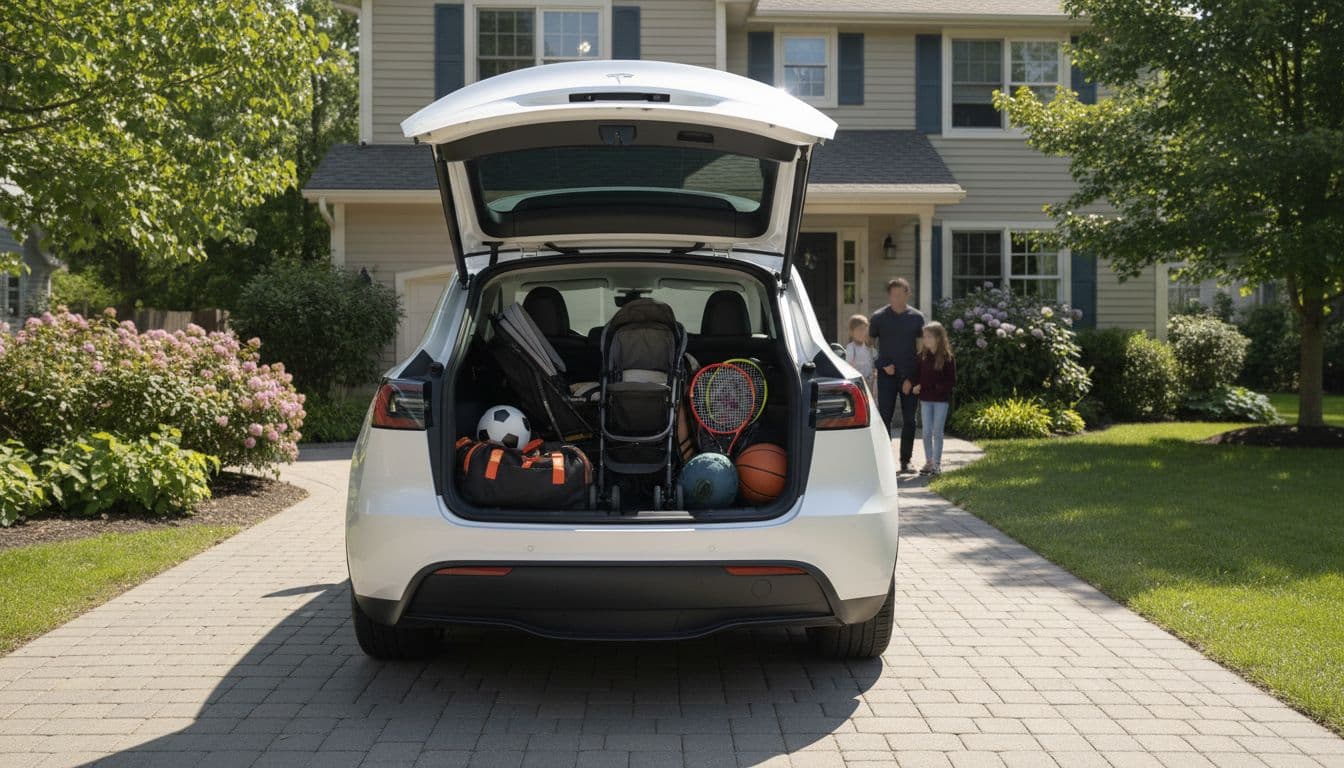
That matters if you deal with strollers, sports bags, dogs, coolers, or airport runs. Some versions also offer an optional third row, which can help in a pinch for larger families. On top of that, the Model Y can tow up to 3,500 pounds in the US, while the Model 3 has no towing rating.
The Model 3 carries people well. The Model Y carries people, plus their stuff, much better.
So if your weekends involve more than a backpack and a coffee, the Model Y starts to make more sense.
Price, range, and charging, where the Model 3 usually gives you more for less
Tesla keeps moving prices, so exact numbers can shift. Still, the pattern in April 2026 is clear. The Model 3 remains the better value buy, while the Model Y asks for a bit more in exchange for added space and usefulness.
Both use Tesla’s fast-charging network, and both charge quickly enough that day-to-day ownership feels similar for most people. The bigger split is efficiency.
Starting price and trim value, what you get for the extra money
Based on current 2026 US pricing, the Model 3 RWD starts at about $38,990. The Model Y RWD starts around $39,990. That base gap is smaller than many shoppers expect.
Even so, the Model 3 still tends to look better on value. You’re getting the same core Tesla experience, similar cabin tech, and strong range for less money. Higher trims usually keep that pattern too, with the Model 3 staying cheaper than an equivalent Model Y.
In other words, the Model Y premium mostly buys height, cargo room, and flexibility. It doesn’t buy a huge jump in software or battery tech. For another side-by-side on pricing and trims, TrueCar’s comparison page is useful.
Range and charging speed, close enough for most drivers
Range matters, but the gap here is smaller than internet arguments make it seem. The 2026 Model 3 RWD and Model Y RWD are both rated around 321 miles EPA. In longer-range forms, the Model 3 usually keeps a slight edge. Recent data shows the Model 3 Long Range at roughly 363 miles, versus about 357 miles for the Model Y equivalent.
Charging speed is also close. Base versions peak around 225 kW, while higher trims can reach about 250 kW. So at a Tesla fast charger, both recover range quickly enough for normal road-trip stops.
Real-world results still favor the Model 3 a bit because it slices through air more cleanly. That means slightly better efficiency, especially at highway speed. Still, weather, wheel size, speed, and terrain can swing those numbers more than many buyers think. For most drivers, both go far enough. The Model 3 simply squeezes a bit more distance from the same stop.
How they drive, comfort, speed, and real-world performance
Both cars are quick. Even the slower trims feel faster than many gas cars people move out of. The real difference is character.
The Model 3 is the sharper tool. The Model Y is the easier companion.
Model 3 is the better pick if you care about quick handling and a fun drive
Because it’s lower and lighter, the Model 3 feels more planted in corners and more eager off the line. Steering inputs feel cleaner, and the car responds faster when you change lanes or set up for a turn.
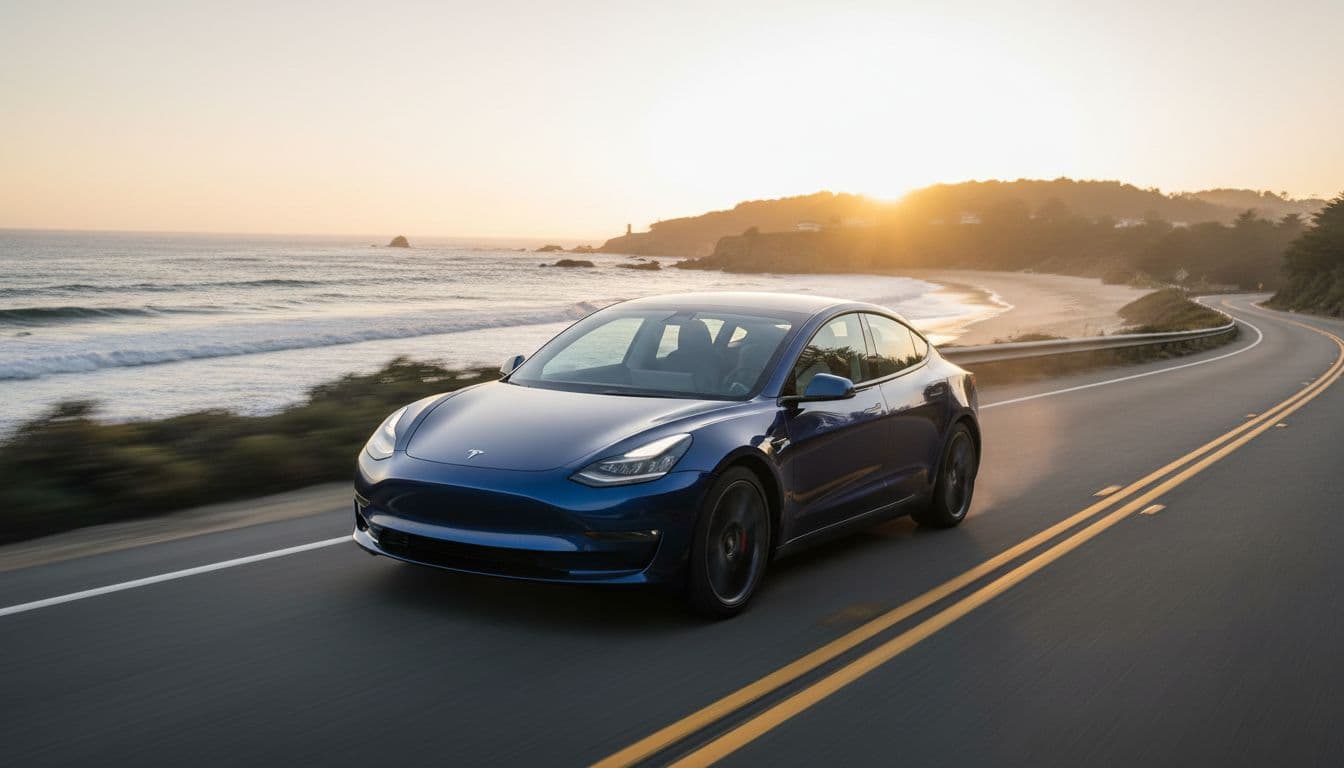
That difference shows up in the numbers too. The 2026 Model 3 Performance can hit 0 to 60 mph in about 2.9 seconds, and that’s supercar-fast territory. Some tests also show shorter braking and a more playful chassis than the Model Y. If you care about back-road feel, that matters. Tesla’s Track Mode also gives enthusiasts more to work with.
For buyers who rank driving enjoyment high, iSeeCars comparison data supports the same basic story: the Model 3 wins on efficiency and driver appeal.
Model Y feels more relaxed, with better visibility and easier everyday comfort
The Model Y gives back some sportiness, but it replaces it with comfort that many drivers prefer. The higher seat makes entry and exit easier. Visibility feels better in traffic. You also get a stronger sense of space around you, which can reduce stress on busy roads.
That’s why many owners say the Model Y feels calmer in daily use. It’s still quick, especially in faster trims. A Model Y Performance remains seriously fast. Yet it doesn’t invite you to attack corners the same way the Model 3 does.
If you drive with kids in back, carry bulky gear, or spend lots of time on rough suburban roads, that trade can feel worth it.
Choose the Tesla that matches your lifestyle, not just the spec sheet
This is where the decision gets easier. Don’t buy the taller car because it looks more practical. Don’t buy the sedan because internet comments say it’s the “better driver’s car.” Buy the one that matches what your week actually looks like.
Buy the Model 3 if you want the best mix of value, range, and sporty feel
The Model 3 is the better fit if your life is mostly about driving people, not hauling stuff.
- You want the lower price and better efficiency.
- You care about range and don’t want to pay extra for SUV shape.
- You drive in cities or tight parking areas often.
- You enjoy a sharper, more connected feel from behind the wheel.
- You rarely need big cargo space or towing.
For many singles, couples, and commuters, that makes the Model 3 the smarter buy. This 2026 buyer-focused comparison lands in the same place.
Buy the Model Y if space, seat height, and utility matter more every day
The Model Y is the right answer when your car has to do more than move you to work.
- You want easier entry and a more upright seating position.
- You carry kids, pets, strollers, or sports gear often.
- You take more road trips and need flexible cargo room.
- You may want the optional third row in some configurations.
- You need towing, because the Model Y is rated for 3,500 pounds.
If those needs are real, the higher price makes sense. You’re not paying for flash. You’re paying for usefulness you’ll notice every morning.
The fast answer is still the best one. The Model 3 is usually the better value, and it’s more fun to drive. The Model Y is the better fit for buyers who need space, easier access, and more day-to-day flexibility.
So here’s the clean takeaway. If you mostly drive people, pick the Model 3. If you often drive people plus stuff, pick the Model Y.
That one sentence will settle this choice for most shoppers faster than any spec sheet.

 admin
admin