 admin
adminShopping for a used car in 2026 still takes patience. Prices have cooled from their peak, but solid cars under five figures don’t sit around for long. The hard part isn’t finding a cheap car. It’s finding a cheap car that won’t turn into a money pit two weeks later.
That’s why the best cars 10k and under are usually simple, proven compact cars. Think Toyota Corolla, Honda Civic, Mazda3, Hyundai Elantra, Honda Fit, and Toyota Prius. Some Ford Focus models can work too, but only if you shop carefully. This guide keeps it practical, with the stuff that matters most: reliability, safety, fuel costs, repair risk, and daily usefulness.
What matters most when buying a used car under $10,000
Start with total cost, not the sticker price. A $7,500 car that needs tires, brakes, and suspension work is often worse than a $9,200 car with records and fresh maintenance. In March 2026, clean compact sedans and hatchbacks are still in demand, so the cheapest listing is rarely the best value.
Reliability history matters, but the individual car matters more. Mileage counts, yet it doesn’t tell the whole story. A well-kept 120,000-mile Corolla can be a safer buy than a neglected 80,000-mile car with no paper trail. Safety matters too, because older budget cars vary a lot in crash protection and stability control.
If you want a broader snapshot of dependable budget picks, U.S. News’ reliable used cars under $10,000 list is a helpful cross-check. Still, any ranking is only a starting point. The best used car is the one with a clean history, fair price, and proof that someone cared for it.
Look for service records, not just low miles
Service records can tell you more than the odometer. Look for regular oil changes, brake work, tire replacements, coolant service, and transmission service when the maker calls for it. Those records show a pattern of care, and patterns matter.
Also check the vehicle history report for accidents, title problems, flood damage, or long gaps in ownership. If the seller says, “I’ve never had an issue,” but has no receipts, treat that like a yellow light. Paperwork builds trust. Stories don’t.
Pick safety and fuel economy before extra features
Fancy wheels and a sunroof won’t help when repair bills land. Instead, focus on basics like electronic stability control, anti-lock brakes, strong crash-test results, and real-world fuel savings. Those features make the car cheaper to live with and safer to drive.
A budget used car should do three things well: start every day, protect you in traffic, and avoid draining your wallet at the pump. If it does that, you can live without heated seats.
Best cars 10K and under that still make sense in 2026
The strongest choices are compact sedans and hatchbacks with long track records. That’s why the best cars under 10000 usually come from brands with deep parts support and simple drivetrains. A recent iSeeCars ranking of used cars under $10k also points buyers toward practical, safety-minded models rather than flashy bargains.
Toyota Corolla and Honda Civic, the safest all-around bets
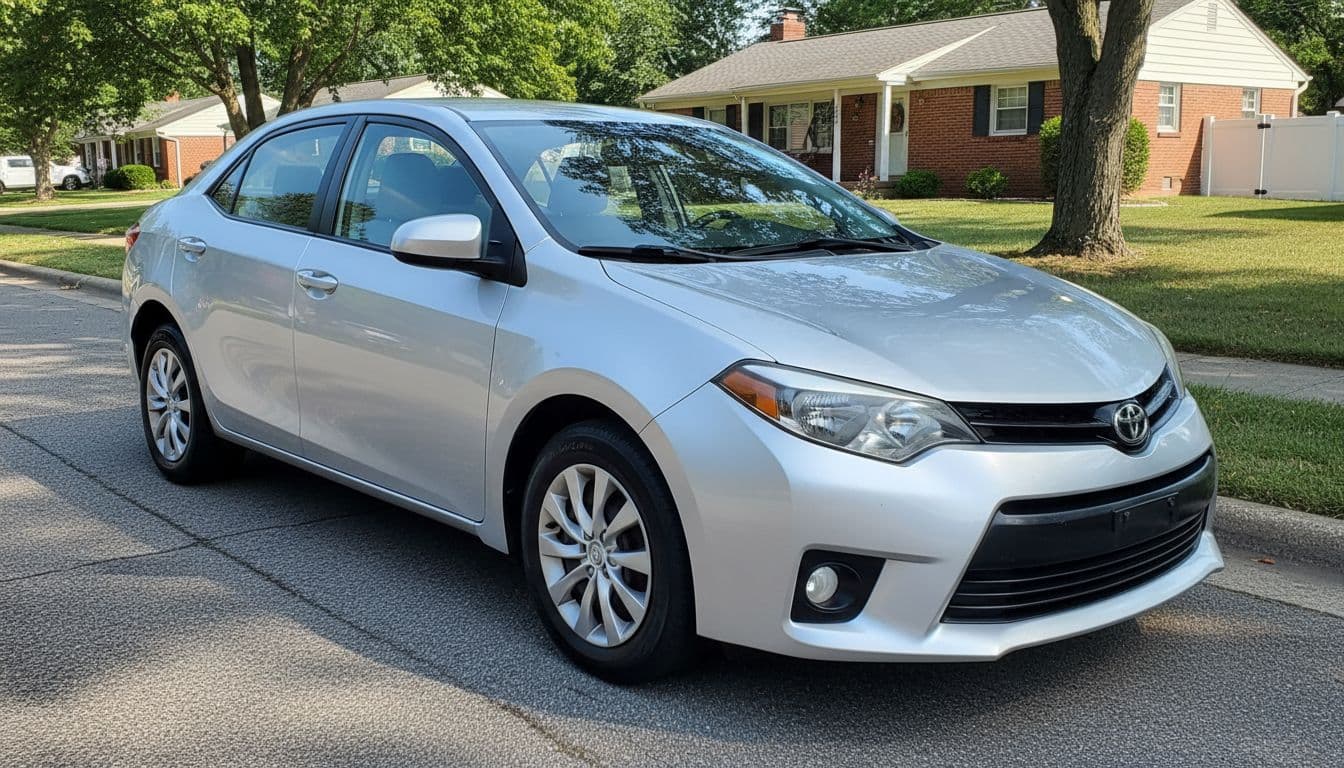
For most shoppers, the Toyota Corolla and Honda Civic are still the easiest answers. Good examples often land in the late 2000s through mid-2010s range, depending on mileage and trim. A 2014 Corolla remains a common under-$10,000 target, while 2012 and 2014 Civics still show up in budget-friendly territory.
Why do buyers keep coming back to them? Because they’re hard to kill, cheap to fuel, easy to resell, and simple to service. Parts are everywhere, and most mechanics know these cars well. That lowers stress after the sale.
Clean examples move fast, though. If you want a sense of current inventory, used Honda Civic listings under $10,000 show how quickly price, mileage, and condition change from market to market.
The catch is simple: these cars hold value because everyone knows they’re good. So don’t skip the inspection just because the badge feels “safe.”
Mazda3 and Hyundai Elantra, better value if you want more for the money
If Corolla and Civic pricing feels too firm, look at the Mazda3 and Hyundai Elantra. These often give you more car for the same budget. The Mazda3 adds sharper steering and a more connected feel on the road, which makes commuting a little less dull. It’s a practical car with some personality.
The Elantra usually wins on year-for-dollar value. In the current market, 2016 Elantras average about $8,965, and 2017 models can still show up under $10,000 depending on mileage and location. That means you may get newer styling, more features, and solid safety for less money than a similar-year Civic or Corolla.
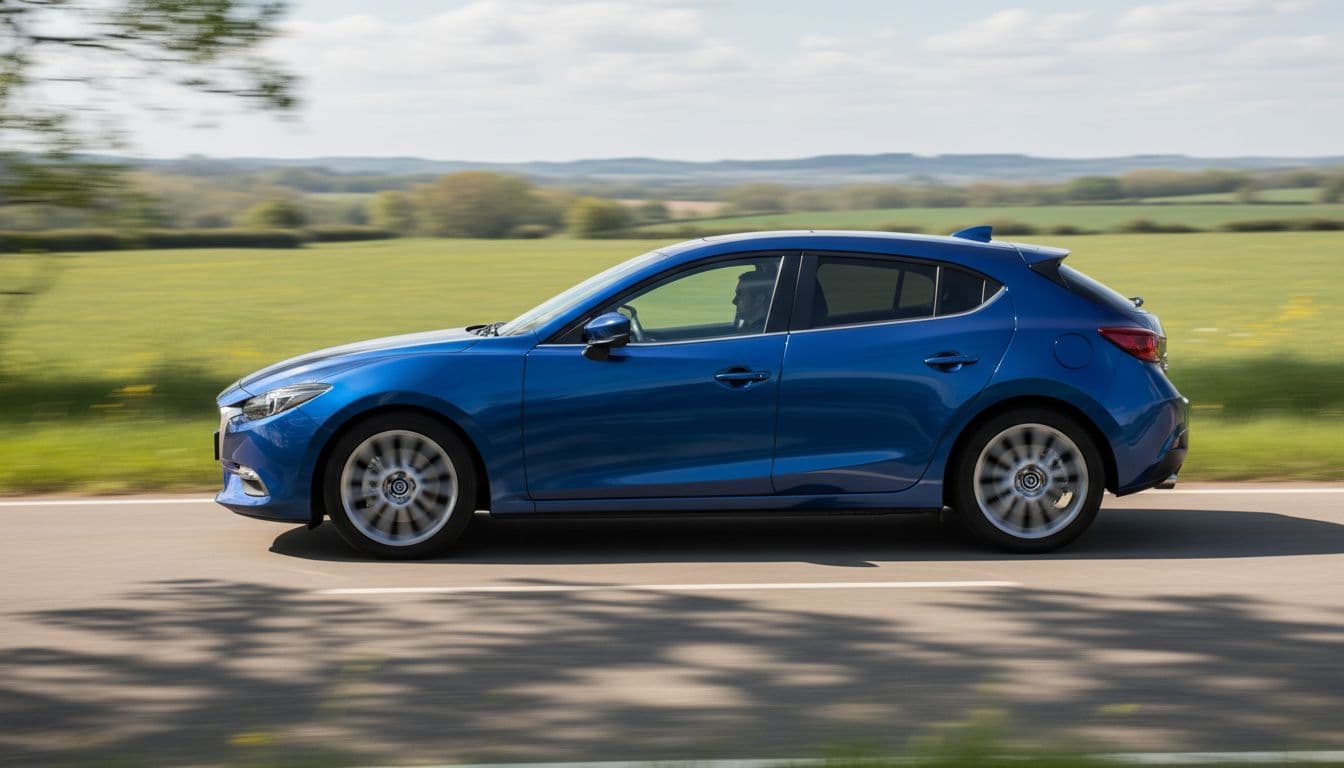
Neither car has the same bulletproof reputation as an old Corolla, but both make strong daily drivers when they’ve been maintained well. For buyers who want value without dropping into sketchy territory, this pair deserves a close look.
Honda Fit and Toyota Prius, smart picks for space or gas savings
The Honda Fit is like a small apartment on wheels. From the outside, it looks tiny. Inside, it carries people, groceries, and awkward cargo far better than most small cars. It’s easy to park, easy to see out of, and cheap to run. For city drivers, that combo is hard to beat.
The Toyota Prius works best for long commutes and heavy mileage. If you spend a lot on gas each month, a used Prius can pay you back over time. Older models often fit under $10,000, but there’s one rule here: check hybrid battery health before buying. A strong pre-purchase inspection matters even more with a hybrid than with a basic gas sedan.
Ford Focus can be a deal, but only if you buy carefully
The Ford Focus can tempt smart shoppers for one reason: price. Hatchback models, in particular, are roomy, fuel-efficient, and nicer to drive than many cheap compact cars. You may find newer model years for the money than you would with a Corolla or Civic.
Still, caution comes first. Some Focus models had well-known automatic transmission trouble, so maintenance records and driving feel matter a lot. If the car hesitates, shudders, or shifts strangely, walk away. A carefully chosen Focus can be a deal. A rushed one can eat your budget.
How to compare your top choices before you hand over cash
Once you’ve got a shortlist, match the car to your life. Don’t buy a Prius just because fuel economy sounds great if you only drive short city trips. Don’t buy a Fit for weekend road trips with four adults if cabin comfort matters more than cargo tricks.
This quick guide helps narrow the field:
| Best fit | Good choice | Why it works |
|---|---|---|
| Daily all-around use | Corolla or Civic | Reliable, easy to sell, low drama |
| Long highway commute | Prius | Great fuel savings over time |
| Tight city parking | Fit | Small footprint, huge usable space |
| Better driving feel | Mazda3 | More fun without losing practicality |
| Newer features on budget | Elantra | Often newer for the money |
A wider round-up like InsuredBetter’s 2026 picks under $10,000 can also help if you want a second opinion before calling sellers.
Match the car to your daily life, commute, and repair budget
Think in plain terms. If you want dependable transport with few surprises, a Corolla or Civic is the safe lane. If you drive 20,000 miles a year, a Prius can cut fuel costs enough to matter. A Fit works well for urban life, college students, and anyone who hauls more stuff than people expect. Meanwhile, the Mazda3 suits drivers who care about road feel, and the Elantra fits shoppers who want newer features without stretching the budget.
Always get a pre-purchase inspection and vehicle history report
This step can save you thousands. Have an independent mechanic check for frame damage, leaks, rust, warning lights, poor tire wear, weak brakes, and signs of skipped service. Also pull a vehicle history report and compare it to what the seller says.
If a seller won’t allow an inspection, walk away.
That single rule filters out a lot of bad cars fast. Cheap paint can hide a lot. A good mechanic won’t be fooled.
Common mistakes that turn a cheap car into an expensive problem
The biggest mistakes aren’t flashy. They’re usually simple choices made too fast.
Buying the lowest price instead of the best value
A bargain can become a trap in one afternoon. Maybe it needs four tires, front brakes, a battery, and a wheel bearing. Suddenly your “deal” costs $1,500 more. Worse, a cheap car with engine or transmission trouble can wipe out the whole reason you set a $10,000 budget in the first place.
Leave room for first-month work. Even a good used car may need fluids, filters, or a fresh set of tires.
Ignoring ownership costs after the sale
The sale price is only the front door. You still have insurance, taxes, registration, fuel, and routine service. Some cars also need pricier tires or premium fuel, which chips away at the value story.
The right used car is the one you can afford to keep. That’s why the best cars 10k and under are usually modest, efficient, well-known models, not bargain-bin luxury cars with mystery warning lights.
A smart budget car should feel boring in the best way. It starts, runs, and stays out of your bank account.
Choosing from the best cars under 10000 doesn’t have to feel like a gamble. In 2026, the safest bets are still well-kept Corolla, Civic, Mazda3, Elantra, Fit, and Prius models, with the Focus as a careful-value option. Stay patient, compare a few strong candidates, and judge the car in front of you, not just the badge or the price. Most of all, never skip the inspection. That one step often decides whether your next cheap car feels like a win or a warning sign.

 admin
admin