 admin
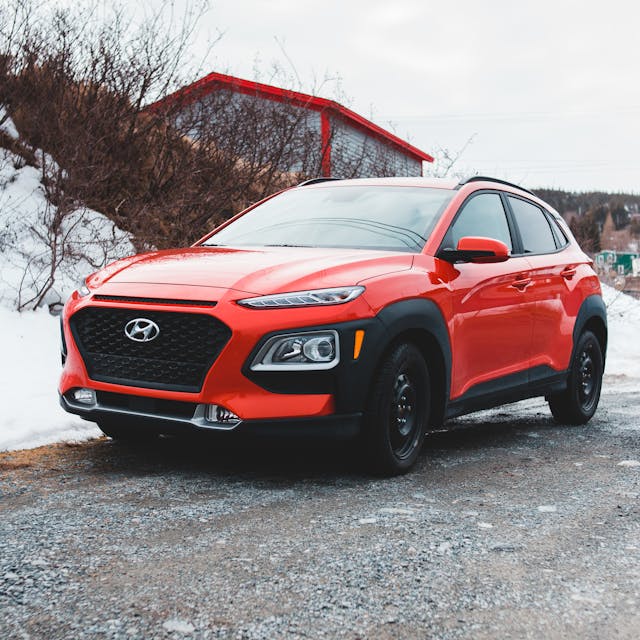
adminCompact SUVs still own the middle ground in 2026. They give you useful cargo space, solid fuel economy, strong safety scores, and a ride that feels easy in traffic and parking lots. For a lot of people, that mix beats both a sedan and a larger SUV.
The hard part is simple: there is no single best used compact SUV for everyone. A family with two car seats needs something different from a solo commuter. A driver in Florida shops differently than one in Colorado. Price also shifts fast based on mileage, trim, condition, and local demand.
This guide keeps it simple. You’ll see which used compact SUVs stand out, where each one fits best, and how to avoid the kind of used-car mistake that follows you home.
What makes a used compact SUV worth buying in 2026
A good used compact SUV should do more than look clean on a lot. It should have a strong track record, reasonable running costs, and the features you’ll use every day. That means reliability history matters first. After that, look at fuel economy, cargo room, comfort, safety tech, and resale value.
A low sticker price can fool people. A cheaper SUV with weak maintenance history can turn into a money pit fast. Tires, brakes, suspension parts, and overdue fluid service add up. So, the best value is rarely the cheapest one.
In 2026, newer used models also make more sense than they did a few years ago. Many 2020 and newer compact SUVs include more standard driver aids, better crash protection, and more refined cabins. If you want a broader look at how this class stacks up, Car and Driver’s used compact SUV picks offer helpful context.
Focus on reliability first, then features
Fancy screens are nice. A quiet engine and fewer repair bills are better.
That’s why the usual standouts keep showing up on shortlists: Toyota RAV4, Honda CR-V, Subaru Forester, Mazda CX-5, and Hyundai Tucson. These models have long sales histories, wide mechanic familiarity, and strong support from owners, reviewers, and resale markets.
If two SUVs cost about the same, pick the one with the better reliability record and cleaner service history. Heated seats won’t help much if the transmission starts acting up six months later.
Look for the sweet spot in model years
For many shoppers, 2020 and newer is the smart middle lane. You still avoid new-car pricing, but you often gain better standard safety gear like automatic emergency braking, lane-keeping support, and blind-spot monitoring on more trims.
Still, older examples can be smart buys. A well-kept 2018 or 2019 model with complete records may beat a newer SUV that missed oil changes and lived a rough rental-car life. In other words, year matters, but care matters more.
Best used compact SUV models to put on your shortlist
These five models cover most buyers well. Each has a clear strength, and each has a few caution points.
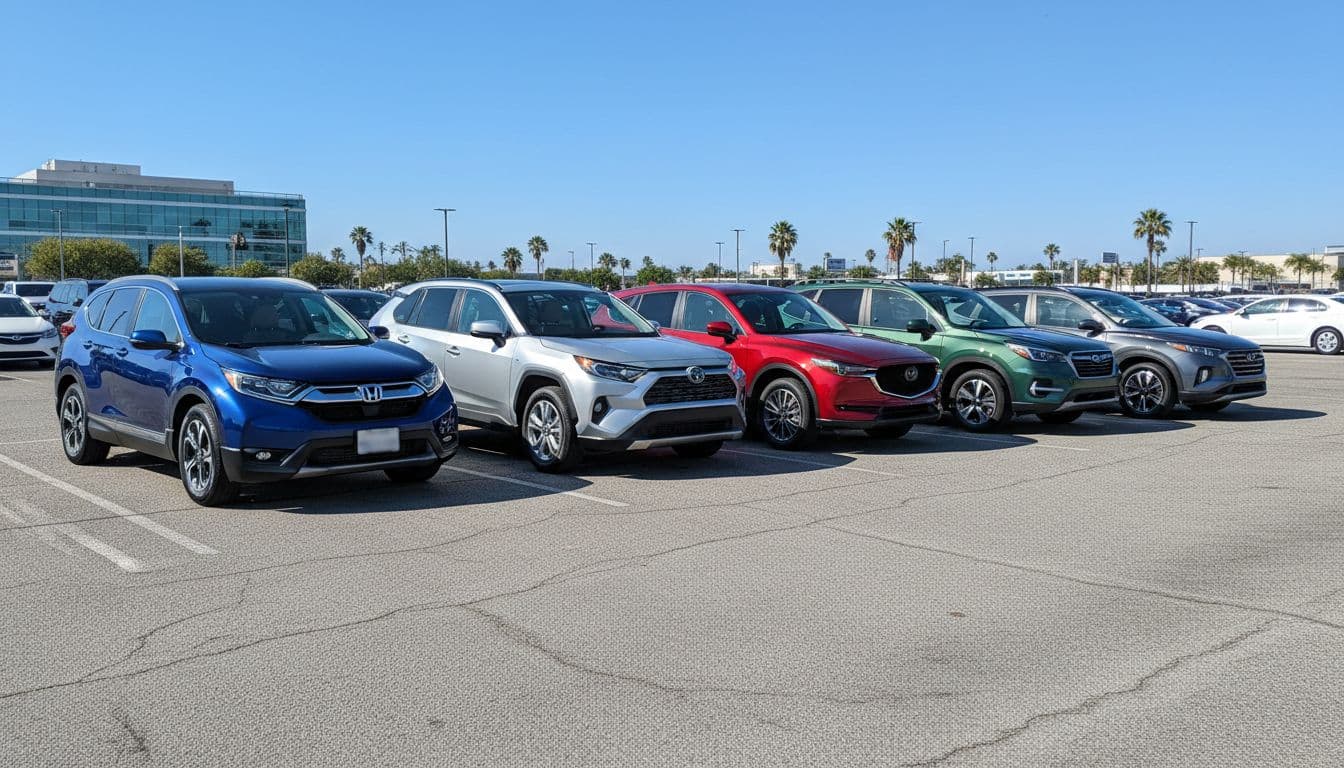
Here’s a quick side-by-side view before the deeper breakdown.
| Model | Best for | Main strength | Watch for |
|---|---|---|---|
| Honda CR-V | Most buyers | Space, efficiency, easy ownership | Price can stay high |
| Toyota RAV4 | Long-term keepers | Reliability and resale | Firm used pricing |
| Mazda CX-5 | Drivers who want comfort | Cabin quality and handling | Less cargo room |
| Subaru Forester | Snow-belt shoppers | Standard AWD and visibility | Compare maintenance history closely |
| Hyundai Tucson | Budget-focused buyers | Features for the money | Trim differences matter a lot |
The takeaway is simple: there isn’t one winner for every driveway, but there are several very safe bets.
Honda CR-V, the best all around pick for most buyers
The CR-V is hard to beat because it does almost everything well. It has a roomy back seat, useful cargo space, and fuel economy that stays friendly to your wallet. Around town, it feels light and easy. On a long highway run, it stays calm and comfortable.
For families, it’s one of the safest easy recommendations. For commuters, it doesn’t feel clumsy. For resale, it usually holds value well. That broad appeal is why many shoppers land here first.
Recent market guidance in March 2026 points many buyers toward a 2021 CR-V if the budget tops out around $25,000, though price depends heavily on miles and trim. If you want to compare stronger and weaker years, this Honda CR-V reliability guide is a useful starting point.
Toyota RAV4, a smart buy if you want long term dependability
The RAV4 is the refrigerator of this group, and that’s a compliment. It’s dependable, practical, and built for long ownership. Buyers who want one SUV to keep for years often feel at home here.
Used prices stay firm because demand stays high. That can sting up front, but it also helps later if you sell or trade. Hybrid versions can save more on gas, especially for city driving, though they usually cost more on the used market.
If you’re stuck between the two class leaders, this CR-V vs. RAV4 comparison helps show where each one fits better.
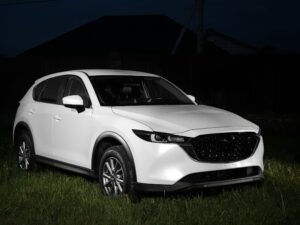
Mazda CX-5, the right choice if you care about comfort and driving feel
The CX-5 is for shoppers who want a compact SUV that feels less basic. The cabin looks and feels a step nicer than many rivals. Steering is sharper, the ride feels more tied down, and the whole vehicle seems more polished.
That said, the CX-5 gives up a bit of cargo room compared with the CR-V and Forester. If you carry strollers, sports gear, or luggage often, compare the rear space in person. Still, if your daily drive matters as much as your monthly payment, this one deserves a serious look.
Subaru Forester, a strong used compact SUV for snow and bad weather
The Forester wins shoppers over with confidence. Standard all-wheel drive is the big reason, but it’s not the only one. The boxy shape helps with cargo space, and visibility is excellent. In bad weather, that combo feels reassuring instead of stressful.
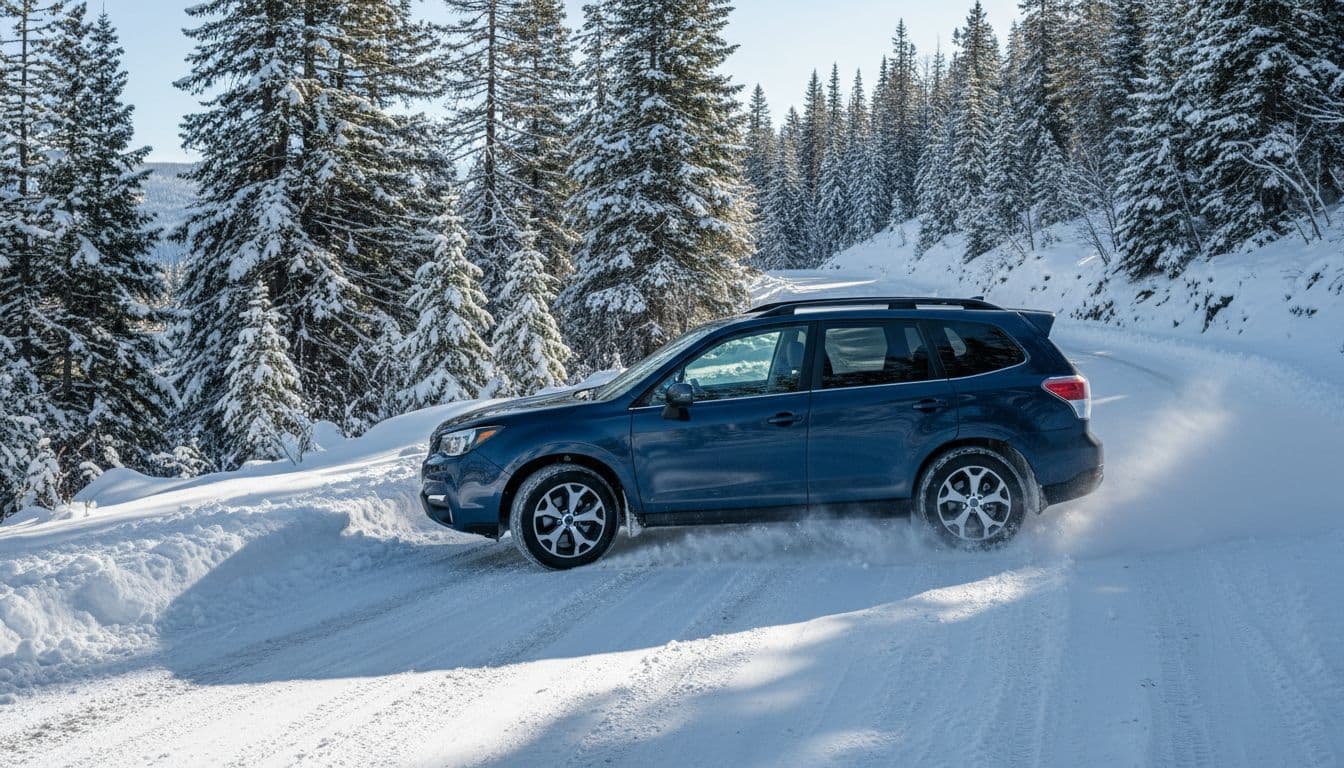
For drivers in snowy states, the Forester often makes more sense than a front-wheel-drive rival on all-season tires. It’s also a good fit for people who want easy entry, upright seating, and a practical shape. Before buying, it helps to review Autotrader’s used Subaru Forester advice, especially if you’re comparing several model years.
Hyundai Tucson, one of the best value buys on the used market
The Tucson is the deal hunter’s pick. It often gives you more equipment for the money, and that matters when every thousand dollars counts. Features that cost extra on rivals may show up sooner on a Tucson trim.
The 2022 redesign made the Tucson feel more modern and roomier, so those models attract buyers who want newer styling and tech without paying new-car money. At the same time, 2021 models are often strong value picks around or under $20,000, depending on mileage and condition. Just compare trim content carefully, because one Tucson can feel loaded while another feels pretty bare.
How to compare price, mileage, and value before you buy
Used SUV pricing in March 2026 still moves around a lot. Year matters, but mileage, trim, accident history, tires, and local supply can shift the price by thousands. That’s why one 2021 compact SUV may look like a steal while another, on paper, seems wildly overpriced.
Recent market data shows many 2020 to 2023 compact SUVs land somewhere between the mid-teens and upper-$20,000s, depending on the model. A 2021 Tucson often draws budget buyers under about $20,000. A 2021 CR-V often sits under about $25,000. Newer CR-Vs and RAV4s usually live in higher price bands because demand stays strong. Broad used compact SUV rankings from U.S. News can help you judge whether a higher asking price lines up with a stronger overall vehicle.
When paying more for a newer model actually saves money
A newer SUV can cost more today and still save money later. That sounds backward, but it happens all the time.
Say you choose between an older compact SUV for $17,000 and a cleaner, newer one for $22,000. If the older one needs tires, brakes, a battery, and suspension work in the first year, the gap shrinks fast. Add better safety tech and stronger resale value on the newer SUV, and the higher price can make more sense.
The cheapest used SUV on the lot is often the most expensive one to own.
Also, used SUV payments are still much lower than new in 2026. Recent market data puts the average used SUV payment in the mid-$500s a month, while new SUV payments are far higher.
Why a clean history report is not enough on its own
A history report helps, but it’s only part of the story. It may show accidents, title issues, and ownership records, yet it can’t tell you how well the last owner treated the vehicle every day.
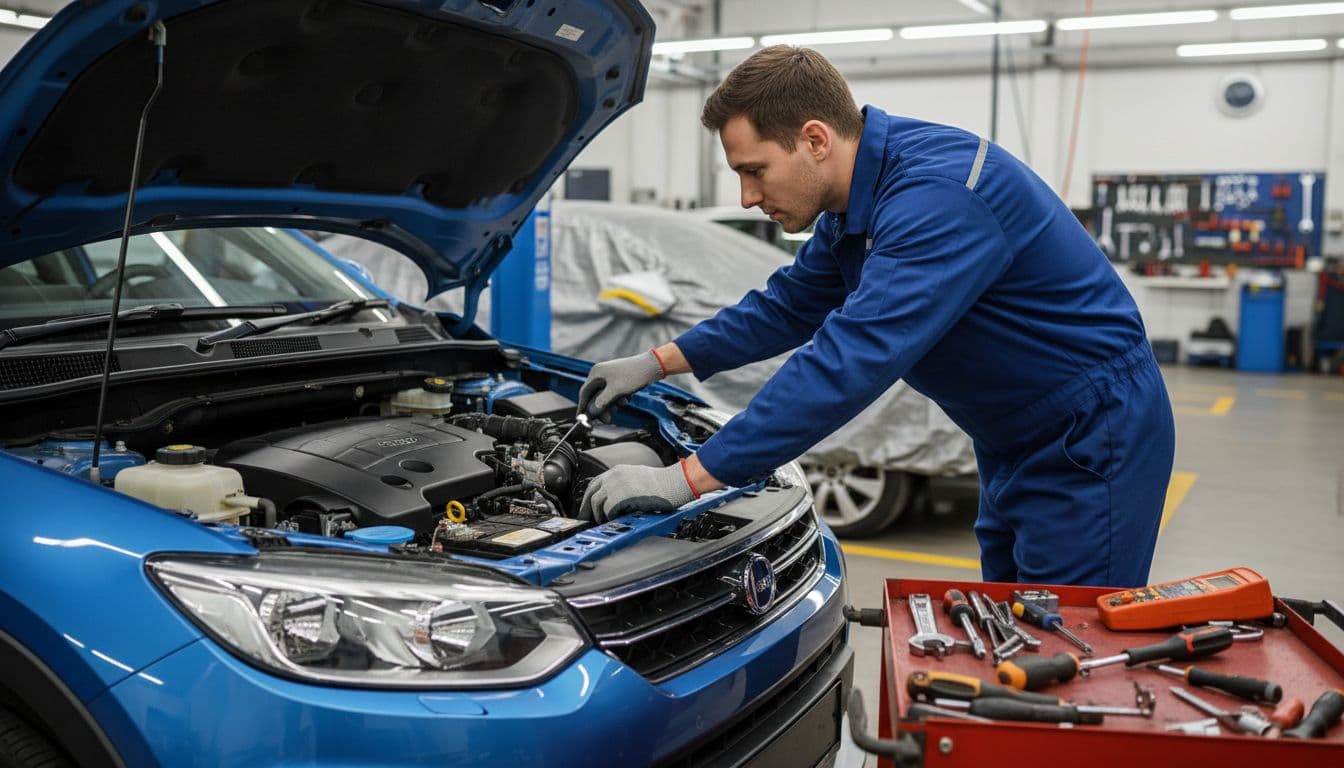
Look at service records. Check tire wear for signs of poor alignment. Ask about brake life. Inspect the cabin for neglect. Then pay for a pre-purchase inspection from a mechanic you trust. That one step can save you from buying someone else’s problem with shiny paint.
The used SUV buying checklist that helps you avoid regrets
Research matters, but action matters more once you start shopping. Keep your process tight, and don’t let a clean detail job make the decision for you.
Questions to ask the seller or dealer before signing anything
Use plain questions and wait for clear answers:
- Can I see the service records? Oil changes and routine maintenance tell a big story.
- Is the title clean? Salvage or rebuilt titles change value and risk.
- Has it had accident repairs? Ask what was repaired, not just whether it was in a crash.
- Are there any open recalls? Recalls should be fixed before you buy.
- How many keys come with it? Replacing smart keys can be expensive.
- How old are the tires and how much tread is left? Old tires add surprise cost.
- What shape are the brakes in? Pads and rotors can mean a four-figure bill.
- Has major maintenance been done? Ask about fluids, spark plugs, belts, and battery age.
The best used compact SUV is the one that fits your real life
If you want the best all-around choice, start with the CR-V. If long-term dependability matters most, lean toward the RAV4. Want a nicer cabin and better road feel? The CX-5 stands out. Need all-weather confidence? The Forester earns its place. Trying to stretch your budget without settling? The Tucson is usually the first one to price-check.
That’s the real answer. The best used compact SUV isn’t the one with the loudest praise online. It’s the one that matches your budget, commute, weather, and daily mess.
Several compact SUVs make excellent used buys in 2026, and none of them are wrong picks when the condition is right. Narrow your list to two or three models, test drive each one, and compare the actual vehicle, not just the badge. Most of all, get a pre-purchase inspection before you sign anything. That small step is still the smartest money you can spend.

 admin
admin