 autovalix_krexlg
Shopping the tesla model y vs model 3 question can feel oddly tricky. On paper, these two EVs look close. In real life, they serve different people.
The Model 3 is the lower, lighter sedan. The Model Y is the taller crossover with more room and a hatchback. Both share much of Tesla’s software, charging network access, and familiar minimalist cabin. So the real choice isn’t about which one is “better” in general. It’s about what fits your budget, your cargo needs, your comfort preferences, and how you like a car to feel on the road.
This comparison keeps the hype out of the way. If you’re deciding between sporty efficiency and extra space, here’s the practical answer.
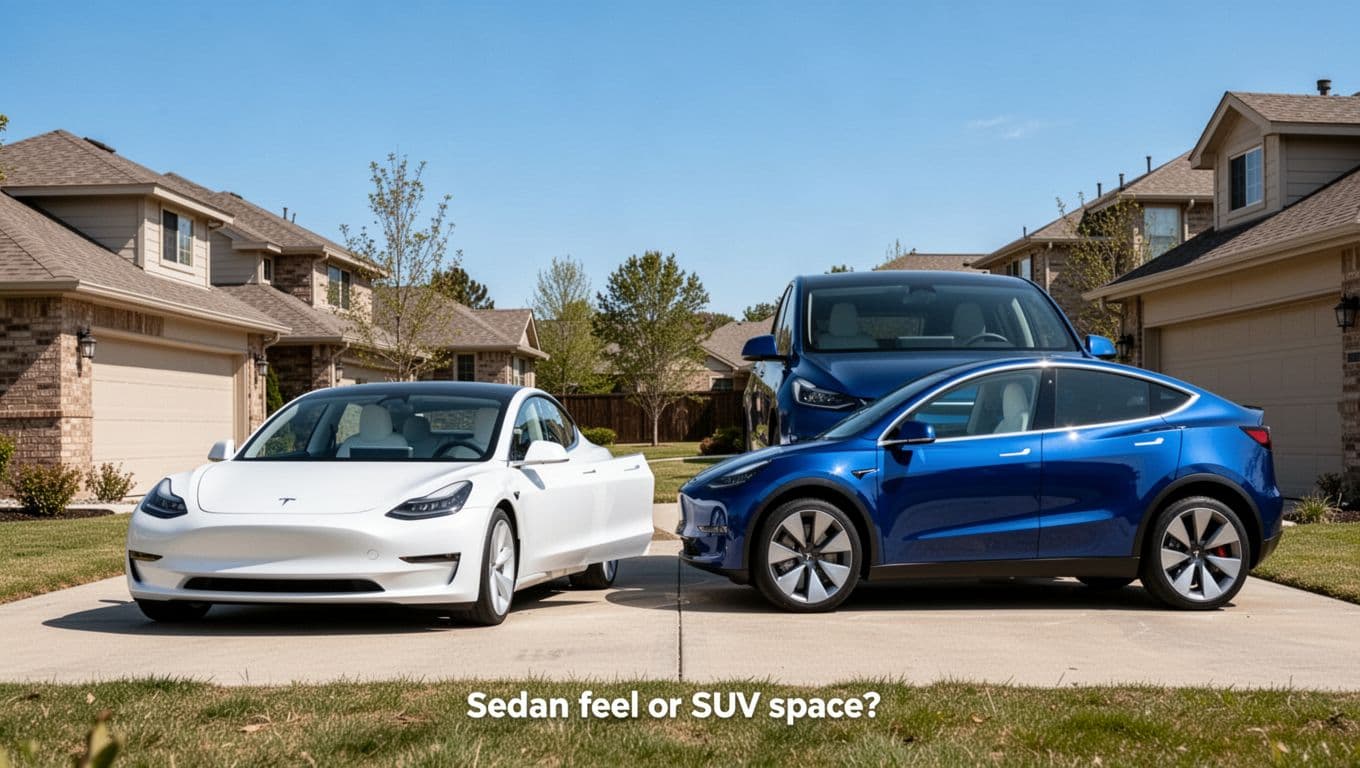
Start with the biggest difference, sedan feel or SUV space?
This is where most buyers decide, even before they admit it. The Model 3 feels like a car. The Model Y feels like a small SUV. That changes almost everything you notice each day.
The Model 3 sits lower, so you drop into the seat more than step in. It feels tighter to the road, and the view out is more sedan-like. By contrast, the Model Y gives you a higher seating position, easier entry, and a more relaxed look over traffic. For many drivers, that alone is worth the price jump.
Why the Model 3 feels lower, lighter, and more fun to drive
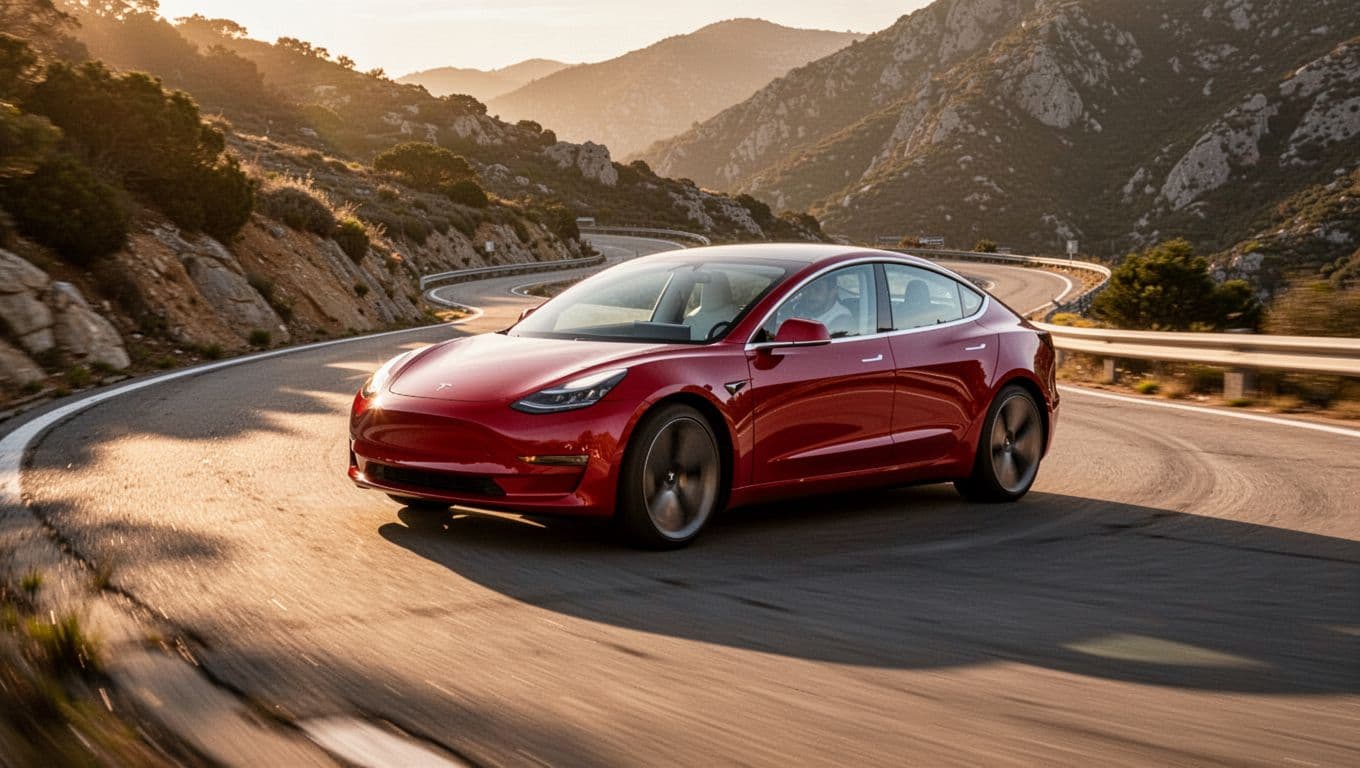
The Model 3 suits drivers who like a more connected feel. It turns in quicker, feels smaller in town, and carries less visual bulk. That matters in parking lots and on winding roads.
Solo drivers and couples often prefer it because it feels less like an appliance and more like a car you want to take the long way home in. It also has plenty of usable space, but it doesn’t pretend to be a family hauler first.
Why the Model Y is easier to live with for families and bigger cargo
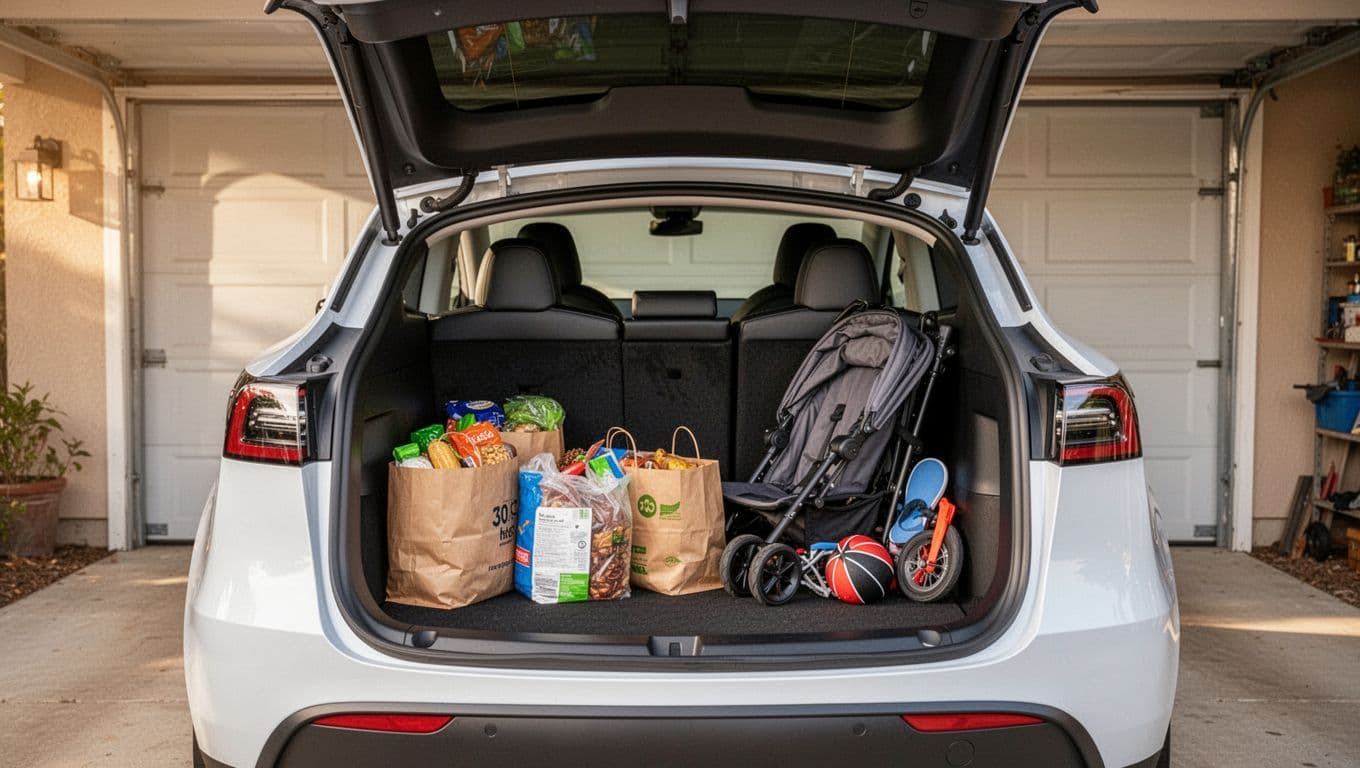
The Model Y wins the daily-use test for many households. Its hatchback opening is much more useful than a sedan trunk, especially for strollers, dog crates, bulky grocery runs, and weekend gear. Current cargo figures put the Model Y at about 30 cubic feet behind the rear seats and 76 cubic feet with seats folded, versus about 23 cubic feet and 43 cubic feet in the Model 3.
If your life includes car seats, pets, or big Costco runs, the hatch matters more than you think.
As of March 2026, Tesla isn’t listing a third-row option on these models in the US. If you want a quick specs snapshot, TrueCar’s Model 3 vs. Model Y comparison is a helpful side reference.
Price, range, and value, where each model makes the most sense
Price is the next big divider. In the US, the Model 3 still starts lower. Recent Tesla pricing has put the base rear-wheel-drive Model 3 around $36,990 before destination, while the Model Y RWD has been around $39,990 before destination. With destination and order fees included, current totals are about $38,630 for Model 3 RWD and $41,630 for Model Y RWD.
Here’s the quick side-by-side view:
| Model | Starting price with fees | EPA range | 0 to 60 mph | Cargo behind rear seats |
|---|---|---|---|---|
| Model 3 RWD | $38,630 | 321 miles | 5.8 sec | 23 cu ft |
| Model Y RWD | $41,630 | 321 miles | 6.8 sec | 30 cu ft |
| Model 3 Long Range AWD | $49,130 | 363 miles | 4.6 sec | 23 cu ft |
| Model Y Long Range AWD | $50,380 | 327 miles | 4.6 sec | 30 cu ft |
The takeaway is simple: the Model 3 asks for less money, while the Model Y charges a modest premium for a lot more versatility.
Model 3 usually costs less up front and stretches each charge a bit further
The efficiency story favors the Model 3. It weighs less, cuts through the air better, and usually gives you more miles per charge for the money. The strongest example is the Long Range AWD Model 3, which currently reaches an EPA-estimated 363 miles. That’s a strong number for a car this quick.
Tesla has also shuffled trim names and entry pricing lately. If you want context on those recent changes, MotorTrend’s coverage of Tesla’s 2026 entry models explains the shift.
Model Y can be the better value if you need room, flexibility, and easier access
Sticker price isn’t the whole story. If the Model Y saves you from wanting a bigger vehicle in two years, it may be the smarter buy. Families feel that first. Older drivers often do too, because the taller seat height is easier on knees and hips.
The extra spend also buys easier loading, more headroom, and a body shape that handles messy real life better. In other words, the Model Y can feel like the more expensive car on paper and the more sensible car in your driveway.
Performance and comfort, quick either way, but not the same experience
Neither of these Teslas is slow. Even the basic trims feel quick in daily traffic, and the faster versions can embarrass cars that cost much more. Still, they don’t deliver speed in the same way.
The lighter Model 3 is sharper. The heavier, taller Model Y is calmer. That’s the heart of it.
Choose Model 3 if sharp handling and a sporty feel matter most
The Model 3 changes direction with more confidence, and it generally feels more playful. You notice that in corners, quick lane changes, and even simple on-ramp merges. It also tends to post better braking and handling results because it carries less mass and sits lower.
Performance trims widen that gap. The current Model 3 Performance hits 0 to 60 mph in about 2.9 seconds, which is supercar-fast territory. Yet the bigger difference isn’t the launch number. It’s the way the car feels tied down and eager.
A lot of owner-focused comparisons land in the same place, and this buyer-friendly breakdown from Greenmount Motors makes that point clearly.
Choose Model Y if you want speed with a calmer, more comfortable ride
The Model Y is still seriously quick. The Performance version reaches 60 mph in about 3.3 seconds, which is more than enough to pin you to the seat. Yet its charm isn’t only about acceleration.
It rides with a softer, less busy feel on rough pavement. You sit higher, see more, and feel less crouched. For long drives, school runs, and mixed road quality, that can matter more than a sharper front end. The Model Y doesn’t feel as athletic, but it often feels easier.
Tech, charging, and everyday ownership, what is actually different?
This part is simpler than many shoppers expect. Both models share Tesla’s biggest strengths. You get the same basic software feel, the same Supercharger access, and the same clean center-screen layout. Road-trip planning works much the same way in both cars, and home charging is no harder with one than the other.
There are some trim and refresh differences. Depending on version, you may see features like a rear passenger screen, ambient lighting, and ventilated front seats. Some base trims have dropped a few niceties, so it’s smart to check the exact build before ordering. Still, the ownership experience stays very close.
The features are close, so daily use matters more than flashy options
This is where many buyers overthink the small stuff. Charging speed differences between base and upper trims matter, but they usually don’t change the decision. Base models peak lower, around 225 kW, while higher trims can reach about 250 kW. In day-to-day ownership, your garage, commute, and cargo needs matter more.
A side-by-side like The Cars Compare’s overview can help if you want another practical angle.
A simple buyer guide, who should buy the Model 3 and who should buy the Model Y
Go with the Model 3 if you want lower price, better efficiency, longer range in key trims, and a sportier drive.
Go with the Model Y if you want more room, a hatchback, easier entry, and a better fit for family life.
That split sounds almost too clean, but it’s accurate. Since the tech overlap is so strong, lifestyle fit matters more than feature bragging rights.
In the end, neither Tesla wins for everyone. Both offer strong EV range, quick charging, and the familiar Tesla experience. The right answer comes down to one trade-off: sporty efficiency or extra space and comfort. If possible, test drive both back to back, then load the trunk with the stuff you actually carry, groceries, a stroller, sports bags, or car seats. Five minutes of real-world use will tell you more than hours of spec reading.

 autovalix_krexlg