 autovalix_krexlg
A car’s transmission has one basic job: it sends engine power to the wheels at the right speed. In a manual car, the driver changes gears with a clutch pedal and shifter. In an automatic, the car does that work for you.
That simple difference shapes almost everything else. It affects price, comfort, learning time, and how the car feels every day. In 2026, manual vs automatic is no longer a close sales race in the U.S. Automatics now account for well over 96% of new vehicle sales, and current market trends put them closer to 98% to 99%. Still, manual cars haven’t disappeared. They still matter for drivers who want a lower entry price, simpler mechanics, or a more hands-on feel.
So the real question isn’t which one is “better” in the abstract. It’s which one fits your budget, commute, confidence level, and long-term plans.
How manual and automatic cars work, in plain English
Both types do the same thing, but they ask different things from the driver.
A manual vs automatic car comparison starts with control. In a manual, you press the clutch, move the shifter, and choose the gear yourself. In an automatic, the transmission shifts on its own as you speed up or slow down. You still control the car, but you don’t manage every gear change.
Behind the wheel, that means a manual asks for more attention. An automatic asks for less. That’s the core difference most people notice, even before they think about cost or fuel use.
What driving a manual feels like day to day
Driving a manual feels active. Your left foot works the clutch, while your right foot handles the gas and brake. Your hand moves the shifter through the gears. At first, it can feel like patting your head and rubbing your stomach at the same time. After practice, though, it becomes rhythm.
Hill starts take more care, especially in older cars. Stop-and-go traffic can wear you out because you’re shifting often. If you stall at a light, it’s embarrassing once, then normal, then something you rarely do.
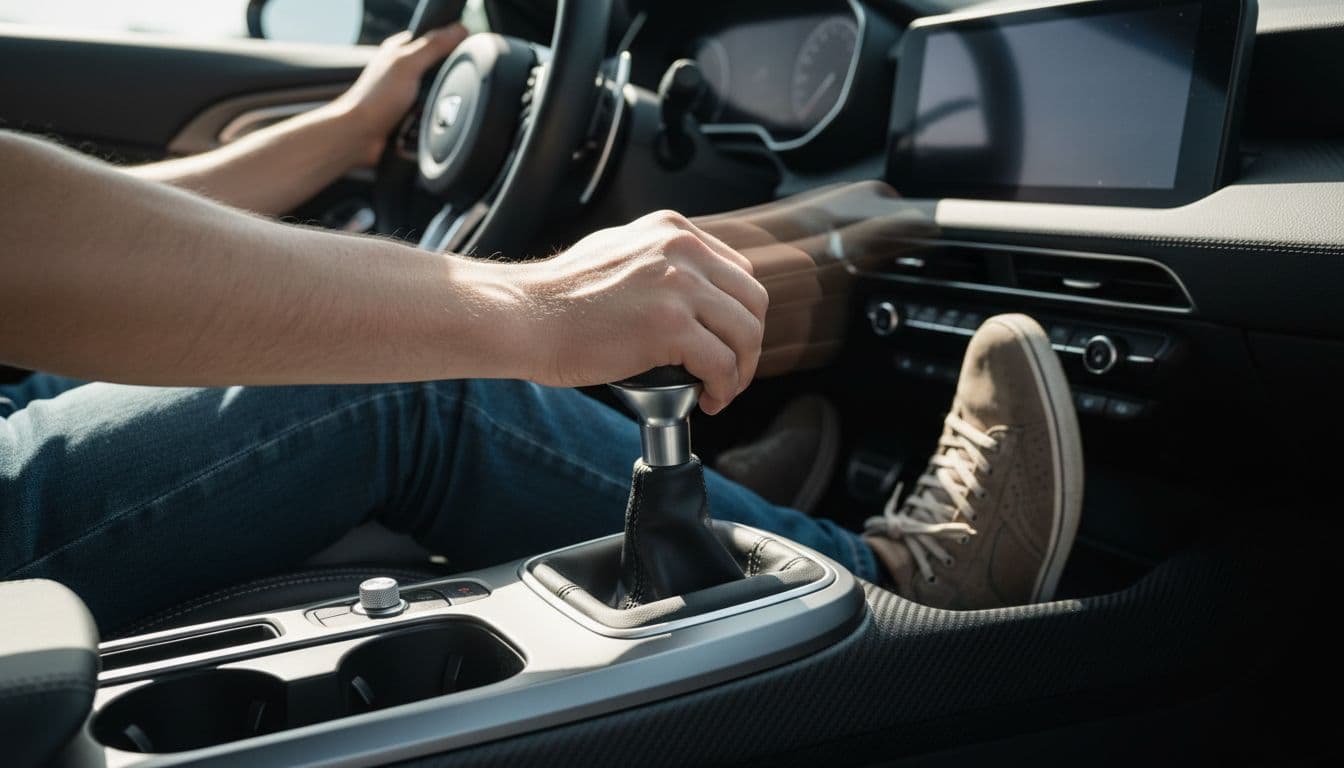
For a simple outside take on the basics, this beginner-friendly transmission guide lays out the main differences in plain terms.
What makes an automatic easier for most people
An automatic removes a layer of work. You shift into drive, ease onto the road, and let the car handle the rest. That matters most in heavy traffic, crowded parking lots, and daily commuting.
Modern automatics also shift smoothly. Many are tuned for comfort, so the gear changes barely register. That’s a big reason new drivers, families, and commuters often prefer them. Learning to drive is simpler when you don’t have to master clutch timing at the same time.
As a result, automatics feel less stressful in ordinary life. If your car is mostly a tool, not a hobby, that ease adds up fast.
Manual vs automatic car, the biggest pros and cons that affect real life
This debate lasts because both sides have real strengths.
A manual can feel more connected. An automatic feels more relaxed. One asks more from you and may save money in some cases. The other saves effort and usually fits modern traffic better. For a broader buyer-focused overview, this 2026 comparison frames the same tradeoffs many shoppers face.
Where manual cars still win, cost, control, and driving feel
Manual cars often cost less upfront, especially in budget and mid-range models that still offer both choices. Current U.S. data points to manuals being about 5% to 7% cheaper, or roughly $600 to $2,000 less in many cases.
They also tend to be simpler mechanically. That can mean lower routine maintenance costs over time. Manual transmission service is often 20% to 30% cheaper, though the clutch is the big wear item to watch. If you drive well, a clutch can last 60,000 to 100,000 miles. If you ride the clutch hard, that bill shows up sooner.
Then there’s the feel. Some drivers want to choose the gear, hear the engine, and time the shift themselves. That’s why manuals still hold a clear niche in sports cars and enthusiast models, even as they fade from the wider market.
Where automatic cars pull ahead, traffic, convenience, and modern efficiency
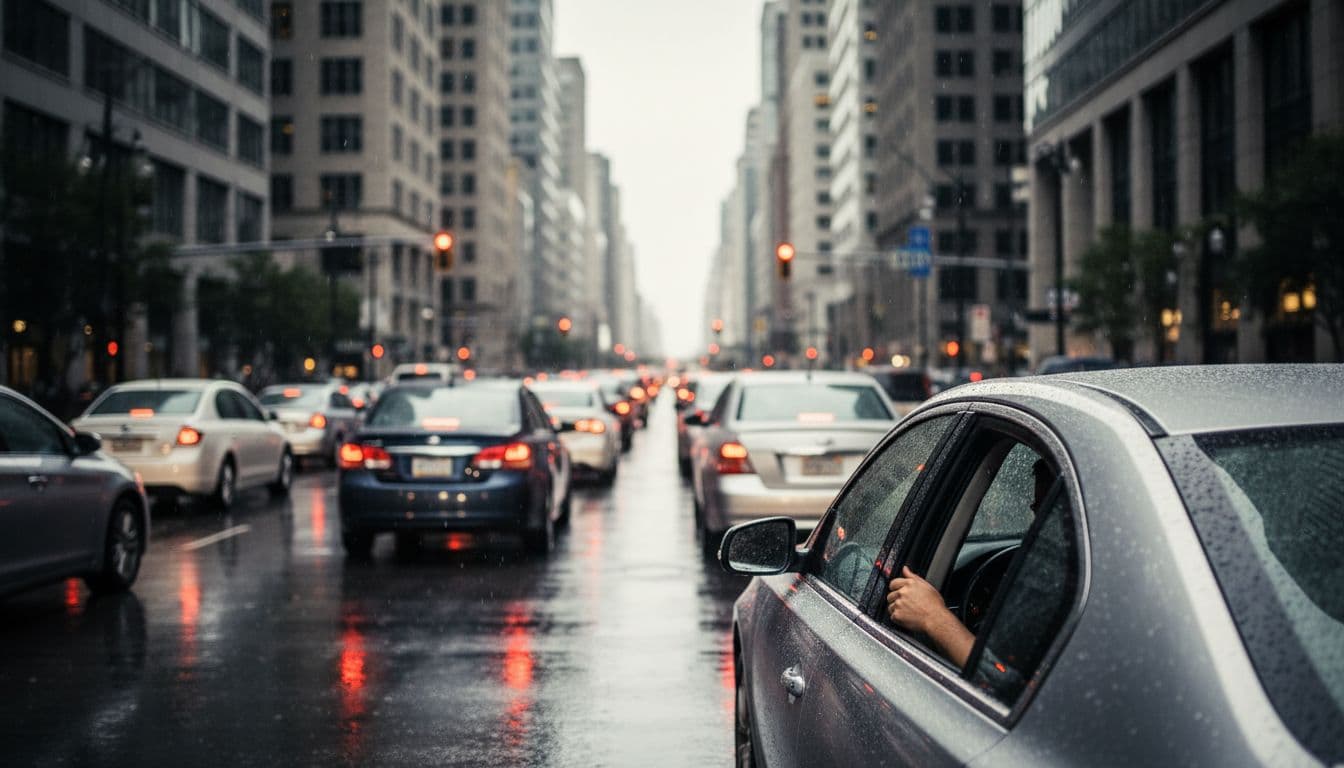
Automatic cars win the daily grind. In city traffic, they reduce fatigue because you aren’t working a clutch every few seconds. On long commutes, they feel calmer. In parking lots, low-speed maneuvers usually feel easier too.
They’re also much easier to find. Since manuals now make up only a tiny slice of new U.S. sales, most buyers won’t see many on dealer lots. That matters if you want more model choices, more trims, or easier resale later.
If you spend most of your time in traffic, an automatic usually feels like the better choice after a month of ownership, not just on the test drive.
Fuel economy used to be a point for manuals. Today, that edge is often gone. Many modern automatics, especially 8-speed units, CVTs, and dual-clutch systems, now match or beat manual mileage in normal driving.
Cost, fuel economy, and repairs, which option saves more money
Money is where the manual vs automatic choice gets real. A manual may save you cash at purchase and during routine upkeep. An automatic may cost more upfront, yet feel worth it every day if you commute in traffic.
Upfront price and maintenance costs over time
The simple version is this: manuals usually cost less to buy, and automatics usually cost more to fix when something major fails.
This quick table shows the tradeoff:
| Cost factor | Manual | Automatic |
|---|---|---|
| Upfront price | Often 5% to 7% lower, about $600 to $2,000 less | Usually higher on the same model |
| Routine upkeep | Often 20% to 30% lower | Fluid services and more complex parts raise cost |
| Common wear item | Clutch replacement, about $500 to $1,000 | Solenoids, torque converter, or internal faults |
| Major repair or replacement | Often $1,500 to $3,000 | Often $2,500 to $8,000+ |
The takeaway is clear. Manuals usually win on purchase price and basic upkeep. Automatics can become much more expensive if the transmission develops a serious problem.
That said, a manual isn’t always the cheap choice. If you burn through a clutch because of poor technique, your savings shrink. On the other side, many automatics run for years with only routine fluid service. If you’d like to estimate how mileage changes your costs, this fuel cost calculator helps put numbers to the decision.
Fuel economy is not as simple as it used to be
For years, people said manuals always saved gas. That used to be true more often. In 2026, it isn’t a safe rule.
Many automatics now beat manuals by about 2% to 5% in EPA-style testing and real-world driving. They shift faster than most people can, and they keep the engine in a more efficient range. That’s especially true in stop-and-go city driving.
A skilled manual driver can still do very well, mainly on steady highway trips. But the gap is small today, and in many models the automatic comes out ahead. That’s why fuel economy alone usually shouldn’t decide the purchase. A practical look at manual or automatic ownership costs shows how small the mileage difference can feel next to repair risk and daily comfort.
Which one should you choose for your driving style
The best answer depends on how you actually drive, not on what sounds cooler.
Think about your week. Are you crawling through traffic, parking downtown, and sharing the car with family? Or do you enjoy back roads, weekend drives, and a little more work from the driver’s seat?
Choose a manual if you want a more involved driving experience
A manual makes sense if you enjoy control and don’t mind practice. It’s also a smart pick if a lower entry price matters, or if you’re buying one of the sports cars that still feel best with a stick.
Some drivers also like manuals because they may help with certain work vehicles, older cars, or rentals abroad in places where stick shift is still common. Still, you’ll need patience at the start. Learning smooth launches, hill starts, and clutch timing takes time.
If driving is part of the fun, manual can still feel special.
Choose an automatic if you want the easiest everyday option
An automatic fits most people better. That’s not boring, it’s practical.
If you commute, drive in cities, share the car with others, or just want the easiest daily routine, automatic is the safer bet. It’s also the clear choice for many first-time drivers because it lets them focus on traffic, mirrors, and speed instead of clutch work.
In 2026, automatics are the default in almost every new car category. So if you want the widest selection and the least effort day to day, automatic usually wins.
In the end, manual vs automatic car isn’t about proving loyalty to one camp. It’s about choosing the one you’ll enjoy living with.
Manual is still great for engagement, lower purchase price, and simpler upkeep in some cases. Automatic is easier, more common, and often better suited to modern U.S. driving. So pick the transmission that matches your commute, budget, and patience level. The best choice isn’t the one strangers praise online. It’s the one that makes you feel most confident every time you pull out of the driveway.

 autovalix_krexlg