 autovalix_krexlg
Shopping the chevy traverse vs ford explorer matchup gets interesting fast. Both are popular midsize, three-row SUVs. Both can tow up to 5,000 pounds when properly equipped. Both offer family-friendly tech, modern driver aids, and strong brand recognition.
Still, they don’t feel the same on the road or in the driveway. The core takeaway is simple: the Traverse is the better pick for space, seating, and daily family use, while the Explorer stands out for power, handling, and driver appeal. If your SUV spends more time hauling kids, backpacks, and Costco runs, Chevy has the edge. If you want a family SUV that feels more like a sport sedan in tall shoes, Ford makes a strong case.
What really separates the Chevy Traverse and Ford Explorer
At a glance, these SUVs aim at the same buyer. In practice, they have very different personalities. The Traverse leans hard into room, ease, and family function. The Explorer feels tighter, quicker, and more driver-focused.
This quick side-by-side sums it up:
| Category | Chevy Traverse | Ford Explorer |
|---|---|---|
| Best trait | Space and usability | Power and road feel |
| Seating | Up to 8 | Up to 7 |
| Max cargo space | 98 cu. ft. | 85.8 cu. ft. |
| Standard power | 328-hp 2.5-liter turbo | 300-hp 2.3-liter turbo |
| Top power | 328 hp | 400 hp V6 |
| Max towing | 5,000 lbs | 5,000 lbs |
The table tells the story. Chevy wins the packaging battle, while Ford wins the performance battle. For a broader specs snapshot, see Car and Driver’s comparison tool.
If your third row gets used often, the Traverse feels built for real life, not just occasional duty.
The Traverse feels made for big families and busy weekends
The Traverse doesn’t hide its mission. It offers seating for up to eight, and that matters if your carpool keeps growing. Chevy also makes third-row access easier with its Smart Slide setup, so kids and adults don’t have to fold themselves into the back like luggage.
Space is the big headline. Behind the third row, the Traverse gives you 22.9 cubic feet of cargo room. Fold everything down, and it opens up to about 98 cubic feet. That’s a lot of room for strollers, sports bags, coolers, or a week’s worth of vacation gear.
More importantly, the cabin feels designed for family chaos. Wide openings, a roomy second row, and a usable third row make daily life less annoying.
The Explorer feels stronger and more fun from behind the wheel
Ford takes the opposite approach. The base Explorer starts with a 300-hp turbocharged four-cylinder, and higher trims can reach 400 hp with the available V6. That’s real muscle for a family SUV.
On the road, the Explorer feels quicker and more athletic. Steering feels sharper. The chassis feels more eager in corners. If you like driving, you’ll notice the difference within a few blocks.
The tradeoff is simple. The Explorer gives up cabin room, especially in the third row and cargo area. So while it feels more alive, it asks you to pack a bit lighter and be more selective about who gets the back seat.
Interior space, comfort, and tech, where families will notice the biggest gap
For most buyers, this section decides the winner. Horsepower sounds fun, but space is what you live with every day. Child seats, hockey bags, folding wagons, groceries, and road-trip clutter don’t care about a 0 to 60 run.
Passenger room and cargo space favor the Traverse by a wide margin
The Traverse is simply the bigger family tool. It has stronger legroom across all three rows, and the second-row gap is especially noticeable. The Traverse offers 41.46 inches of second-row legroom, while the Explorer sits at 37.5 inches. That difference shows up fast when rear-facing child seats or tall teens are involved.
The third row is also more inviting in the Chevy. In the Explorer, the back seats feel more like occasional-use space. In the Traverse, adults can sit back there without immediate complaints.
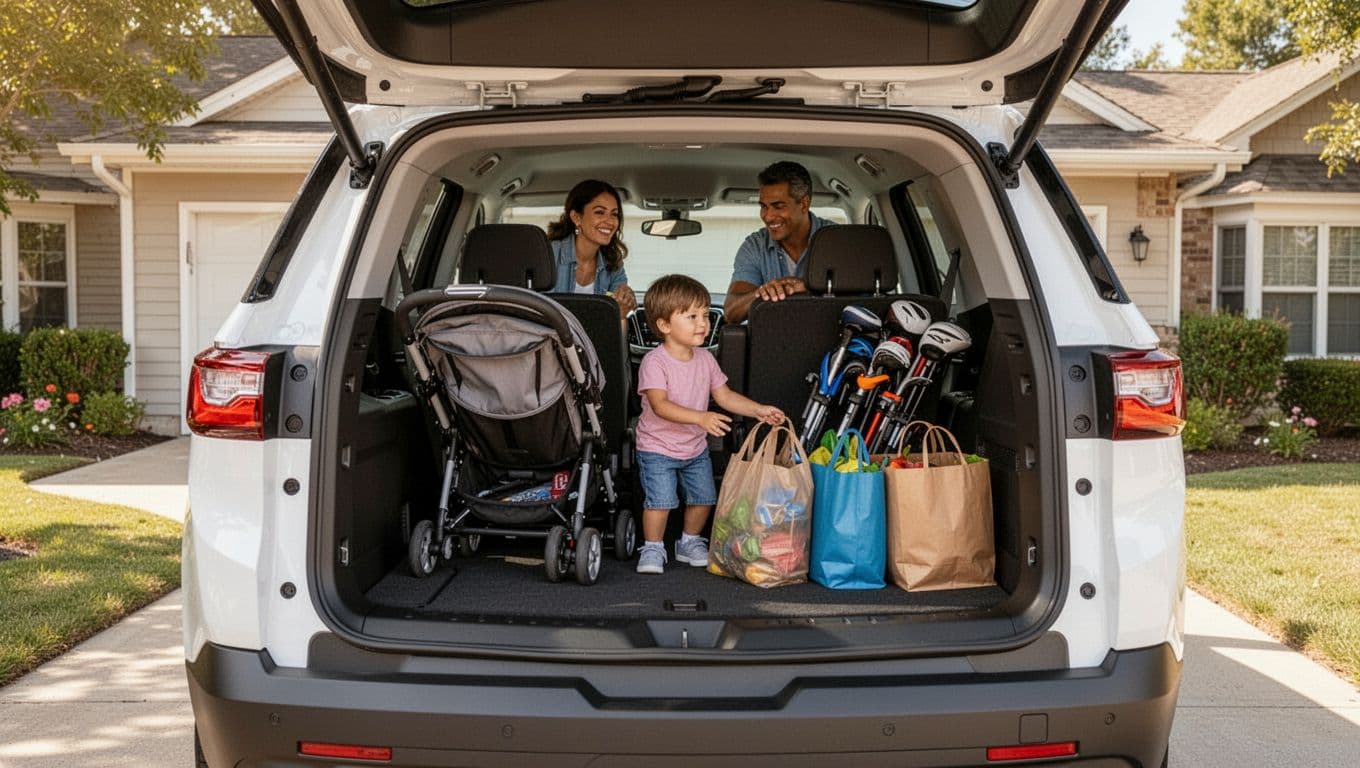
Cargo space makes the gap even clearer. Chevy gives you 22.9 cubic feet behind the third row and about 98 cubic feet with the rear seats folded. Ford tops out at 85.8 cubic feet, and its smaller rear hold is harder to ignore when all seats are up.
That matters in the real world. A bigger cargo area means fewer packing compromises. It means a stroller and groceries can live together. It means a family trip doesn’t force someone to hold a duffel bag on their lap. An Edmunds comparison test reaches a similar conclusion on space and family usefulness.
Tech is strong in both, but the Chevy setup is easier to live with
Both SUVs bring modern cabin tech, so this isn’t an old-school versus new-school fight. The Traverse comes with a 17.7-inch touchscreen, Google Built-In, available Bose audio, and available Super Cruise. Ford counters with an updated horizontal touchscreen, Google Built-In, available Bang & Olufsen audio, and available BlueCruise.
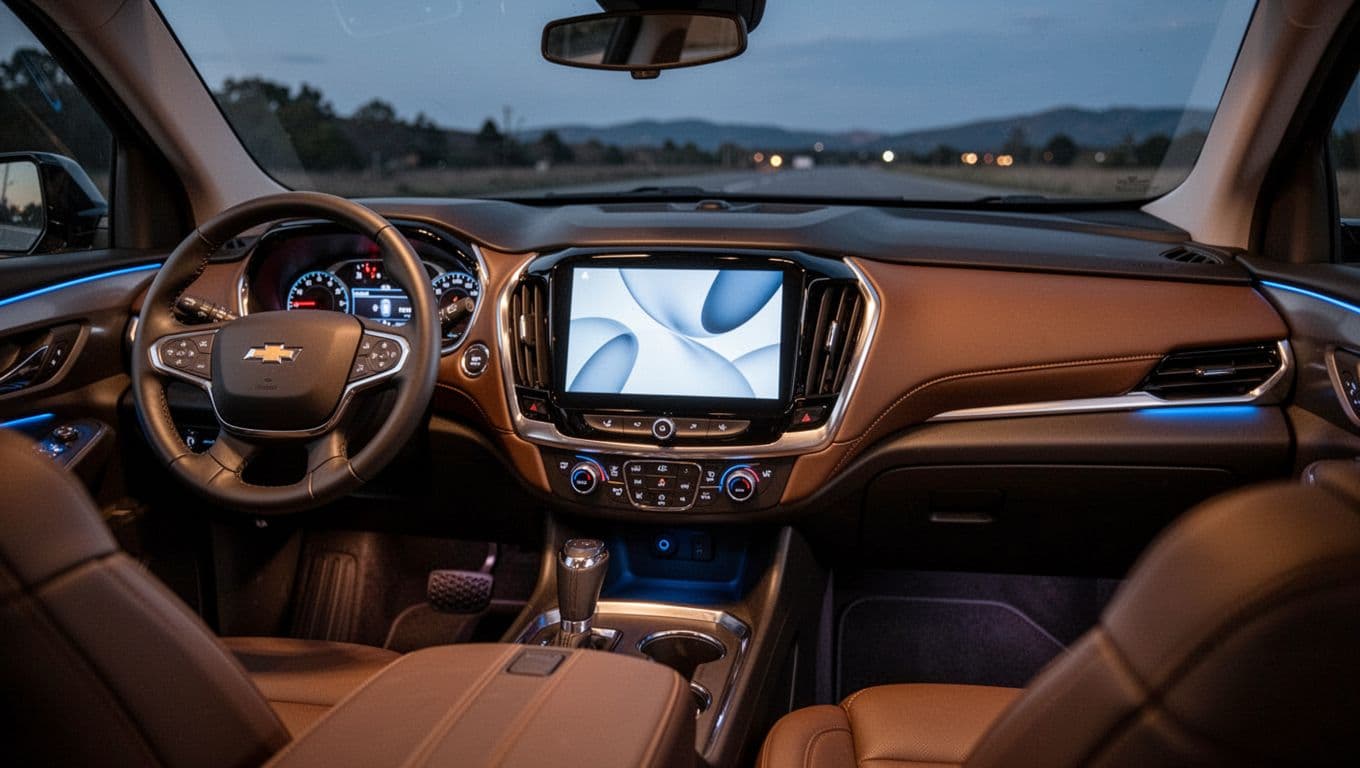
Both systems can do a lot. The difference is how easy they feel after the new-car glow wears off. Many reviewers find the Chevy layout easier to use day to day. Menus are easier to understand, and the wide screen feels like a practical tool rather than a flashy talking point.
Ford deserves credit too. The Explorer’s front seats are very comfortable, and its cabin tech looks clean and modern. Still, if you’re juggling school pickup, navigation, and climate controls at once, the Traverse feels friendlier.
Performance, fuel economy, and towing, which SUV drives the way you want?
This is where the Explorer pushes back hard. If you care about punch, passing power, and a more connected feel, Ford has the stronger hand.
Explorer wins on speed and driving fun, Traverse feels smooth and steady
The Traverse uses a 328-hp 2.5-liter turbocharged four-cylinder. That’s a healthy number, and it gives the Chevy solid midrange pull. Around town and on the highway, it feels smooth and strong enough for normal family driving.
The Explorer starts at 300 hp with its 2.3-liter turbo. Move up to the V6, and output climbs to 400 hp. Current reports put the V6 Explorer at about 5.1 seconds to 60 mph, while the Traverse lands closer to 7.3 seconds. That’s not a small gap.
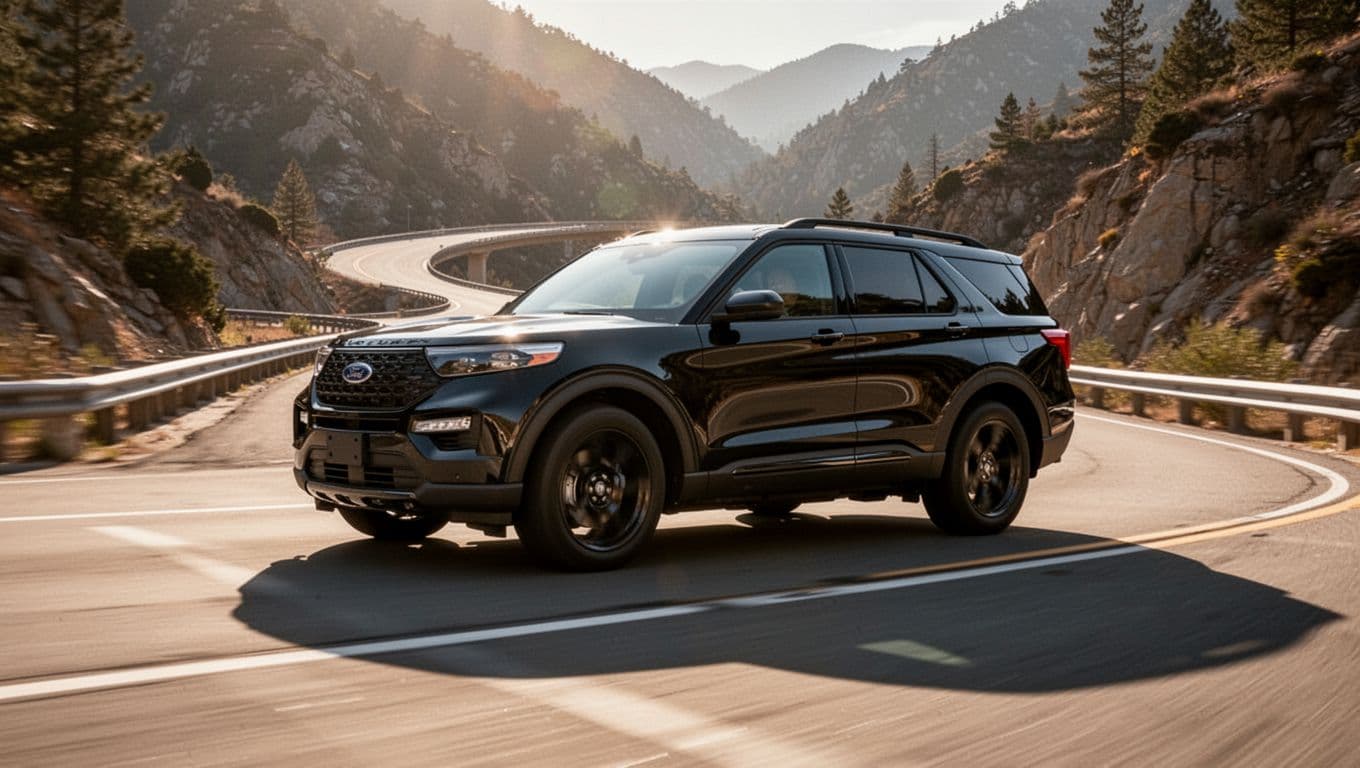
Ford also feels more composed when the road gets twisty. The Explorer turns in with more confidence and carries itself with less bulk. By contrast, the Traverse feels calmer and less playful, which many family buyers will actually prefer. It doesn’t beg you to drive fast. It just gets on with the job. For another outside view on trim differences, see Driving’s 2026 comparison.
Fuel economy and towing are close enough that your priorities matter more
Fuel economy won’t settle this matchup by itself. The Traverse is rated around 20 mpg city, 24 highway, and 21 combined. The four-cylinder Explorer sits close at 19 city, 23 highway, and 21 combined. Choose the V6, and the Ford drops to about 17 city, 22 highway, and 19 combined.
So, if you want the quickest Explorer, you’ll pay at the pump. The Traverse is a little easier on fuel overall, especially against the V6 Ford.
Towing is a draw on paper. Both can pull up to 5,000 pounds when properly equipped. Still, shoppers who tow often should check the trim, drivetrain, and towing package details before signing. The headline number matters less than the actual setup on the vehicle you buy.
Safety, value, and the best choice for different types of buyers
Safety and value often come down to the small tools you use every week. This is where both SUVs make a solid showing, though they go about it a bit differently.
Both SUVs offer smart safety features, with helpful tools for parents
Chevy offers available Super Cruise, which allows hands-free driving on compatible roads, plus Teen Driver for setting limits and tracking habits for younger drivers. Ford answers with available BlueCruise and MyKey, which serves a similar family-control role.
These features don’t replace careful driving, but they can make ownership easier. Teen Driver and MyKey are especially helpful if your SUV will double as a first car for a high schooler. Super Cruise and BlueCruise can also take some stress out of long highway trips.
If you’re comparing trim details and package availability, this research overview gives another quick summary of where each SUV fits.
Choose the Traverse for space, choose the Explorer for performance
The cleanest verdict is also the most honest. Choose the Traverse if you have a larger family, use the third row often, carpool a lot, or want the biggest cargo hold in this matchup. It’s the easier SUV to live with, and that counts for a lot.
Choose the Explorer if you care more about acceleration, stronger handling, or the available 400-hp V6. It’s the better fit for buyers who still want a family SUV, but don’t want it to feel soft or sleepy.
In other words, the Traverse is the smarter appliance. The Explorer is the more entertaining tool.
The best pick depends on what annoys you more: running out of room, or wishing your SUV felt quicker.
Bottom line: there isn’t one winner for every buyer. Still, for most families, the Traverse is the better all-around choice because it offers more space, more seating flexibility, and easier day-to-day tech. The Explorer remains the better fit for drivers who care more about power, sharper handling, and the option of a serious V6. If your SUV needs to handle real third-row duty, the Chevy is hard to beat. If driving feel still matters every morning, the Ford makes a strong final argument.


 autovalix_krexlg