 admin
adminShopping the kia sportage vs hyundai tucson matchup sounds simple until you look closer. These two compact SUVs share a platform, use related powertrains, and offer many of the same features. That overlap makes the choice harder than it first appears.
Still, they don’t feel identical once you focus on what matters in real life. Price, fuel economy, rear-seat space, cargo room, and hybrid options all pull the answer in different directions. In 2026, the Sportage tends to win on value, while the Tucson makes a stronger case for buyers who want a bit more room.
If you’re trying to match the right SUV to your budget, driving habits, and family needs, this comparison will make the decision a lot clearer.
What really separates the Kia Sportage and Hyundai Tucson in 2026
At a glance, these SUVs are like close cousins with different priorities. The Kia Sportage usually gives you more value per dollar. The Hyundai Tucson, on the other hand, gives you a touch more cabin and cargo space, plus a slightly quicker feel from a stop.
That difference shapes the whole buying decision. Sportage shoppers often care about monthly cost, standard features, and fuel savings. Tucson buyers may care more about how easily the vehicle handles passengers, strollers, bags, or road-trip gear.
The latest market data also points in the same direction. The 2026 Sportage gets visible updates and fresh equipment, while the Tucson mostly carries over its current formula. If you want a quick side-by-side spec look, Car and Driver’s comparison tool is a helpful reference.
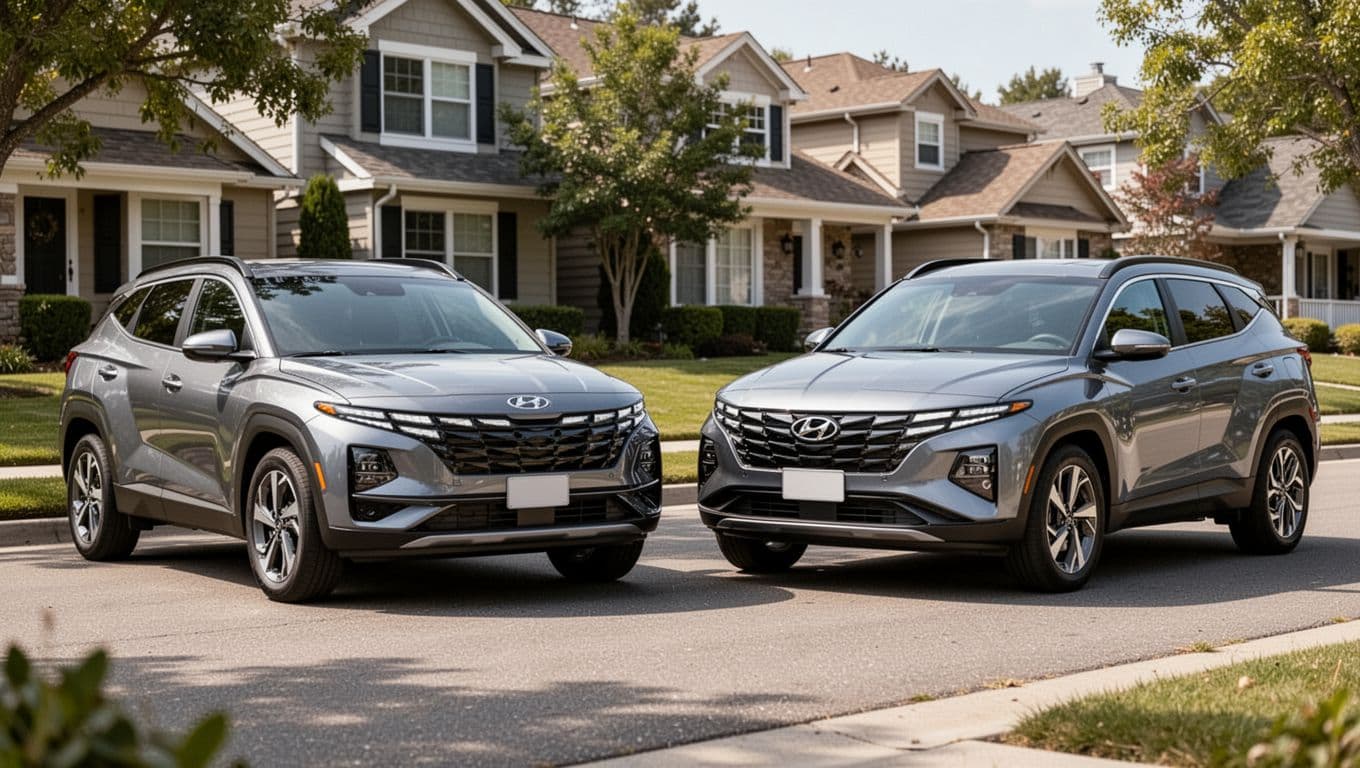
Here is the big-picture snapshot:
| Area | Kia Sportage | Hyundai Tucson |
|---|---|---|
| Starting price | Lower | Higher |
| Hybrid mpg edge | Better in FWD hybrid | Strong, but no FWD hybrid |
| Plug-in electric range | Slightly longer | Slightly shorter |
| Cabin and cargo space | Good | Better |
| Acceleration | Slightly slower | Slightly quicker |
| 2026 freshness | More visible updates | Mostly carryover |
The takeaway is simple: the Sportage looks like the smarter buy on paper, but the Tucson can still be the better fit if space is your main concern.
The Sportage makes a stronger value case for most shoppers
The Sportage starts lower, and that gap matters. In base hybrid form, it undercuts the Tucson by more than $2,000. That’s not pocket change. It can cover taxes, accessories, or a chunk of your insurance bill.
Kia also tends to pack strong equipment into lower trims. So even before you climb the trim ladder, the Sportage can feel like the better deal. In 2026, its updates help it feel newer, too, which adds to that value story.
Shared bones don’t mean shared value. The Sportage usually gives you more for less.
For many shoppers, that’s enough to swing the decision early.
The Tucson gives you a little more space and a slightly quicker feel
The Tucson’s edge is smaller, but it’s real. It has a bit more passenger volume, a little more headroom in key spots, and slightly more rear shoulder room. Cargo space is also better, which matters if your weekends involve coolers, sports gear, or airport runs.
It also gets to 60 mph a little quicker, about 8.8 seconds versus 9.1 for the Sportage. That’s hardly a night-and-day gap, but some drivers will notice the Tucson feels a touch more eager.
For tall passengers or busy families, that extra room may matter more than the lower Kia price. It isn’t a knockout punch, but it’s enough to keep the Tucson firmly in the fight.
Performance, hybrid choices, and mpg, where each SUV fits best
Neither of these SUVs tries to be a hot hatch in disguise. They are tuned for comfort, calm commuting, and fuel savings. That’s good news for most compact SUV buyers, because daily driving matters more than track-day bragging rights.
The powertrain story is also very close. Both use related hybrid hardware, and both offer plug-in hybrid versions with the same 268-hp combined output. So the real question isn’t which one is faster on paper. It’s which setup fits your routine better.
For broader testing and trim details, Edmunds’ Sportage vs. Tucson comparison gives extra context on how these models stack up in the real world.
If fuel economy is your top priority, the Sportage has the better angle
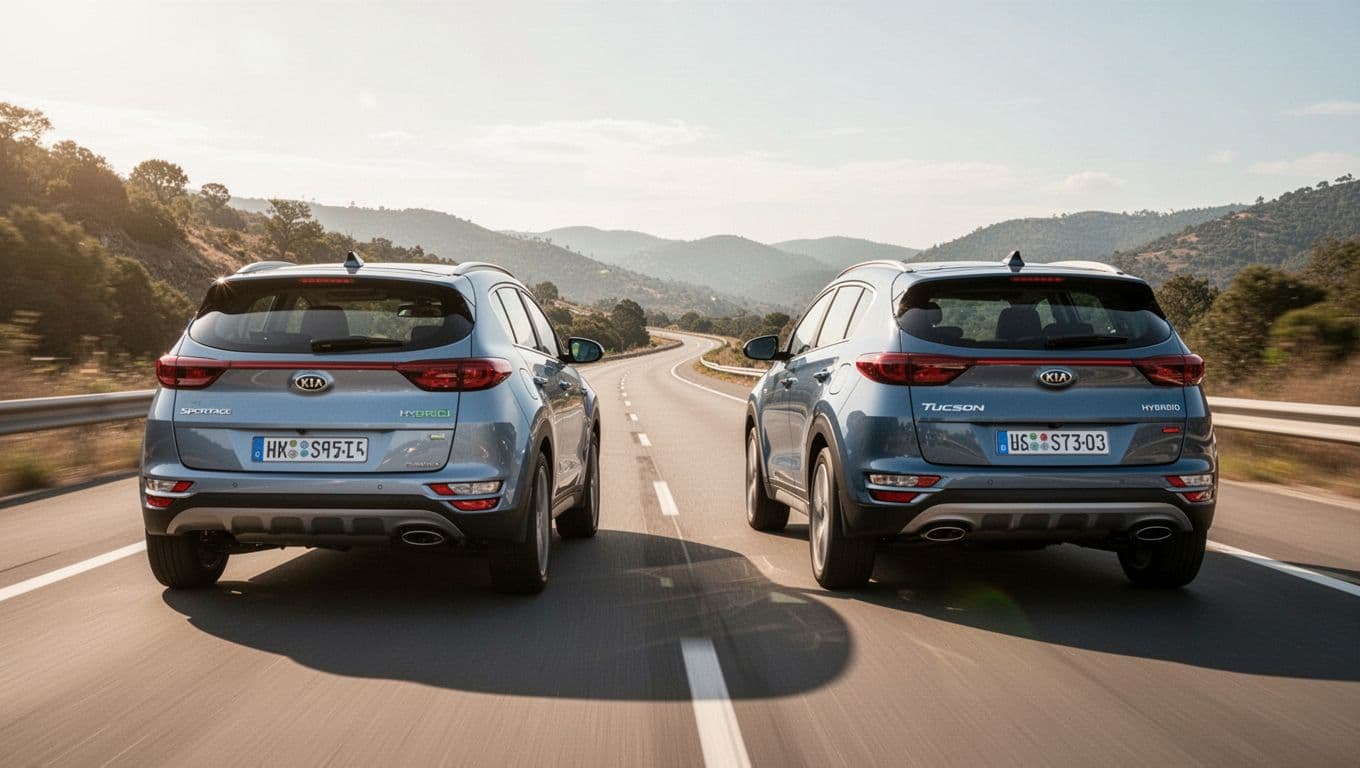
This is where the Sportage pulls ahead for many commuters. The front-wheel-drive Sportage Hybrid can reach up to 41 mpg combined, which gives it a clear edge over the Tucson hybrid lineup. Hyundai’s hybrid setup is AWD only, so it doesn’t offer the same high-mpg front-drive option.
If you want all-wheel drive, the gap shrinks. AWD hybrid versions of both sit in the 36 to 38 mpg combined range. That’s still solid for compact SUVs, and it means neither one is a bad pick if you need winter traction.
Still, the Kia gives buyers more flexibility. You can chase max efficiency with FWD, or go with AWD and stay competitive. That wider spread makes the Sportage easier to tailor to your driving mix.
A recent GreenCars hybrid comparison also highlights this point, because the Sportage offers the extra FWD hybrid path that the Tucson skips.
For plug in hybrid range, the Sportage has a small edge
Plug-in hybrids are all about short daily trips. If you can handle errands, school runs, or a commute on battery power, gas savings add up fast. Here again, the Sportage gets the nod, though only by a little.
The Sportage PHEV offers about 34 miles of electric range. The Tucson PHEV comes in at about 32 miles. Both make 268 hp combined, so performance is basically a wash. The difference is about convenience, not speed.
Two miles won’t change everyone’s life. But if your regular drive sits near that cutoff, the Kia’s slight edge could mean fewer gas-engine starts during the week. Think of it like having just enough extra coffee to get through the last meeting. Small, but useful.
Interior comfort, cargo room, and tech features that matter every day
This is where buyers usually stop looking at spec sheets and start picturing real life. How easy is it to load groceries? Will the rear seat keep adults happy? Does the cabin feel modern every time you climb in?
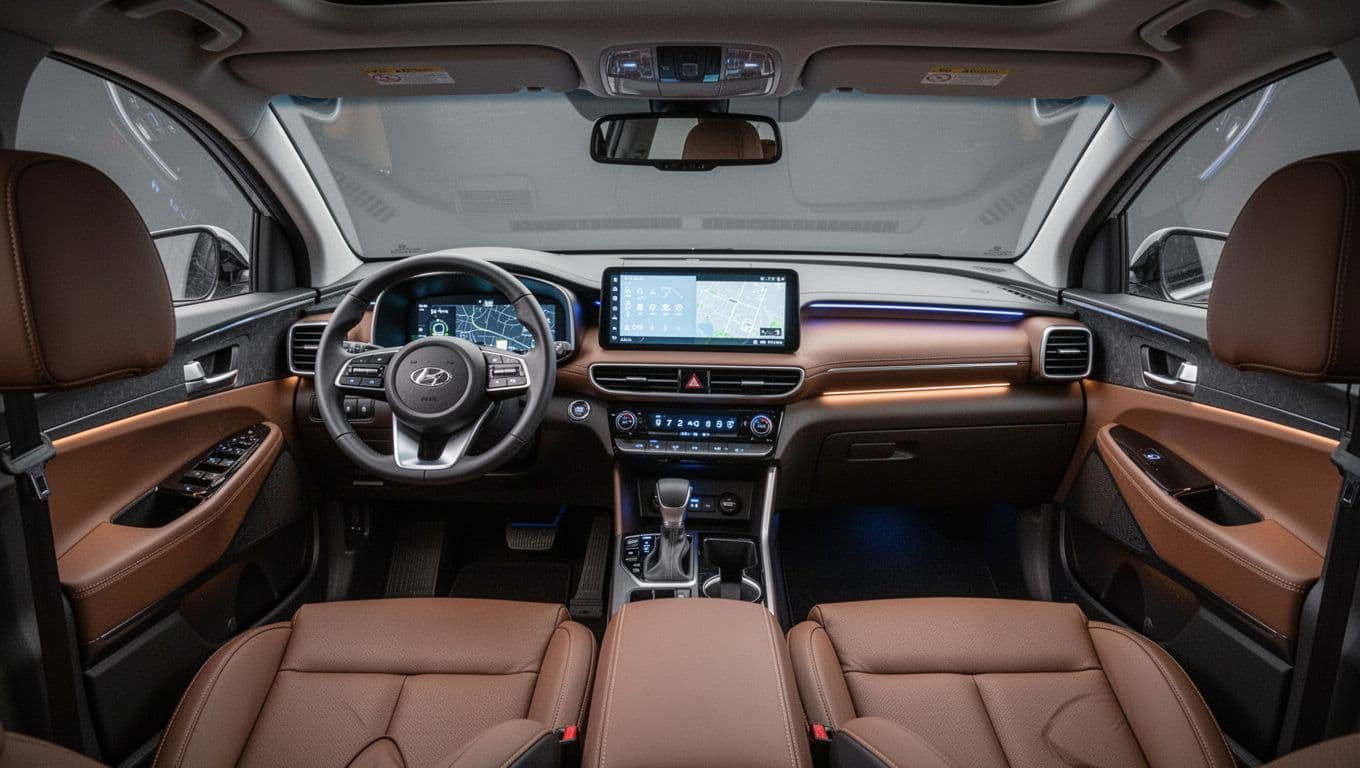
Both SUVs score well here. Each offers a clean, current design and available dual 12.3-inch displays. The overall layout feels upscale for the class, and neither one looks cheap or dated inside.
The Tucson is the better pick if rear seat and cargo space come first
The Tucson wins this part with simple math. Maximum cargo room reaches about 80 cubic feet, while the Sportage tops out around 73.7 cubic feet. That’s a meaningful gap if you fold the seats often.
Passenger space also leans Tucson. It has about 107.9 cubic feet of passenger volume, plus slight gains in headroom and rear shoulder room. On paper those numbers look small. In practice, they can make a family hauler feel less cramped.
That matters most in common situations:
- Road trips: More cargo room means less Tetris in the trunk.
- Young families: Strollers and diaper bags fit more easily.
- Tall riders: Small headroom gains can improve comfort.
If your SUV spends a lot of time full of people or gear, the Tucson’s space advantage is easy to appreciate. Reviews like this Driving comparison of the two 2026 models also frame the Tucson as the roomier choice, even though the gap isn’t massive.
The Sportage feels more upscale than its price suggests
The Sportage’s trick is how much cabin appeal it gives you without asking luxury-brand money. The dashboard design looks sharp, the available screens give it a high-tech feel, and the whole interior punches above its price class.
That doesn’t mean it beats the Tucson in every material or every inch of room. It means the Sportage often feels like you’re getting a nicer cabin than the sticker suggests. For buyers moving up from an older compact SUV, that can be a big part of the appeal.
Kia also benefits from making the Sportage feel fresh in 2026. So while the Tucson remains polished, the Sportage may strike more shoppers as the newer-looking and smarter-priced option.
Which one should you buy based on your budget and lifestyle
Now for the part that matters most. Both SUVs are strong, practical, and easy to recommend. Yet they serve slightly different buyers.
If you mostly drive to work, run errands, and want the most return for your money, the Sportage stands out. If your SUV is more like a rolling family closet, the Tucson earns its higher price more easily.
Choose the Kia Sportage if you want the best mix of price, features, and efficiency
The Sportage is the better buy for most people in 2026. It starts lower, often gives you more standard value, and offers the best hybrid fuel economy angle thanks to the FWD hybrid. It also has a tiny plug-in range edge.
That mix makes it ideal for commuters, budget-minded households, and shoppers who want a modern cabin without overspending. If you’re watching both upfront cost and long-term fuel bills, the Sportage is hard to beat.
In plain terms, it feels like the smarter all-around purchase.
Choose the Hyundai Tucson if extra room matters more than getting the best deal
The Tucson makes sense when space is the top line on your checklist. Its extra cargo room, slightly roomier cabin, and small acceleration edge can be worth the added cost for the right buyer.
Families who carry passengers often, travel with gear, or simply want the more spacious feel may prefer the Hyundai. The price premium won’t bother everyone, especially if daily use keeps proving why that added room matters.
So if your life is a little fuller, the Tucson may fit it better.
Both compact SUVs do a lot right, and that’s what makes this comparison so close. Still, the Sportage is the better all-around value for most 2026 shoppers because it blends lower pricing, strong features, and better efficiency options. The Tucson remains the smarter pick if you need more cargo room and a touch more passenger space. If saving money and fuel matters most, go Kia. If maximizing room is the goal, go Hyundai.

 admin
admin