 admin
adminMany people use crossover vs SUV like the terms mean the same thing. They don’t. Most crossovers are built like cars, while most traditional SUVs are built more like trucks.
That one difference changes a lot. It affects ride comfort, fuel use, towing strength, price, and how easy the vehicle feels in traffic. For most buyers, the real question isn’t which one looks tougher. It’s which one fits daily life, budget, and driving needs better.
Start with the basics, how a crossover and an SUV are built
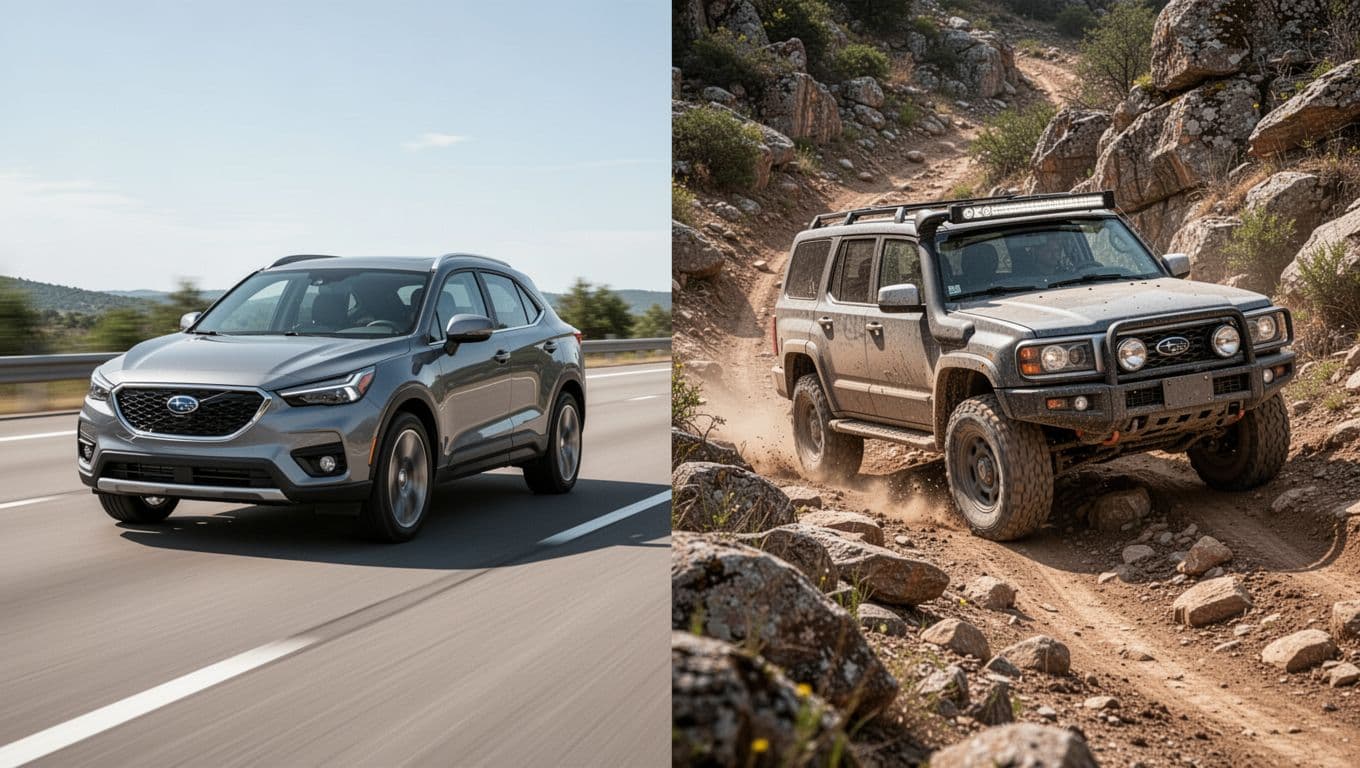
A crossover uses a unibody structure. The body and frame are one piece, much like a sedan. A traditional SUV often uses body-on-frame construction. The body sits on a separate frame, more like a pickup truck.
That sounds like shop talk, but it matters every day. Unibody vehicles are usually lighter and smoother. Body-on-frame models are usually stronger under heavy strain. If you want a simple outside explanation, this difference between crossovers and SUVs shows why the gap still matters.
Why crossovers feel more like cars on the road
Because they’re lighter, crossovers usually feel calmer on pavement. Steering is easier, the ride is smoother, and corners feel less bulky. Step-in height is often lower too, which helps kids, older passengers, and anyone tired of climbing up into a tall cabin.
That’s why so many commuters and families pick them. In traffic, a crossover feels more like a sneaker than a work boot. You still get cargo room and a higher seating position, but without as much weight or wobble.
Why traditional SUVs are tougher but often feel bigger and heavier
Truck-based SUVs earn their keep when the job gets harder. Their frames handle towing, rough roads, and heavy loads with more confidence. They’re built for stress that would make a lighter vehicle work much harder.
The tradeoff shows up on normal roads. They can ride firmer, feel larger in parking lots, and use more fuel. Tight garages also remind you that size has a cost.
If most of your miles happen on pavement, comfort and ease usually matter more than a rugged look.
Crossover vs SUV efficiency comparison
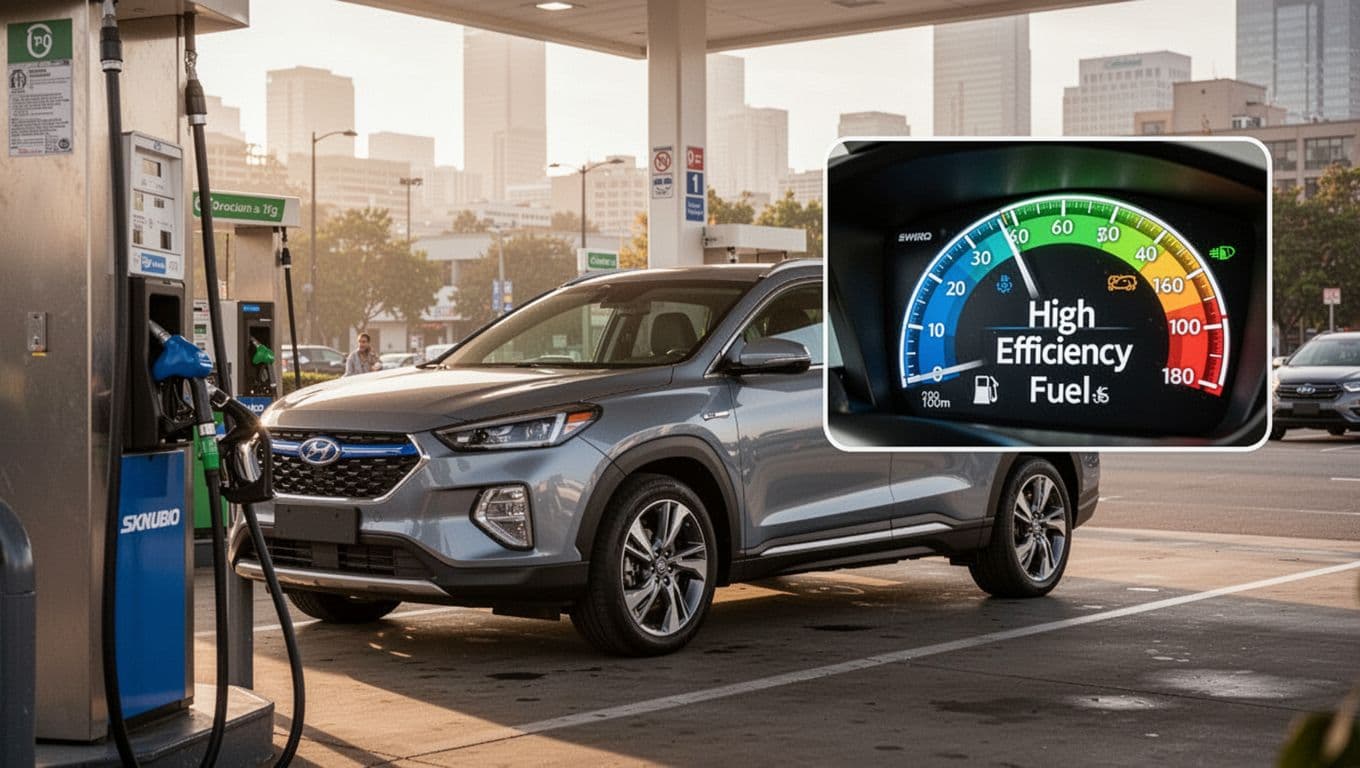
Fuel costs still shape a lot of buying decisions in 2026. Here, crossovers usually win. They’re lighter, shaped better for airflow, and much more likely to offer hybrid power.
This quick comparison shows the difference in shopping terms.
| Vehicle type | Example | Current fuel note | What it means for buyers |
|---|---|---|---|
| Hybrid crossover | 2026 Kia Sportage Hybrid FWD | EPA-rated at 42 mpg combined, starting around $31,400 | Strong pick for lower daily fuel costs |
| Hybrid crossover | Honda CR-V Hybrid | Popular benchmark, but official 2026 EPA data was not available in the reviewed source | Good choice if you want space and efficiency |
| Full-size SUV | Chevy Suburban, Nissan Armada | Larger, heavier, truck-based models usually return much lower mpg | Better fit when fuel cost is not the top concern |
For a wider look at high-mpg models, see Autoblog’s fuel-efficient SUV list for 2026.
Why crossovers usually get better gas mileage
Most crossovers carry less weight, so the engine works less. They also sit lower and cut through the air more cleanly than big, boxy SUVs. Add a hybrid system, and the gap often grows in city driving.
That’s why models like the Sportage Hybrid stand out. The Honda CR-V Hybrid stays in the same conversation, and this 2026 CR-V Hybrid comparison test shows how competitive the compact hybrid crossover class remains. Over years of commuting, better mpg can mean real savings.
When lower MPG may still be worth it in an SUV
Still, fuel economy isn’t everything. Some buyers need more towing strength, more room for people, or a vehicle that stays settled when loaded with camping gear, sports equipment, or a trailer.
In that case, worse mpg may be a fair trade. A full-size SUV can do jobs a compact crossover simply can’t. The smart move is being honest about how often you need that extra muscle.
Which one is better for space, comfort, and daily family life?
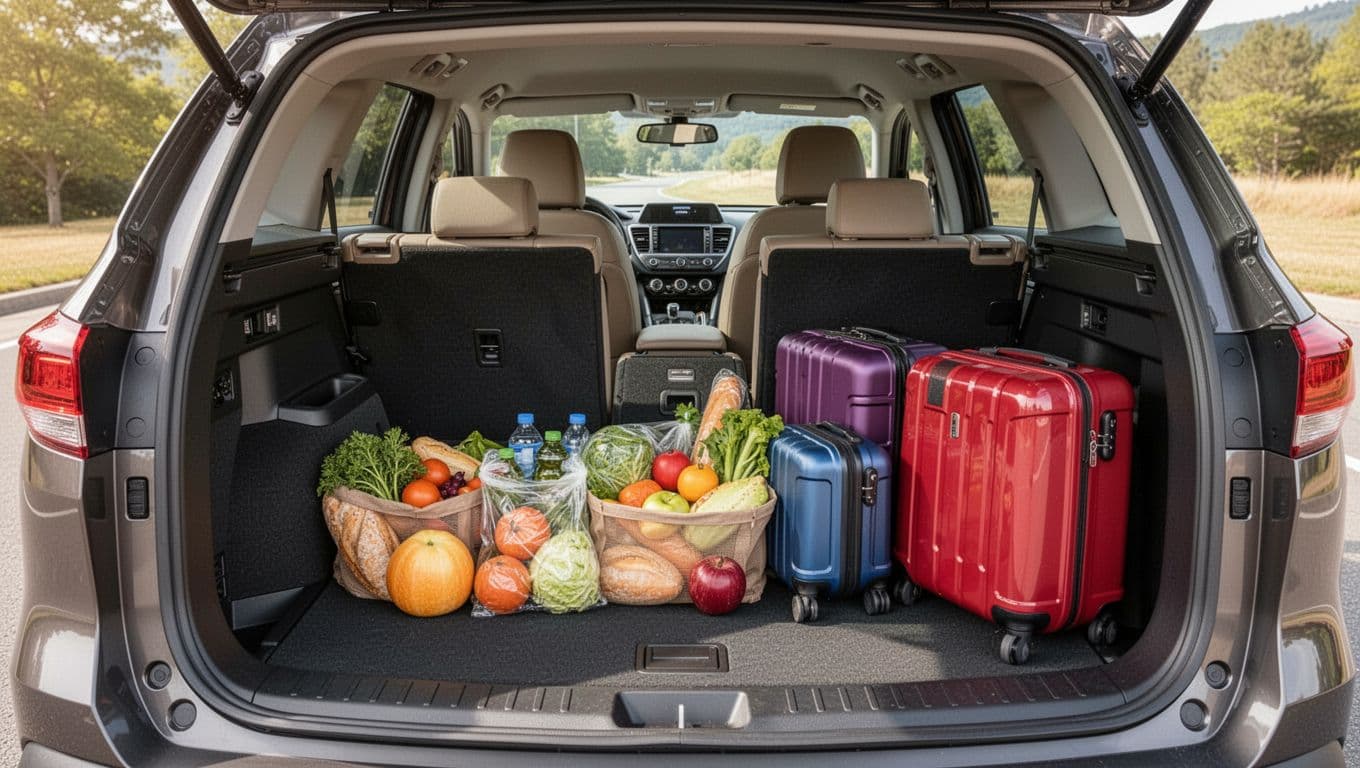
This is where the choice gets personal. Many modern crossovers feel roomy enough for school runs, grocery trips, and weekend bags. They also ride better in normal traffic, which matters if your family spends a lot of time on the road.
Full-size SUVs still own the top end of space. If you need three true rows, deep cargo room behind them, and comfort when every seat is filled, they have the edge.
Where crossovers shine for commuting and errands
Crossovers fit daily life well because they’re easier to park and usually easier to see out of. They don’t feel oversized at the grocery store or in a narrow garage. That matters more than many buyers expect.
Compact and midsize options such as the Chevy Trax and Honda CR-V hit a sweet spot. They give you flexible cargo space, a comfortable ride, and lower fuel bills. If you’re comparing current standouts, Car and Driver’s 2026 crossover rankings offer a useful snapshot.
When an SUV makes more sense for big families or long trips
Larger families often outgrow a two-row crossover faster than expected. Once you add strollers, coolers, suitcases, and maybe a dog, every inch matters. A big SUV like the Nissan Armada or Chevy Suburban feels built for that load.
These vehicles also stay relaxed on long highway runs with a full cabin. More wheelbase and weight can make them feel settled at speed. So while they cost more to own, they may lower stress if you move lots of people and gear often.
Towing, rough roads, and weather, when an SUV has the edge
Many buyers picture themselves towing boats, crossing deep snow, and hitting remote trails. Most never do. That’s why this part of the crossover vs SUV choice matters so much. Buying for rare extremes can leave you with a bulkier vehicle every day.
For light snow, rain, dirt roads, and ski trips, plenty of crossovers are up to the task. Harder jobs are where traditional SUVs pull away.
What crossovers can handle well enough for most drivers
A good all-wheel-drive crossover can deal with rain, winter roads, gravel, and the occasional muddy campsite. It can also handle weekend road trips and light trails if you use common sense. For most people, that’s enough.
In other words, you don’t need a truck-based SUV just to feel confident in bad weather. Tires, ground clearance, and driver skill matter too. A crossover covers the real-world needs of many households.
What traditional SUVs do better when the road gets tough
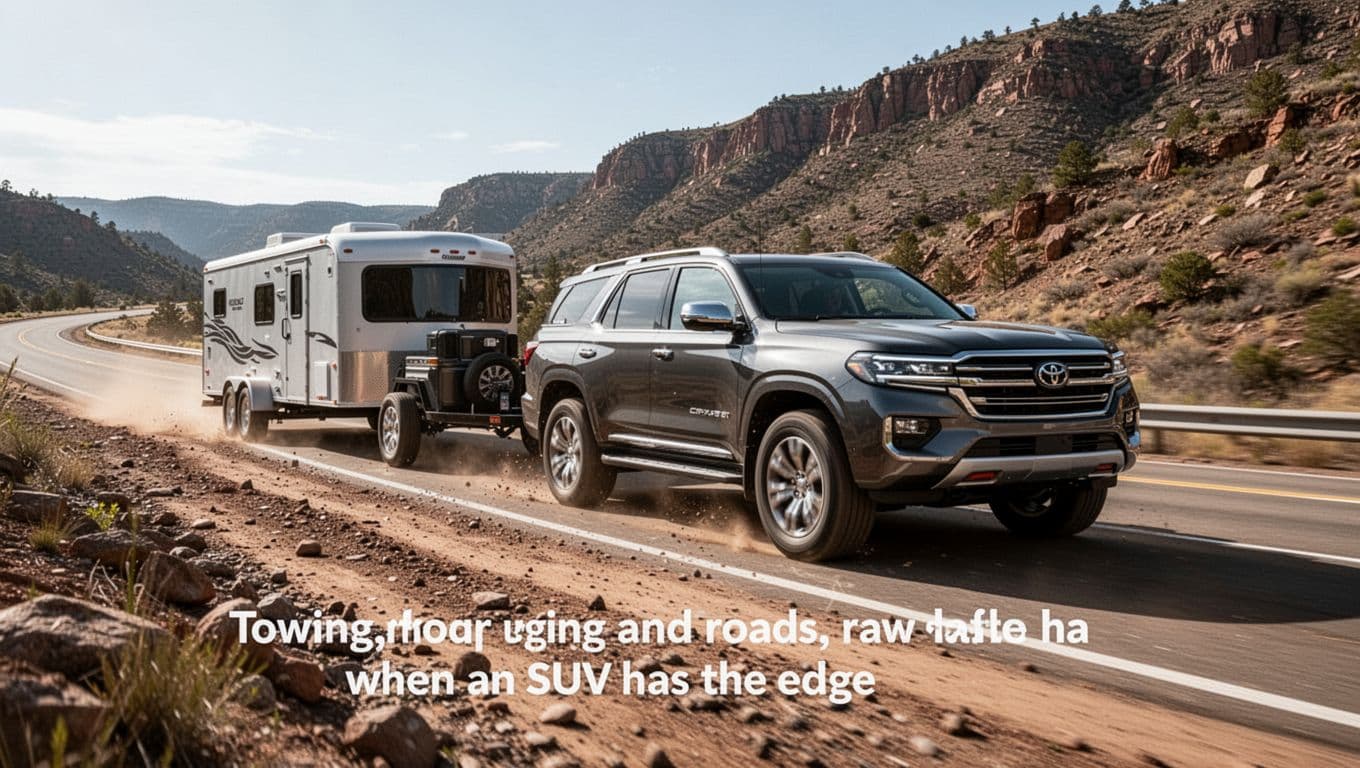
Traditional SUVs bring stronger frames, more towing confidence, and better durability on punishing surfaces. They often offer higher ground clearance, low-range 4WD, and suspension setups made for rough use. If you tow often, those strengths are hard to ignore.
Think about a camper, boat, horse trailer, or repeated trips on washed-out roads. That’s where a traditional SUV starts to make clear sense. This crossover vs. SUV needs guide is helpful if your decision comes down to towing and outdoor use.
How to choose between a crossover and an SUV without overbuying
The best choice usually comes from your normal week, not your once-a-year trip. Count how many miles you drive, how often you park in tight spaces, how many people ride with you, and whether you truly tow.
Choose a crossover if your top needs are comfort, value, and efficiency
A crossover makes sense for commuters, small families, city drivers, and anyone watching monthly costs. You’ll likely get a smoother ride, easier parking, and better mpg. That’s a big reason crossovers now lead buyer demand across the US.
They also give up less space than they used to. For many shoppers, a well-chosen crossover feels like the right-sized answer, not a compromise.
Choose an SUV if your top needs are power, space, and capability
A traditional SUV is the better tool if you need real towing strength, big-family space, or durability on rough roads. It’s built for harder work, and you feel that when the cabin is full or the trailer is heavy.
Just remember what you’re paying for. More size and strength usually bring more fuel use, a higher price, and a bigger footprint to live with.
In the end, crossover vs SUV is less about image and more about fit. Crossovers usually make more sense for everyday life because they’re easier to drive, cheaper to fuel, and roomy enough for most families. Traditional SUVs still win when you need serious towing, maximum space, or rough-road strength. Pick the vehicle that matches your real routine, and you’ll be happier than if you simply buy the bigger box.

 admin
admin